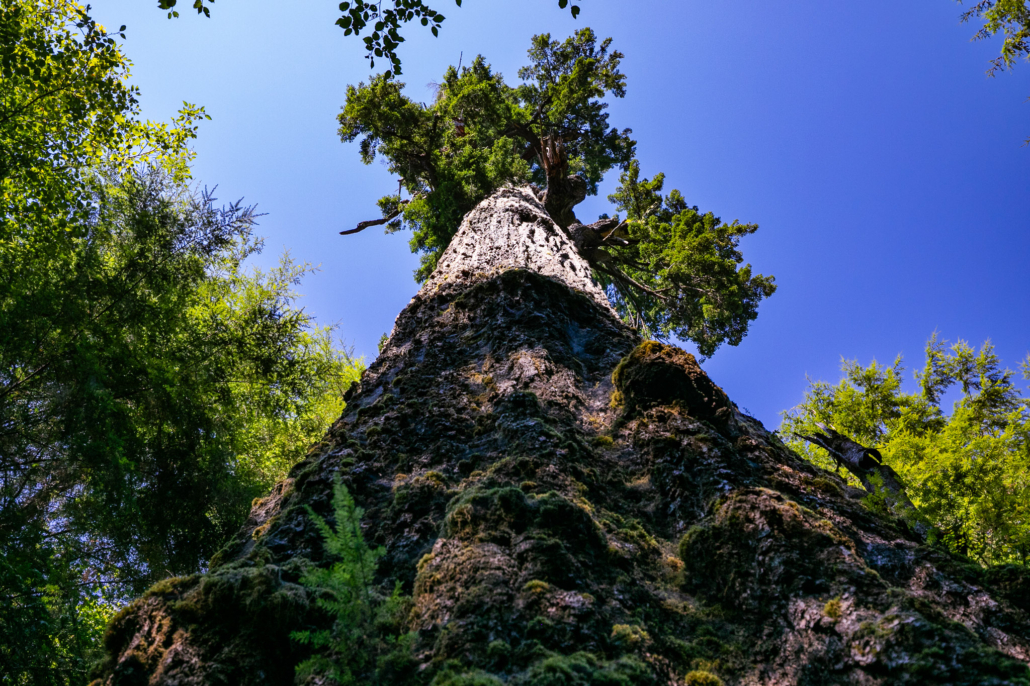
UPDATED: Port Renfrew Big Trees Map
Explore the updated Port Renfrew Big Trees Map with new directions, trails, and routes to iconic giants like Big Lonely Doug, Eden Grove, and more.
https://staging.ancientforestalliance.org/wp-content/uploads/2025/05/13-Red-Creek-Fir.jpg
1365
2048
TJ Watt
https://staging.ancientforestalliance.org/wp-content/uploads/2026/05/Ancient-Forest-Alliance-logo.svg
TJ Watt2026-05-29 15:39:342026-05-29 15:40:49UPDATED: Port Renfrew Big Trees Map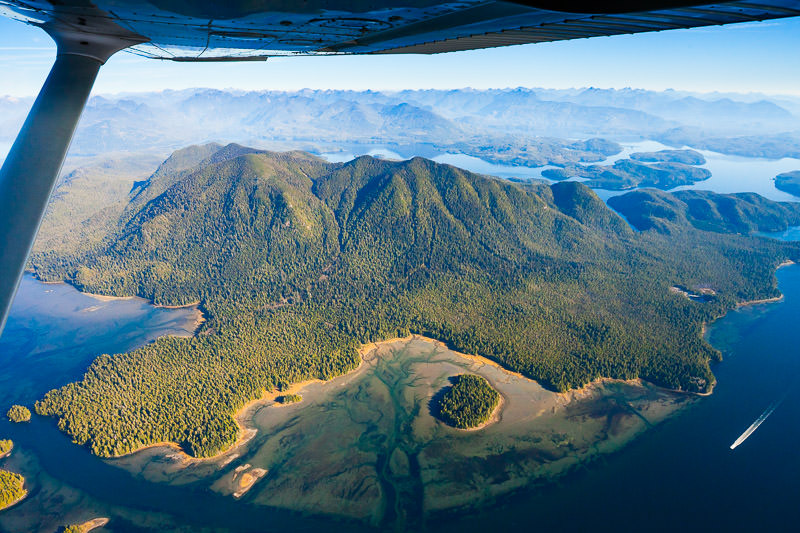
NEW! West Coast Old-Growth Hiking Guide
Explore AFA’s NEW West Coast old-growth hiking guide. From Clayoquot Sound to Port Alberni, there are trails for every skill level!
https://staging.ancientforestalliance.org/wp-content/uploads/2026/05/meares-island-big-tree-trail-tofino-1200px-338.jpg
533
800
TJ Watt
https://staging.ancientforestalliance.org/wp-content/uploads/2026/05/Ancient-Forest-Alliance-logo.svg
TJ Watt2026-05-29 12:06:002026-05-29 15:42:38NEW! West Coast Old-Growth Hiking Guide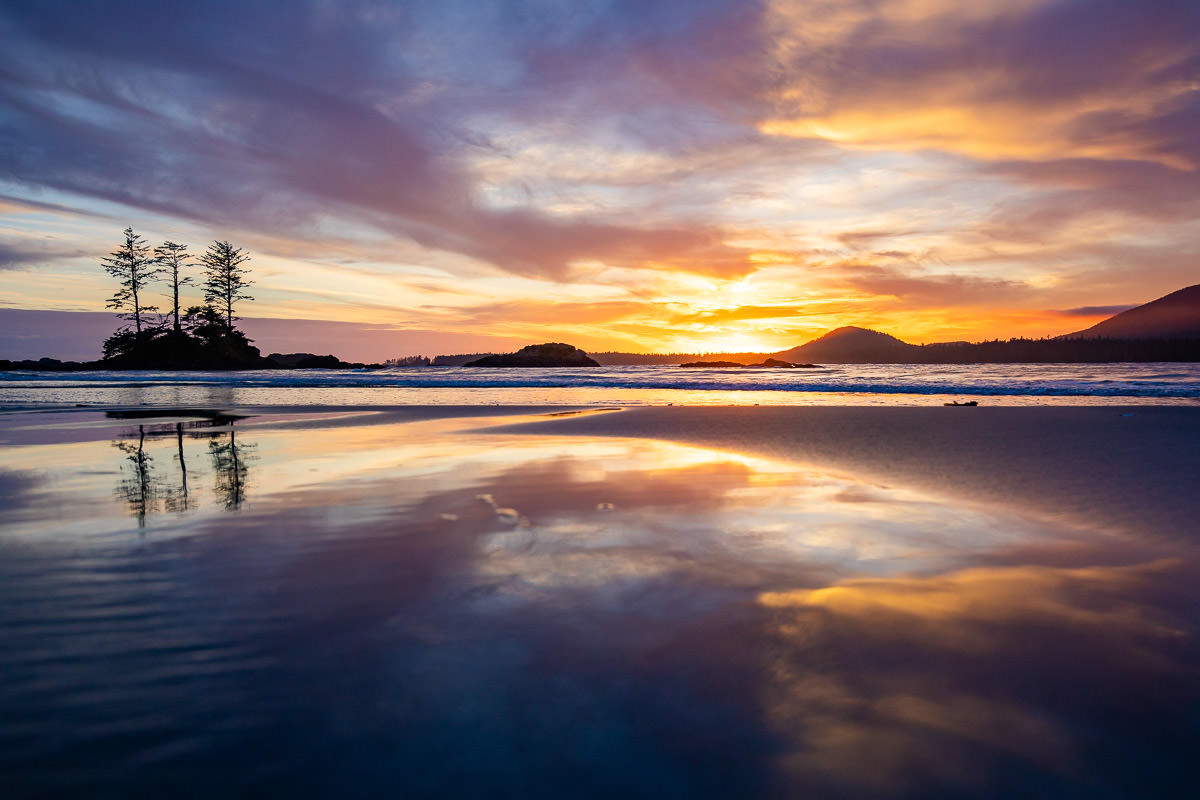
Now Hiring: Contract Graphic Designer!
Ancient Forest Alliance is hiring a contract Graphic Designer to help bring our campaigns to life through print and digital materials.
https://staging.ancientforestalliance.org/wp-content/uploads/2026/05/flores-island-wildside-trail-1200px-430.jpg
800
1200
TJ Watt
https://staging.ancientforestalliance.org/wp-content/uploads/2026/05/Ancient-Forest-Alliance-logo.svg
TJ Watt2026-05-22 12:22:292026-05-22 12:22:29Now Hiring: Contract Graphic Designer!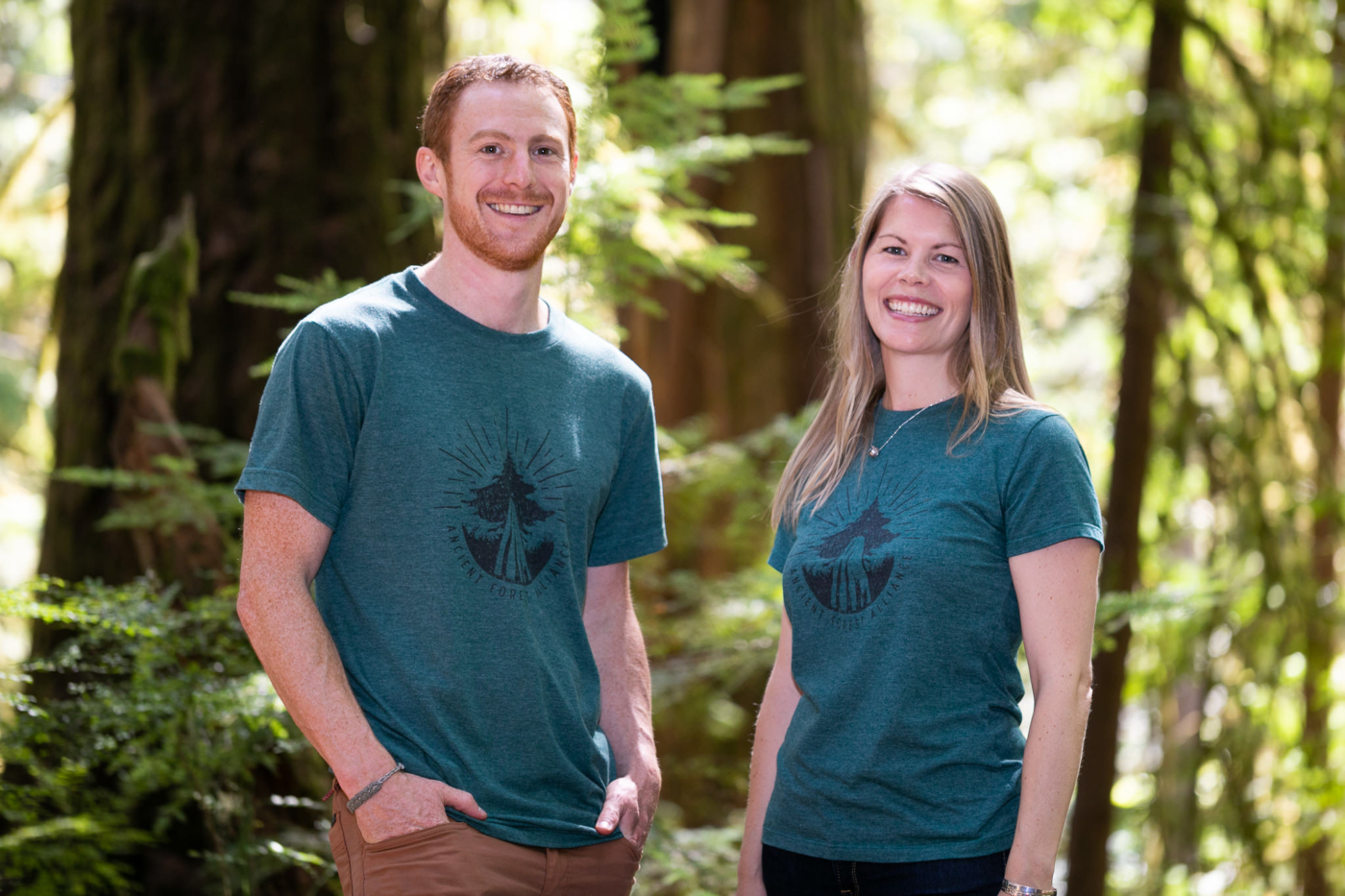
Design AFA’s Next T-Shirt and Help Protect Old-Growth Forests!
Calling all artists! For Earth Month, AFA is launching our first-ever Community T-Shirt Design Contest.
https://staging.ancientforestalliance.org/wp-content/uploads/2026/04/AFA-T-Shirt-Green-Mens-Womens.jpg
1365
2048
TJ Watt
https://staging.ancientforestalliance.org/wp-content/uploads/2026/05/Ancient-Forest-Alliance-logo.svg
TJ Watt2026-05-15 08:13:232026-05-19 09:33:44Design AFA’s Next T-Shirt and Help Protect Old-Growth Forests! Donate
 Send a Message
Bring On the Drones
/in News CoverageThis past March, B.C. conservation photographer TJ Watt captured something incredible on camera: the ascent of three climbers up Canada’s second-largest known Douglas-fir tree. The tree, affectionately known as “Big Lonely Doug,” 216 feet high and 12.4 feet in diameter, stands in a clear-cut north of Port Renfrew on Vancouver Island in a place known as Eden Grove.
Watt captured the climb using a DJI Phantom 3 Pro Drone. The video, made public in August, has already garnered more than 70,000 views on Facebook. The striking video is part of an emerging trend of using technology such as drones to bring more mainstream attention to environmental and wildlife issues.
“It’s a great way to bring to life these remote yet truly special areas, and bring them into people’s living rooms,” Watt said.
The climb, which was done by the Ancient Forest Alliance and Arboreal Collective, served several purposes: to highlight the grandeur of “Doug” using drones, bring awareness to the issue of logging and old-growth forests, and to document the climb for a cross-Canada book project celebrating Canada’s 150th birthday.
See the video here: https://www.youtube.com/watch?v=YGbiW_Q2lCU
Read more: https://thetyee.ca/News/2016/11/12/Bring-On-Drones-Big-Doug/
Comment: Tla-o-qui-aht demand protection of ancient forest
/in News CoverageHere's an amazing article by Tla-o-qui-aht band members Tsimka and Gisele Martin, speaking on behalf of the Tla-o-qui-aht Initiative for Interconnected Community Health, calling for the protection of the remaining old-growth forests in Tla-o-qui-aht territory in Clayoquot Sound and focused on concerns about logging at the Kennedy Flats (near the highway on the way to Tofino) and potentially at Tofino Creek. Their territory also includes the famous Meares Island, home to some of the largest trees on Earth, the Clayoquot Valley, Kennedy Lake, and Kennedy Valley.
*******
Nuu-chah-nulth people, since time immemorial, have always maintained respectful relationships with ancestral lands and waters. These relationships are the foundation of Nuu-chah-nulth cultural life — ways carefully nurtured according to ancient teachings, for the benefit of all generations and all forms of life.
The forest ecosystem was tended as a garden. It still is recognized as a living entity, with its own set of complex relationships among its many inhabitants, including people who continue to rely upon it for life.
Countless generations of Nuu-chah-nulth First Nations people have maintained abundant economies and ecosystems, until this way of life was interrupted by Canada’s colonialism, which introduced unrestrained resource extraction, commodification and exploitation of nature. This was accompanied by cultural genocide, widespread environmental devastation and severe impacts to First Nation economies that continue today.
British Columbia’s forestry policies and practices are founded on a colonial worldview that assumes there will always be more trees to cut and more profits to be made.
In 1984, the conflict between Nuu-chah-nulth people and the timber industry supported by the Canadian government reached a dramatic climax when the ancient cedar forests of Meares Island were threatened with clearcut logging.
Tla-o-qui-aht and Ahousaht were not consulted about plans to log within ancestral territories. At that time, Tla-o-qui-aht and Ahousaht became determined to uphold ancestral values and teachings of care, and to defend ancestral lands and waters.
In response to the planned logging, the Tla-o-qui-aht and Ahousaht First Nations sought an injunction from the court, which eventually worked its way to the B.C. Court of Appeal. The court recognized the logging plans’ interference with aboriginal rights and title, and placed an injunction on the island that would halt the logging until land-claim issues were resolved between Canada and the Nations.
In 1984, the Nuu-chah-nulth Nations Tla-o-qui-aht and Ahousaht declared Meares Island a Tribal Park. The island represents a mere fraction of the unceded territories. First Nations played a pivotal role in the 1980s movement to protect the forests. In the summer of 1993 the Clayoquot Blockades became known as the largest peaceful civil disobedience event in Canadian history.
Following the Clayoquot blockades of 1993, the Clayoquot Sound Science Panel was convened to develop recommendations for more sustainable forestry practices in Clayoquot Sound. While the recommendations are an improvement to the previous clearcut logging, they do not measure up to the practices of Nuu-chah-nulth ancestors in terms of sustainable forestry.
Following the 1993 protests, a joint venture involving five First Nations in the Clayoquot and Barkley Sound regions assumed control of the tree farm licences in Clayoquot Sound. The venture formed into a logging company with the stated intent of implementing the scientific panel recommendations.
B.C. law requires logging companies to pay hundreds of thousands of dollars in annual fees to maintain a logging licence. The pressure to pay these fees means that a company holding a tree farm licence must cut large volumes of trees to maintain financial solvency and retain the required logging licences.
The Canadian government continues to allow the timber industry to threaten and impact ancient forest ecosystems, cultural lifeways and Nuu-chah-nulth people’s existence.
Old growth within Tla-o-qui-aht First Nation territory is now under serious threat. This September, damaging logging practices in the Kennedy Flats area were observed and documented by Tla-o-qui-aht First Nation citizens.
A petition is circulating asking elected and hereditary leaders to do what they can to stop any industrial logging of old-growth forests in Tla-o-qui-aht First Nation territory. Recent interviews and forums confirm that the majority of Tla-o-qui-aht members (interviewed to date) want all our existing old-growth forests protected.
Nuu-chah-nulth jurisdiction supersedes the colonial laws of British Columbia and Canada. Tla-o-qui-aht First Nation members have not been properly consulted and have not given consent for the current logging plans in Tla-o-qui-aht territory.
We, as Tla-o-qui-aht members, are committed to upholding our responsibilities to protect and defend the forests of our ancestral home to ensure that the sacred relationship with life-giving nature continues. There is grave concern within the Tla-o-qui-aht community that logging in the Tofino Creek area is beginning.
All remaining old-growth forest in Tla-o-qui-aht First Nation territory must be permanently protected from any industrial logging.
Read more: https://www.timescolonist.com/opinion/op-ed/comment-tla-o-qui-aht-demand-protection-of-ancient-forest-1.2660515
Thank You to MEC!
/in Announcements, Thank YouSo many THANKS to the Mountain Equipment Co-op's staff (many of them from Victoria and Vancouver pictured here on our 2013 hike to the Lower Avatar Grove near Port Renfrew) for choosing the Ancient Forest Alliance again for their year-end staff donation! We're most grateful to this wonderful group of outdoor and nature enthusiasts for supporting us over so many years!!