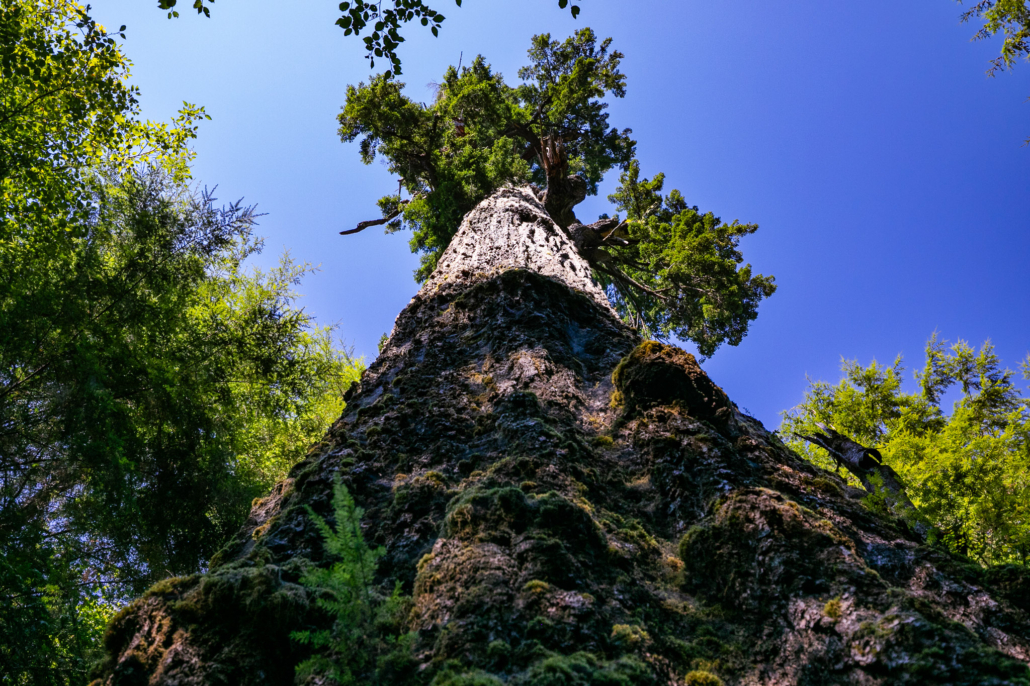
UPDATED: Port Renfrew Big Trees Map
Explore the updated Port Renfrew Big Trees Map with new directions, trails, and routes to iconic giants like Big Lonely Doug, Eden Grove, and more.
https://staging.ancientforestalliance.org/wp-content/uploads/2025/05/13-Red-Creek-Fir.jpg
1365
2048
TJ Watt
https://staging.ancientforestalliance.org/wp-content/uploads/2026/05/Ancient-Forest-Alliance-logo.svg
TJ Watt2026-05-29 15:39:342026-05-29 15:40:49UPDATED: Port Renfrew Big Trees Map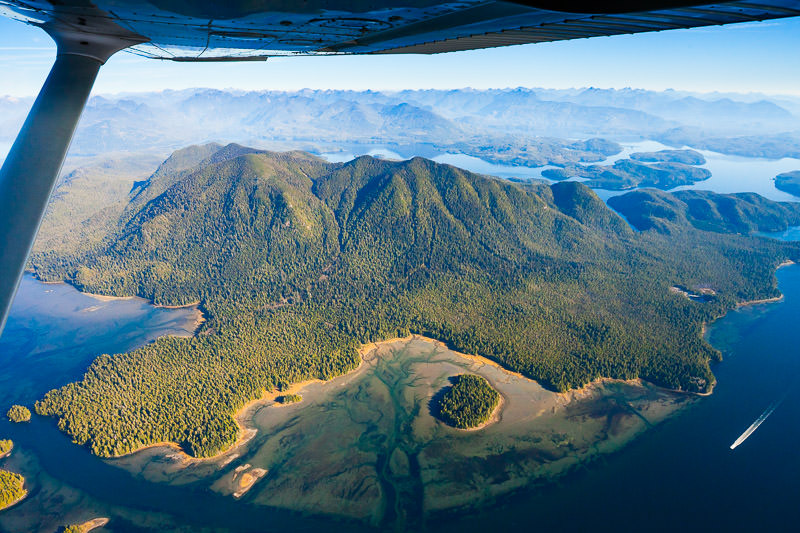
NEW! West Coast Old-Growth Hiking Guide
Explore AFA’s NEW West Coast old-growth hiking guide. From Clayoquot Sound to Port Alberni, there are trails for every skill level!
https://staging.ancientforestalliance.org/wp-content/uploads/2026/05/meares-island-big-tree-trail-tofino-1200px-338.jpg
533
800
TJ Watt
https://staging.ancientforestalliance.org/wp-content/uploads/2026/05/Ancient-Forest-Alliance-logo.svg
TJ Watt2026-05-29 12:06:002026-05-29 15:42:38NEW! West Coast Old-Growth Hiking Guide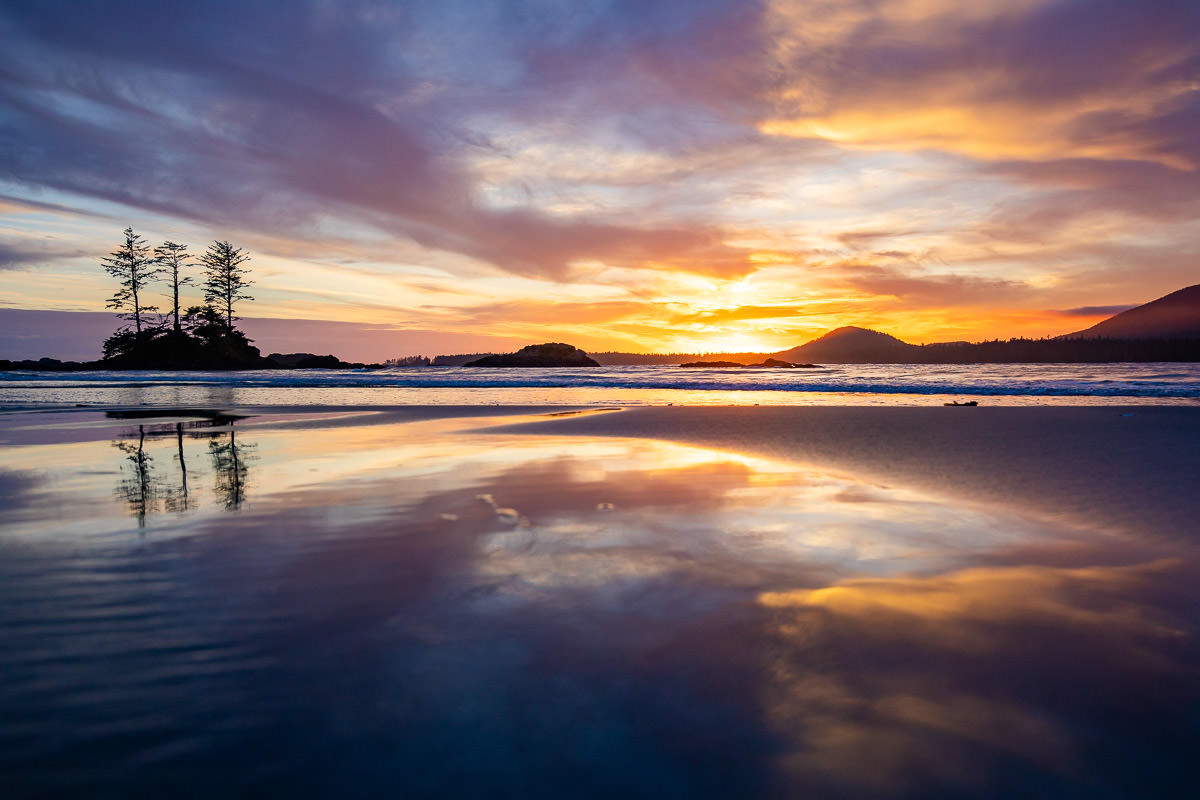
Now Hiring: Contract Graphic Designer!
Ancient Forest Alliance is hiring a contract Graphic Designer to help bring our campaigns to life through print and digital materials.
https://staging.ancientforestalliance.org/wp-content/uploads/2026/05/flores-island-wildside-trail-1200px-430.jpg
800
1200
TJ Watt
https://staging.ancientforestalliance.org/wp-content/uploads/2026/05/Ancient-Forest-Alliance-logo.svg
TJ Watt2026-05-22 12:22:292026-05-22 12:22:29Now Hiring: Contract Graphic Designer!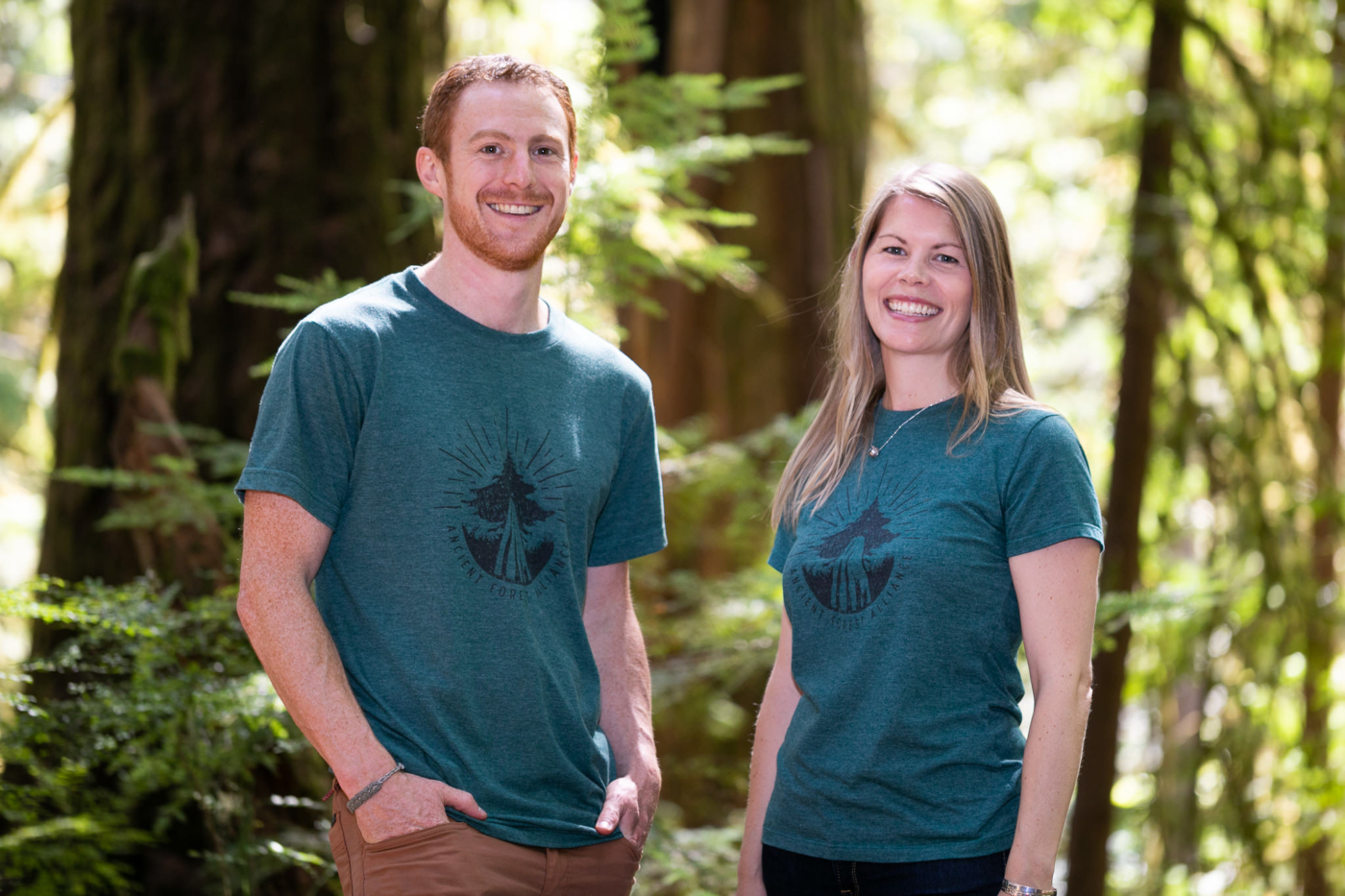
Design AFA’s Next T-Shirt and Help Protect Old-Growth Forests!
Calling all artists! For Earth Month, AFA is launching our first-ever Community T-Shirt Design Contest.
https://staging.ancientforestalliance.org/wp-content/uploads/2026/04/AFA-T-Shirt-Green-Mens-Womens.jpg
1365
2048
TJ Watt
https://staging.ancientforestalliance.org/wp-content/uploads/2026/05/Ancient-Forest-Alliance-logo.svg
TJ Watt2026-05-15 08:13:232026-05-19 09:33:44Design AFA’s Next T-Shirt and Help Protect Old-Growth Forests! Donate
 Send a Message
Banana Slugs
/in Creature Feature, EducationalBC’s coastal rainforests are famously home to giant organisms. But beyond the big trees, these forests also produce giant slugs! The banana slug is the second largest slug on earth, being able to reach 9 inches (23 cm) in length. These charismatic, often bright yellow creatures are signature members of the rainforest community.
Banana slugs are enthusiastic omnivores that feed on plants, detritus, and carrion, but they seem to have a special fondness for mushrooms. Feeding is done through their specialized rasp-like tongue called a radula. This tongue is equipped with over 20,000 ‘teeth’ that the slugs use to shred their food. If mushrooms have nightmares, they’re probably of tooth-studded tongues!
Another secret to the banana slug’s success is its slime, which is hydrophilic and able to absorb 100 times its weight in water, keeping the slug moist. The slime also provides the animal with locomotion, adhesion, and protection.
The slime is neither solid nor liquid, but a strange substance known as a liquid crystal, in which the molecules are fluid but structured. The slime is, paradoxically, both an adhesive (allowing the slug to stick to things) and a lubricant, allowing the slug to slide without resistance. Thanks to slime, a slug can even travel across a razor blade without injury.
Finally, the slime provides protection, as it contains a paralytic toxin. Any human foolish to give a slug a big lick will find their tongue and lips go numb. Clever raccoons will roll the slugs in dirt in order to bind up and remove the slime before these little bandits dine on banana-escargot.
Scouler’s Corydalis
/in EducationalBeautiful and extremely rare in Canada, the Scouler’s corydalis is found only on southwest Vancouver Island around the Nitinat, Carmanah, and Klanawa valleys in Ditidaht and Huu-ay-aht territories. With delicate pink-purple flowers and bright feathery leaves that look like stylized green flames when first emerging, this relative of the bleeding-heart flourishes in the rich soils along the banks of the rivers as well as disturbed areas.
Scouler’s corydalis has some interesting strategies for distributing its seeds. When jarred, the elastic seedpods will hurl the seeds up to 2 metres away from the parent. Fascinatingly, the seeds of the corydalis are sheathed in a lipid-rich layer (called an eliaosome) that contain proteins, sugar, and vitamins, which is not believed to be for feeding the baby plant, but for ants!
Ants are thought to harvest these seeds and take them back to their nests, where they strip off the fatty, nutritious coating to feed to their offspring and toss the seed onto their rubbish heap. This nutrient-rich substrate provides the infant seed with ideal growing conditions and the new colony of corydalis gets a headstart in the ant colony’s waste management site. That same seed coating that is so delectable for ants is believed to taste repulsive to deer mice, a handy way to deter these rodents which might otherwise eat the seeds.
Scouler’s corydalis is provincially blue-listed with only 24 known occurrences in Canada. Not only are they rare, they’re also ephemeral, with the plant dying back in the summer after seeding. The beauty of this unusual plant is present for only a few short months in spring, one of the countless wonders of our incredible coastal rainforest. If you see it, savour the experience!
False Hellebore
/in EducationalOne of the most violently poisonous plants of the coastal rainforest is false hellebore (also known as Indian hellebore). This tall but unassuming plant grows in wet areas and is lethal if consumed. Even drinking water from where it grows has been known to cause stomach cramps.
In Chinook jargon, the historical trade language of the west coast, this plant was referred to as ‘skookum’ root, with ‘skookum’ meaning powerful or brave. Despite its toxic nature, this plant has enormous medicinal value for First Nations cultures, though practitioners would have to be extremely careful about consumption — something we do NOT recommend.