UPDATED: Port Renfrew Big Trees Map
Explore the updated Port Renfrew Big Trees Map with new directions, trails, and routes to iconic giants like Big Lonely Doug, Eden Grove, and more.
https://staging.ancientforestalliance.org/wp-content/uploads/2025/05/13-Red-Creek-Fir.jpg
1365
2048
TJ Watt
https://staging.ancientforestalliance.org/wp-content/uploads/2026/05/Ancient-Forest-Alliance-logo.svg
TJ Watt2026-05-29 15:39:342026-05-29 15:40:49UPDATED: Port Renfrew Big Trees Map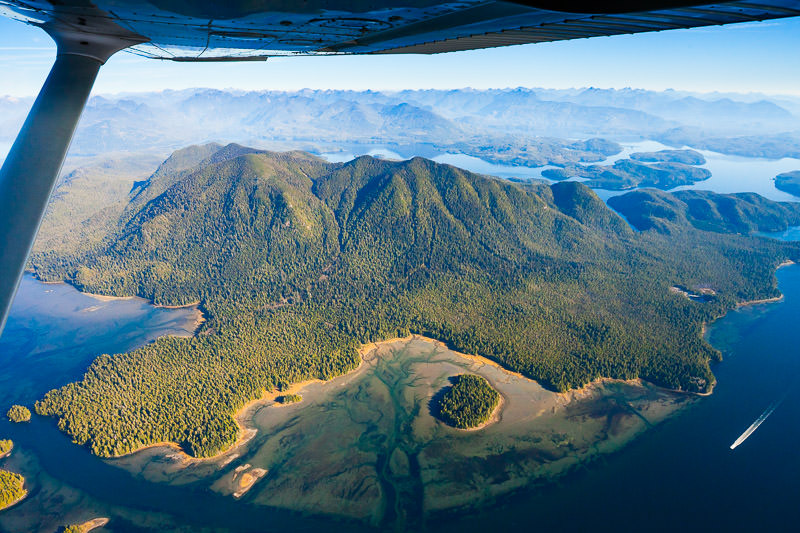
NEW! West Coast Old-Growth Hiking Guide
Explore AFA’s NEW West Coast old-growth hiking guide. From Clayoquot Sound to Port Alberni, there are trails for every skill level!
https://staging.ancientforestalliance.org/wp-content/uploads/2026/05/meares-island-big-tree-trail-tofino-1200px-338.jpg
533
800
TJ Watt
https://staging.ancientforestalliance.org/wp-content/uploads/2026/05/Ancient-Forest-Alliance-logo.svg
TJ Watt2026-05-29 12:06:002026-05-29 15:42:38NEW! West Coast Old-Growth Hiking Guide
Now Hiring: Contract Graphic Designer!
Ancient Forest Alliance is hiring a contract Graphic Designer to help bring our campaigns to life through print and digital materials.
https://staging.ancientforestalliance.org/wp-content/uploads/2026/05/flores-island-wildside-trail-1200px-430.jpg
800
1200
TJ Watt
https://staging.ancientforestalliance.org/wp-content/uploads/2026/05/Ancient-Forest-Alliance-logo.svg
TJ Watt2026-05-22 12:22:292026-05-22 12:22:29Now Hiring: Contract Graphic Designer!
Design AFA’s Next T-Shirt and Help Protect Old-Growth Forests!
Calling all artists! For Earth Month, AFA is launching our first-ever Community T-Shirt Design Contest.
https://staging.ancientforestalliance.org/wp-content/uploads/2026/04/AFA-T-Shirt-Green-Mens-Womens.jpg
1365
2048
TJ Watt
https://staging.ancientforestalliance.org/wp-content/uploads/2026/05/Ancient-Forest-Alliance-logo.svg
TJ Watt2026-05-15 08:13:232026-05-19 09:33:44Design AFA’s Next T-Shirt and Help Protect Old-Growth Forests! Donate
 Send a Message
Existence of massive, ‘mind-blowing’ old-growth tree revealed in Clayoquot Sound
/in News CoverageJuly 27, 2023
The National Observer
By Clayton Keim
An enormous old-growth cedar tree has been identified in Vancouver Island’s Clayoquot Sound, possibly dating back over a millennium.
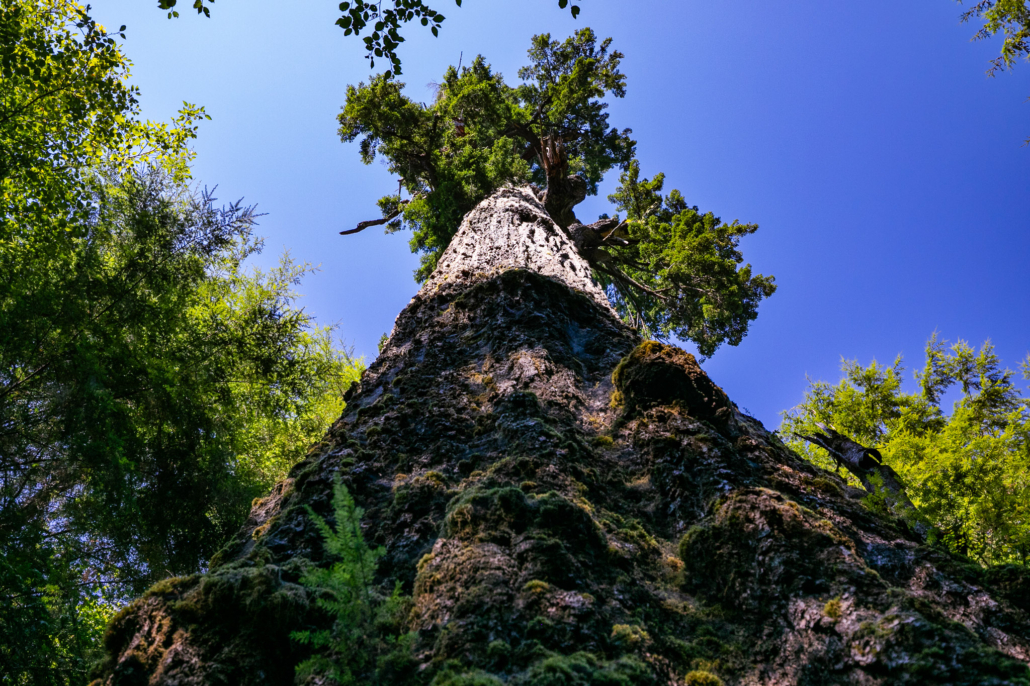
The western redcedar reaches a towering height of 46 metres and stands five metres wide at its base.
It is currently the sixth largest redcedar in Canada, according to the BC Big Tree Registry. TJ Watt, a photographer with the Ancient Forest Alliance, was awed when he initially encountered the tree. “It was absolutely mind-blowing.
“It didn’t even look like a tree at first from a distance; it looks more like a rock wall,” he said. “It really defies words, and it stands in a class of its own.”
The Ahousaht Nation, whose territory encompasses many old-growth forests including those on Clayoquot Sound, has been aware of the tree for some time. The decision to highlight its existence was made, in part, to promote the protection of old-growth trees across B.C. “We need to do more to protect these types of forests because there are fewer and fewer left,” said Tyson Atleo, hereditary representative for the Ahousaht Nation.
“We know that we are causing significant destruction of old-growth rainforests that we are really collectively dependent on as a species for the biodiversity that they uphold, as well as for carbon sequestration.”
Many comparable old-growth cedars in B.C. are widest at the base, gradually tapering off as they grow larger. Watt was shocked when this tree inverted the structure of comparable trees. “The trunk expands ever wider as it goes up into this sprawling, fortress-like canopy,” he said, going on to describe it as “the most impressive tree in Canada given its size.”
Cedar trees hold a unique significance to the Ahousaht Nation due to their versatility and abundance; they are used for housing, cooking and transportation. Bark that is stripped and soaked in water becomes soft and pliable, and is used for clothing.
“Cedar is really the tree of life to our people, as it provides us with the materials to live a healthy and happy life in this region,” said Atleo.
Research into old-growth forests has applications for both medicine and ecological conservation. “The canopy of this tree is filled with various types of epiphytes [moss, ferns and lichens], other trees, moss maps and canopy soils,” explained Watt. “Undoubtedly, there are new species to be found suspended up above the forest floor.” For those discoveries to take place, however, old-growth forests must be protected.
Conservation groups are calling for the B.C. government to recognize the importance of arboreal protection. “If they skirt around the forests that are most at risk and only protect those that were not truly at risk of logging to begin with, then it won’t be doing justice to these forests,” Watt said.
Read the original article here.
See VIDEO of Canada’s Most Impressive Tree!
/in VideoThis is huge — literally! We’re thrilled to share a video of what may very well be Canada’s most impressive tree. This gargantuan redcedar measures over 17 ft (5 m) wide near its base and 151 ft (46 m) tall. However, unlike most other trees, its trunk gets wider going upwards, culminating in a sprawling fortress-like crown of wooden spires akin to a massive wooden wall of an ancient castle.
This giant could possibly have the largest or near largest timber volume of any tree in Canada for about the first 50 feet of its trunk — the part you see and experience from the ground. This would make it, experientially, perhaps the most impressive tree in Canada, despite other cedars being taller or ranking higher overall.
It grows in a remote region of Flores Island in Ahousaht territory in Clayoquot Sound, BC, and has so far garnered the nickname ‘The Wall’, or ‘ʔiiḥaq ḥumiis’, meaning ‘big redcedar’ in the Nuu-chah-nulth language. The exact location has been asked to be kept private at this time.
AFA Photographer & Campaigner TJ Watt first located and photographed the tree in 2022 with his friend Nathaniel Glickman before returning in the spring of 2023 with Tyson Atleo, Hereditary Representative of the Ahousaht Nation and the Natural Climate Solutions Program Director of Nature United, and members of the Maaqutusiis Hahoutlhee Stewardship Society (MHSS).
Thankfully, the incredible Land Use Vision from the Ahousaht Nation, currently in the late stages of negotiations with the BC government, calls for the protection of 80% of Ahousaht territory, including the ancient forest where this tree is found. This would happen through the creation of new Indigenous Protected and Conserved Areas (IPCAs) to be legislated as Provincial Conservancies by the province.
The BC government must fully fund and support Indigenous-led protection of old-growth across BC, including in the remaining monumental old-growth stands and those identified as most at risk by the province’s science panel, the Technical Advisory Panel.
AFA commends the Ahousaht Nation for continuing to be such incredible stewards of their lands, which thankfully still harbour some of the most magnificent ancient forests, trees, and wildlife on Earth.
When visiting Ahousaht territory, visitors are encouraged to participate in their voluntary Stewardship Fee. Revenues from the Stewardship Fee directly fund the MHSS Stewardship Guardian Program which works on restoration, monitoring, infrastructure maintenance, and visitor engagement for the Ahousaht. Stewardship Fees can be paid online or at their office at 9-368 Main Street in Tofino. Also be sure to check out Ahous Adventures.
Thank you to the Trebek Initiative for helping make this expedition work possible.
▶️ Read our full media release here!
? Take a look at our photo gallery here!
? And don’t forget to SPEAK UP! Send-a-Message calling on the province to commit funding and set ecosystem-based targets for protecting the last monumental old-growth forests across BC.
Canada’s Most Impressive Tree Located by Conservationists in Clayoquot Sound, BC
/in Media ReleaseFor Immediate Release
July 26, 2023
Conservationists on Vancouver Island with the Ancient Forest Alliance (AFA) have identified what may very well be Canada’s most impressive tree in a remote location in Ahousaht First Nation territory near Tofino in Clayoquot Sound. While the gargantuan ancient western redcedar tree, located by AFA Photographer and Campaigner TJ Watt on Flores Island, measures over 17 feet (5 metres) wide near its base, its trunk gets even wider going upwards over dozens of meters — as opposed to tapering like virtually all other trees. The widening trunk eventually becomes a sprawling, fortress-like crown of wooden spires, creating a most impressive spectacle akin to a massive wooden wall of an ancient castle. The tree stands 151 feet (46 metres) tall and is almost certainly well over a thousand years old given its size.
See incredible video footage here.
See the full photo gallery here.
This giant could very well have the largest or near largest wood volume of any tree in Canada for about the first 50 feet of its trunk – the part you see and experience from the ground (since humans don’t fly or swing through the canopies at the tops of trees). This means that, experientially, it’s perhaps the most impressive tree in Canada, despite other cedars being taller or ranking higher based on the American Forestry Association points system (based on a tree’s height, diameter at breast height at 1.37 meters, and crown spread).
Ancient Forest Alliance photographer TJ Watt beside the gargantuan redcedar on the day he first came across it.
“After nearly two decades of photographing, exploring, and searching for big trees in old-growth forests across BC, no tree has blown me away more than this one,” stated Ancient Forest Alliance Photographer & Campaigner TJ Watt, who first located and photographed the tree while exploring with his friend Nathaniel Glickman. “It’s a literal wall of wood. Your brain can’t compute the scale when you stand below it. The first time I arrived, from a distance I thought it had to be two trees because of how wide the trunk and limbs are. It defies words. As an avid big tree hunter, it’s a highlight of my life to find something as spectacular as this.”
The record-sized tree has so far garnered the nickname ‘The Wall’, or ‘ʔiiḥaq ḥumiis’, meaning ‘big redcedar’ in the Nuu-chah-nulth language. It grows on unprotected Crown/public lands in the unceded territory of the Ahousaht First Nation, who have asked to keep the exact location of the tree private at this time. No logging plans exist for the area and thankfully, the Ahousaht First Nation’s Land Use Vision, currently in the late stages of negotiations with the BC government, includes the protection of the forest where this tree is found. Their Land Use Vision calls for the protection of 80% of Ahousaht territory through the creation of new Indigenous Protected and Conserved Areas (IPCAs), encompassing most of the old-growth forests in their territory, to be legislated as Provincial Conservancies by the province. Watt re-visited the giant tree in spring with members of the Ahousaht Nation and Stewardship Guardian Program, the Maaqutusiis Hahoutlhee Stewardship Society (MHSS).
“Old-growth forests with their monumental redcedar trees have been of great cultural importance for the Ahousaht Nation since time immemorial,” stated Tyson Atleo, a Hereditary Representative of the Ahousaht Nation and the Natural Climate Solutions Program Director of Nature United. “A tree as large and ancient as this supports an incredible web of life both above and below ground while also storing huge amounts of carbon. Large, intact old-growth ecosystems are critical in combating the global biodiversity and climate crisis, and the Ahousaht Nation’s Land Use Vision will ensure they remain standing for generations to come.”
According to the BC Big Tree Registry, the tree would currently rank as the 6th largest known redcedar in the country. That it doesn’t rank at the top is in large part due to the limitations in how a tree’s overall score is calculated using a formula that factors in the diameter at breast height (1.37 meters from the ground), height, and average crown spread. This method is fairly effective for depicting the size of trees that have a typical cone shape. However, since this tree gets wider as it goes up, it harbours an incredible volume of wood that’s difficult to calculate. If one was able to factor in the tree’s full scale, it would likely rank right near the top of the list.
“Having visited most of the top 10 old-growth redcedar trees on record in Canada, including the Cheewhat Giant near Nitinat Lake that currently ranks as the largest cedar on Earth, to me, this one still feels the most impressive in person,” adds Watt. “That this unique tree is not the grandest tree in Canada is largely an artifact of the methodology used to measure trees under the points system of the American Forestry Association. Its towering presence is all-encompassing. Of the few people who’ve come to see it with me since, more than one thought that they were approaching not a tree but a rock wall. It goes to show that some of the most spectacular living organisms on all of Planet Earth grow right here in BC, and the provincial government should be fully funding and supporting the Indigenous-led protection of old-growth forests, including the remaining monumental old-growth stands.”
Ancient Forest Alliance photographer TJ Watt and Ahousaht Hereditary Representative Tyson Atleo stand beside an ancient western redcedar tree thought to be the most impressive tree in Canada.
The BC government is currently developing a number of different policies and initiatives that have the potential to vastly expand the protection of old-growth forests across BC if done right, including creating a new conservation financing fund by early fall to help protect old-growth forests through the creation of Indigenous Protected and Conserved Areas (IPCAs). This funding, if directed wisely, will help to supplant the lost revenues and jobs for First Nations communities from forgoing old-growth logging opportunities through the creation of economic alternatives such as eco-tourism, sustainable aquaculture, non-timber forest products, renewable energy, and sustainable, value-added second-growth forestry. It should also provide the funding needed by First Nations for guardian and stewardship programs.
Conservation financing has already played a pivotal role in helping the Ahousaht Nation propose protection for the majority of the old-growth in their territory while supporting the creation of new sustainable business opportunities such as Ahous Adventures, an Ahousaht-owned and operated eco-cultural tour company in Tofino.
Tyson Atleo, Ahousaht Nation.
“We encourage those who are interested in learning more about Ahousaht culture and viewing the incredible natural beauty found in our territory to take a trip with Ahous Adventures next time they’re in Tofino,” notes Atleo. “Supporting conservation-based economies is integral to protecting old-growth ecosystems while still providing good jobs for members of our community that connect them with the land. We hope our story can be an example for other Indigenous communities who might be considering how to leave old-growth forests standing while building a more prosperous, sustainable economy.”
When visiting Ahousaht territory, visitors are encouraged to participate in their voluntary Stewardship Fee. Revenues from the Stewardship Fee directly fund the MHSS Stewardship Guardian Program which works on restoration, monitoring, infrastructure maintenance, and visitor engagement for the Ahousaht. Stewardship Fees can be paid online or at their office at 9-368 Main Street in Tofino.
“I extend my gratitude to the Ahousaht Nation for continuing to be amazing stewards of their lands in Clayoquot Sound, which harbour some of the most magnificent ancient forests, trees, and wildlife on Earth,” notes Watt. “Across BC, over a century of industrial logging has vastly decimated the productive old-growth forests with the giants like this one. Only a tiny, tiny fraction of the grandest temperate rainforest stands remain today. The BC government has a chance and an obligation to support First Nations communities to both protect these ecosystems while funding sustainable economic development alternatives. Creating conservation economies that allow new, sustainable jobs and businesses to flourish while preserving imperiled ecosystems is a win-win for humans and nature.”
The photos and exploration for this project were made possible in part by support from the Trebek Initiative, a grantmaking partnership between the National Geographic Society and the Royal Canadian Geographical Society that supports emerging Canadian explorers, scientists, photographers, geographers, and educators with a goal of using storytelling to ignite “a passion to preserve” in all Canadians. Watt was among the first round of grant recipients in 2021 and was named a National Geographic Explorer and Royal Canadian Geographical Society Explorer.
Aerial view over the ancient forests of Flores Island in Ahousaht territory in Clayoqout Sound, BC.
Background Info on Endangered Old-Growth Forests in BC
Old-growth forests have unique characteristics not found in the ensuing second-growth tree plantations that they are being replaced with and which are re-logged every 50 to 60 years on BC’s coast – never to become old-growth again. Old-growth forests are vital to support endangered species, the multi-billion dollar tourism industry, carbon storage, clean water, wild salmon, and First Nations cultures. Well over 90% of the high-productivity old-growth forests with the biggest trees and over 80% of the medium-productivity old-growth forests have been logged in BC.