UPDATED: Port Renfrew Big Trees Map
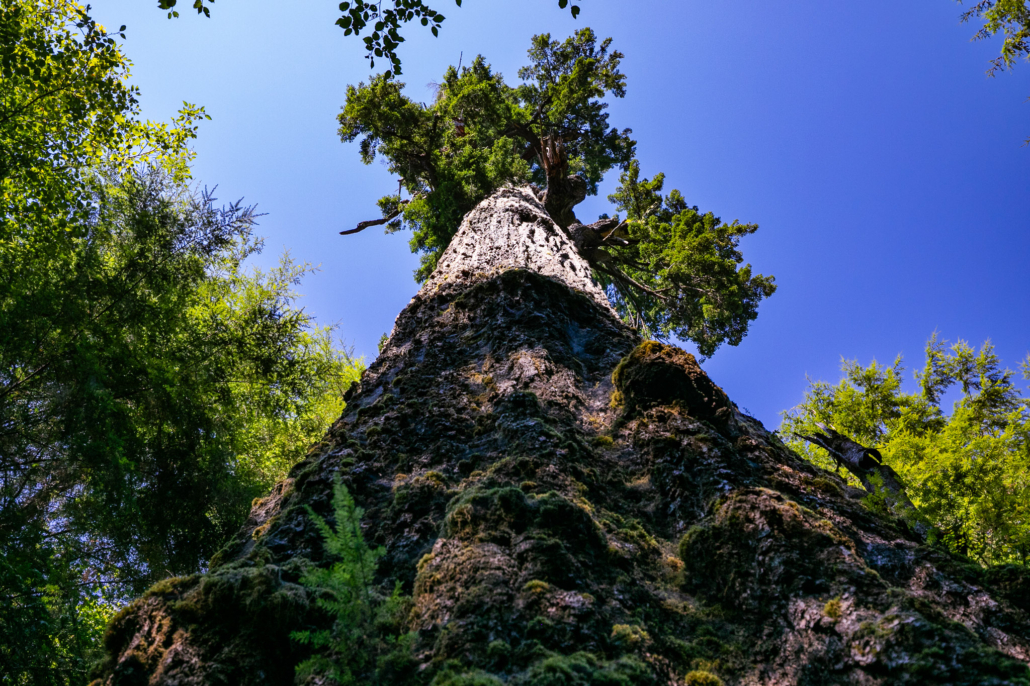
Explore the updated Port Renfrew Big Trees Map with new directions, trails, and routes to iconic giants like Big Lonely Doug, Eden Grove, and more.
https://staging.ancientforestalliance.org/wp-content/uploads/2025/05/13-Red-Creek-Fir.jpg
1365
2048
TJ Watt
https://staging.ancientforestalliance.org/wp-content/uploads/2026/05/Ancient-Forest-Alliance-logo.svg
TJ Watt2026-05-29 15:39:342026-05-29 15:40:49UPDATED: Port Renfrew Big Trees Map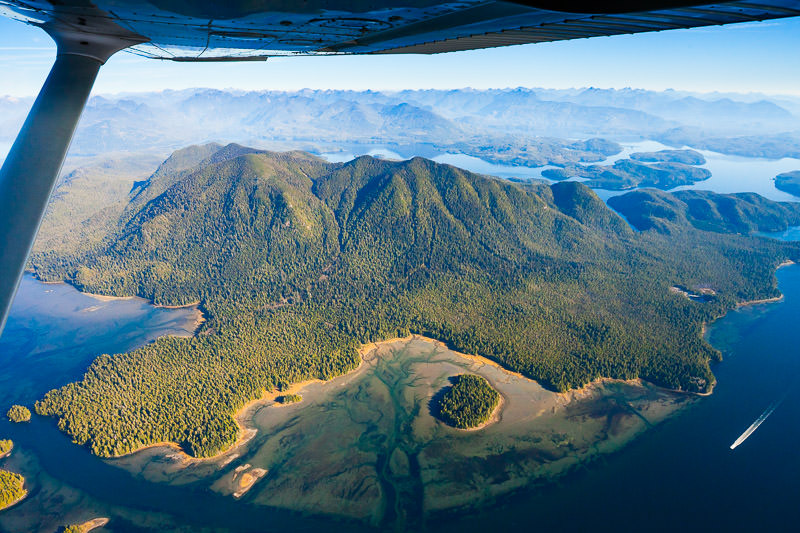
NEW! West Coast Old-Growth Hiking Guide
Explore AFA’s NEW West Coast old-growth hiking guide. From Clayoquot Sound to Port Alberni, there are trails for every skill level!
https://staging.ancientforestalliance.org/wp-content/uploads/2026/05/meares-island-big-tree-trail-tofino-1200px-338.jpg
533
800
TJ Watt
https://staging.ancientforestalliance.org/wp-content/uploads/2026/05/Ancient-Forest-Alliance-logo.svg
TJ Watt2026-05-29 12:06:002026-05-29 15:42:38NEW! West Coast Old-Growth Hiking Guide
Now Hiring: Contract Graphic Designer!
Ancient Forest Alliance is hiring a contract Graphic Designer to help bring our campaigns to life through print and digital materials.
https://staging.ancientforestalliance.org/wp-content/uploads/2026/05/flores-island-wildside-trail-1200px-430.jpg
800
1200
TJ Watt
https://staging.ancientforestalliance.org/wp-content/uploads/2026/05/Ancient-Forest-Alliance-logo.svg
TJ Watt2026-05-22 12:22:292026-05-22 12:22:29Now Hiring: Contract Graphic Designer!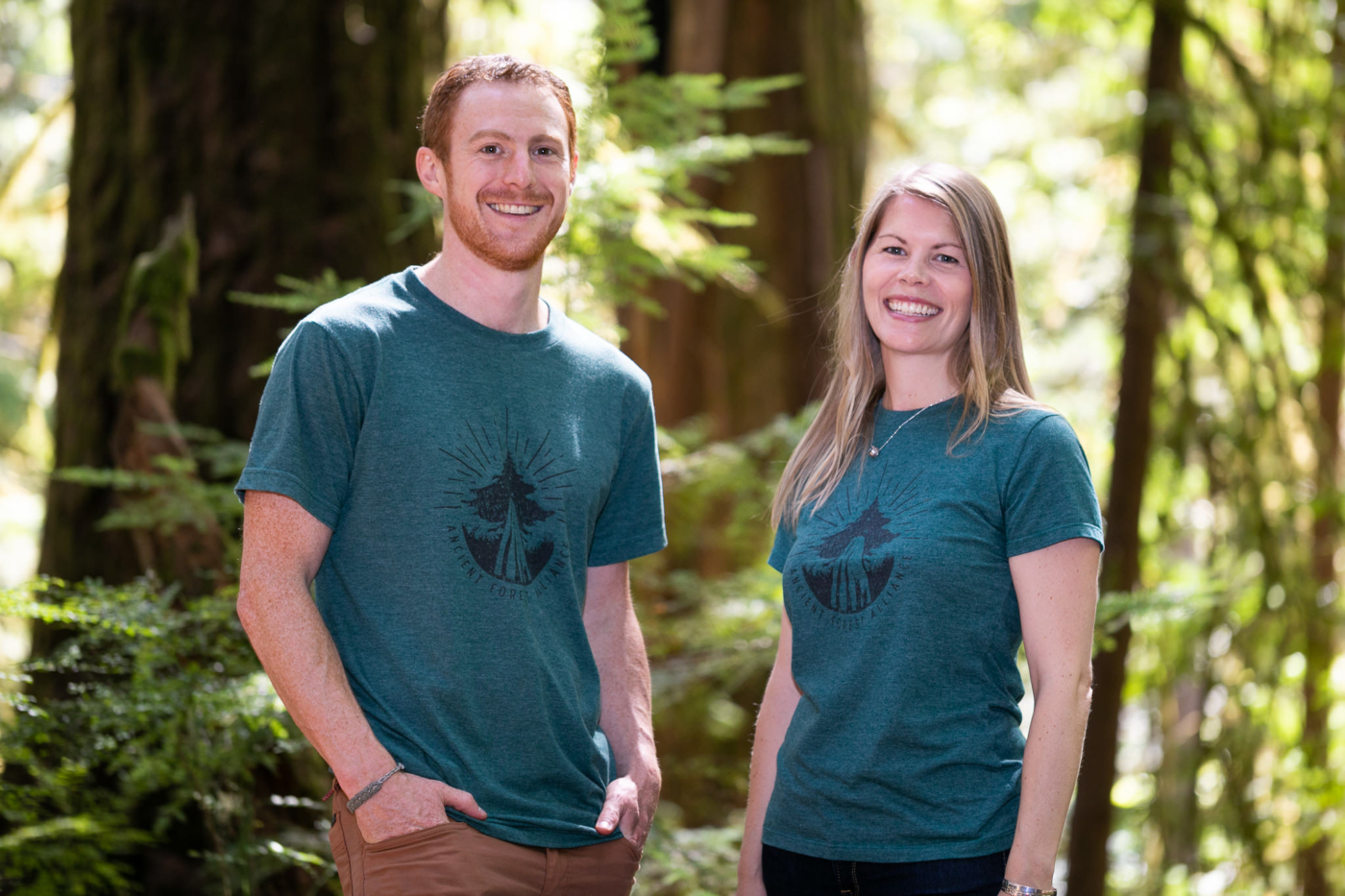
Design AFA’s Next T-Shirt and Help Protect Old-Growth Forests!
Calling all artists! For Earth Month, AFA is launching our first-ever Community T-Shirt Design Contest.
https://staging.ancientforestalliance.org/wp-content/uploads/2026/04/AFA-T-Shirt-Green-Mens-Womens.jpg
1365
2048
TJ Watt
https://staging.ancientforestalliance.org/wp-content/uploads/2026/05/Ancient-Forest-Alliance-logo.svg
TJ Watt2026-05-15 08:13:232026-05-19 09:33:44Design AFA’s Next T-Shirt and Help Protect Old-Growth Forests! Donate
 Send a Message
‘Potential paradigm shift’: Activists are hopeful for BC’s new environmental protections
/in News CoverageNovember 15, 2023
Victoria Buzz
By Curtis Blandy
See the original article.
BC’s government is trying to implement further steps to protect and preserve the province’s at-risk environment through a new biodiversity and ecosystem health framework (BEHF).
Right now the BEHF is just a draft proposal, but Nathan Cullen, the Minister of Water, Land and Resource Stewardship, is hopeful that it will become legislation and allow for the preservation of BC’s well-known natural landscapes.
“People in BC share a deep connection to nature, from our ancient forests and diverse wildlife, to our coastal waters and mountain ranges,” said Cullen.
“Together, we are charting the next steps for conserving BC’s rich biodiversity and healthy ecosystems that support us all.”
Earlier this month the Province announced it was aiming to protect 30% of BC’s old-growth forests to align with and honour the commitments they made based on the recommendations from the Old Growth Strategic Review.
Although the BEHF is vague in its current stages, conservation activists are applauding the government’s steps towards preservation and protection of BC’s old-growth.
However, these groups warn that “the devil will be in the details.”
“If this framework results in science-based targets to protect the full diversity of ecosystems in BC, including factoring in ‘forest productivity distinctions’ to protect the classic old-growth stands that spawned the ‘War in the Woods,’ then it would up-end the traditional conservation model in BC and across much of the world which seeks to minimize impacts of conservation on industry,” said Ken Wu, Executive Director of the Endangered Ecosystems Alliance.
“In BC the dominant paradigm has long focused on minimizing the impacts of conservation on the available timber supply for logging, thus emphasizing the protection of alpine, subalpine, far north, and bog landscapes with low to no timber values.”
They say that it will take ecosystem-based targets for the BEHF to be effective.
“Without ecosystem-based targets, it’s like sending in a fire brigade to hose down the non-burning homes, while those on fire are largely ignored,” Wu added.
The Endangered Ecosystems Alliance and the Ancient Forest Alliance both say they would like to see the government approach this endeavour with integrity and adequate funding.
See the original article here.
Roosevelt Elk
/in Creature Feature, EducationalAutumn is the season of romance for the magnificent Roosevelt elk of the coastal rainforest. Males “bugle” for females, and, wielding their massive antlers (which can host six or more pointed tines branching out from the main beam), contend with each other for access to mates. The Roosevelt elk is Vancouver Island’s largest and most charismatic land mammal, weighing up to 1100 lbs/500 kg! Both sexes of elk are easily distinguishable from other ungulates by a thick dark brown mane on their head and neck and beige body and rump. These large mammals are an important food source for wolves, cougars, and many First Nations people.
, Roosevelt elk spend winters browsing for woody plants such as devil’s club and elderberry along the banks of rivers in rich, valley-bottom forests. With their abundant shrubs and huge trees that block out the falling snow, old-growth forests provide Roosevelt elk with critical habitat, especially in the harsh winter months.
It is fitting that Vancouver Island’s largest land animal is drawn to the habitats that produce BC’s biggest trees: the nutrient-rich floodplains of coastal rivers. The sight of a herd of elk browsing in an old-growth riparian forest full of towering Sitka spruce and ancient moss-draped maples is the pinnacle of rainforest beauty and majesty: charismatic megafauna combined with charismatic megaflora!
With only around 3,000 Roosevelt elk on the island, they are considered a species of special concern by the province. The number one constraint on their population is the destruction of their old-growth wintering habitat, making the protection of our richest-valley bottom ancient forests an essential step in ensuring these magnificent creatures continue to roam our forests for generations to come.
BC Opens the Door for a Potential Paradigm Shift in Conservation
/in Media ReleaseFor Immediate Release
November 15, 2023
BC Opens the Door for a Potential Paradigm Shift in Conservation: Prioritizing Saving the Most Endangered Ecosystems via Ecosystem-Based Targets.
If done right, conservationists say the Biodiversity and Ecosystem Health Framework (BEHF) could ensure a major paradigm shift to safeguard the most endangered and least protected ecosystems, such as big-treed old-growth forests (“high productivity” old-growth forests with the classic forest giants) and diverse valley bottom and low elevation ecosystems — rather than the status quo of primarily protecting areas of low timber values. Conservationists commend the vision in the draft framework for being a potentially revolutionary game-changer in conservation, but the devil will be in the details when the framework is completed in the spring.
The Endangered Ecosystems Alliance (EEA) and Ancient Forest Alliance (AFA) are commending the BC government for developing a draft policy framework that intends to guide all new protection, conservation, and land-use activities in BC to ensure ecosystem integrity.
“We commend Premier David Eby and Minister Nathan Cullen for launching this potentially revolutionary game-changer in conservation, falling on the heels of their $1 billion-plus funding agreements to expand protected areas, announced earlier this month,” stated Ken Wu, Endangered Ecosystems Alliance executive director. “If this framework results in science-based targets to protect the full diversity of ecosystems in BC, including factoring in ‘forest productivity distinctions’ to protect the classic old-growth stands that spawned the ‘War in the Woods’, then it would up-end the traditional conservation model in BC and across much of the world which seeks to minimize impacts of conservation on industry. In BC, the dominant paradigm has long focused on minimizing the impacts of conservation on the available timber supply for logging, thus emphasizing the protection of alpine, subalpine, far north, and bog landscapes with low to no timber values. Ecosystem-based targets mean that you aim protected areas establishment towards the most endangered and least protected ecosystems. Without ecosystem-based targets, it’s like sending in a fire brigade to hose down the non-burning homes, while those on fire are largely ignored. Or a surgeon who makes no distinction between organs, and simply has a target in kilograms to remove. While much greater specificity is still needed as the BEHF moves toward policy and legislation, so far the province is largely signaling the right approach — and British Columbians will need to keep speaking up to make sure this policy lands right and is not a squandered opportunity.”
In BC, typically the ecosystems least coveted by industry are the most protected, in particular those with low to no timber values, such as alpine, subalpine, far north, and bog landscapes. These are native ecosystems that deserve protection. However, to immediately tackle the urgent extinction and climate crises, a far greater emphasis needs to be placed on saving those ecosystems most at risk and coveted for development by resource industries (particularly logging in BC). These at-risk ecosystems (with the big, valuable timber) tend to be more concentrated at lower elevations in southern BC.
“This document represents a potentially profound and necessary change in BC’s approach to nature conservation,” stated TJ Watt, campaigner and photographer with the Ancient Forest Alliance. “For over a century in BC, the government has prioritized industrial extraction at the expense of ecosystems. Finally, we are seeing that focus change. This transformation cannot come soon enough as many of our richest and most biodiverse ecosystems have been pushed right to the brink. The framework, however, must adhere to the centrality of legislated protected areas as foundational to prioritizing ecosystem-based health. Overemphasis on developing ever more stringent methods to practice industrial extraction in threatened ecosystems instead of identifying the areas most in need of full protection will continue to see the erosion of BC’s irreplaceable ecosystems. As this framework is further defined, we will need to see ecosystem protection targets focussed on the most biodiverse and threatened ecosystems such as productive old-growth forests. Without ecosystem-based protection targets to safeguard areas from industrial extraction, we will continue to see these ecosystems further chipped away at and degraded.”
Ancient Forest Alliance photographer & campaigner, TJ Watt, beside an enormous old-growth Sitka spruce growing unprotected west of Lake Cowichan in Ditidaht territory.
Key tenets of this agreement include a commitment to the creation of a “Provincial Biodiversity Officer” who would have responsibility for implementing the intentions of the framework, the development of updated guidance for the management of specific ecosystems, the acknowledgment of the need for protection of the most threatened ecosystems, and the acknowledgment of the need to maintain the natural range of variation in native ecosystems. Each of these represents key policy commitments that the EEA and AFA have advocated for and are critical tenets of ensuring a true paradigm shift in the management and protection of ecosystems in BC, particularly if targets include forest productivity distinctions (likely the largest uphill battle at this point). Despite these extremely positive signals, conservationists are cautioning that this framework must also recognize the critical role of legislated protected areas for at-risk ecosystems, not merely updated standards for exploitation.
To be an effective framework, the Biodiversity and Ecosystem Health Framework (BEHF) must include the following components:
“The province under Premier David Eby’s leadership and the federal government has provided half of the equation to protect ecosystems on a major scale in BC — the major funding to fuel protected areas expansion by supporting First Nations conservation initiatives. We have just heard from First Nations we’re working with to establish Indigenous Protected and Conserved Areas (IPCAs) that those funds are already being committed to move their old-growth protected areas initiatives along, which is excellent. Now the other vital half of the equation: to aim protected areas establishment towards the most endangered ecosystems. Premier Eby and Minister Cullen, with their new draft BEHF, are signaling that the province may very well be headed there. To make it simple, this whole thing must scale up the protection of the most endangered and least represented ecosystems in BC. If it doesn’t do that, it’s a flop. Let’s see where this goes and keep speaking up to make it happen,” stated Wu.
See a new EEA video series from a week ago on the status of BC old-growth and protected areas policies here.