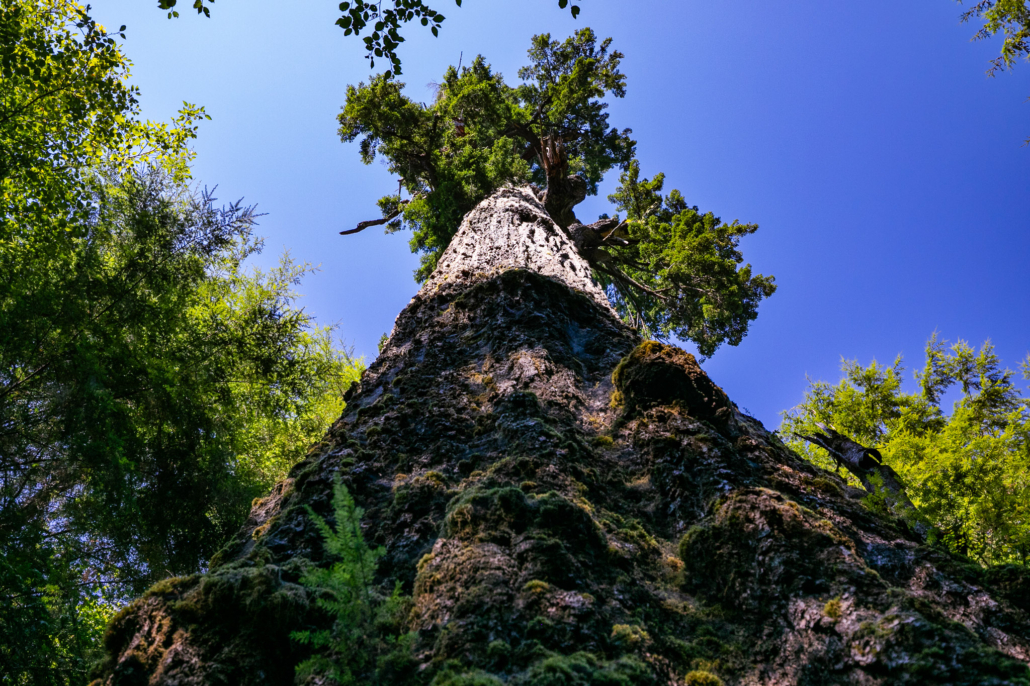
UPDATED: Port Renfrew Big Trees Map
Explore the updated Port Renfrew Big Trees Map with new directions, trails, and routes to iconic giants like Big Lonely Doug, Eden Grove, and more.
https://staging.ancientforestalliance.org/wp-content/uploads/2025/05/13-Red-Creek-Fir.jpg
1365
2048
TJ Watt
https://staging.ancientforestalliance.org/wp-content/uploads/2026/05/Ancient-Forest-Alliance-logo.svg
TJ Watt2026-05-29 15:39:342026-05-29 15:40:49UPDATED: Port Renfrew Big Trees Map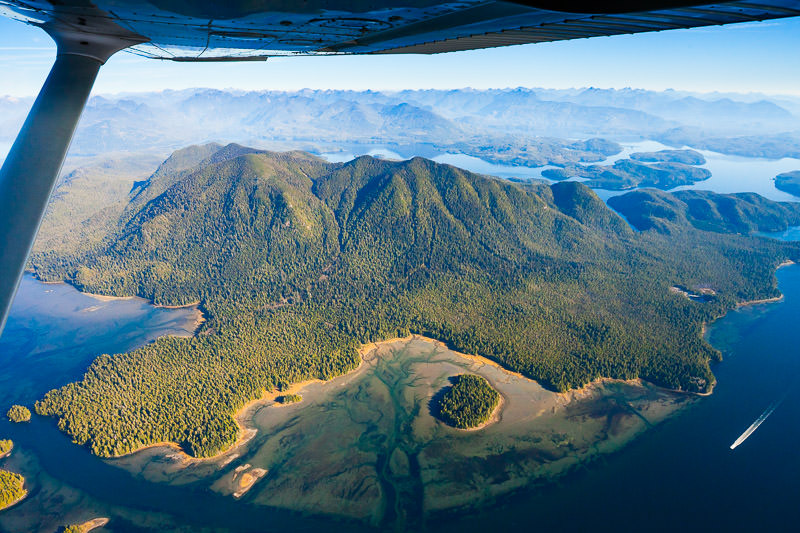
NEW! West Coast Old-Growth Hiking Guide
Explore AFA’s NEW West Coast old-growth hiking guide. From Clayoquot Sound to Port Alberni, there are trails for every skill level!
https://staging.ancientforestalliance.org/wp-content/uploads/2026/05/meares-island-big-tree-trail-tofino-1200px-338.jpg
533
800
TJ Watt
https://staging.ancientforestalliance.org/wp-content/uploads/2026/05/Ancient-Forest-Alliance-logo.svg
TJ Watt2026-05-29 12:06:002026-05-29 15:42:38NEW! West Coast Old-Growth Hiking Guide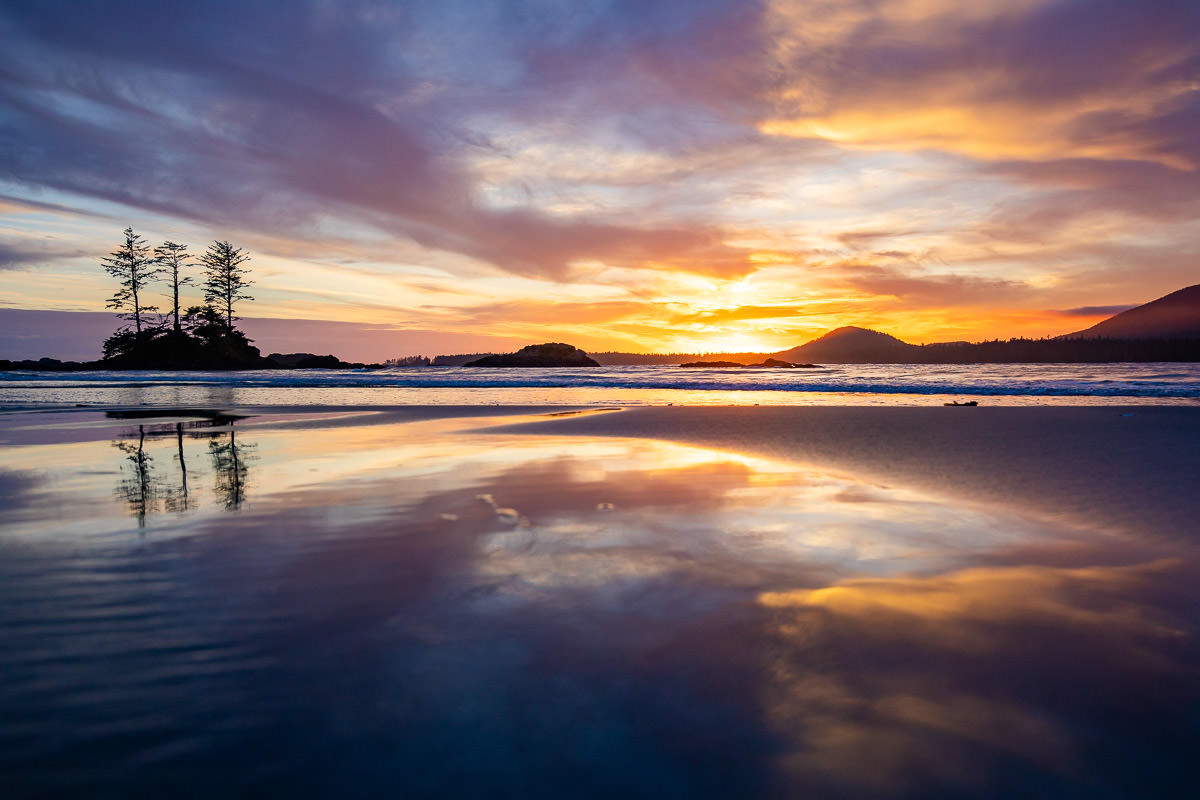
Now Hiring: Contract Graphic Designer!
Ancient Forest Alliance is hiring a contract Graphic Designer to help bring our campaigns to life through print and digital materials.
https://staging.ancientforestalliance.org/wp-content/uploads/2026/05/flores-island-wildside-trail-1200px-430.jpg
800
1200
TJ Watt
https://staging.ancientforestalliance.org/wp-content/uploads/2026/05/Ancient-Forest-Alliance-logo.svg
TJ Watt2026-05-22 12:22:292026-05-22 12:22:29Now Hiring: Contract Graphic Designer!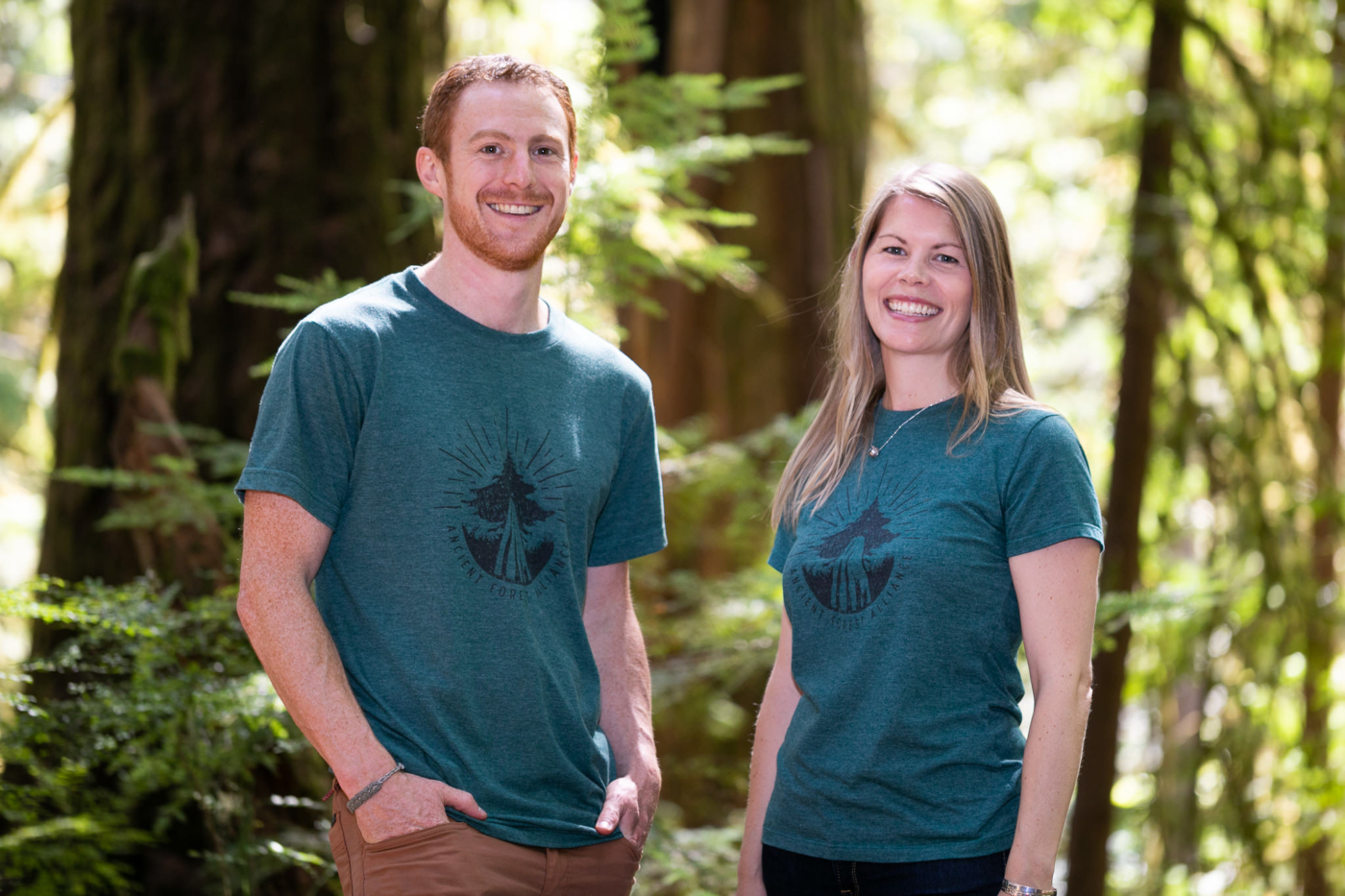
Design AFA’s Next T-Shirt and Help Protect Old-Growth Forests!
Calling all artists! For Earth Month, AFA is launching our first-ever Community T-Shirt Design Contest.
https://staging.ancientforestalliance.org/wp-content/uploads/2026/04/AFA-T-Shirt-Green-Mens-Womens.jpg
1365
2048
TJ Watt
https://staging.ancientforestalliance.org/wp-content/uploads/2026/05/Ancient-Forest-Alliance-logo.svg
TJ Watt2026-05-15 08:13:232026-05-19 09:33:44Design AFA’s Next T-Shirt and Help Protect Old-Growth Forests! Donate
 Send a Message
TJ Watt Exclusive Interview Canadian Landscape Environmental Photographer
/in News CoveragePhotography is a way of feeling, of touching, of loving. What you have caught on film is captured forever. It remembers little things, long after you have forgotten everything. It doesn’t always have to be people or objects. I once heard a quote by Robert Adams that reads “No place is boring, if you’ve had a good night’s sleep and have a pocket full of unexposed film”. Quickly after meeting Canadian based landscape photographer TJ Watt I realized that this quote was written about him.
TJ Watt is a professional photographer living in the city of Victoria on Vancouver Island, BC. Born and raised in the rural town of Metchosin, he carries with him a strong passion for the outdoors, the environment, and life itself. TJ combines his personable nature, physical endurance, and strong knowledge of the natural world to cover a wide variety of important social and environmental issues. Whether it involves forging rough rivers, hiking through mountainside clear cuts, or hanging 100ft off the ground from the canopy of an old-growth tree, TJ brings back solid images that tell a compelling story. TJ’s past work is quite diverse. He has worked on a number of interesting and imporatnt projects for various ENGO’s such as the Western Canada Wilderness Committee, Sierra Club BC, and Spectral Q. His images have been published in the Times Colonist, Vancouver Sun, Victoria Daily News, Granville Magazine, Monday Magazine, JPG Magazine, Color Magazine, SBC Magazine, Concrete Wave, WCWC calendars and newsletters, and a variety of online media.
Daniel: Tell me about yourself, where are you from, what have you been up, where did you grow up?
TJ: My name is TJ Watt, I am 2wenty 5ive years old, and I’ve been fortunate enough to grow up in the enchanted rural town of Metchosin, BC on Vancouver Island (Canada). I’ve lived here my whole life and would love to continue to do so either in a house or in the bush if I have to! As of late my involvement in the environmental issues facing BC’s forests has expanded through co-founding the newly formed Ancient Forest Alliance! (www.ancientforestalliance.org). We’re working to protect the remaining endangered old-growth forest ecosystems in southern British Columbia and ensuring sustainable logging practices take place in second-growth forests. I am also an avid hunter of big trees and like peanut butter and cucumber sandwiches.
Daniel: When did photography become more then a hobby of yours?
TJ: It’s been a slowly evolving process I guess that started with saving up points on a gas station card to buy disposable cameras to shoot with. I was drawn right away to photographing nature, initially in a more abstract way, which overtime I have combined with my passion and concern for our natural environment. I’m not sure there was a specific transition point, just little changes here and there.
Daniel: Canada seems to have some amazing natural places, where is your favorite spot to take photographs?
TJ: Yes! The outdoors here is world class, especially in British Columbia with huge snowy mountains, long sandy beaches, and 1000+ year old trees growing over 50ft around! On the island we have the largest living examples of Red Cedar, Sitka Spruce, and Douglas Fir trees in Canada! The Red Creek Fir being the largest of its kind in the world! So as far as a favorite place goes, that is tough. It’s a close call between a pristine and virtually un-explored old-growth forest with giant monster trees and the top of a mountain with a wide expansive view at sunset.
Daniel: You do a lot of nature photography, do you go out by yourself?
TJ: Yes, I find myself alone much of the time. There are probably a few reasons for that. For practical reasons, I find it much simpler being able to move at the pace I like and take whichever route I want to, while also being able to stop for long periods of time for a shot without feeling like you’re holding anyone up. Another big reason though is I truly enjoy quiet solitude, especially when surrounded by lush forests and peaceful wildlife. There is nothing quite as healing as time spent wandering the woods alone.
Daniel: I know Vancouver Island has quite a lot of bears.. Have you ever had an encounter with a Grizzly bear? Have you ever thought this might happen, are you afraid – and what do you do to avoid this (e.g. gear equipment)?
TJ: While it is true there are a lot of black bears on the Island, Grizzly Bears actually haven’t made it here other than the odd one so they’re of no concern. Black Bears are actually much more a passive creature than you might expect. You really don’t stand much of a chance of having bear bother you unless you tie a steak’n’apple pie to yourself and then go smack one with a stick until it chases you. We have wolves and cougars as well but again, they’re much more likely to run away from you then come after you if you’re even lucky enough to see one. You should still be smart about things though like never camp in remote areas with food in your tent, never try and pet a bears babies, don’t try and ride a cougar like a wild horse, etc. As far as protection goes, I do carry a knife on my side for general safety and sometimes keep bear spray with me but I have yet to have to use either so far.
Daniel: What is it like being in the wild by yourself with just a camera? And how often do you travel?
TJ: Being alone in the wild, as I mentioned before, is the most peaceful and rejuvenating thing. It’s very humbling and helps to put life’s dramas in into a more leveled perspective. It also forces you to be much more aware of your surroundings and what is happening at each moment in time. There is no listening to your I-Pod while texting on your Blackberry. Your eyes are much more open, ears tuned into each sound, and steps more thoughtfully placed. It brings out much more primal movements and feelings in you including natural fears. It’s a bit of rush in a way to have the sense that the playing field is flipped and you are no longer in your usual territory anymore.
Daniel: Tell me about the SOS for World’s Whales, how did you get involved in this? What is it all about?
TJ: The image of the Orca whale was created by artist John Quigley of Spectral Q productions. He was in the middle of creating various whale images along the west coast from Baja, Mexico all the way to Alaska. The focus was on the fact that there is still a large threat to the world’s whales though most people think they are fully protected. To create the image he arranged over 500 school children into the shape on the ground and then we shot it from a helicopter for perspective. I really lucked out in getting the chance to shoot this actually. At the time, I was working on my portfolio for photo school and got word through a friend that he was going to be creating this piece so I phoned him up in Los Angeles and asked if he had a photographer already. He didn’t and decided to give me the chance to take the shots! It was quite the experience shooting out the open door from 1000ft in the air. We could have no loose articles on us whatsoever as the pilot said they could get sucked out the opening, go into the rear rotor, and we would all crash to the ground and go bang.
Daniel: If you could choose – what is your dream place to go to solo with a camera?
TJ: Hmmm… into space! If I could float around in a little clear glass bubble and photograph the giant nebulas, star clusters, and galaxies of this totally unbelievable universe that would be the most mind boggling thing in the world. Or, I guess out of the world.
Daniel: Share with us a good photography quote
TJ: “Say Trees!” oh….not funny.
See TJ’s photos at the Bloginity.com page with this interview or his own site www.utopiaphoto.ca.
Environmental organization launches VIRY REAL (Vancouver Island Rainforest therapy – Real Earth Appreciation Lessons) for distraught Avatar film-goers
/in News CoverageVictoria, Canada – A Canadian environmental organization has established a 3 Step Program designed to cure thousands of movie-goers who complain about sinking into a depression in their drab, Earthly lives after watching scenes of spectacular alien rainforests and wildlife in James Cameron’s hugely popular film, “Avatar” (see article www.cnn.com/2010/SHOWBIZ/Movies/01/11/avatar.movie.blues/index.html ), which is now history’s highest grossing film at the box office.
“To treat the thousands of deprived souls who don’t get out into nature enough, and who therefore believe that the Earth’s ecosystems are boring and unspectacular unlike those of the alien world ‘Pandora’, we will be offering a simple, yet effective 3 step program to heal their souls of their Post-Avatar Depression,” states environmentalist Ken Wu, co-founder of the newly formed Ancient Forest Alliance (AFA). The AFA is a new non-profit organization dedicated to the protection of British Columbia’s old-growth temperate rainforests (see www.ancientforestalliance.org and the Facebook group and photos at www.facebook.com/group.php?gid=267708511607)
The program, known as VIRY REAL (Vancouver Island Rainforest therapy – Real Earth Appreciation Lessons) consists of 3 simple, yet effective steps to cure Post-Avatar Depression:
This includes the old-growth forests of Vancouver Island, the tropical rainforests of Indonesia, the savannahs of Africa, the cypress swamps of Louisiana, the prairie grasslands of Alberta, the deciduous forests of eastern North America and Europe, or going to your own neighbourhood forest, field or wetland – that is, experiencing nature anywhere on this incredible planet, Earth.
This entails putting pressure on governments through letters, petitions, and protests to implement environmental laws and policies, pressuring corporations to change their practices, and simplifying one’s consumptive wants.
Join environmental groups, donate, and recruit friends, family, classmates, and co-workers to hike, write, petition, and protest just like you!
“We guarantee that once you’ve successfully completed our simple, yet effective 3 step program, you will be cured of your Post-Avatar Depression,” states Wu. “We will guide you through each step of the way: from joining hikes in the endangered ancient forests of Vancouver Island, to writing and protesting to protect these forests, to undertaking outreach to get thousands of people to do the same.”
The Ancient Forest Alliance was launched in January of 2010 to organize grassroots support to protect the remaining old-growth forests in British Columbia, where trees can grow trunks over 20 feet (6 meters) wide, reach heights over 300 feet (95 meters) tall, and live to be almost 2000 years old (see spectacular photos on the Facebook page of the Ancient Forest Alliance).
75% of the productive old-growth forests on Vancouver Island have already been logged, including 90% of the valley bottoms where the largest trees grow. Unfortunately, only 6% of Vancouver Island’s productive forests are protected in parks. Meanwhile logging companies are clearcutting the unprotected old-growth forests at breakneck speeds for pulp, toilet paper, phone books, newsprint, and lumber, while the British Columbian government contends that there is no need to protect the remaining old-growth forests on Vancouver Island. The Ancient Forest Alliance advocates the protection of our endangered old-growth forests, sustainable logging of second-growth forests, and a ban on the export of raw, unprocessed logs to foreign mills in order to protect Canadian jobs.
“James Cameron’s ‘Avatar’ is a landmark film that is helping to propel forward the values of environmental and cultural appreciation across much of the world, including the need to protect nature and old-growth forests – that is, as long as the viewers make the connection to things that are actually here on Earth!” states Wu.
“Vancouver Island’s old-growth forests are the Real Pandora, here on Earth. We have giant, moss and fern-draped ancient trees almost as large as Home Tree in Avatar, spectacular creatures like bears, wolves, mountain lions, wolverine, and elk in our forests, and giant blue whales, killer whales, elephant seals, and huge Stellar sea lions along our Wild Coast,” notes Wu. “And when you look across this planet –with its enormous baobab, banyen, and sequoia trees, its elephants, rhinos, hyenas, oranguatans, Siberian tigers, wood bison, Kodiak bears, tapirs, whale sharks, manatees, leopard seals, walruses, California condors, and giant, shaggy Bactrian camels, and our incredible cultural diversity, you realize that we inhabit a place as spectacular – and a lot more real – than Pandora. But just like on Pandora, we have a real fight to defend it as the forces of greed, disconnect, and short-sightedness move at breakneck speeds to destroy the beauty and diversity on Earth.”
Old Forests, New Twist
/in News CoverageTis the season, it would seem, for turmoil in the environmental movement. With run-of-the-river power projects testing the solidarity of green-minded British Columbians, and last summer’s high-profile battle for the leadership of The Land Conservancy, we now have the Western Canada Wilderness Committee announcing the closure of its Victoria storefront and shifting the focus of its Island campaigner to marine issues from old-growth forest protection.
Puzzled – and more than a little incensed – by the decision from the Wilderness Committee’s Vancouver-based executive and board is longtime WCWC forest campaign director Ken Wu, who this week announced the formation of his own old-growth preservation group to be known as the Ancient Forest Alliance. The AFA intends to plug what Wu sees as a gap left by WCWC’s planned changes to its Island initiatives.
In late 2009, Wu resigned his WCWC post, planning to embark on some long-deferred European backpacking, and set about training Tara Sawatsky to take over the job of galvanizing public support to save Island old-growth. But the Wilderness Committee head office in Vancouver has since decided the primary focus of its Victoria campaigner will be ocean-oriented, and Sawatsky was not offered the job.
“The central duty of the Victoria campaigner will be to be responsible for the marine campaigns for the whole organization, so that will include oil and gas, fish farms and the like,” says WCWC’s national campaign director Joe Foy.
“What we’re trying to do is integrate ending old-growth logging on Vancouver Island with our objectives to end old-growth logging around the Lower Mainland,” Foy continues. “So, our Victoria campaigner will be working closely with campaigners in this office in a broader strategy to end old-growth logging in the South Coast rainforest.”
Wu is struggling to find the logic in the WCWC executive’s decision to refocus its Vancouver Island efforts, especially when WCWC projects around old-growth logging had been gaining momentum over the past few years.
“If you look at all the indicators of success for an environmental organization, in terms of membership, fundraising, grassroots support, media coverage, influence – the Wilderness Committee of Victoria excelled, and that’s a simple fact,” says Wu. “So I’m not speculating on anyone’s motives, but what this decision does do, is that it eliminates the strongest part of the Wilderness Committee, which is its Victoria office, and centralizes the control and power in the Vancouver office.”
Wu says victories from the Victoria office have been plentiful.
“We killed the working forest proposal,” Wu told Monday. “We stopped coastal oil and gas development for almost a decade. We stopped the Malahat highway expansion through the old-growth forests at Goldstream provincial park, and when I first came we pushed the CRD to implement a parks levy and we’ve taken the old growth campaign to unprecedented heights.”
A rally for ancient forests in October 2008 saw more than 2,500 people, from loggers to environmentalists, come together on the legislature lawns to protest old-growth forest mismanagement.
Joe Foy says the decision to shut down the organization’s Johnson Street storefront is intended to save WCWC approximately $1,000 a month. Wu’s former position will be split in two, with the marine campaigner, as well as an outreach co-ordinator to build public engagement for WCWC’s projects.
“It’s a change in how we do our business, it’s a change calculated to put more dollars into campaigning by getting a savings on the higher rent that a store requires, and it’s a change calculated to build better teamwork between the various offices of the Wilderness Committee,” he says.
Wu has decided to put his travel plans on hold to continue his public relations battle against current logging practices on Vancouver Island.
He says a key difference between the efforts of the Ancient Forest Alliance and the Wilderness Committee is that his group will not be constrained by rules that prevent organizations with charitable status from taking overtly political positions. This means elected officials who maintain that B.C.’s old growth forests are intact, or defend the export of raw logs, should be prepared for some salty commentary from the AFA.
“I think people have to face consequences for doing bad things, and there should be corresponding consequences for doing good things, and this is how our world becomes a better place,” Wu says. “The main thing around this is that we need a positive alternative that mobilizes the grassroots and pushes hard in terms of punishment and rewards for issues that involve the people of Vancouver Island.”
WCWC’s Foy says he doesn’t anticipate an exodus of donors and supporters from WCWC to the Ancient Forests Alliance.
“There is a room, and a need for 20 Ken Wu’s on Vancouver Island, and it would be sad if the movement lost him, but it looks like that’s not what’s going to happen and that’s great,” says Foy.