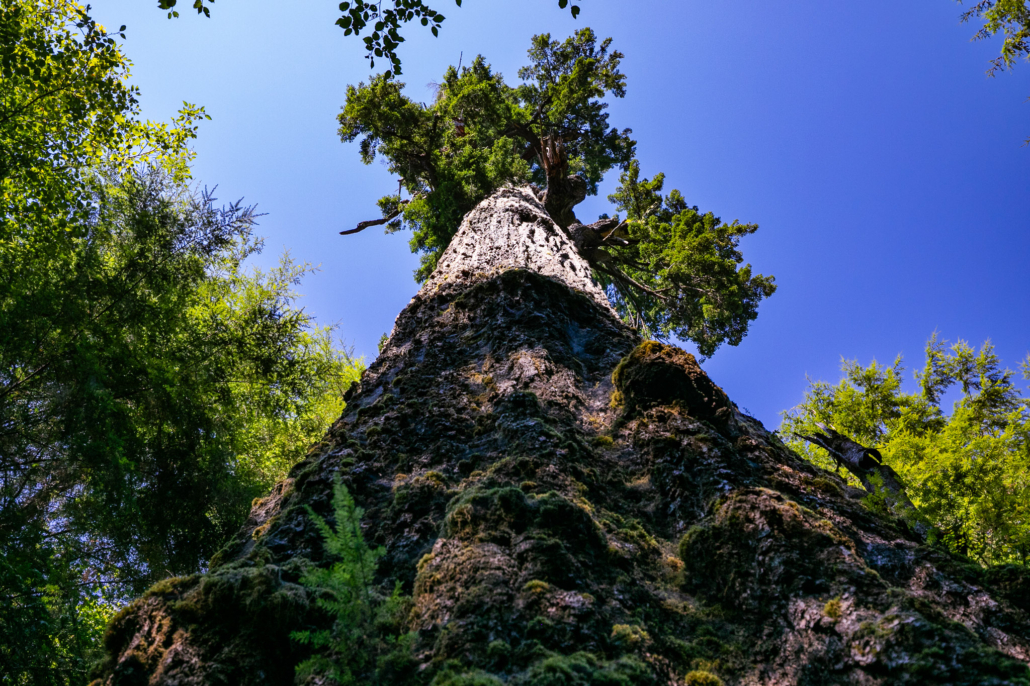
UPDATED: Port Renfrew Big Trees Map
Explore the updated Port Renfrew Big Trees Map with new directions, trails, and routes to iconic giants like Big Lonely Doug, Eden Grove, and more.
https://staging.ancientforestalliance.org/wp-content/uploads/2025/05/13-Red-Creek-Fir.jpg
1365
2048
TJ Watt
https://staging.ancientforestalliance.org/wp-content/uploads/2026/05/Ancient-Forest-Alliance-logo.svg
TJ Watt2026-05-29 15:39:342026-05-29 15:40:49UPDATED: Port Renfrew Big Trees Map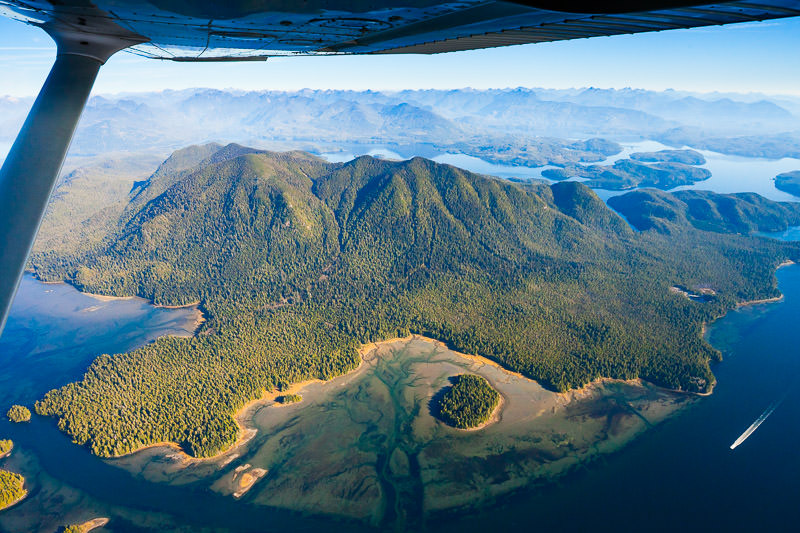
NEW! West Coast Old-Growth Hiking Guide
Explore AFA’s NEW West Coast old-growth hiking guide. From Clayoquot Sound to Port Alberni, there are trails for every skill level!
https://staging.ancientforestalliance.org/wp-content/uploads/2026/05/meares-island-big-tree-trail-tofino-1200px-338.jpg
533
800
TJ Watt
https://staging.ancientforestalliance.org/wp-content/uploads/2026/05/Ancient-Forest-Alliance-logo.svg
TJ Watt2026-05-29 12:06:002026-05-29 15:42:38NEW! West Coast Old-Growth Hiking Guide
Now Hiring: Contract Graphic Designer!
Ancient Forest Alliance is hiring a contract Graphic Designer to help bring our campaigns to life through print and digital materials.
https://staging.ancientforestalliance.org/wp-content/uploads/2026/05/flores-island-wildside-trail-1200px-430.jpg
800
1200
TJ Watt
https://staging.ancientforestalliance.org/wp-content/uploads/2026/05/Ancient-Forest-Alliance-logo.svg
TJ Watt2026-05-22 12:22:292026-05-22 12:22:29Now Hiring: Contract Graphic Designer!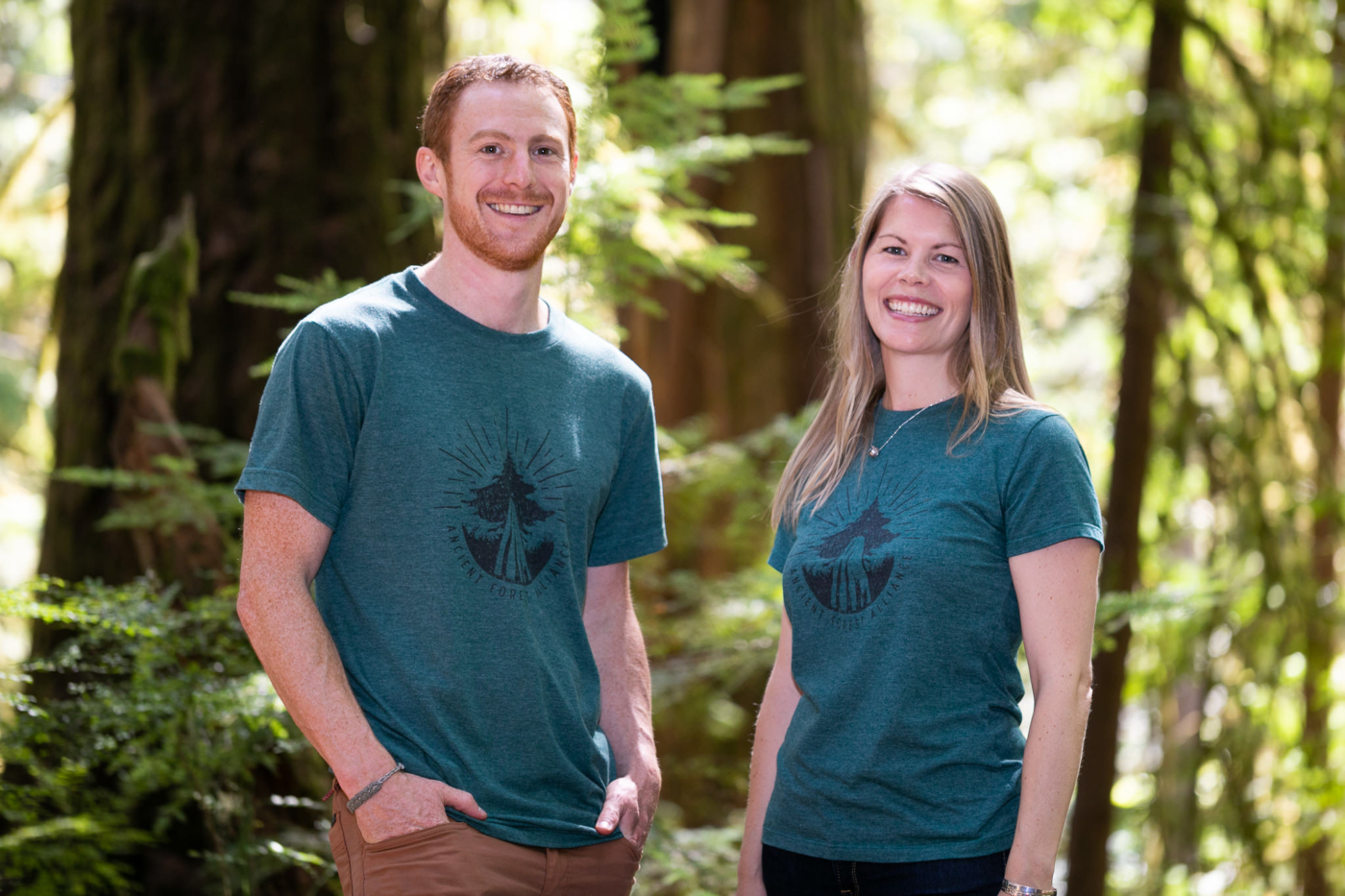
Design AFA’s Next T-Shirt and Help Protect Old-Growth Forests!
Calling all artists! For Earth Month, AFA is launching our first-ever Community T-Shirt Design Contest.
https://staging.ancientforestalliance.org/wp-content/uploads/2026/04/AFA-T-Shirt-Green-Mens-Womens.jpg
1365
2048
TJ Watt
https://staging.ancientforestalliance.org/wp-content/uploads/2026/05/Ancient-Forest-Alliance-logo.svg
TJ Watt2026-05-15 08:13:232026-05-19 09:33:44Design AFA’s Next T-Shirt and Help Protect Old-Growth Forests! Donate
 Send a Message
Pandora fans feeling blue over the Earth
/in News CoverageWhat’s 12 feet tall and blue all over?
If you’ve seen the movie Avatar — and who hasn’t? — you’ll know the answer to that question is the Na’vi, the incredibly cool, nearly naked aliens with cornrows and braids who live on the incredibly cool, beautiful planet known as Pandora, all threatened by the techno-military-industrial (and little) bad guys from Earth, who lust for a metaphorical mineral called “unobtanium.”
That’s us, folks.
People have begun to notice a strange thing when they take off their 3-D glasses and re-enter the real world after a two-hour 40-minute exposure to Pandora. This beautiful place, inhabited by intelligent (and really tall) beings who have a direct link to Aywa, a.k.a. Mother Nature, is so vividly drawn that the planet we actually live on, Earth, seems like a giant slum.
Moviegoers are pouring their hearts out on blogs and chat rooms, all mourning the loss of Eden, er Earth, and wishing they were cool and connected like the Na’vi.
There’s at least one group that’s not lying around in a Pandora-induced coma. The Ancient Forest Alliance, based in Victoria, gets Avatar and understands its value in spawning a whole new generation of Na’vi-loving environmentalists. Not daunted by the anti-global warming backlash, the alliance has picked a likely forest near Port Renfrew and dubbed it “Avatar Grove.”
Sounds so much better than Tree Farm Licence No. 46.
We dare you, says the alliance, to clear-cut this little slice of Pandora on Earth. If I’m the Teal-Jones Group, which owns the licence, I’d send my PR department to the movie to take notes. Can you imagine Hollywood actresses in cornrows chained to trees, weeping for Avatar Grove? The Ancient Forest Alliance can.
It’s entirely possible the Last Battle for the Planet Earth will be played out in Canada. After all, James Cameron, Avatar’s creator, is Canadian; his art director studied the Athabasca oilsands project for its lurid images of environmental destruction.
And British Columbia is one of the last Pandora-like preserves on Earth. Its ancient forests (sounds better than old growth, no?) protect 1,600 species at risk and 60 per cent of the nation’s evergreen trees.
Even the Port Renfrew Chamber of Commerce, once a bastion of hewers of wood, now believes the best bet for the future is to save Avatar Grove for the tourists. If you loved the movie, stay tuned for the sequel — it’s coming soon to an ancient forest near you.
Threatened BC Forest Dubbed the ‘Avatar Grove’
/in AnnouncementsIts storytelling may have left the critics—and the Academy—cold. But there’s no denying James Cameron’s digital extravaganza Avatar has inspired tree-huggers the world round, rooted as it is on themes of conserving ancient ecosystems in all their majesty. In a stroke of marketing brilliance, the Victoria-based Ancient Forest Alliance has re-christened a majestic expanse of old-growth on southern Vancouver Island in honour of the $300-million Hollywood blockbuster. Gone is the prosaic sounding Tree Farm Licence 46. In is the “Avatar Grove,” a “spectacular and accessible stand of newly discovered old growth red cedars and Douglas firs near Port Renfrew.” The alliance, which is a splinter group of the old Western Canada Wilderness Committee, is up against a Surrey, B.C.-based logging show and the provincial government. But if their cause captures the imaginations of dewy-eyed movie-goers, it would be unwise to count them out.
Old-growth logging blamed for Island wasteland
/in News CoverageA patch of the Tahsish River Valley on western Vancouver Island is the new poster child for the ecological impact of old-growth logging — this time on limestone karst, perhaps the world’s most fragile landscape.
The two-square-kilometre patch of old-growth was logged close to a decade ago; then, last July, a forest fire swept through the exposed clearcut.
The effect of those two events — only now coming to public attention — is a scorched landscape in which the soil has been burned and washed away, leaving an ecological wasteland and a call for greater conservation in future.
Paul Griffiths, a Campbell River-based consultant and B.C.’s foremost authority on karst landscapes, said the devastation underscores the need to preserve what little old-growth forest remains on important karst on the coast.
Karst is a distinctive soluble rock landscape, featuring subterranean drainage resulting from water dissolving and enlarging cracks, fractures and joints in bedrock.
The process can produce fantastic features such as caves, fluted or grooved rock surfaces, sinkholes, arches, shafts, canyons and springs.
The Tahsish valley was touted as a national park in the 1970s due to the combination of fragile karst features and biologically diverse old-growth forests, but has since been heavily logged.
In 1997, overall 67 per cent of rainforest karst landscape on the B.C. coast had been logged (76 per cent on the north island and central coast, and 43 per cent logged in Haida Gwaii), Griffiths said.
In response, forests ministry spokeswoman Vivian Thomas said that fire behaviour depends on a number of factors, including fuel type, seasonal and daily weather conditions and topography.
“Without conducting a detailed analysis … it is not possible to draw a conclusion as to whether harvesting was a factor in either the fire behaviour or the impacts on the soil.”
She added that subsequent to logging in the main Tahsish valley, orders were established in 2007 to “protect karst from logging” in the Campbell River and North Island Central Coast forest districts, followed in 2009 by the South Island Forest District.
Griffiths said the ministry deserves credit for those orders, which specifically make reference to “high and very high vulnerability karst landscapes” and “significant surface karst features.”
But he said that logging professionals in the field may not have the experience or desire to adequately assess the importance of a karst landscape and may not appreciate the interconnectivity of the forest and the karst.
There has not yet been a test of a contravention of the orders, he said.
As for harvesting’s influence on the Tahsish fire impact, Griffiths said: “In 40 years, I’ve never seen this kind of soil loss in a fire-damaged stand.”
Old-growth standing timber next to the clearcut survived the fire. “I’d ascribe the difference to the intensity of the burning on the cutblock because it was logged.”
The karst ecosystem is highly vulnerable to surface disturbance, including clearcut logging that alters the natural hydrology. In the Tahsish valley burn site, water that once percolated through a lush old-growth forest now gushes into the ground, making it very difficult for soil to rebuild and allow a forest to regrow.
Karst under natural conditions also has a purifying effect on water and can be home to various lifeforms found nowhere else, including blind species living in utter darkness.
The International Union for Conservation of Nature in 1997 stated: “Caves and karst are especially vulnerable and probably more so than most other land resources.”
Griffiths said some good can still be gleaned from the July fire, because it represents a good opportunity to study the recovery of a karst forest landscape after such devastating circumstances.
Globally, little research has been done on the impact that fires on logged forests can have on lifeforms existing in the upper limestone or epikarst.
Griffiths said the province phased out large-scale burning over clearcuts in the early 1980s, but piles of wood are still burned and forest fires remain a threat.
A 1993 study by Kathy Harding and Derek Ford in the Benson River Valley of northern Vancouver Island and published in the journal Environmental Geology found there was “greater loss of soil and an increase in bare rock” on logging sites on limestone. It added that “steeper slopes and harder burned areas suffered the most and are slowest to regenerate.”
Scott Fraser, NDP MLA for Alberni-Pacific Rim, said he will be introducing a private member’s bill this spring intended to bring greater protection for karst landscapes from all human activities — not just forestry, but mining, recreation and land development as well.
He said the impact of logging atop karst in the Tahsish valley “begs for proper regulations … for these very sensitive ecosystems.”