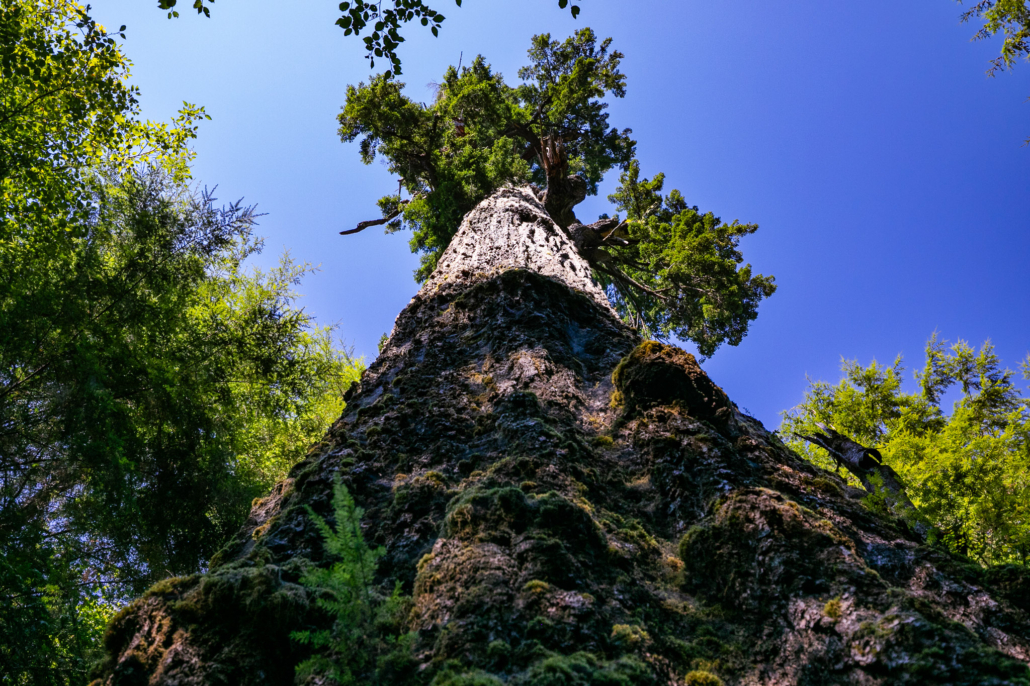
UPDATED: Port Renfrew Big Trees Map
Explore the updated Port Renfrew Big Trees Map with new directions, trails, and routes to iconic giants like Big Lonely Doug, Eden Grove, and more.
https://staging.ancientforestalliance.org/wp-content/uploads/2025/05/13-Red-Creek-Fir.jpg
1365
2048
TJ Watt
https://staging.ancientforestalliance.org/wp-content/uploads/2026/05/Ancient-Forest-Alliance-logo.svg
TJ Watt2026-05-29 15:39:342026-05-29 15:40:49UPDATED: Port Renfrew Big Trees Map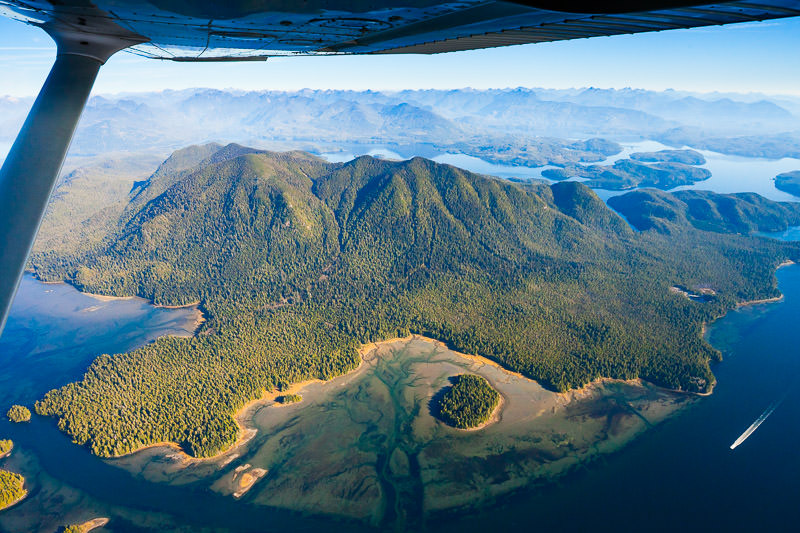
NEW! West Coast Old-Growth Hiking Guide
Explore AFA’s NEW West Coast old-growth hiking guide. From Clayoquot Sound to Port Alberni, there are trails for every skill level!
https://staging.ancientforestalliance.org/wp-content/uploads/2026/05/meares-island-big-tree-trail-tofino-1200px-338.jpg
533
800
TJ Watt
https://staging.ancientforestalliance.org/wp-content/uploads/2026/05/Ancient-Forest-Alliance-logo.svg
TJ Watt2026-05-29 12:06:002026-05-29 15:42:38NEW! West Coast Old-Growth Hiking Guide
Now Hiring: Contract Graphic Designer!
Ancient Forest Alliance is hiring a contract Graphic Designer to help bring our campaigns to life through print and digital materials.
https://staging.ancientforestalliance.org/wp-content/uploads/2026/05/flores-island-wildside-trail-1200px-430.jpg
800
1200
TJ Watt
https://staging.ancientforestalliance.org/wp-content/uploads/2026/05/Ancient-Forest-Alliance-logo.svg
TJ Watt2026-05-22 12:22:292026-05-22 12:22:29Now Hiring: Contract Graphic Designer!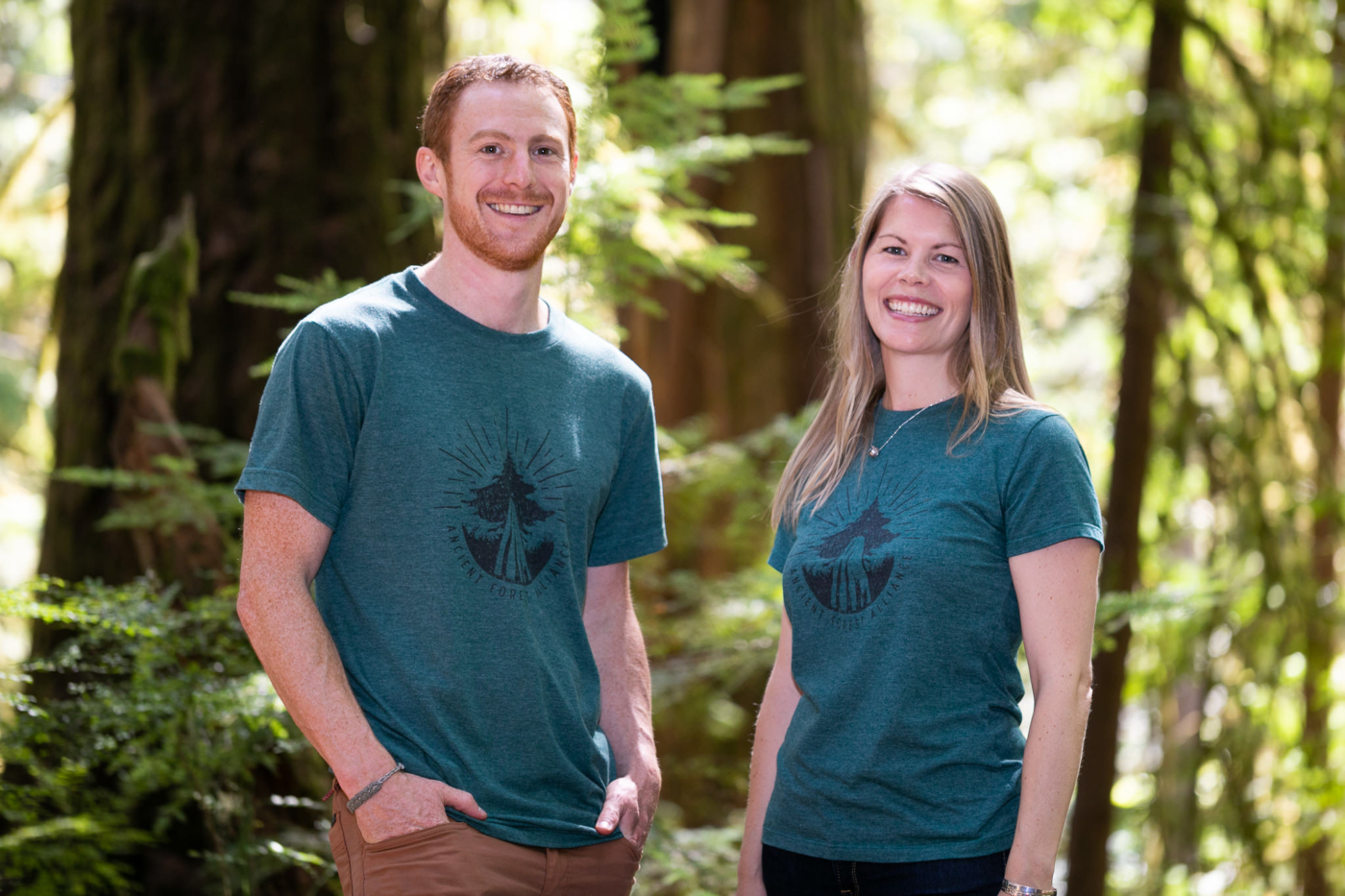
Design AFA’s Next T-Shirt and Help Protect Old-Growth Forests!
Calling all artists! For Earth Month, AFA is launching our first-ever Community T-Shirt Design Contest.
https://staging.ancientforestalliance.org/wp-content/uploads/2026/04/AFA-T-Shirt-Green-Mens-Womens.jpg
1365
2048
TJ Watt
https://staging.ancientforestalliance.org/wp-content/uploads/2026/05/Ancient-Forest-Alliance-logo.svg
TJ Watt2026-05-15 08:13:232026-05-19 09:33:44Design AFA’s Next T-Shirt and Help Protect Old-Growth Forests! Donate
 Send a Message
B.C. chops down bid to protect ‘Avatar Grove’
/in News CoverageBig trees would bring more money into Sooke and Port Renfrew than logging a unique, old-growth grove, community groups have told the provincial government.
But the province is refusing to budge from its position that sufficient old growth has already been protected in that area.
The Sooke Regional Tourism Association and Port Renfrew Chamber of Commerce wrote to the province asking that the area just outside Port Renfrew, nicknamed Avatar Grove, should be saved and that the Teal-Jones Group, which has cutting rights, should be offered a replacement piece of Crown land.
“Tourism would contribute more value and benefit many more people than cutting old-growth sites located in accessible tourism development areas,” tourism association president Neil Flynn said in a letter to Forests Minister Pat Bell.
But the reply from the ministry says 24 per cent of the grove is in an old-growth management area, meaning no cutting is permitted.
“I think it is important to mention that not all old-growth forests can be protected. A certain amount must be harvested to provide a viable and sustainable wood supply to the forest industry, which is an important component of the provincial economy,” says the letter from the ministry’s field operations staff.
Teal-Jones has not yet applied for a cutting permit in Avatar Grove, but a land swap would not be possible as the entire land base of TFL 46 is already under tenure, said company spokesman John Pichugan.
BC Government Commended for Protecting 1600 Hectares of Extremely Endangered Coastal Douglas Fir Ecosystem
/in Media ReleaseThe Ancient Forest Alliance is thanking the Ministry of Forests and Range, the Integrated Land Management Bureau, and Forest Minister Pat Bell for protecting 1600 hectares of public (Crown) lands within the Coastal Douglas Fir biogeoclimatic zone on southeastern Vancouver Island.
The five parcels of Crown lands between Nanaimo and Courtenay have been made off limits to logging through new Land Use Orders. These new additions have increased protection in the Coastal Douglas Fir zone from 7600 hectares to 9200 hectares.
“This is a major leap forward in protection for one of Canada’s most endangered ecosystems, much of which today lies underneath the cities of Victoria, Nanaimo, and Duncan. The protected areas include pockets of old-growth Douglas firs and a large array of rare and sensitive habitats,“ stated Ken Wu, Ancient Forest Alliance campaign director. “Today we’re giving great thanks to the BC government for starting to rekindle some forest protection policies on Vancouver Island. We hope they will continue along this trajectory, because so much more needs protecting and so little time remains in an area under intense development pressure.“
The Coastal Douglas Fir ecosystem is considered to be among the top four most endangered ecosystems in Canada, along with the Tallgrass Prairie in Manitoba, the Carolinian Forest in southern Ontario, and the “Pocket Desert“ near Osoyoos in southern BC. Only 1% of the original old-growth forests remain in the Coastal Douglas Fir ecosystem, and about 50% of the entire ecosystem has already been completely eliminated by agriculture and urbanization. The ecosystem is characterized by its mild, Mediterranean-like climate, trees like the Douglas fir, Garry oak and arbutus, and large numbers of species at risk such as the alligator lizard and sharp-tailed snake.
Less than 10% of the Coastal Douglas Fir ecosystem lies on public (Crown) lands while over 90% is privately owned. In order to establish an ecologically viable protected areas network in the Coastal Douglas Fir zone, the Ancient Forest Alliance advocates the protection of all of the Crown land parcels within the zone and the establishment of a joint provincial-federal parkland acquisition fund of at least $40 million/year ($20 million from each level of government) to purchase private lands for the establishment of new protected areas.
“While the BC government has taken a great step forward in moving to protect this ecosystem, they are taking a destructive stance in regards to the Nanoose Bay old-growth forest. They seriously need to change their direction about the site – there needs to be an immediate ban on all logging of the last 1% of old-growth forest in the Coastal Douglas Fir ecosystem, it really should be a no-brainer,“ stated TJ Watt, Ancient Forest Alliance campaigner and photographer.
The Nanoose Bay old-growth forest, or cutblock DL-33, is a 60 hectare tract of old-growth and second-growth Coastal Douglas Fir ecosystem imminently threatened by logging. Local citizens are working hard to save the stand, but the Ministry of Forests and Range currently insists that the logging will take place.
Old-growth protection boosted
/in News CoverageThe province is almost doubling the amount of Vancouver Island old-growth forest protected from logging and development.
More than 38,700 hectares on northern and north-central Vancouver Island will be designated as old-growth management areas, meaning the trees cannot be cut.
“We have been working to identify critical areas that represent the ecosystem and these are some pretty significant areas,” said Forests Minister Pat Bell.
“We felt it was important to expand old-growth representation in the area.”
The protected patches are north of Campbell River and Sayward and west of Port Hardy and Port McNeill.
The increase will mean 83,600 hectares in old-growth management areas on Vancouver Island, in addition to 438,000 hectares of park and protected areas, some of which include old-growth.
Simultaneously, the province has brought in a land-use order to protect almost 1,600 hectares of endangered coastal Douglas fir ecosystem, but has not included a parcel near Nanoose Bay that residents and local governments have fought to save.
The Snaw-naw-as First Nation has been issued a forest licence to log a 64-hectare block of coastal Douglas fir which is home to endangered plants and animals.
Bell said he revisited the decision because of the controversy. “I have had another good look at District Lot 33 because there were some mixed views on whether it was particularly high-value coastal Douglas fir and the conclusion was that it wasn’t,” he said.
Environmentalists like the additional protection, but say it is not enough and want to see more old-growth protection on southern Vancouver Island.
There are concerns about the government’s piecemeal approach to old-growth and fears that many of the areas protected are swamp or high-altitude scrub instead of big, old trees in valley bottoms.
There are also worries that old-growth management areas are set by regulation, rather than legislation, so can be removed at the whim of government.
“It’s definitely a step forward, but it’s not nearly enough and I would encourage them to go a lot further,” said Ken Wu of the Ancient Forest Alliance.
Out of the original 2.3 million hectares of old-growth on Vancouver Island, 1.7 million hectares have already been logged and much remaining old-growth is stunted alpine trees or bogs, Wu said. “We want an overarching policy to protect what remains.”
Less than one per cent of the remaining coastal Douglas fir ecosystem is protected and the Nanoose parcel must be included, Wu said.
“There’s no room to leave pieces out,” he said.
Tria Donaldson of Western Canada Wilderness Committee said there are many examples of government scrapping or moving old-growth management zones. Also, because allowable cut in the area remains the same, logging often becomes more intense in adjacent areas, she said.
“Old-growth is one of the key draws on Vancouver Island, but old-growth management zones don’t offer long-term protection. We are asking for no old-growth logging, full stop. So, this is far away from what we need.”
Environmentalist Vicky Husband said she doubts whether the new management zones are large, prime areas of old tree forest.
“Are they adjacent to intact or protected areas, are they south-facing slopes [that are] so important for wildlife and winter range?” she asked.
“So little is left and almost no prime valley bottom habitat.”
Bell said it is positive that old-growth management areas are flexible as it allows government to respond to changing situations.
The newly protected areas represent a mixture of land types, Bell said.
“This is not just about big trees. It’s about good representation of an ecosystem,” he said.