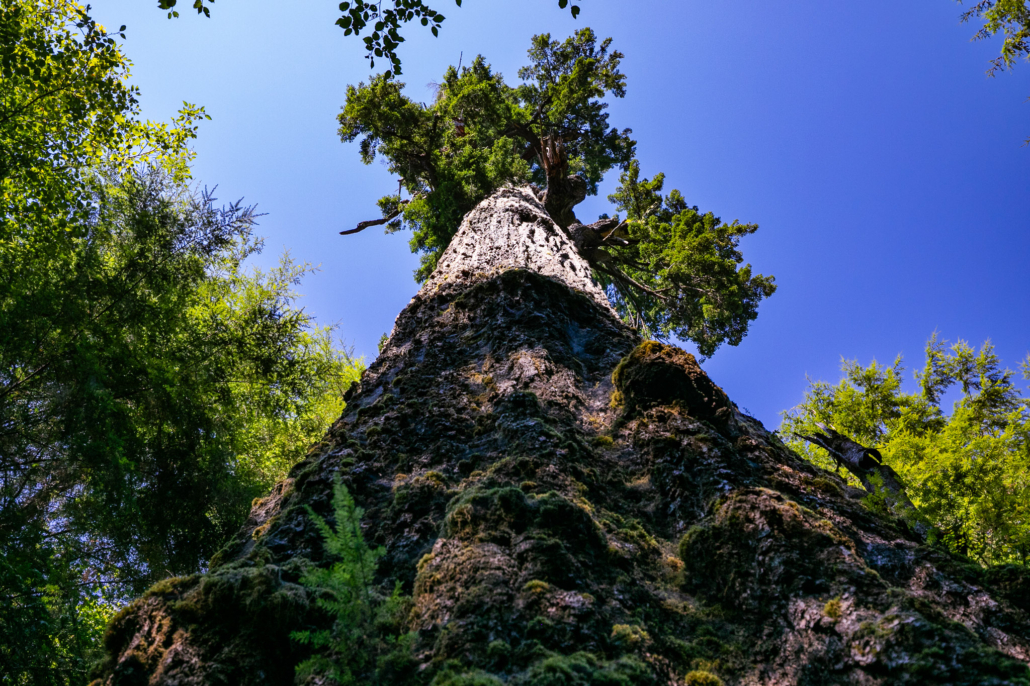
UPDATED: Port Renfrew Big Trees Map
Explore the updated Port Renfrew Big Trees Map with new directions, trails, and routes to iconic giants like Big Lonely Doug, Eden Grove, and more.
https://staging.ancientforestalliance.org/wp-content/uploads/2025/05/13-Red-Creek-Fir.jpg
1365
2048
TJ Watt
https://staging.ancientforestalliance.org/wp-content/uploads/2026/05/Ancient-Forest-Alliance-logo.svg
TJ Watt2026-05-29 15:39:342026-05-29 15:40:49UPDATED: Port Renfrew Big Trees Map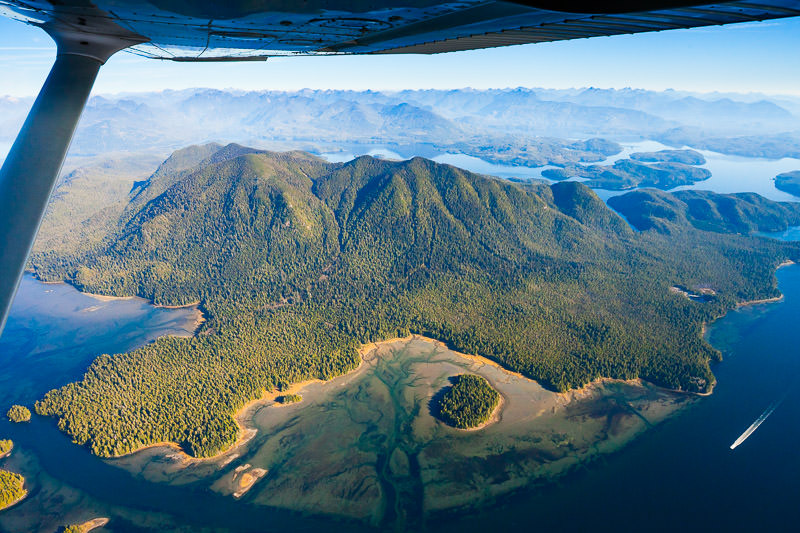
NEW! West Coast Old-Growth Hiking Guide
Explore AFA’s NEW West Coast old-growth hiking guide. From Clayoquot Sound to Port Alberni, there are trails for every skill level!
https://staging.ancientforestalliance.org/wp-content/uploads/2026/05/meares-island-big-tree-trail-tofino-1200px-338.jpg
533
800
TJ Watt
https://staging.ancientforestalliance.org/wp-content/uploads/2026/05/Ancient-Forest-Alliance-logo.svg
TJ Watt2026-05-29 12:06:002026-05-29 15:42:38NEW! West Coast Old-Growth Hiking Guide
Now Hiring: Contract Graphic Designer!
Ancient Forest Alliance is hiring a contract Graphic Designer to help bring our campaigns to life through print and digital materials.
https://staging.ancientforestalliance.org/wp-content/uploads/2026/05/flores-island-wildside-trail-1200px-430.jpg
800
1200
TJ Watt
https://staging.ancientforestalliance.org/wp-content/uploads/2026/05/Ancient-Forest-Alliance-logo.svg
TJ Watt2026-05-22 12:22:292026-05-22 12:22:29Now Hiring: Contract Graphic Designer!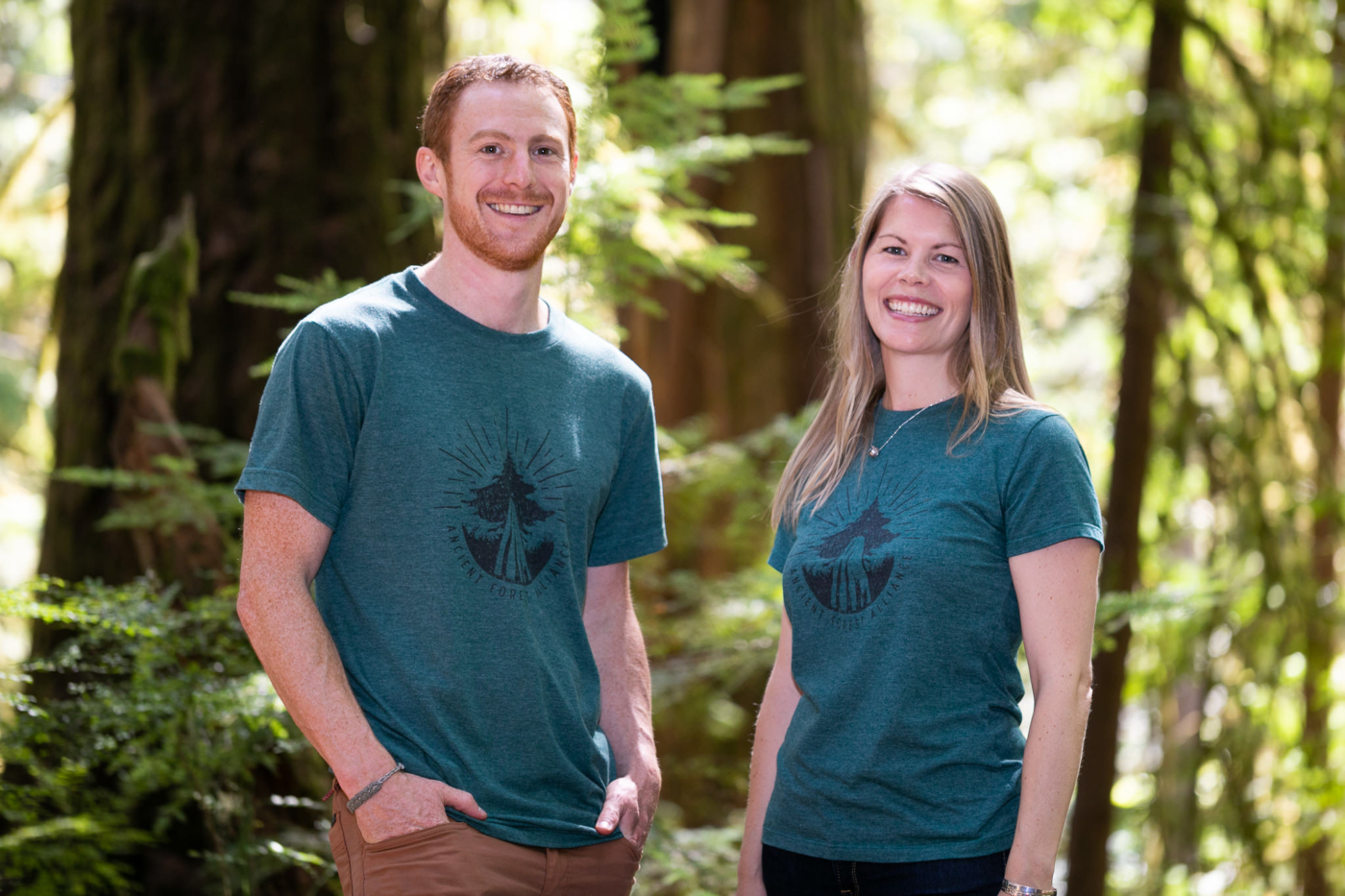
Design AFA’s Next T-Shirt and Help Protect Old-Growth Forests!
Calling all artists! For Earth Month, AFA is launching our first-ever Community T-Shirt Design Contest.
https://staging.ancientforestalliance.org/wp-content/uploads/2026/04/AFA-T-Shirt-Green-Mens-Womens.jpg
1365
2048
TJ Watt
https://staging.ancientforestalliance.org/wp-content/uploads/2026/05/Ancient-Forest-Alliance-logo.svg
TJ Watt2026-05-15 08:13:232026-05-19 09:33:44Design AFA’s Next T-Shirt and Help Protect Old-Growth Forests! Donate
 Send a Message
BC Old-Growth Policy Update Adds Little To Current Commitments
/in Media ReleaseConservationists note the latest BC government plan doesn’t include much action beyond its previous commitments, with the updated plan lacking specificity and objectives around old-growth protection. Key deferral funding and ecosystem-based targets are still missing. However, the mention of a science advisory group is much welcomed. Existing commitments to protect 30% of BC by 2030 with over $1 billion in provincial-federal funding are moving protected areas progress forward, as the province has been in discussions with dozens of First Nations across BC on their Indigenous Protected and Conserved Areas (IPCA) proposals.
The BC government released an old-growth policy update yesterday outlining its roadmap for forest management and old-growth conservation in BC. The document titled “From Review to Action,” is the province’s official implementation plan thus far for the recommendations laid out by the Old Growth Strategic Review Panel (OGSR), which was tasked in 2020 to evaluate how old-growth forests are managed in BC.
The OGSR found that the status quo was ecologically and economically unsustainable and that a “paradigm shift” was urgently needed in forest management in BC, echoing what environmental groups had been arguing for decades. The BC government accepted all of the OGSR recommendations and pledged to implement them, representing a major shift from the government’s previous stances on the old-growth issue.
This plan builds on the steps already taken by the BC government including:
These historic milestones in old-growth conservation are significant and deserve to be celebrated. But conservationists are pointing out that critical gaps remain in government policy, that if not addressed will mean that the protection of the most at-risk old-growth ecosystems will fall short. Except for a promising mention that they will bring together a science advisory committee to help guide their forthcoming biodiversity-related policies, the newly released plan does not directly address the remaining policy gaps. The most important of these gaps include a lack of funding for First Nations’ lost revenues when they consent to old-growth logging deferrals (without such “solutions space” funding, the BC government won’t be able to secure logging deferrals on the full 2.6 million hectares of the most at-risk old-growth stands in BC – and they know this…) and the lack of ecosystem-based protection targets (protected areas targets for every ecosystem based on science and Traditional Ecological Knowledge that “aim” protection correctly to also include the most endangered ecosystems, like big-tree old-growth ecosystems, rather than skirting around them as is typically the case with government policies) which may yet come in via the Biodiversity and Ecosystem Health Framework due in 2025.
Despite these critical shortcomings in the BC government’s old-growth policies thus far, conservationists are drawing a sharp contrast between the positions of the NDP government and those of the ascendant BC Conservative Party, currently among the opposition parties. BC Conservative Party leader John Rustad recently stated that he would scrap BC’s 30% by 2030 protected areas commitment, making false claims that the commitment would result in 30% less agriculture and 30% less forestry in BC. The reality is that the protected areas expansion would happen almost exclusively on Crown/unceded First Nations lands where farming is already illegal (farming happens on private lands, and private lands are only purchased for conservation purposes from willing sellers and focused on native ecosystems, not farmlands). Forestry would not be reduced by anywhere close to 30% as the added protections would amount to 15% more protected areas at most (given that 15% of BC is already protected) and would include vast areas of alpine, subalpine, wetlands, grassland, bogs, lake and rivers without trees or timber value.
The BC Conservative’s platform states that forestry in BC is already “100% Sustainable” despite the independent findings of the OGSR that the massive clearcutting and old-growth liquidation that define current forest policy represent a model that is diametrically opposed to sustainability. The Conservative platform also pledges to mobilize the government to persecute activists (typically First Nations and environmentalists) who disrupt resource industries. In general, the Conservative platform promotes the classic destructive status quo economics of massive industrial resource depletion that has resulted throughout history in the collapse of both rural employment and ecosystems — think of the Atlantic cod fisheries or the 30-year decline of forestry in BC due to the massive overcutting of the valley bottoms and lower elevations where the biggest, best trees once stood, leaving behind smaller trees on steep slopes that are expensive to reach, resulting in mill closures — instead of the modernization of the BC economy towards smart, diversified, and sustainable industries and policies.
Endangered Ecosystem Alliance’s Ken Wu with a giant Douglas-fir tree in the unprotected Eden Grove near Port Renfrew in Pacheedaht territory.
Quotes:
Ken Wu – Executive Director, Endangered Ecosystems Alliance:
“The BC NDP government has objectively taken us farther along than any previous government in bringing the key policy pieces together needed to protect old-growth and endangered ecosystems. Under their leadership and First Nations, we are on the brink of the largest expansion of protected areas in BC’s history as dozens of Indigenous Protected and Conserved Area plans are now underway. However, they are still missing several critical policies, the most important of which is the lack of ecosystem-based protection targets — because just one province-wide target is insufficient to capture all ecosystems and will potentially allow new protected areas to skirt around the many productive forests with the biggest trees — based on science and Traditional Ecological Knowledge. They also have thus far failed to allocate the needed funding to cover the lost forestry revenues of First Nations if they agree to implement old-growth logging deferrals – hence resulting in only half of the priority, most at-risk old-growth being deferred from logging — a frustrating and consistent failing on the BC NDP government’s shoulders for which they deserve full blame and that they must remedy ASAP.
Right now, the rise in the polls of the BC Conservative Party with their extremist anti-environmental stance to kill BC’s protected areas commitment and who state against all evidence that ‘forestry in BC is already 100% sustainable’, is undoubtedly creating great caution within the BC NDP government against moving forward quickly with ambitious environmental action. It is essential for BC environmentalists to expose and tackle the giant Conservative cave troll in the room – Rustad’s radical anti-environmental agenda- as in 5 months they may be ruling the province and undertaking a backwards reversal to 1980’s resource policies that kill most of the forthcoming protected areas expansion, as is their plan.
The old-growth update released by the Ministry of Forests yesterday is a fairly lacklustre plan with few objectives and little action. It’s mostly about processes regarding shared decision-making with First Nations and more planning tables. The one bright light is the mention of an expert advisory panel to implement biodiversity-related measures — a much-needed and welcome precursor to potential ecosystem-based targets. The actual action from the BC government has been largely outside the Ministry of Forests, via the new Ministry of Water, Lands and Resource Stewardship which has been mandated to protect 30% of the province’s land area by 2030, is in charge of over $1 billion in provincial-federal funding to make it happen, and is now moving forward with discussions on dozens of Indigenous Protected and Conserved Areas (IPCA) projects of First Nations across BC, totalling millions of hectares that will help protect ecosystems and indigenous cultures.
My overall assessment of Eby and old growth is that he has taken unprecedented leaps forward in developing the enabling policies to expand protected areas in BC via First Nations, which is how protected areas are now done in BC, and he should be thanked for this — but there are still critical gaps in conservation policies that have to be fixed. Eby needs to show leadership and get this done.”
TJ Watt – Photographer & Campaigner, Ancient Forest Alliance:
“The BC government’s latest old-growth update notes some significant strides that have been made toward enacting a paradigm shift in the conservation and management of forests in BC, however, it lacks specificity and objectives on the action front – namely, how the government will address the fact that thousand-year-old trees with trunks the size of living rooms are still being cut down today. British Columbians are rightfully angry and dismayed by the fact that they still must advocate for this destructive practice to stop. Ecological emergencies such as the biodiversity and climate crisis that old-growth logging massively contribute to call for a modern version of wartime efforts. The BC government must show leadership and pull out all stops to remove well-known barriers to old-growth protection such as providing at least $100 million in deferral or ‘solutions space’ funding and ensuring that new protected areas are aimed at preserving the most at-risk areas through ecosystem-based targets. This calls on them to become true advocates for protecting the best old-growth forests instead of being content with landing only part-way there.”
Ian Thomas – Research & Engagement Officer, Ancient Forest Alliance:
“We are heartened by the progress made by the provincial government on conservation financing and their commitments to vastly expand protected areas. But without directing that funding towards the most threatened old-growth ecosystems we will continue to lose large tracts of our most magnificent ancient forests. This plan was a missed opportunity to identify the gaps and own up to the stalled progress on TAP deferrals. The actual results of this ongoing refusal to tackle this issue will be the loss of irreplaceable forests and the further degradation of threatened biodiversity in BC. The NDP can and must do better to ensure the TAP deferrals are implemented in their entirety, and ecosystem-based protection targets guide land-use decisions across the province, but let’s not kid ourselves and assume the NDP’s failures are remotely comparable to the stated goals of the BC Conservatives. The Conservative platform is quite simply terrifying. We are in an ecological catastrophe with compounding biodiversity and climate crises that threaten human well-being on an unprecedented scale. The NDP government, despite moving far too slowly in many ways, has at least accepted that we are at a moment when the ship needs to be swerved away from the iceberg. The Conservative platform is about aiming right at the iceberg and leaning on the throttle. The wildfire crisis bearing down on the province this summer is a result (globally and locally) of the same destructive policies of unsustainable resource extraction that John Rustad is promising to intensify. Furthermore, Rustad has pledged to use the legal system to target, intimidate and persecute anyone who threatens the profits of resource corporations, pledging to side with large corporate development over the voices of local community members. The environmental movement needs to hold the NDP to account for their failings, but also not make a false equivalency between current policy and the extreme anti-environmental agenda that the conservatives are promising to implement.”
Ancient Forest Alliance’s Ian Thomas beside an old-growth cedar in a forest under imminent threat on northern Vancouver Island in Quatsino territory.
More information:
Our main concerns with regards to the BC government’s latest old-growth update include:
• Legally binding and not merely aspirational guidelines.
• Guide the expansion of both the protected areas system like Provincial Conservancies and Parks and the biodiversity/conservation reserve system like OGMAs.
• Are fine filter enough to represent all BEC zones, subzones, variants, ecological communities, and, most critically, *Forest Productivity Distinctions* (i.e. areas that grow large vs medium vs small trees).
• Scale-up protection by incorporating the latest conservation biology science, based on independent scientists and Traditional Ecological Knowledge holders, not industry reps.
Ancient Forest Alliance’s Ian Thomas beside an ancient redcedar tree felled in 2022 on northern Vancouver Island in Quatsino territory.
See our information explaining the central importance of ecosystem-based targets and forest productivity distinctions.
In short, we believe what is needed is:
The Narwhal: BC Conservative Leader says his party would kill ‘nonsense’ plans for new protected areas
/in News CoverageMay 17, 2024
By Shannon Waters
The Narwhal
See the original Narwhal article here.
As the BC Conservatives surge in the polls, party leader John Rustad — kicked out of the BC Liberal caucus for promoting a tweet spreading misinformation about climate change — says he would scrap the province’s pledge to create new conserved areas
A BC Conservative Party government would walk away from the province’s commitment to protect 30 per cent of its land base by 2030, party leader John Rustad told The Narwhal in an interview.
“The Conservatives would absolutely axe doing that,” Rustad said. “That’s nonsense.”
“It’s 30 per cent of all of our ecosystems,” he said. “What are we going to do if we have 30 per cent less food production? What are we going to do if we’re going to have 30 per cent less forestry production? What are we trying to achieve here as a province?”
Rustad’s comments come as the BC Conservatives surge in the polls five months before the provincial election, with Premier David Eby calling the Conservatives “a real threat” to the NDP’s chances of regaining power. An Abacus Data poll released May 14 showed the Conservatives only eight points behind the BC NDP, which has been in government since 2017. A Pallas Data poll released May 16 put the two parties in a dead heat, with the BC Conservatives leading the NDP by one point at 38 per cent of the vote.
Rustad has led the upstart BC Conservatives for just over a year, after being kicked out of the opposition BC Liberal caucus in 2022 for promoting a social media post that expressed doubt about climate change science. Since Rustad’s acclamation as party leader, and as the popularity of federal Conservative Party Leader Pierre Poilievre grows, support for the BC Conservatives has steadily climbed.
The BC NDP’s pledge to protect 30 per cent of the province was made as the world faces a growing biodiversity crisis. It follows a commitment from almost 200 countries, including Canada, to address the unprecedented loss of wildlife and biodiversity worldwide by protecting 30 per cent of their land and waters over the next six years. According to the World Economic Forum, biodiversity loss and ecosystem collapse represent one of the largest risks the world faces over the next decade, with dire consequences for the environment, humankind and economic activity if not addressed.
Rustad’s Conservatives reject plan to protect more of B.C.
Rustad asserted that protecting more land in B.C. would “create more vulnerability” for residents, saying 15 per cent of the province is already protected in some form. He also said B.C. has “more protected land … than any other jurisdiction” in Canada.
In 2023, all provinces and territories agreed to contribute to the federal government’s 30-by-30 conservation targets, saying in a joint statement they would help work toward “halting and reversing biodiversity loss by 2030 and to put nature on a path to recovery by 2050.”
The BC Conservatives are also pledging to repeal B.C.’s law upholding the United Nations Declaration on the Rights of Indigenous Peoples.
“The vast majority of [B.C.’s Declaration on the Rights of Indigenous Peoples Act] is fine,” Rustad, who was minister of Aboriginal relations and reconciliation under the former BC Liberal Party government, said in the interview. But he said the legislation effectively gives First Nations a veto over activities on their land, a claim countered by the B.C. government and many others.
“The government doesn’t admit it, but they won’t make any decisions unless they reach consensus — that’s equivalent to a veto,” Rustad said. “I want to see us actually go after what I call economic reconciliation. We need to work with First Nations, we need to help them get engaged economically — not to take from one people to give to another, but to add to the economic pie to make sure that First Nations can prosper from the land, from their traditional territories.”
Minister of Water, Land and Resource Stewardship Nathan Cullen called Rustad’s stance on conservation targets unfortunate, telling The Narwhal the 30-by-30 targets have broad support in B.C.
“I’m hearing more and more from the natural resource sector, from hunters and conservationists and environmentalists, that [the] relationship-based approach, rights-based approach is a good way to go,” said Cullen, who is responsible for implementing the conservation policy.
“Indigenous-led conservation through land use planning processes is the way that we’ll achieve durable and diverse conservation. We can bring communities together — [and] bring our best science and understanding together — to make sure that the conservation that we undertake represents the many diverse ecosystems in B.C. and is done in full co-operation leadership with First Nations rights and title holders.”
Rustad represents ‘a scary way of doing things,’ Na̲nwak̲olas Council president says
The Na̲nwak̲olas Council is one of the Indigenous groups currently participating in discussions about how B.C. can implement 30-by-30 conservation targets. In an interview, council president Dallas Smith said the policy’s positive impacts will reach far beyond the areas protected, adding the council is interested in expanding the Great Bear Rainforest protected areas on land and in the marine environment.
“It’s about how do we actually make a sustainable path going forward that includes the economy, and community human wellbeing as well,” Smith said. “That’s just the way it’s got to work going forward. We can’t have these discussions in isolation anymore.”
Smith is no stranger to provincial political life, having run for the BC Liberals (now called BC United) in 2017. When Rustad was minister of Aboriginal relations and later minister of forests, lands and natural resource operations in the BC Liberal government, Smith was part of the negotiating process that led to bilateral agreements with First Nations.
Smith, who said he once considered Rustad a friend, called the Conservative party leader’s stance on the 30-by-30 conservation targets policy short-sighted, especially since the province has already begun to negotiate land protection agreements with First Nations.
“To have someone like John come back and act like all these agreements [with First Nations] — that started a discussion going in the right direction, finally — are ready to be scrapped is very frustrating because 30-by-30 is actually a good way of bringing it all together so people understand what the target and goal is,” Smith said.
“It also motivates us to find what we do with the other 70 [per cent of the land].”
Increasingly rare old-growth forest ecosystems could gain more protection under the province’s 30-by-30 conservation targets.
Rustad’s characterization of what the 30-by-30 policy would mean for B.C.’s food production and forestry sounds like fear mongering, Smith said.
“People don’t know what it is and he seems to want to make them afraid of it. It’s really a scary way of doing things when we’ve already come this far down the line,” he said. “There has been so much significant progress made and he’s threatening to take that all away. That’s a very, very, very concerning thing to not only First Nations, [but] I think to all the people who have started to see the benefits of the collaboration that reconciliation has brought.”
Ken Wu, executive director of the Endangered Ecosystems Alliance, said it’s unlikely any agricultural land in B.C. would be impacted by creating new protected areas.
“Farming occurs on private lands, not on Crown lands where the protected areas expansion will occur, and private lands are only protected from willing sellers after buying their lands at an agreed upon price,” Wu pointed out in an interview. “[Rustad] knows that, but he mentions ‘farms’ as a misleading, bogus dog whistle to rouse up his base.”
“We are on the precipice of the biggest protected areas expansion in B.C.’s history but it may be cut short if the BC Conservatives get in,” Wu said.
Last November, the NDP government dedicated $500 million to advance the conservation policy and the federal government also chipped in $500 million. Of that, $50 million is earmarked to permanently protect “high priority” old-growth forests.
“They should be given huge kudos for this,” Wu said.
While concerns have been raised about how the province is defining protected areas — the NDP government has yet to make details public — Wu said he is encouraged by the effort he has seen so far.
“[The NDP] is now moving forward with negotiations over dozens of Indigenous Protected and Conserved Areas projects of First Nations across B.C., totalling thousands of square kilometres, to protect ecosystems and their cultures,” he said. “In B.C., protected areas require the consent and shared decision-making of the local First Nations whose territories they will be established in.”
Ken Wu, executive director of the Endangered Ecosystems Alliance, says the BC Conservatives’ agenda is diametrically opposed to conservation and biodiversity protection. Photo: TJ Watt
According to the BC Conservatives website, if the party forms government it would also reverse many of the climate action policies the BC NDP has championed since it came to power in 2017, including eliminating the carbon tax and low-carbon fuel standard.
B.C. hasn’t had a name-brand Conservative government for nearly a century — although the role was filled by the now defunct Social Credit Party for more than 30 years, ending in 1991.
Wu emphasized the importance of recognizing what is at stake in this year’s election for the future of conservation and biodiversity protection in B.C.
“I want to be sure that no environmental group comes forward with any nonsense false equivalency, that because there have been failings from the NDP so far — and I recognize where those genuine failings have been — that’s not the same as having an agenda that is antagonistic and diametrically opposed to these goals,” he said.
Camas Lily
/in Educational, Photo GalleryThe emblem of an endangered ecosystem, of deep cultural significance, and simply gorgeous, the camas lily is one charismatic plant. This flower, native to the Garry oak ecosystem of southeastern Vancouver Island is instantly recognizable for its glorious blue-purple flowers that can blanket whole meadows in springtime.
There are two species of blue camas on Vancouver Island — the common camas and the great camas — separated by size and the arrangement of the petals, which on the great camas twist together. Neither should be confused with death camas though, a white flowering species with bulbs that can be lethal to consume.
For the Coast Salish people, camas have traditionally been no mere ornament but a way of life. Indeed, it was considered second only to the all-important Pacific salmon in its importance in trade on the coast. This is because the rich, starchy bulb of the camas is a fantastic source of carbohydrates, traditionally filling the role of potatoes, bread, or rice in other cultures. Camas bulbs would be cooked in pit ovens for 24–48 hours to allow the complex starches to become sweet and easily digestible.
Traditionally, Indigenous camas harvesters have not been passive consumers of a wild plant, but instead active cultivators of camas meadows, including carrying out controlled burns to maintain the oak savannahs where camas thrive. Archaeological research suggests that Indigenous people in North America have been cultivating camas ecosystems for at least 3500 years, a legacy of care and stewardship that has helped maintain this biodiverse ecosystem and all the creatures that depend on it.
Today, due to development for housing and agriculture, Garry oak ecosystems are among the most threatened habitats in Canada.
To see some of the best camas displays this spring, visit one of the beautiful meadows at Uplands Park, Summit Park, or Beacon Hill in Victoria (late April/early May are the best times). Here, one can still wander among the fields of flowers and be reminded of the interwoven human relationship that goes back thousands of years ?