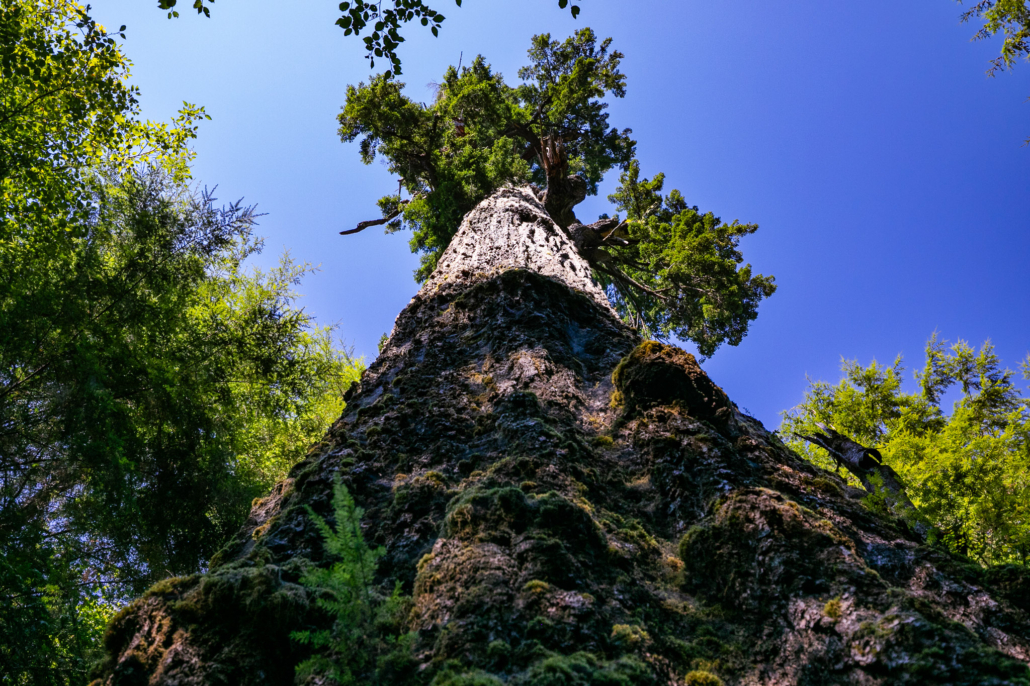
UPDATED: Port Renfrew Big Trees Map
Explore the updated Port Renfrew Big Trees Map with new directions, trails, and routes to iconic giants like Big Lonely Doug, Eden Grove, and more.
https://staging.ancientforestalliance.org/wp-content/uploads/2025/05/13-Red-Creek-Fir.jpg
1365
2048
TJ Watt
https://staging.ancientforestalliance.org/wp-content/uploads/2026/05/Ancient-Forest-Alliance-logo.svg
TJ Watt2026-05-29 15:39:342026-05-29 15:40:49UPDATED: Port Renfrew Big Trees Map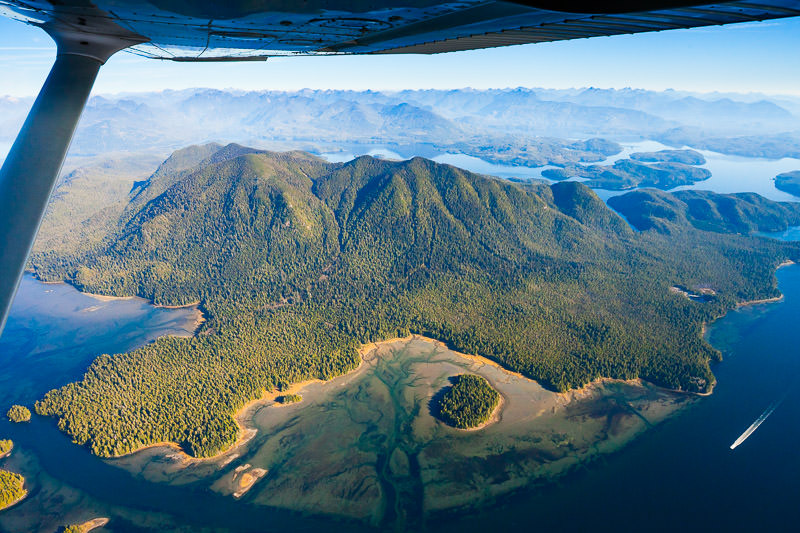
NEW! West Coast Old-Growth Hiking Guide
Explore AFA’s NEW West Coast old-growth hiking guide. From Clayoquot Sound to Port Alberni, there are trails for every skill level!
https://staging.ancientforestalliance.org/wp-content/uploads/2026/05/meares-island-big-tree-trail-tofino-1200px-338.jpg
533
800
TJ Watt
https://staging.ancientforestalliance.org/wp-content/uploads/2026/05/Ancient-Forest-Alliance-logo.svg
TJ Watt2026-05-29 12:06:002026-05-29 15:42:38NEW! West Coast Old-Growth Hiking Guide
Now Hiring: Contract Graphic Designer!
Ancient Forest Alliance is hiring a contract Graphic Designer to help bring our campaigns to life through print and digital materials.
https://staging.ancientforestalliance.org/wp-content/uploads/2026/05/flores-island-wildside-trail-1200px-430.jpg
800
1200
TJ Watt
https://staging.ancientforestalliance.org/wp-content/uploads/2026/05/Ancient-Forest-Alliance-logo.svg
TJ Watt2026-05-22 12:22:292026-05-22 12:22:29Now Hiring: Contract Graphic Designer!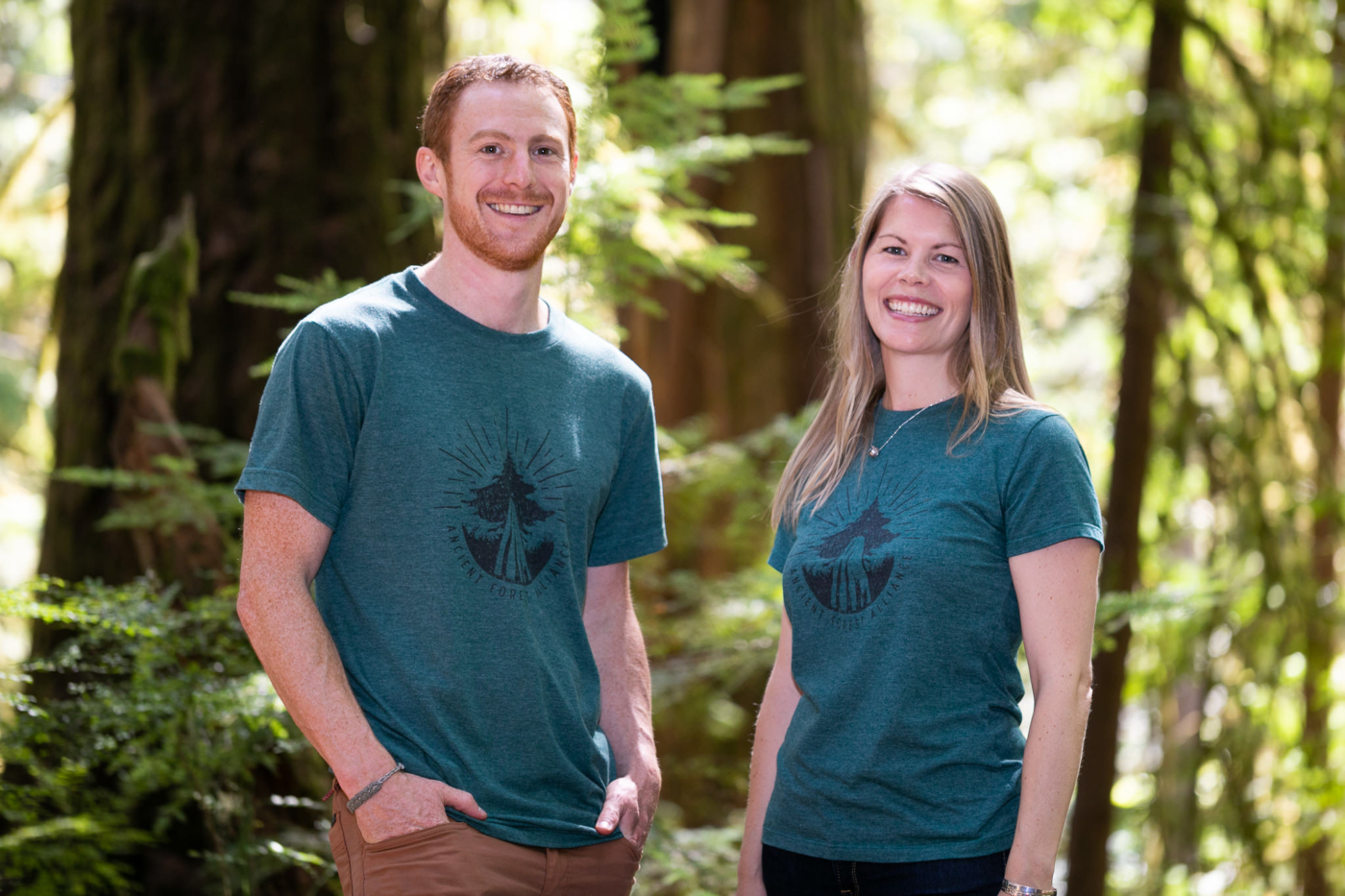
Design AFA’s Next T-Shirt and Help Protect Old-Growth Forests!
Calling all artists! For Earth Month, AFA is launching our first-ever Community T-Shirt Design Contest.
https://staging.ancientforestalliance.org/wp-content/uploads/2026/04/AFA-T-Shirt-Green-Mens-Womens.jpg
1365
2048
TJ Watt
https://staging.ancientforestalliance.org/wp-content/uploads/2026/05/Ancient-Forest-Alliance-logo.svg
TJ Watt2026-05-15 08:13:232026-05-19 09:33:44Design AFA’s Next T-Shirt and Help Protect Old-Growth Forests! Donate
 Send a Message
Environmental groups decry logging near Cathedral Grove
/in News CoverageEnvironmental groups are horrified that Island Timberlands is logging old-growth Douglas fir trees, close to Cathedral Grove, in an area that used to be protected.
Cameron Valley Firebreak was formerly protected as an ungulate winter range for Roosevelt elk and black-tailed deer, but lost that protection in 2004 when the provincial government allowed Weyerhaeuser to remove 88,000 hectares of private-managed forest land from tree farm licences.
Island Timberlands subsequently bought much of Weyerhaeuser’s private managed forest land, including the Cameron Valley Firebreak. The area was previously left unlogged to slow the spread of forest fires.
Morgan Kennah, manager of sustainable timberlands and community affairs for Island Timberlands, said at one time it was necessary to leave large strips forested, like the one in the Cameron Valley, to minimize the spread of fire. That is no longer necessary, she said.
TJ Watt, Ancient Forest Alliance co-founder, said, “The grove is just jam-packed with elk signs and ancient coastal Douglas firs – 99 per cent of which have already been logged.”
Kennah said the company manages hundreds of hectares of mature timber in the Alberni area for deer winter habitat. They recognize that this area provides good winter habitat for deer, along with many other areas across their private managed forest land.
“From Island’s perspective, the area being harvested is some of the least used during winter months by ungulates,” she said.
There are also culturally modified trees, stripped for their cedar bark, she said.
The Port Alberni-based Watershed-Forest Alliance and Ancient Forest Alliance are appealing to Island Timberlands to stop logging the grove until funds can be raised to save it.
“Island Timberlands does not plan to halt current harvest plans underway, at the request of the Ancient Forest Alliance,” Kennah said.
Jane Morden, Watership-Forest Alliance coordinator, said: “This old-growth forest, that stretches from mountaintop to valley bottom, is of monumental importance to deer and elk and is incredibly beautiful to wander through.”
Logging began last week, Kennah said, and will continue for about three-and-ahalf months.
[Times Colonist article no longer available]
Yogis in support of the Ancient Forest Alliance!
/in AnnouncementsFor the month of May, Feel Good Yoga has chosen the Ancient Forest Alliance as the recipient of their monthly Karma Yoga fund!
Karma Classes are Hatha Yoga and great for beginners.
Held Sunday evenings from 5:15 – 6:30, and are by donation.
Dates for May are the 6th, 13th, and 27th. No class on May 20th due to the stat holiday.
The address is: Reflections Building, 127-2745 Veterans Memorial parkway, in Langford
For more information:
Tel: 250-474-6935
https://www.feelgoodyogavictoria.com/
Email: info@feelgoodyogavictoria.com
www.facebook.com/feelgoodyogapilates
Gratitude and thanks to Jenny and Feel Good Yoga for your kind support!
Crown lands belong to the public, not government
/in News CoverageBritish Columbians are once again being treated to increased controversy about the management of our Crown land forests – whether it is the decreased role of the chief forester, new threats to remove land from forest reserves or the privatization of the forests themselves.
It is important to remember that the notion of Crown land and not selling off the forest-land base goes back to the very beginnings of land allocation in British Columbia.
The principle of public ownership of B.C.’s forest was firmly established by the House of Assembly before B.C. became a province. We find the view presented and adopted that the selling and granting of large tracts of timberland to companies or individuals should not be entertained, as it is socially injurious and detrimental to settlement.
When land grants were proposed to attract investment in sawmilling, the response was: We will offer licences to cut timber only on unsold and unpreempted land. Thus, leases and licences became the predominant forest tenure.
As a result of this farreaching notion, 94 per cent of British Columbia remains public Crown land. The province, by retaining the land base in public ownership nearly 150 years ago, kept its options open for other public purposes to be met concomitant with timber production.
Citizens of B.C. could continue to enjoy the land, recreate on the trails, raft down the rivers, pick huckleberries and mushrooms, hunt wildlife and fish for salmon, while the revenues generated from these leases and licences would stay within government to build hospitals in our communities, provide education to our children and grandchildren and support art projects and theatre productions.
What a grand model – the government stewards the land for the benefit of the people.
The notion of managing B.C. with a mind to the future, rather than selling the land or moving its responsibility to the private sector, is a vision worthy of continued public support.
However, the current trends are disturbing and leave many people wondering whether the government of today has abandoned this notion of stewarding the land for the future.
Today, B.C.’s Crown lands are being treated more as “government land” that the province can do with what it wants, with seemingly little respect for public ownership, economic sustainability and the Crown’s obligation to honour the claims of First Nations.
The auditor general recently rapped the government’s knuckles: “These forests contribute to employment, tourism and recreational opportunities, as well as generate significant revenue for government to finance public services. However, trends indicate that the future availability of timber will be smaller and less diverse, putting future revenue opportunities at risk.”
Beyond that, a recent report by four retired professionals indicates the budget for resource-related ministries has decreased by 52 per cent in the last 10 years: “There is growing concern, and some evidence, that government and industry are not devoting the level of funding and staffing to renewable resource management that is needed to meet those expectations and responsibilities. Many wonder if the province’s magnificent natural resource legacy is receiving the attention it should.”
In addition, the Forest Practices Board has outlined its concerns about the cumulative effects of resource use on Crown land by the forest industry, mining, oil and gas, and wind power: “What seems to be missing is a well-structured, transparent process for deciding what to do and specifying how to do it.”
The provincial government needs to better manage our lands, biodiversity, forests, and water resources. It needs to develop a strategy that not only addresses employment, tourism and public recreation, but also focuses the government’s financial and staff resources to foster ecological health, economic stability and quality of life for British Columbians now and into the future.
We don’t want to be the generation that fetters the future of our Crown land by selling it and mismanaging its resources. We don’t want to be the generation that “divests” the historic patrimony of our forests, salmon, rivers and wildlife to the degree that successive generations won’t be able to benefit from our Crown lands as envisaged in 1866.
Instead, we must be the generation that identifies what is wrong with the current trends and identifies solutions so that the future management of B.C.’s Crown land is focused on a return to its citizens and its communities.
These changes have been slowly occurring for a long time, seem to have sped up over the last decade and have happened largely without public knowledge.
Indeed, few British Columbians are likely even aware that nearly all the lands and water in the province are publicly owned. There is an urgent need to change our ways and build on this Crown land legacy in a manner that will ensure a healthy economy, a healthy environment and sustainable communities.
Bob Peart is a biologist who has been involved in land use planning, First Nation consultation and park planning and management for more than 30 years.
Read more: https://www.timescolonist.com/Crown+lands+belong+public+government/6529005/story.html#ixzz1tYxFvzG2