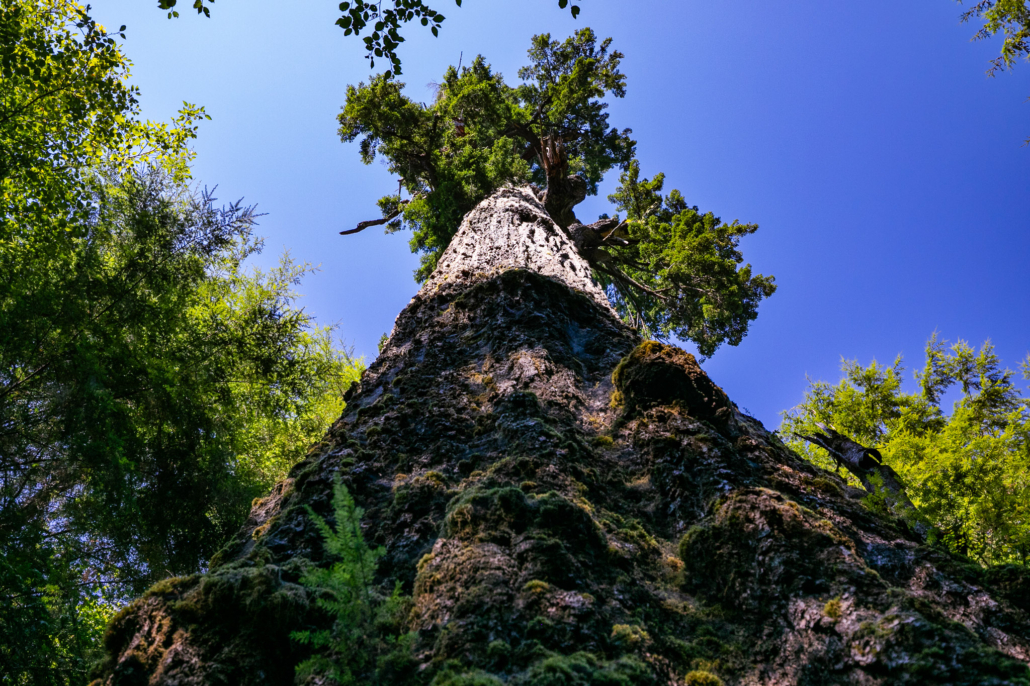
UPDATED: Port Renfrew Big Trees Map
Explore the updated Port Renfrew Big Trees Map with new directions, trails, and routes to iconic giants like Big Lonely Doug, Eden Grove, and more.
https://staging.ancientforestalliance.org/wp-content/uploads/2025/05/13-Red-Creek-Fir.jpg
1365
2048
TJ Watt
https://staging.ancientforestalliance.org/wp-content/uploads/2026/05/Ancient-Forest-Alliance-logo.svg
TJ Watt2026-05-29 15:39:342026-05-29 15:40:49UPDATED: Port Renfrew Big Trees Map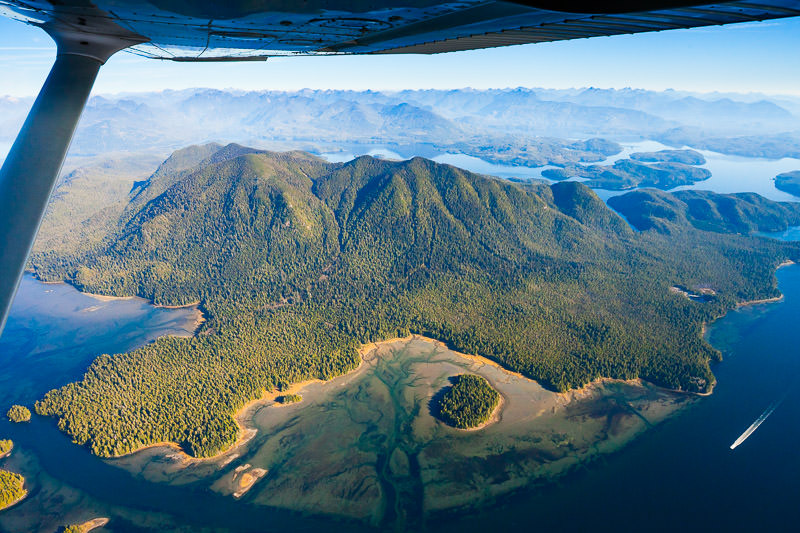
NEW! West Coast Old-Growth Hiking Guide
Explore AFA’s NEW West Coast old-growth hiking guide. From Clayoquot Sound to Port Alberni, there are trails for every skill level!
https://staging.ancientforestalliance.org/wp-content/uploads/2026/05/meares-island-big-tree-trail-tofino-1200px-338.jpg
533
800
TJ Watt
https://staging.ancientforestalliance.org/wp-content/uploads/2026/05/Ancient-Forest-Alliance-logo.svg
TJ Watt2026-05-29 12:06:002026-05-29 15:42:38NEW! West Coast Old-Growth Hiking Guide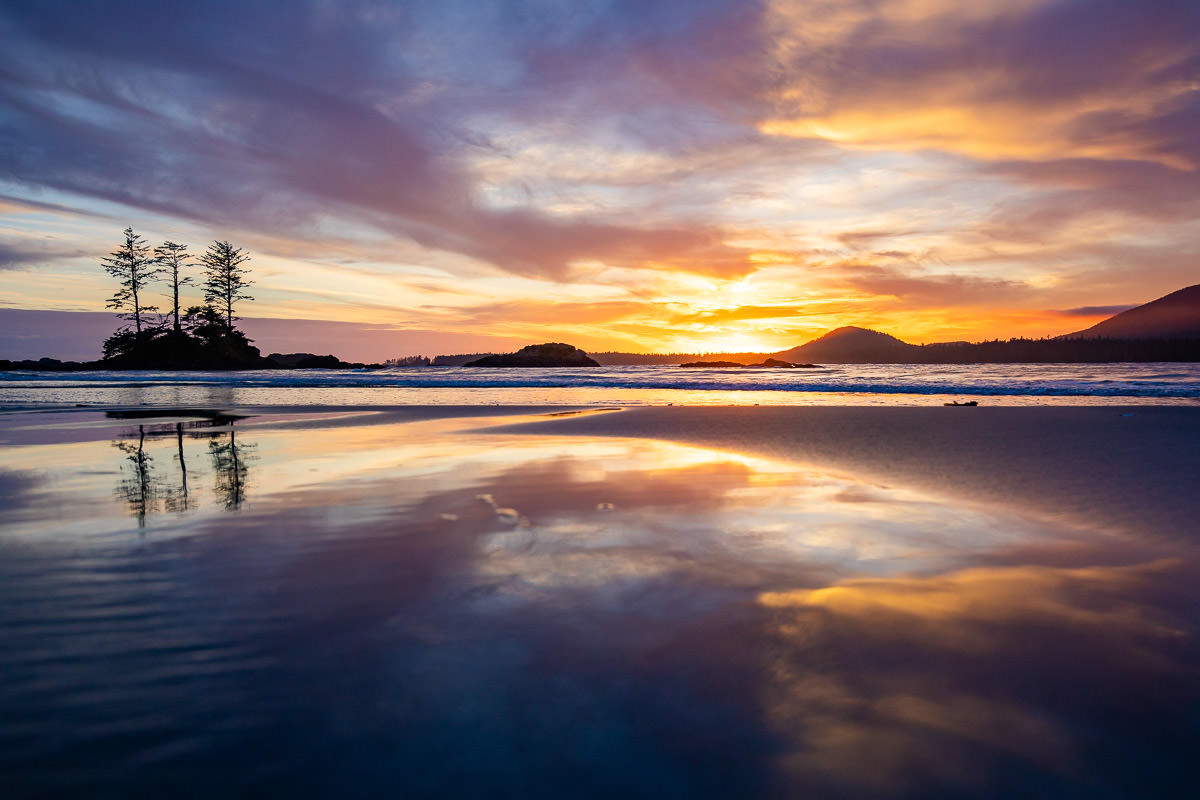
Now Hiring: Contract Graphic Designer!
Ancient Forest Alliance is hiring a contract Graphic Designer to help bring our campaigns to life through print and digital materials.
https://staging.ancientforestalliance.org/wp-content/uploads/2026/05/flores-island-wildside-trail-1200px-430.jpg
800
1200
TJ Watt
https://staging.ancientforestalliance.org/wp-content/uploads/2026/05/Ancient-Forest-Alliance-logo.svg
TJ Watt2026-05-22 12:22:292026-05-22 12:22:29Now Hiring: Contract Graphic Designer!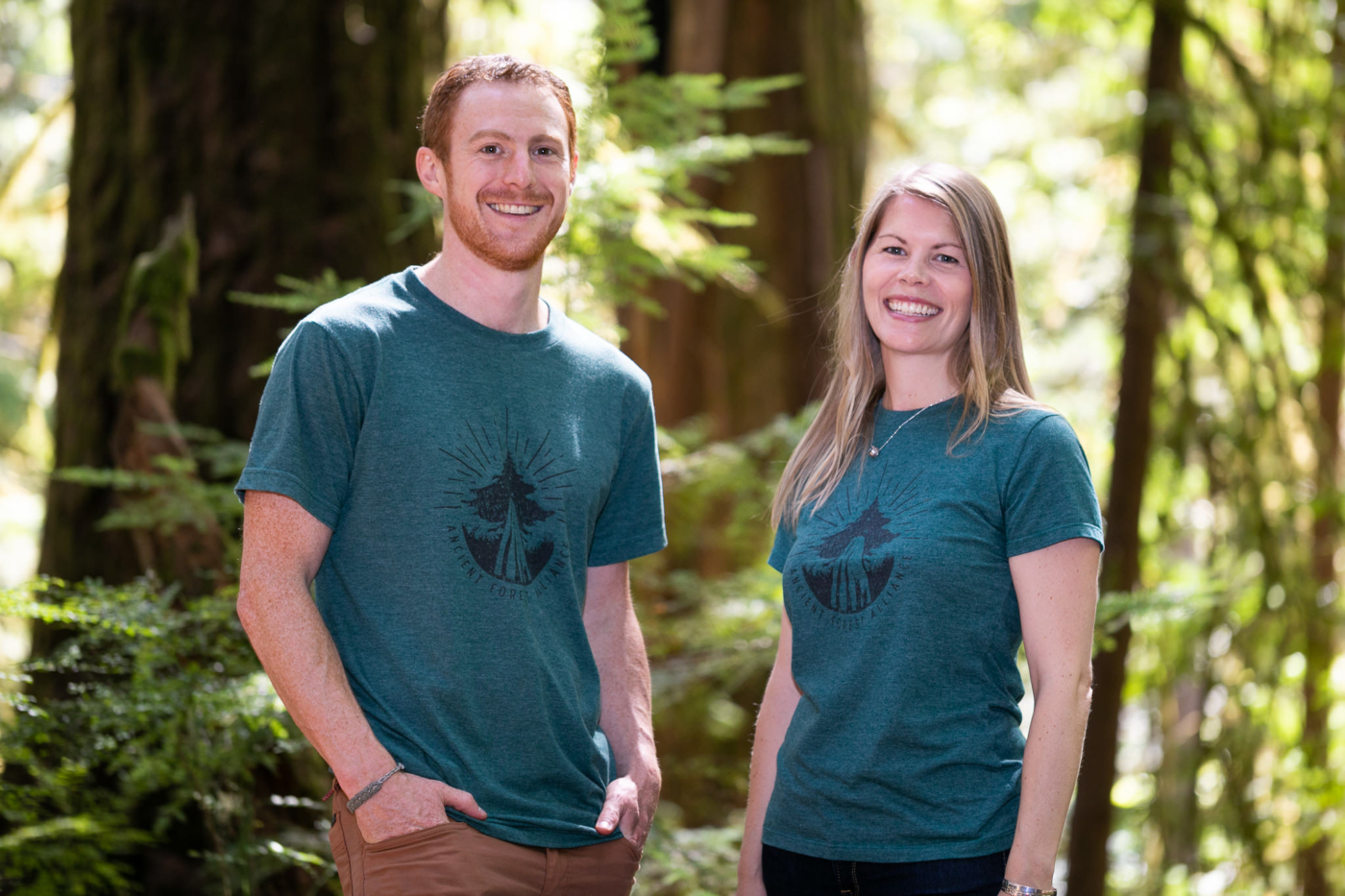
Design AFA’s Next T-Shirt and Help Protect Old-Growth Forests!
Calling all artists! For Earth Month, AFA is launching our first-ever Community T-Shirt Design Contest.
https://staging.ancientforestalliance.org/wp-content/uploads/2026/04/AFA-T-Shirt-Green-Mens-Womens.jpg
1365
2048
TJ Watt
https://staging.ancientforestalliance.org/wp-content/uploads/2026/05/Ancient-Forest-Alliance-logo.svg
TJ Watt2026-05-15 08:13:232026-05-19 09:33:44Design AFA’s Next T-Shirt and Help Protect Old-Growth Forests! Donate
 Send a Message
Whoever wins election needs to take early action on environment
/in News CoverageWhatever happens in the election this week, it is clear the newly elected premier, whether it is Adrian Dix or Christy Clark, will have to put the environment high on the agenda for early action.
Pipelines and liquefied natural gas development emerged as key, perhaps even defining, issues during the campaign, but there are more problems out there.
Here are 10 things the premier has to act on if he, or she, wants credibility on the green file.
No. 1: Withdraw from the Environmental Assessment Equivalency Agreement that the province signed with the federal government. There is an exit clause in the deal, which essentially gives the National Energy Board the power to do environmental assessments for B.C. By opting out, the province will have a lot more say over pipeline proposals, natural gas processing plants and off-shore oil or gas facilities. The NDP has said it will get out within 30 days. A Liberal government should do the same.
No. 2: Scrap Site C. The province shouldn’t drown valuable farm land that can produce food for thousands of years to provide power to LNG plants that will be relatively short-lived.
No. 3: Bring the rapidly expanding number of independent power projects under tighter environmental scrutiny. Under the Liberals, 55 private hydro projects have been built and another 35 are proposed. But the government has done a poor job of monitoring them, allowing fish kills and other damaging impacts.
No. 4: Bring in legislation to make it illegal to cut any more giant, old-growth trees. The Ancient Forest Alliance alerted the public to plans to log the Avatar Grove, near Port Renfrew, saving it just in time. But the group is now warning the last of B.C.’s ancient trees will soon be lost unless something is done.
Vicky Husband, one of B.C.’s leading conservationists, says the group’s new maps “clearly show the ecological crisis in B.C.’s forests due to a century of overcutting.”
No. 5: Modernize the 150-year-old Mineral Tenure Act, which was drafted during the gold-rush and has given mining companies “free entry” for far too long. The law allows miners to stake claims virtually anywhere they want to in B.C., without consulting the government or First Nations. Should mining companies really be allowed to stake claims over places such as the Gulf Islands? They are now, under an antiquated law that should have been revised when miners stopped using mules.
No. 6: Don’t allow coal mining to expand in the Elk Valley until the companies working there have demonstrated they can stop polluting streams with selenium. The water in some areas is already so toxic it can deform fish eggs and kill aquatic insects. Do we really need to see a two-headed trout before bringing this issue under control?
No. 7: Strike an all-party committee to come up with a plan to take over the duties of the federal Department of Fisheries and Oceans. DFO has been so badly managed that our salmon stocks are in peril. It’s time to stop managing B.C.’s fish from Ottawa.
No. 8: Take meaningful steps to protect endangered species. B.C.’s spotted owl population has fallen from 1,000 breeding pairs to less than a dozen birds. Marbled murrelets are in decline and so are mountain caribou. Extinction should not be acceptable to any government, anywhere.
No. 9: Form an elders council to provide the government with advice on how to best manage the environment. This approach has worked for First Nations for about 10,000 years.
N0. 10: Listen to the Greens. Whether or not the party gets any seats, it has a lot of smart things to say about the environment.
Link to Globe & Mail online article: www.theglobeandmail.com/news/british-columbia/whoever-wins-election-needs-to-take-early-action-on-environment/article11881474/
"The Good, the Bad, and the Wobbly"
/in Media Release“The Green, Liberal, and NDP platforms on old-growth logging and sustainable forestry can best be summarized as ‘The Good, the Bad, and the Wobbly’,” stated Ken Wu, Ancient Forest Alliance executive director. “The Greens have committed to ending logging of our endangered old-growth forests, the BC Liberals are still spinning their anti-environmental fairy tale that ‘old-growth forests are not disappearing’, and the NDP are trying to figure out how far they’ll go to protect old-growth forests but have not provided any details or made any strong commitments.”
On old-growth logging and sustainable forestry, the parties’ platforms are as follows:
The Green Party’s platform can be described as “Good”.
The Greens have committed to a science-based plan to fully protect BC’s old-growth forests in endangered regions, to reduce the unsustainable overcutting of second-growth forests with longer rotations and to phase-out clearcutting, and to increase the fee on raw log exports to support value-added processing of BC wood products. https://www.greenparty.bc.ca/forest_action_plan and https://www.greenparty.bc.ca/forestry
The BC Liberals’ platform can be described as “Bad”.
The BC Liberals maintain that old-growth forests are not disappearing, that raw log exports are necessary, and continue to support the status quo of large-scale old-growth liquidation. See this article in the Times Colonist.
The BC Liberals have been promoting misleading statistics for a decade where they’ve overinflated the amount of remaining old-growth forests by including vast tracts of stunted, non-commercial “bonsai” forests in bogs and at high altitudes in their statistics. “It’s like including your Monopoly money with your real money and then claiming to be a millionaire, so why stop spending?” Wu noted. “The BC Liberals have been the ‘Despoilers of Beautiful BC’ when it comes to supporting large-scale old-growth logging and unsustainable forestry across most of the province.”
The NDP’s platform platform can be described as “Wobbly” or “Vague”.
The NDP mention protecting “valuable old-growth forests” in their main platform (see page 42: https://www.bcndp.ca/files/BCNDP-Platform-2013-Web.pdf- Link no longer available), but don’t provide any key details like “how”, “how much”, “where”, and “when”. The party has not committed to ending old-growth logging in any region of BC, nor to a science-based old-growth protection plan for the province. The party says it aims to reduce raw log exports, but provides no details how except to “work with stakeholders”. During the election campaign, thousands of people have written emails and called NDP candidates (see https://www.BCForestMovement.com – Link no longer available) asking them to end logging of endangered old-growth forests. The NDP’s position has evolved from no mention of old-growth, sustainable forestry or the environment in their status quo Forestry Platform (April 15), to a brief mention of old-growth in their Main Platform (April 24), and in recent days increasing mention of saving old-growth forests in their various PR initiatives (but still lacking detailed, strong commitments).
“As the NDP are likely to be the next government, I sure hope they remember the 1990’s ‘War in the Woods’, and that they truly listen to the conservation movement and implement a science-based old-growth protection plan that will end endangered old-growth logging and ensure a sustainable, value-added, second-growth forest industry,” stated Ken Wu.
New maps of BC’s southern coast highlight the ecological crisis in BC’s forests due to old-growth logging. At least 74% of the original, productive old-growth forests have been logged, including at least 91% of the biggest, best old-growth stands (ie. the“classic” high productivity valley-bottom old-growth forests with the largest monumental trees most heavily visited by tourists and featured in photos). See the new maps and statistics at: https://staging.ancientforestalliance.org/ancient-forests/before-after-old-growth-maps/
Ancient forests are vital to sustain endangered species, tourism, the climate, clean water, wild salmon, and many First Nations cultures.
The BC Conservatives have made no mention in their platform or website about old-growth protection, sustainable forestry, or anything environment-related to forestry. About the only mention of forestry in their platform is a strange statement that “the BC Liberals have shown little enthusiasm for the development of British Columbia’s abundant natural resources.” “They must have a pretty scary platform on the environment if they think that,” Wu observed.
MORE BACKGROUND INFO:
How has the NDP’s Position Evolved on Old-Growth Forests?
– From 2006-2008 (Forestry Critic Bob Simpson) the party called for a “Provincial Old-Growth Plan for the Coast and Interior”. During this time, Simpson moved the party into a strong position in favour of protecting old-growth forests, but was ousted from the party a couple years later.
– In 2011 during Adrian Dix’s NDP party leadership bid, Dix had quickly followed the lead of his opponent, John Horgan, who was also vying for party leadership and who had made old-growth forest protection a key part of his platform. Dix soon followed, committing to: “Develop a long term strategy for old growth forests in the Province, including protection of specific areas that are facing immediate logging plans…” See point 4 under “Ecosystem Management” at: [Original article no longer available] . This commitment has since not been further developed, re-mentioned, or even officially adopted by the party.
– On April 15, 2013, the NDP’s Forestry Platform was launched (Forestry Critics Norm MacDonald and Bill Routley). There was no mention of old-growth forests, sustainability, or the environment. See: https://www.bcndp.ca/files/BG-BCNDP-130415_-_Forestry.pdf
– On April 22 (Earth Day), 2013, the NDP’s Environment Platform was launched. There was no mention of old-growth forests in the media release or in public. See: https://www.bcndp.ca/newsroom/dix-invests-green-projects-ends-carbon-credit-fund-and-reaffirms-opposition-enbridge
– On April 24, 2013, the NDP’s Main Platform was launched. The words “Protect significant ecological areas like wetlands, estuaries and valuable old-growth forests” were included in the Environment section. This was a recent step forward, but still vague without details. See page 42: https://www.bcndp.ca/files/BCNDP-Platform-2013-Web.pdf
Tracts of old-growth forests are regularly protected in BC each year through the implementation of regional land use plans that designate new Old-Growth Management Areas (OGMA’s), often in marginal old-growth stands with stunted trees – while at the same time larger areas of productive old-growth forests are logged.
Key questions about the NDP’s old-growth commitment include if it would be above and beyond the protection levels of current land use plans; if it would be a limited, ad-hoc approach on the party’s whim wherever they choose to or choose not to protect, or if would be a comprehensive, systematic protection plan across the province; if it would involve science-based conservation assessments that set old-growth protection/ restoration targets in each ecosystem and region of the province that must be met to minimize biodiversity loss; and if they would actually end old-growth logging in any regions deemed endangered by science.
“A crucial question is if the NDP’s old-growth protection commitment would exceed the inadequate protection levels of the status quo under the BC Liberals and restrict or fully end the logging of endangered old-growth forests in any regions of the province. Without further details, the NDP’s stance could very well be just a continuation of the unsustainable status quo. In fact, BC’s top industry insiders say it is,” stated Ken Wu.
The presidents of BC’s two largest old-growth logging industry associations, Rick Jeffrey of the Coast Forest Products Association (CFPA) and John Allen of the Council Of Forest Industries (COFI), have both stated that the NDP’s forestry platform represents the status quo, with little difference from the BC Liberal government’s policies. See “Parties’ Forestry Platforms Show Few Differences, Industry Insiders Say”: https://www.timescolonist.com/parties-forestry-platforms-show-few-differences-industry-insiders-say-1.111472 and “Global TV: Cathedral Grove and NDP on Forestry” https://www.youtube.com/watch?v=NOz232HDx3Y
See spectacular photos of our old-growth forests at: https://staging.ancientforestalliance.org/photos-media/.
See a recent ancient forest campaign video at: https://www.youtube.com/watch?v=z6YTizBF-jE
Your election, your choice
/in News CoverageEnvironment
“In many ecosystems of B.C., old-growth forest is incredibly scarce — 91 per cent of valley bottom ancient forest growth on the southern coast has been logged of the classic monumental trees. Are you willing to commit to fully ending old-growth logging in any regions or ecosystems of B.C.?”
Ken Wu , Executive Director, Ancient Forest Alliance