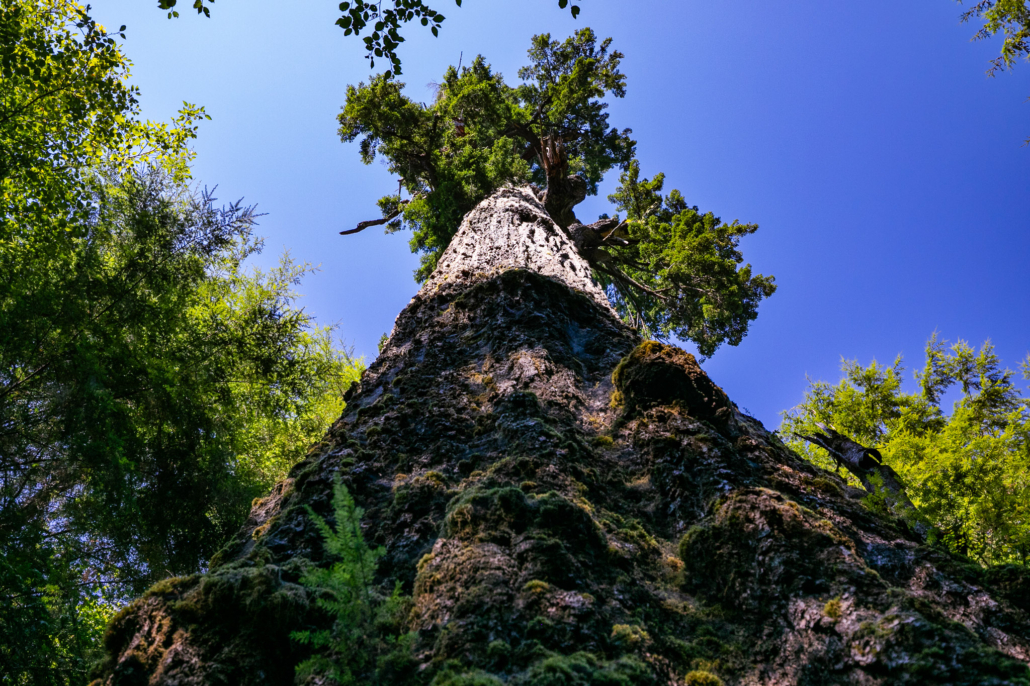
UPDATED: Port Renfrew Big Trees Map
Explore the updated Port Renfrew Big Trees Map with new directions, trails, and routes to iconic giants like Big Lonely Doug, Eden Grove, and more.
https://staging.ancientforestalliance.org/wp-content/uploads/2025/05/13-Red-Creek-Fir.jpg
1365
2048
TJ Watt
https://staging.ancientforestalliance.org/wp-content/uploads/2026/05/Ancient-Forest-Alliance-logo.svg
TJ Watt2026-05-29 15:39:342026-05-29 15:40:49UPDATED: Port Renfrew Big Trees Map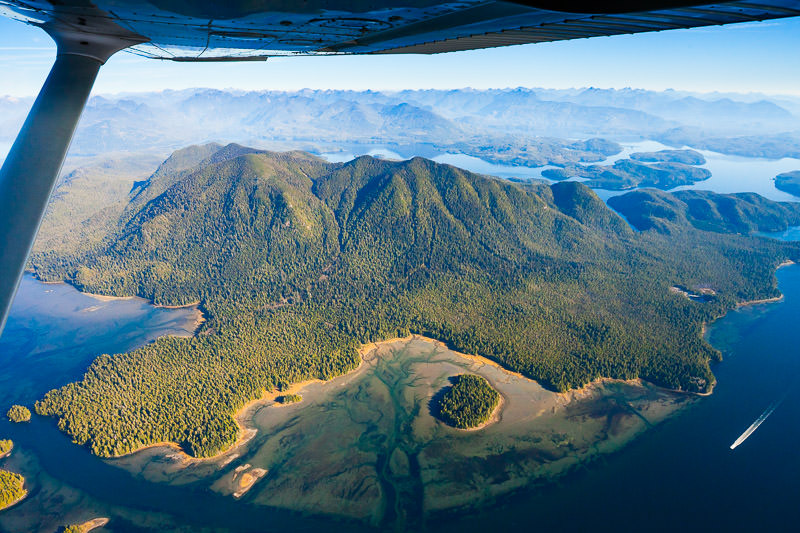
NEW! West Coast Old-Growth Hiking Guide
Explore AFA’s NEW West Coast old-growth hiking guide. From Clayoquot Sound to Port Alberni, there are trails for every skill level!
https://staging.ancientforestalliance.org/wp-content/uploads/2026/05/meares-island-big-tree-trail-tofino-1200px-338.jpg
533
800
TJ Watt
https://staging.ancientforestalliance.org/wp-content/uploads/2026/05/Ancient-Forest-Alliance-logo.svg
TJ Watt2026-05-29 12:06:002026-05-29 15:42:38NEW! West Coast Old-Growth Hiking Guide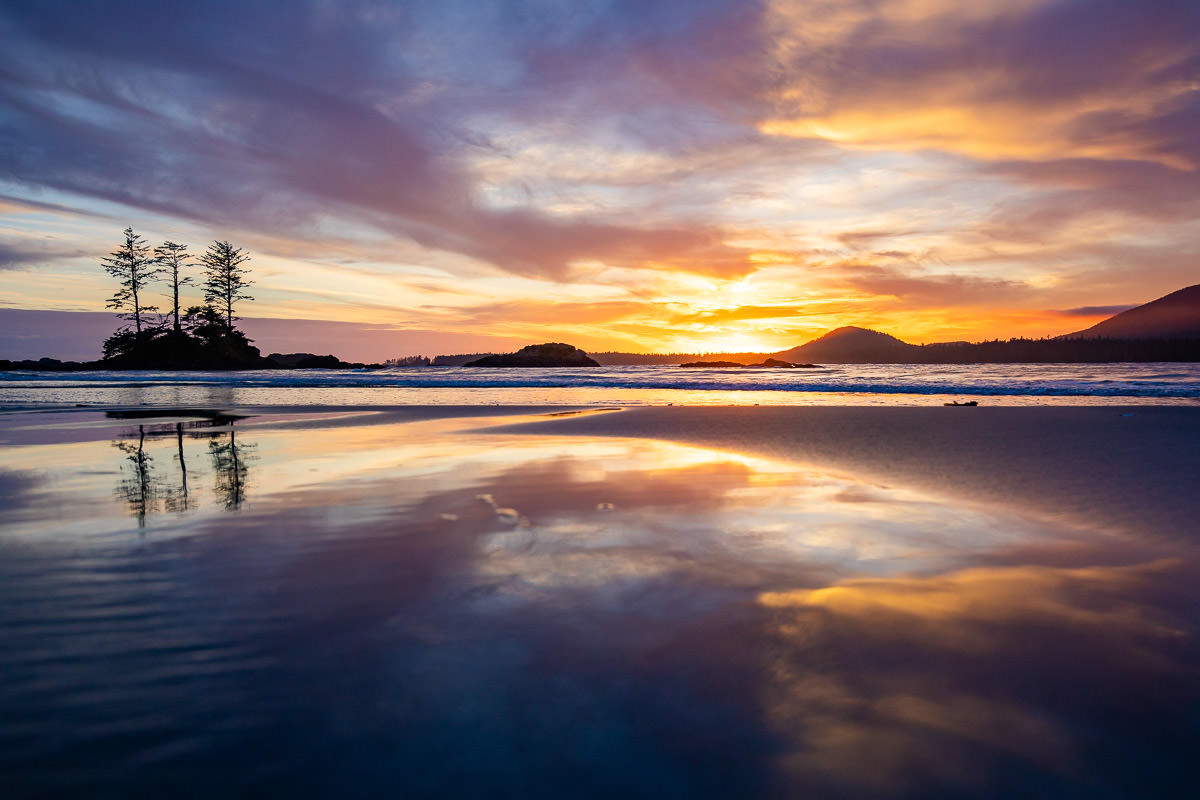
Now Hiring: Contract Graphic Designer!
Ancient Forest Alliance is hiring a contract Graphic Designer to help bring our campaigns to life through print and digital materials.
https://staging.ancientforestalliance.org/wp-content/uploads/2026/05/flores-island-wildside-trail-1200px-430.jpg
800
1200
TJ Watt
https://staging.ancientforestalliance.org/wp-content/uploads/2026/05/Ancient-Forest-Alliance-logo.svg
TJ Watt2026-05-22 12:22:292026-05-22 12:22:29Now Hiring: Contract Graphic Designer!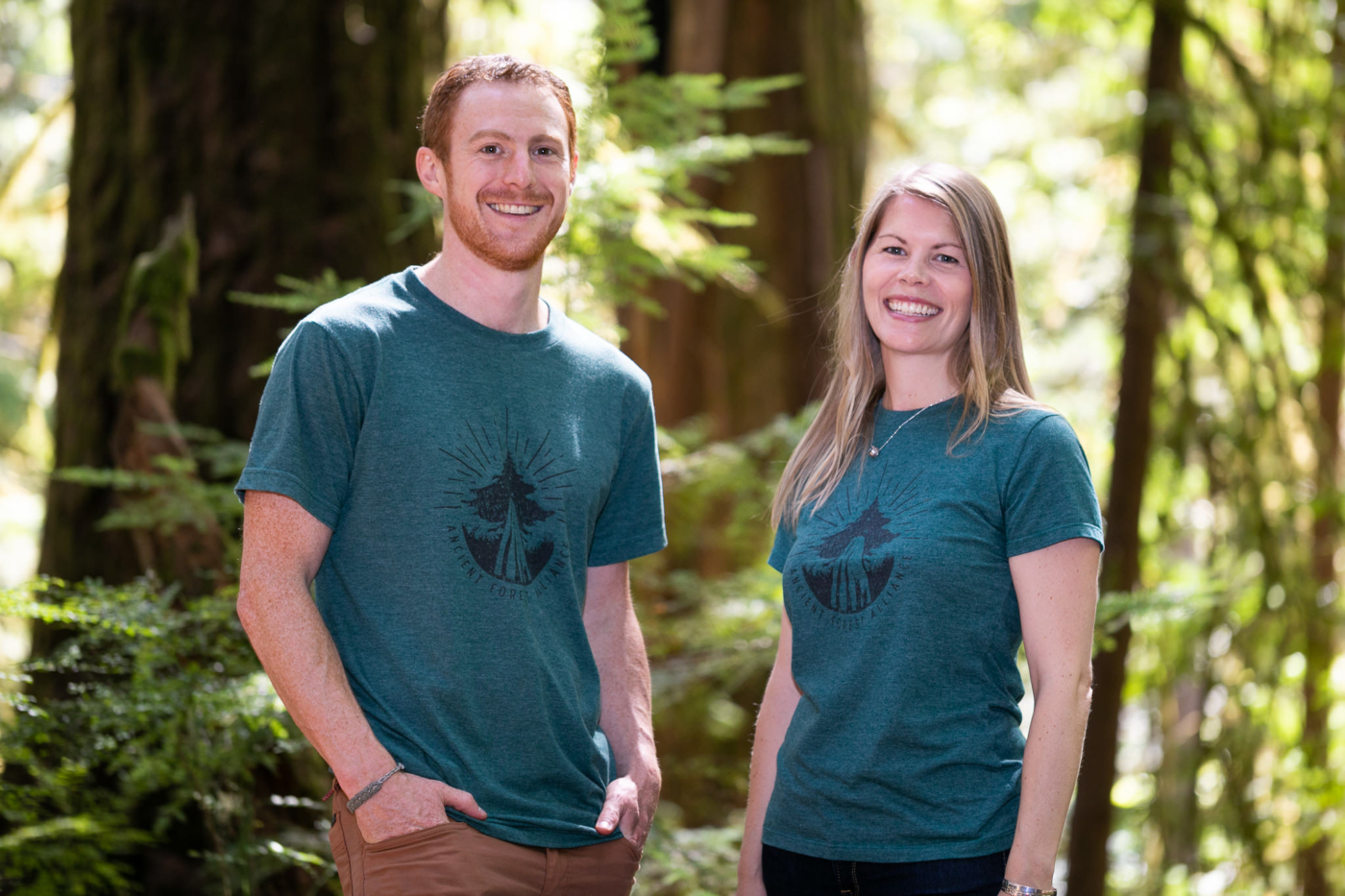
Design AFA’s Next T-Shirt and Help Protect Old-Growth Forests!
Calling all artists! For Earth Month, AFA is launching our first-ever Community T-Shirt Design Contest.
https://staging.ancientforestalliance.org/wp-content/uploads/2026/04/AFA-T-Shirt-Green-Mens-Womens.jpg
1365
2048
TJ Watt
https://staging.ancientforestalliance.org/wp-content/uploads/2026/05/Ancient-Forest-Alliance-logo.svg
TJ Watt2026-05-15 08:13:232026-05-19 09:33:44Design AFA’s Next T-Shirt and Help Protect Old-Growth Forests! Donate
 Send a Message
Big Lonely Doug Officially Measured and Confirmed as Canada’s 2nd Largest Douglas-fir Tree
/in Media ReleaseFor Immediate Release
April 24, 2014
“Big Lonely Doug” Officially Measured and Confirmed as Canada’s 2nd Largest Douglas-fir Tree
Port Renfrew, Vancouver Island – “Big Lonely Doug”, a recently found old-growth Douglas-fir tree standing alone in a clearcut on southern Vancouver Island, has been officially measured to be the second largest Douglas-fir tree in Canada. Last week, renowned forest ecologist Andy MacKinnon, who manages the BC Big Tree Registry (see: https://bigtrees.forestry.ubc.ca/) run by the University of British Columbia and is also the co-author of the best-selling “Plants of Coastal British Columbia, Washington, and Oregon”, measured the goliath tree. The results are as follows:
Big Lonely Doug dimensions:
This makes Big Lonely Doug the second largest Douglas-fir tree in British Columbia and Canada in terms of total size, based on its “points” (ie. a combination of circumference, height, and crown spread) and the second largest in circumference. Big Lonely Doug was first noticed by Ancient Forest Alliance campaigner TJ Watt several months ago as being an unusually large tree, and the organization returned several weeks ago to take preliminary measurements. Official measurements were taken last Friday.
The world’s largest Douglas-fir tree is the Red Creek Fir, located just 20 kilometers to the east of Big Lonely Doug in the San Juan River Valley, and is 13.28 meters (44 feet) in circumference, 4.3 meters (14 feet) in diameter, 73.8 meters (242 feet) tall, and has 784 AFA points.
Conservationists estimate that Big Lonely Doug may be 1000 years old, judging by nearby 2-meter-wide Douglas-fir stumps in the same clearcut with growth rings of 500 years. Big Lonely Doug grows in the Gordon River Valley near the coastal town of Port Renfrew on southern Vancouver Island, known as the “Tall Trees Capital” of Canada. It stands on Crown lands in Tree Farm Licence 46 in the traditional territory of the Pacheedaht First Nation band.
Conservationists are calling for provincial legislation to protect BC’s biggest trees, monumental groves, and endangered old-growth forests.
“We’re encouraging the province to keep moving forward with its promise to protect BC’s largest trees and monumental groves, and to also protect BC’s endangered old-growth ecosystems on a more comprehensive basis,” stated Ken Wu, AFA executive director. “The days of colossal trees like these are quickly coming to an end as the last unprotected lowland ancient forests in southern BC where giants like this grow are almost all gone.”
The BC Ministry of Forests, Lands, and Natural Resource Operations is currently working to follow up on a 2011 promise by then-Forest Minister Pat Bell to develop a new “legal tool” to protect the province’s biggest old-growth trees and grandest groves. Such a legal mechanism, if effective and if implemented to save not just individual trees but also the grandest groves, would be an important step forward in environmental protection and for enhancing the eco-tourism potential of the province. More comprehensive legislation would still be needed to protect the province’s old-growth ecosystems on a larger scale, to sustain biodiversity, clean water, and the climate, as the biggest trees and monumental groves are today a tiny fraction of the remaining old-growth forests which remain mainly on more marginal growing sites with smaller trees.
BC’s old-growth forests are important to sustain numerous species at risk that can’t live or flourish in second-growth stands; to mitigate climate change by storing over twice as much atmospheric carbon per hectare than the ensuing second-growth tree plantations that they are being replaced with; as fundamental pillars for BC’s multi-billion dollar tourism industry; to support clean water and wild salmon; and for many First Nations cultures who use ancient cedar trees for canoes, totems, long-houses, and numerous other items.
“The vast majority of BC’s remaining old-growth forests are at higher elevations, on rocky sites, and in bogs where the trees are much smaller and in many cases have low to no commercial value. It’s the productive valley-bottom stands where trees like the Big Lonely Doug grow that are incredibly scarce and are of the highest conservation priority right now,” stated TJ Watt.
See previous media coverage on Big Lonely Doug at:
• Global TV https://globalnews.ca/news/1235236/canadas-second-largest-douglas-fir-tree-may-have-been-found-near-port-renfrew
• Times Colonist https://www.timescolonist.com/news/local/vancouver-island-douglas-fir-may-be-canada-s-second-biggest-1.916676
• Vancouver Observer https://www.vancouverobserver.com/news/canadas-second-largest-douglas-fir-discovered
• CHEK TV https://www.cheknews.ca/?bckey=AQ~~,AAAA4mHNTzE~,ejlzBnGUUKY1gXVPwEwEepl35Y795rND&bclid=975107450001&bctid=3374339880001
• Huffington Post https://www.huffingtonpost.ca/2014/03/26/big-lonely-doug-tree_n_5038519.html?1395881730
• MetroNews https://metronews.ca/news/victoria/981658/photos-giant-douglas-fir-tree-found-in-b-c-may-be-largest-in-world/
Big Lonely Doug Officially 2nd-Largest Fir in Canada
/in News CoveragePORT RENFREW, B.C. – As trees go, it is one colossal conifer.
Tape measures confirm that a Douglas fir tree on Vancouver Island is officially the second-largest in Canada.
According to the B.C. Big Tree Registry run by the University of British Columbia, the tree stands 70.2 metres high, about as tall as an 18-storey building. It has a diameter of 3.91 metres — almost as long as a mid-sized car.
Dubbed “Big Lonely Doug” by those who found it, it takes 11.91 metres of tape to wrap round the base of the enormous evergreen and at the top, the tree's canopy spreads 18.33 metres across.
Conservationists believe the tree near Port Renfrew, on southern Vancouver Island, could be as much as 1,000 years old.
The country's largest Douglas fir, located in the San Juan River Valley 20 kilometres east of Big Lonely Doug, stands 73.8 metres tall and has a circumference of 13.28 metres.
Environmentalists opposed to clear-cut logging are calling on the government to stop logging in old-growth forests like the ones where these towering trees are found.
Read more and view photos at: https://www.huffingtonpost.ca/2014/04/24/big-lonely-doug-second-largest-fir-canada_n_5206970.html?1398364327
Vancouver Island tree officially second-largest in Canada
/in News CoveragePORT RENFREW, B.C. — As trees go, it is one colossal conifer.
Tape measures confirm that a Douglas fir tree on Vancouver Island is officially the second-largest in Canada.
According to the B.C. Big Tree Registry run by the University of British Columbia, the tree stands 70.2 metres high, about as tall as an 18-storey building. It has a diameter of 3.91 metres — almost as long as a mid-sized car.
Dubbed “Big Lonely Doug” by those who found it, it takes 11.91 metres of tape to wrap round the base of the enormous evergreen and at the top, the tree's canopy spreads 18.33 metres across.
Conservationists believe the tree near Port Renfrew, on southern Vancouver Island, could be as much as 1,000 years old.
The country's largest Douglas fir, located in the San Juan River Valley 20 kilometres east of Big Lonely Doug, stands 73.8 metres tall and has a circumference of 13.28 metres.
Environmentalists opposed to clear-cut logging are calling on the government to stop logging in old-growth forests like the ones where these towering trees are found.
Read more: https://www.ctvnews.ca/canada/vancouver-island-tree-officially-second-largest-in-canada-1.1790912