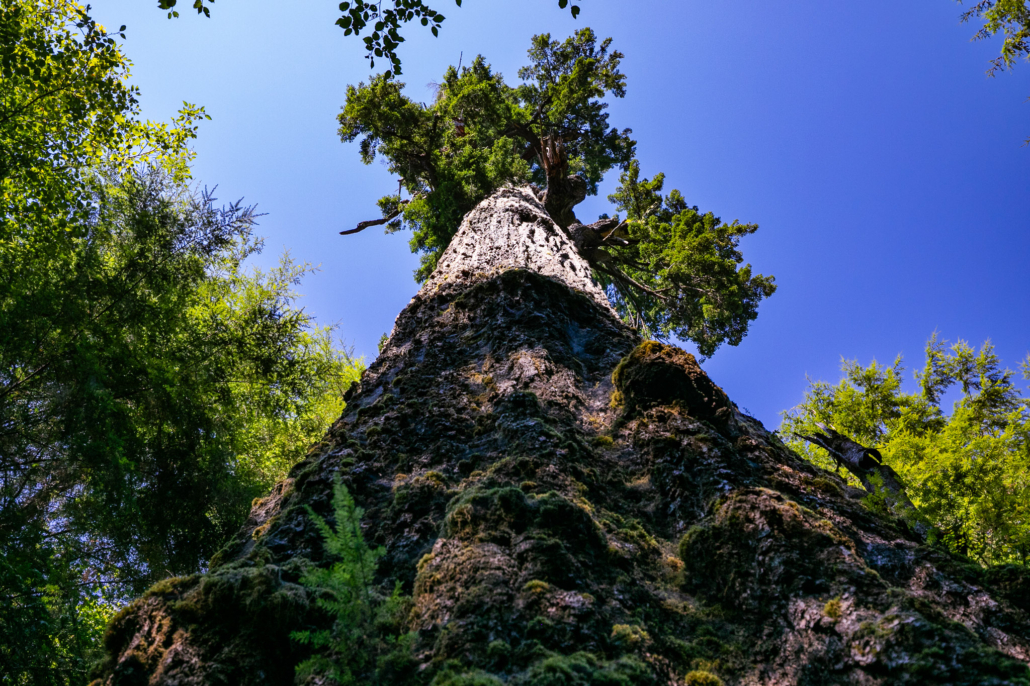
UPDATED: Port Renfrew Big Trees Map
Explore the updated Port Renfrew Big Trees Map with new directions, trails, and routes to iconic giants like Big Lonely Doug, Eden Grove, and more.
https://staging.ancientforestalliance.org/wp-content/uploads/2025/05/13-Red-Creek-Fir.jpg
1365
2048
TJ Watt
https://staging.ancientforestalliance.org/wp-content/uploads/2026/05/Ancient-Forest-Alliance-logo.svg
TJ Watt2026-05-29 15:39:342026-05-29 15:40:49UPDATED: Port Renfrew Big Trees Map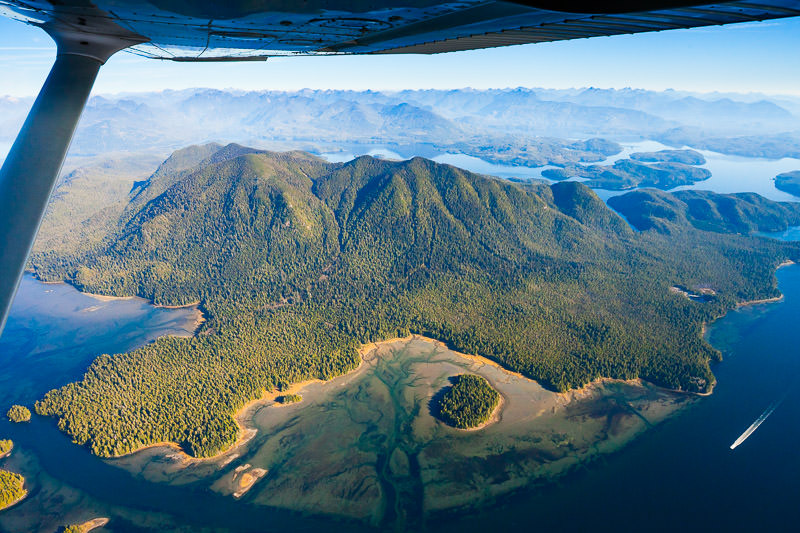
NEW! West Coast Old-Growth Hiking Guide
Explore AFA’s NEW West Coast old-growth hiking guide. From Clayoquot Sound to Port Alberni, there are trails for every skill level!
https://staging.ancientforestalliance.org/wp-content/uploads/2026/05/meares-island-big-tree-trail-tofino-1200px-338.jpg
533
800
TJ Watt
https://staging.ancientforestalliance.org/wp-content/uploads/2026/05/Ancient-Forest-Alliance-logo.svg
TJ Watt2026-05-29 12:06:002026-05-29 15:42:38NEW! West Coast Old-Growth Hiking Guide
Now Hiring: Contract Graphic Designer!
Ancient Forest Alliance is hiring a contract Graphic Designer to help bring our campaigns to life through print and digital materials.
https://staging.ancientforestalliance.org/wp-content/uploads/2026/05/flores-island-wildside-trail-1200px-430.jpg
800
1200
TJ Watt
https://staging.ancientforestalliance.org/wp-content/uploads/2026/05/Ancient-Forest-Alliance-logo.svg
TJ Watt2026-05-22 12:22:292026-05-22 12:22:29Now Hiring: Contract Graphic Designer!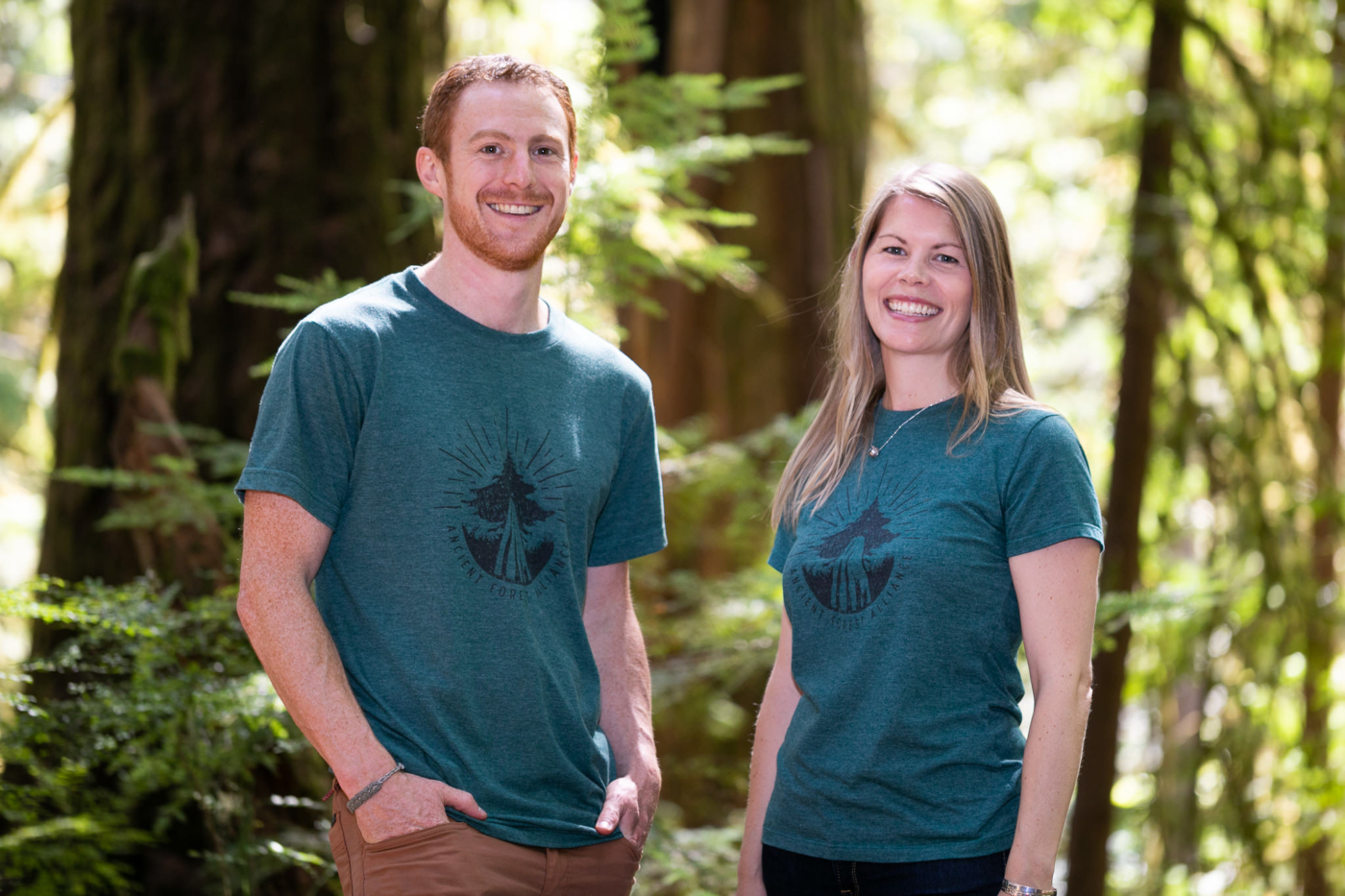
Design AFA’s Next T-Shirt and Help Protect Old-Growth Forests!
Calling all artists! For Earth Month, AFA is launching our first-ever Community T-Shirt Design Contest.
https://staging.ancientforestalliance.org/wp-content/uploads/2026/04/AFA-T-Shirt-Green-Mens-Womens.jpg
1365
2048
TJ Watt
https://staging.ancientforestalliance.org/wp-content/uploads/2026/05/Ancient-Forest-Alliance-logo.svg
TJ Watt2026-05-15 08:13:232026-05-19 09:33:44Design AFA’s Next T-Shirt and Help Protect Old-Growth Forests! Donate
 Send a Message

Protestors occupy cut block
/in News CoverageOpponents to Island Timberlands’ harvest in Lot 450 are chalking up a victory after a blockade of forestry equipment has resulted in a temporary halt to logging.
Nine women decided to take direct action and block a feller buncher parked in a cut block of the company’s private managed forest land in Lot 450 early Tuesday morning, May 19. Their action pushed the forestry company to withdraw the machinery and move it out of the area.
The women issued a media statement later in the day.
“After Powell River residents discovered trees marked for cutting with active bird nests in them, a group of women decided to protect trees containing nests,” the statement read. “The group is positioning themselves between the feller buncher and the trees effectively stopping Island Timberlands’ plan to continue clear-cutting.”
The women, as well as those standing on the picket line where Joyce Avenue and the pole line intersect, are asking Island Timberlands to halt logging until the end of nesting season and publicly release a cut plan that ensures nests and riparian zones around McFall, McGuffie and Wys Creek are respected.
“The community is not against logging but wants to see the precious urban forest which is home to hundreds of species including birds, bears, and cougars selectively logged in a way that preserves its ecological integrity,” the statement read.
Independent journalist Courtney Harrop, who embedded herself at the blockade, helped the group document the 24-hour protest with photos and video.
They met at the Island Timberlands’ feller buncher at 6 am and waited to see if an operator would be coming to start work that morning. Harrop said that the operator was quite surprised to see the women standing around the machine with their banner.
After it was clear that the women were not leaving, the operator left and the RCMP arrived to inform the women that the police had received a complaint, Harrop said. The police came in to talk with the women and advised them that they are on private land and they should not do anything which damages Island Timberlands’ property, she added. Police left without making any arrests.
An operations manager from the forestry company arrived to speak with the protestors, but left after realizing that their blockade would continue.
“Throughout the day there was a lot of community support,” Harrop said, adding that food and water was brought to the site.
Some of the protesters decided to hold the space overnight and camp out there. They were greeted by more supporters the next morning, Harrop added.
The forest company manager returned Wednesday morning to tell the group that the company would be loading logs they had already cut and requested that the feller buncher be allowed to be removed from the area, Harrop said.
“As a measure of good faith and to show that the people are reasonable and willing to negotiate, the group decided to let the machine get taken out,” she said.
The manager told the group of protestors that the company would halt logging until they had the assessment from their own biologist.
Harrop said she did not know when they expected that report, but she said that people “are not taking their eyes off Island Timberlands.”
Harrop’s video can be seen online.
[Peak article no longer available]
VIDEO: Powell River residents shocked as logging company moves to cut treasured trees
/in News CoverageView VIDEO at: https://www.vancouverobserver.com/opinion/powell-river-residents-shocked-logging-company-moves-log-treasured-trees
*******
I found out that Island Timberlands (I.T.) was set to begin logging in Powell River the same way that the local residents found out—on April 22, on Earth Day.
I.T. issued a press release and the Powell River Peak relayed the news to the public that the forestry company was going to start harvesting their timber assets within Powell River.
On the map included with the article, the cut-blocks were outlined in colored lines indicating the different classes of ownership involved. Island Timberlands owns the timber rights for several parcels of land within the City of Powell River. In some cases they don’t actually own the land, but hold one-time timber rights. In other areas they own the land fee simple.
Island Timberlands is the second-largest private landowner in British Columbia (next to TimberWest), with over 230,000 hectares of private forest lands on the coast of B.C., including on Vancouver Island, the Gulf Islands, and the Sunshine Coast. Weyerhaeuser, and before that, Macmillan-Bloedel formerly owned these lands. Much of their land base on Vancouver Island dates back to the E&N Railway grants of the 1880s.
Many in the Powell River community were dismayed, to say the least, at the news that the forest that stands in the center of their community would be gone in four months. Before they even had time to process what was about to happen, the sounds of chainsaws fired up in the distance and trees could be heard falling.
A few days after Island Timberlands announced its plans, the mayor of Powell River announced the purchase of one section of Island Timberlands’ lands adjacent to Millennium Park for $1.2 million. It seems they thought that this would appease the community and I.T. would be free to clear-cut the rest. They were mistaken.
Despite a long heritage as a forestry town, a strong contingent of residents exist who are staunchly opposed to the logging of Lot 450 and want to see it protected. A rally on Saturday, May 9 brought a diverse range of voices who came out to speak against this logging in their community, including people from within the forest industry. But they have few legal options available to them to stop the logging.
The Private Managed Forest Lands Act governs logging on private lands, and the Private Managed Forestlands Council (PMFLC) oversees this sector of the industry. The PMFLC is a five-person board consisting of two government representatives, two industry representatives, and a fifth the other four board members appoint.
That means that the government that made this law — which many environmental groups see as deeply flawed — and the companies supposedly regulated by the law, jointly oversee alleged violations. But few cases reach the point of a penalty and the maximum fines are negligible.
Seeing little hope in pursuing Island Timberlands under the Private Managed Forest Lands Act, activists in the Powell River community have shifted their focus to the Wildlife Protection Act, which also governs Island Timberlands’ logging activities.
One provision of the Wildlife Act is that it prevents logging companies from cutting trees where certain birds nest, such as eagles, falcons, hawks, herons, and ravens. Luckily for the people of Powell River, it happens to be the early days of nesting season, so they are getting out into the woods to find active birds’ nests.
With the help of an environmental consultant who has been hired to assist with the field check, volunteers have been combing the woods in search of any nesting birds that are in the path of I.T.’s logging operations. So far 15 nests have been discovered and more are being documented every day.
At the time writing, Island Timberlands has been notified of 15 nests that have been documented with GPS in the areas they are currently slated to harvest. One raven’s nest was directly in the path of I.T.’s current logging operations.
The company “voluntarily” stopped cutting in that area and have moved elsewhere on their land.
The community is continuing to search for nests that may impede Island Timberlands’ operations, which they hope will buy them some time to start a conversation over how and where forestry is done in Powell River.
Island Timberlands did not respond to the Vancouver Observer’s requests for comment at the time of publishing.
Read more: https://www.vancouverobserver.com/opinion/powell-river-residents-shocked-logging-company-moves-log-treasured-trees
Former MLA Judi Tyabji leads fight to save Powell River’s urban forest
/in News CoverageA war in the woods has erupted in Powell River, B.C., where a group of residents is fighting a plan to start logging Lot 450 — an urban forest within the city limits.
“It's our Stanley Park, that's the best way to put it,” Judi Tyabji, the president of the Pebble in the Pond Environmental Society told The Early Edition's Rick Cluff.
“It's not just trees. You walk in there, there's otters, there's cougars, there's bears. It's an ecosystem,” said the former Liberal MLA.
The area in question is owned by PRSC Land Development Ltd, a partnership between the City of Powell River, Catalyst Paper Corporation and Tla'amin First Nation, but Island Timberlands holds the logging rights.
Late last month, it announced plans to start harvesting the area — prompting outrage from residents.
“This is not an anti-logging protest. Many people in Powell River make their living from logging. This is about something that's much more valuable than that,” said Tyabji.
Since the announcement, the city signed an agreement with Island Timberlands to protect 90 acres, but Tyabji said that's not enough.
“There's still over 200 acres on land owned by the community that's slated for a clear cut,” she said.
The Pebble in the Pond Environmental Society will present an environmental study of the area to city council tonight.
Tyabji said the group has also spoken with a lawyer to explore other ways of stopping the harvest.
Island Timberlands did not return the CBC's request for comment.
To hear the full interview with Judi Tyabji, visit the link below and listen to the audio labelled: Powell River's war in the woods.
Learn more at: https://www.cbc.ca/news/canada/british-columbia/former-mla-judi-tyabji-leads-fight-to-save-powell-river-s-urban-forest-1.3064795