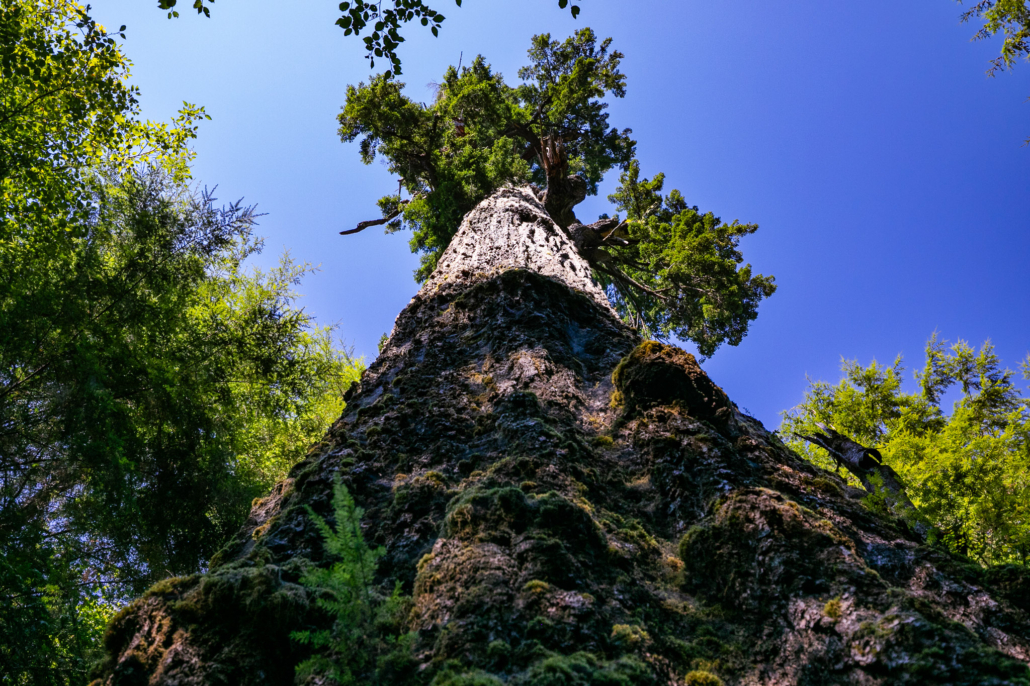
UPDATED: Port Renfrew Big Trees Map
Explore the updated Port Renfrew Big Trees Map with new directions, trails, and routes to iconic giants like Big Lonely Doug, Eden Grove, and more.
https://staging.ancientforestalliance.org/wp-content/uploads/2025/05/13-Red-Creek-Fir.jpg
1365
2048
TJ Watt
https://staging.ancientforestalliance.org/wp-content/uploads/2026/05/Ancient-Forest-Alliance-logo.svg
TJ Watt2026-05-29 15:39:342026-05-29 15:40:49UPDATED: Port Renfrew Big Trees Map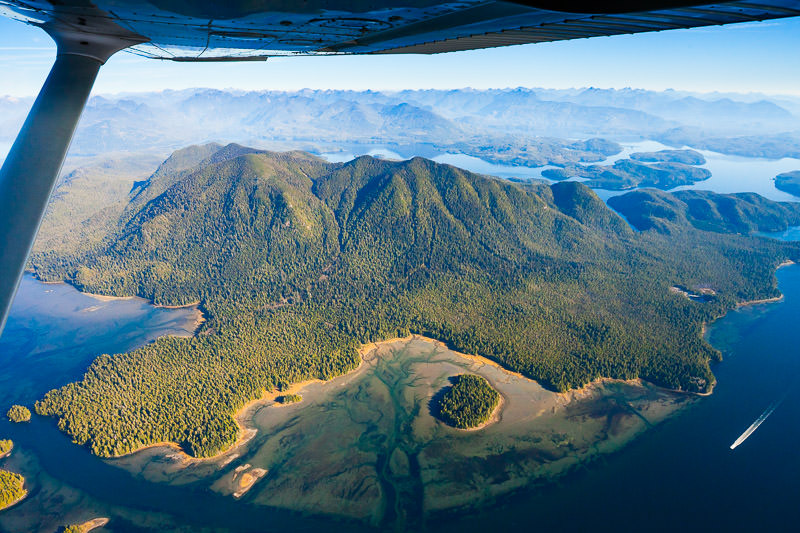
NEW! West Coast Old-Growth Hiking Guide
Explore AFA’s NEW West Coast old-growth hiking guide. From Clayoquot Sound to Port Alberni, there are trails for every skill level!
https://staging.ancientforestalliance.org/wp-content/uploads/2026/05/meares-island-big-tree-trail-tofino-1200px-338.jpg
533
800
TJ Watt
https://staging.ancientforestalliance.org/wp-content/uploads/2026/05/Ancient-Forest-Alliance-logo.svg
TJ Watt2026-05-29 12:06:002026-05-29 15:42:38NEW! West Coast Old-Growth Hiking Guide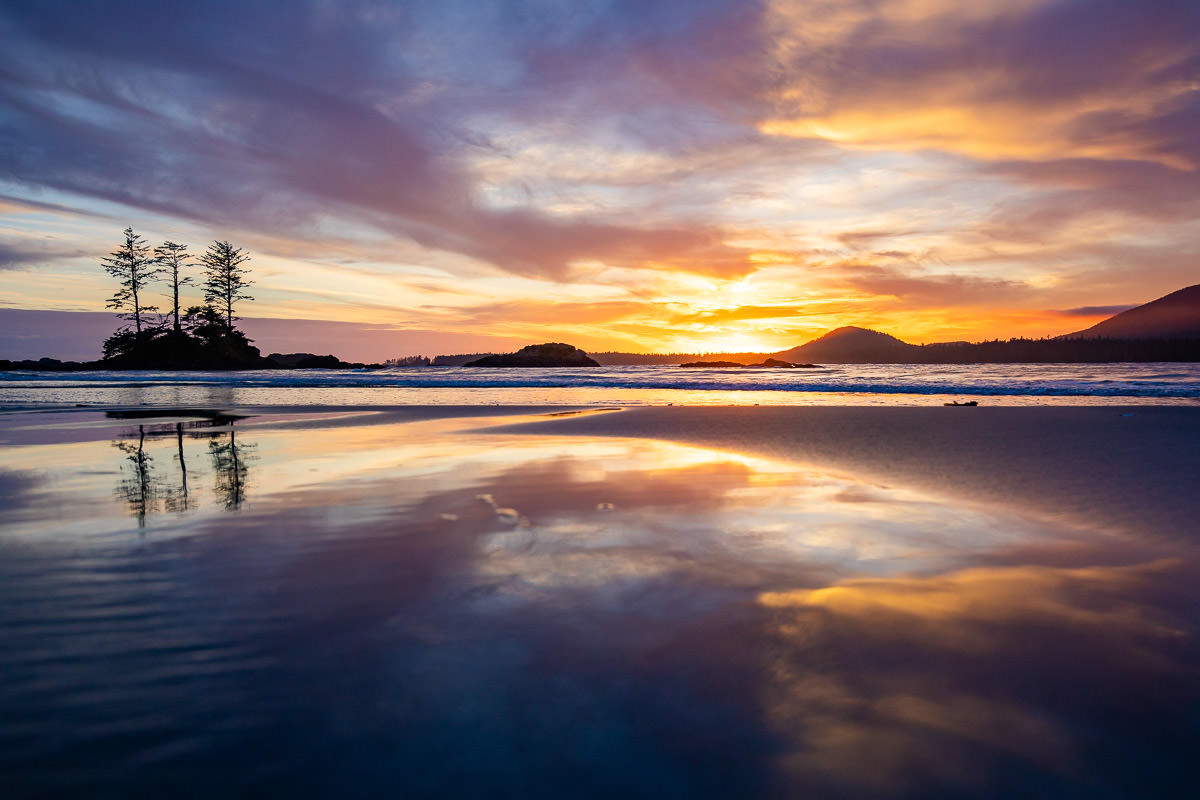
Now Hiring: Contract Graphic Designer!
Ancient Forest Alliance is hiring a contract Graphic Designer to help bring our campaigns to life through print and digital materials.
https://staging.ancientforestalliance.org/wp-content/uploads/2026/05/flores-island-wildside-trail-1200px-430.jpg
800
1200
TJ Watt
https://staging.ancientforestalliance.org/wp-content/uploads/2026/05/Ancient-Forest-Alliance-logo.svg
TJ Watt2026-05-22 12:22:292026-05-22 12:22:29Now Hiring: Contract Graphic Designer!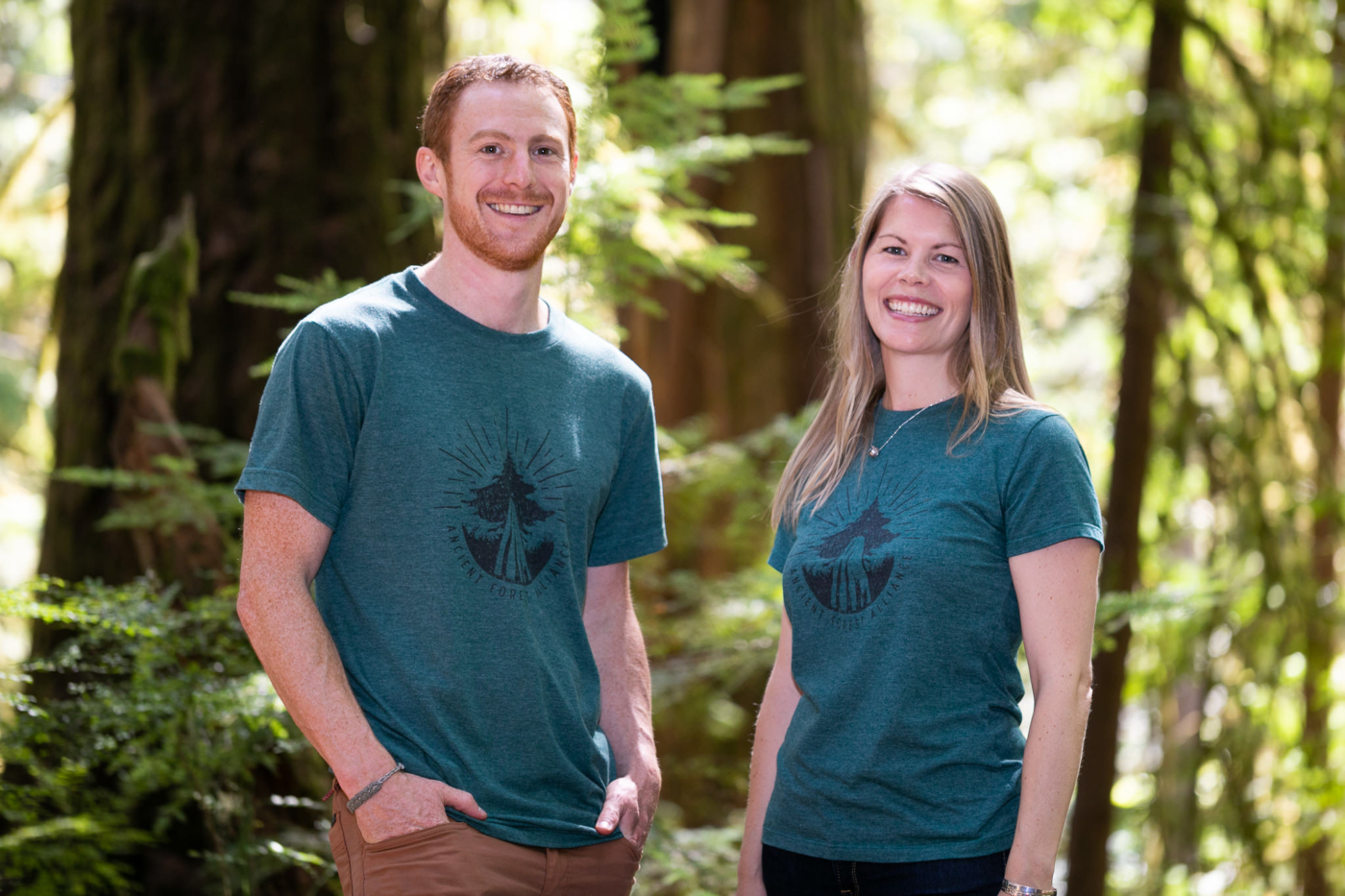
Design AFA’s Next T-Shirt and Help Protect Old-Growth Forests!
Calling all artists! For Earth Month, AFA is launching our first-ever Community T-Shirt Design Contest.
https://staging.ancientforestalliance.org/wp-content/uploads/2026/04/AFA-T-Shirt-Green-Mens-Womens.jpg
1365
2048
TJ Watt
https://staging.ancientforestalliance.org/wp-content/uploads/2026/05/Ancient-Forest-Alliance-logo.svg
TJ Watt2026-05-15 08:13:232026-05-19 09:33:44Design AFA’s Next T-Shirt and Help Protect Old-Growth Forests! Donate
 Send a Message
Wild Coast: Ground Zero for Walbran, East Creek, Nootka Island
/in News CoverageThere are 3 articles on the endangered old-growth forests of Vancouver Island – the Central Walbran, Nootka Trail, and the East Creek Rainforest – as well as photos from the AFA's TJ Watt, in this latest issue of Wild Coast Magazine, an outdoor adventure and exploration magazine for the Pacific Coast. See pages 23 to 31:
https://issuu.com/wildcoast/docs/16sp_web?e=1982129%2F31486611
Port Renfrew businesses call on B.C. to halt logging of ancient trees
/in News CoveragePORT RENFREW, B.C. – Business leaders in Port Renfrew, B.C., a community that once thrived on forestry, are calling for a ban on logging in the nearby Walbran Valley.
The valley is full of ancient old-growth trees, and the Chamber of Commerce says tourists who come to see them have created a multibillion-dollar economy along Vancouver Island’s west coast.
Some of the old trees are protected within the boundary of the Carmanah-Walbran Provincial Park, but chamber president Dan Hager says logging is currently underway in the rest of the valley.
The chamber, which represents 73 local businesses, has released a statement calling on the B.C. government to immediately ban logging in the unprotected portion of the valley.
It says the most heavily visited areas of the Walbran are outside the park’s protected areas.
The group Ancient Forest Alliance has lobbied heavily for the Walbran’s protection and says a logging company is planning eight new cutblocks in the valley, including one that has been approved by the province.
Read more: https://vancouverisland.ctvnews.ca/port-renfrew-businesses-call-on-b-c-to-halt-logging-of-ancient-trees-1.2699753
Port Renfrew Chamber of Commerce Calls for the Protection of the Central Walbran Valley’s Old-Growth Forest
/in Media ReleasePort Renfrew, BC – Conservationists are delighted that the Port Renfrew Chamber of Commerce, representing 73 businesses in the region, has issued a statement to the provincial government requesting that it protect the Central Walbran Valley from old-growth logging. Port Renfrew, formerly a logging town, has been transformed in recent years into a big tree tourism destination as hundreds of thousands of tourists have come from around the world in recent years to visit some of Canada’s largest trees in the nearby Avatar Grove, the Red Creek Fir (the world’s largest Douglas-fir tree), Big Lonely Doug (Canada’s 2nd largest Douglas-fir tree), San Juan Spruce (until recently Canada’s largest Sitka spruce tree – its top broke off in a recent storm unfortunately), the Harris Creek spruce (one of the largest Sitka spruce trees in Canada), and the Central Walbran Valley.
• See the Port Renfrew Chamber of Commerce's statement for the Walbran here: https://www.dropbox.com/s/qjstakjrvbf8jsh/PRChamberToProtectWalbran.pdf?dl=0
• See spectacular photos of the Walbran at: www.ancientforestalliance.org/photos.php?gID=7
• See a recent Youtube clip using drone footage over the Central Walbran at: www.youtube.com/watch?v=lyMPXHOjlK0
• See 2012 video (when a similar attempt to log by the Castle Grove was held off…only to return) at: www.youtube.com/watch?v=lHnG_sC4oms
“The publicity about the old-growth forests near Port Renfrew in recent years has brought in a flood of visitors from Europe, the USA, Canada, and diverse countries to visit Port Renfrew. This has especially been true since the protection of the Avatar Grove in 2012. Big tree tourism has increased the total flow of dollars spent in Port Renfrew, in our rental accommodations, restaurants, grocery stores, and businesses in general. Along with sport fishing, old-growth forest tourism has become a staple of our local economy,” states Dan Hager, president of the Port Renfrew Chamber of Commerce. “Recently, increasing numbers of visitors are heading through town to visit the Central Walbran Valley to see its old-growth forest. If the Central Walbran were to be protected, it would be a great addition to our town’s repertoire of big tree attractions.”
The Central Walbran Valley’s 500 hectare tract of lush old-growth temperate rainforest has long been an area of public interest since hiking trails were built in the valley in 1990. In 1994, the BC government protected the Lower Walbran Valley, about 5500 hectares, as part of the larger Carmanah-Walbran Provincial Park, but left out the Central Walbran Valley (500 hectares) and the Upper Walbran Valley (7,000 hectares) from the park. Since then, most of the Upper Walbran has been heavily tattered by logging, but the Central Walbran remains largely intact. However, Teal-Jones is planning eight new cutblocks in the Central Walbran, of which one (cutblock 4424) has been approved by the province. The Central Walbran Valley lies on Crown (public) land in the territory of the Pacheedaht band in Tree Farm Licence 46 held by Teal-Jones.
“The Central Walbran Valley is truly exceptional in so many ways. It has the most extensive, densely-packed groves of old-growth western redcedars in the country – including some of the very largest on record, such as the Tolkien and Castle Giants,” stated TJ Watt, Ancient Forest Alliance photographer and campaigner. “I've personally brought tourists to see the rainforests of Central Walbran Valley who had flown all the way from Europe to see these specific ancient trees. It’s truly one of the grandest old-growth forests on planet Earth and it's time for it to be fully protected.”
“The Central Walbran is seriously one of the most scenic and spectacular places anybody could visit. With its gargantuan trees, emerald-coloured swimming holes, amazing waterfalls, and perfect camping areas, in all of my experiences the Walbran is virtually unmatched for recreational and scenic grandeur in the world. It’s just the perfect place to visit, and to riddle the whole area with clearcuts and giant stumps would be the lowest, worse use of a place like this,” states Ken Wu, Ancient Forest Alliance executive director.
Ancient Forest Alliance campaigners recently located and measured two huge western redcedar trees, one of which makes it into the top 10 widest redcedars in BC according to the BC Big Tree Registry, in the Central Walbran Valley – the 4.6 metre (15 feet) wide “Tolkien Giant” and the “Karst Giant”. See: www.ancientforestalliance.org/news-item.php?ID=944
About 75% of the original productive old-growth forests have been logged on southern Vancouver Island, including over 90% of the valley bottoms where the largest trees grow, while about 8% is protected in parks and Old-Growth Management Areas. See maps and stats at: www.ancientforestalliance.org/old-growth-maps.php
The Ancient Forest Alliance is calling on the BC government to protect our endangered old-growth forests, ensure the sustainable logging of second-growth forests, end the export of raw logs, and assist in the retooling and development of sawmills and value-added facilities to handle second-growth logs.