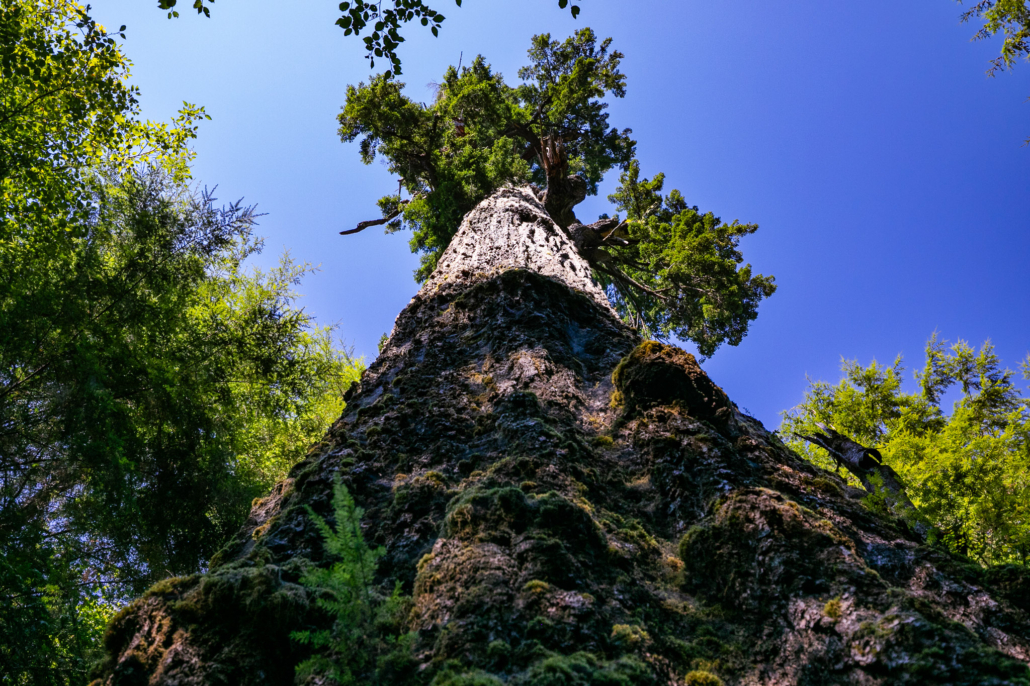
UPDATED: Port Renfrew Big Trees Map
Explore the updated Port Renfrew Big Trees Map with new directions, trails, and routes to iconic giants like Big Lonely Doug, Eden Grove, and more.
https://staging.ancientforestalliance.org/wp-content/uploads/2025/05/13-Red-Creek-Fir.jpg
1365
2048
TJ Watt
https://staging.ancientforestalliance.org/wp-content/uploads/2026/05/Ancient-Forest-Alliance-logo.svg
TJ Watt2026-05-29 15:39:342026-05-29 15:40:49UPDATED: Port Renfrew Big Trees Map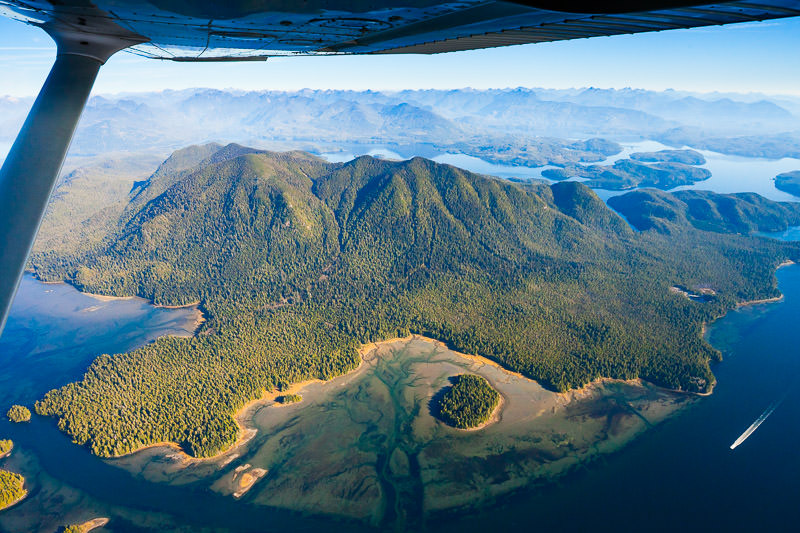
NEW! West Coast Old-Growth Hiking Guide
Explore AFA’s NEW West Coast old-growth hiking guide. From Clayoquot Sound to Port Alberni, there are trails for every skill level!
https://staging.ancientforestalliance.org/wp-content/uploads/2026/05/meares-island-big-tree-trail-tofino-1200px-338.jpg
533
800
TJ Watt
https://staging.ancientforestalliance.org/wp-content/uploads/2026/05/Ancient-Forest-Alliance-logo.svg
TJ Watt2026-05-29 12:06:002026-05-29 15:42:38NEW! West Coast Old-Growth Hiking Guide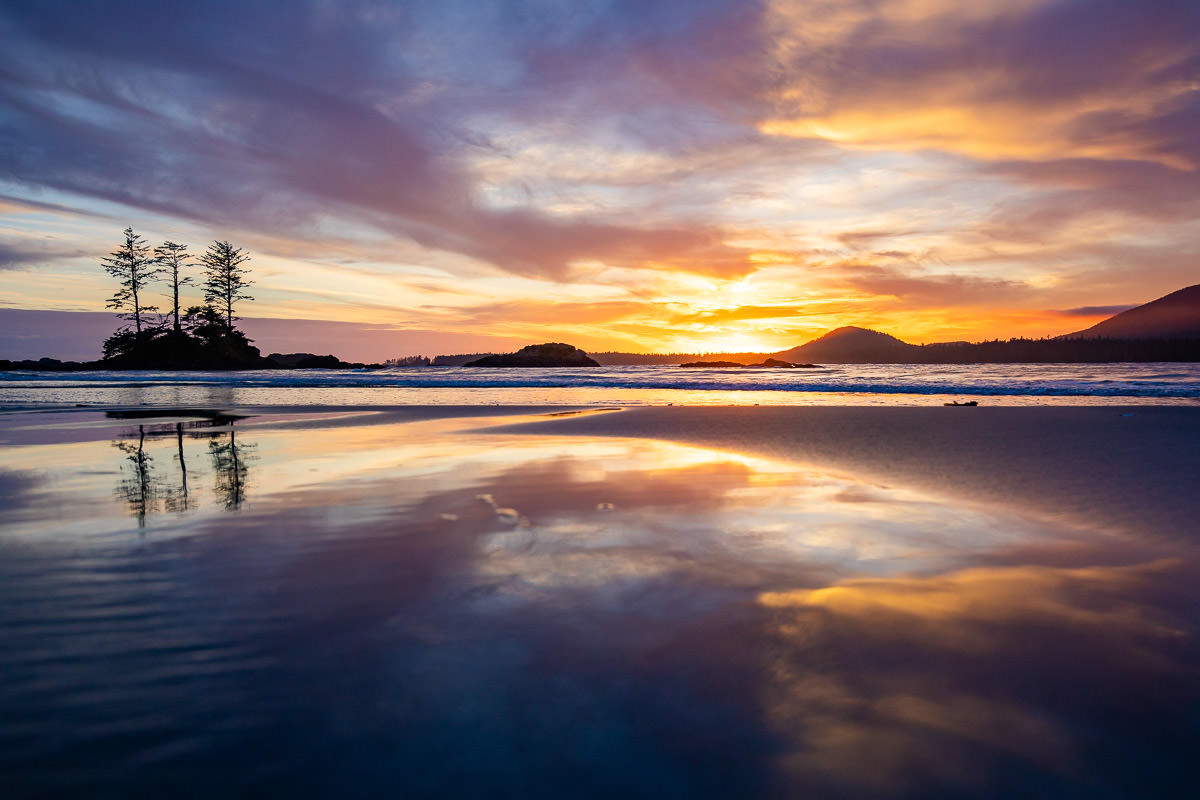
Now Hiring: Contract Graphic Designer!
Ancient Forest Alliance is hiring a contract Graphic Designer to help bring our campaigns to life through print and digital materials.
https://staging.ancientforestalliance.org/wp-content/uploads/2026/05/flores-island-wildside-trail-1200px-430.jpg
800
1200
TJ Watt
https://staging.ancientforestalliance.org/wp-content/uploads/2026/05/Ancient-Forest-Alliance-logo.svg
TJ Watt2026-05-22 12:22:292026-05-22 12:22:29Now Hiring: Contract Graphic Designer!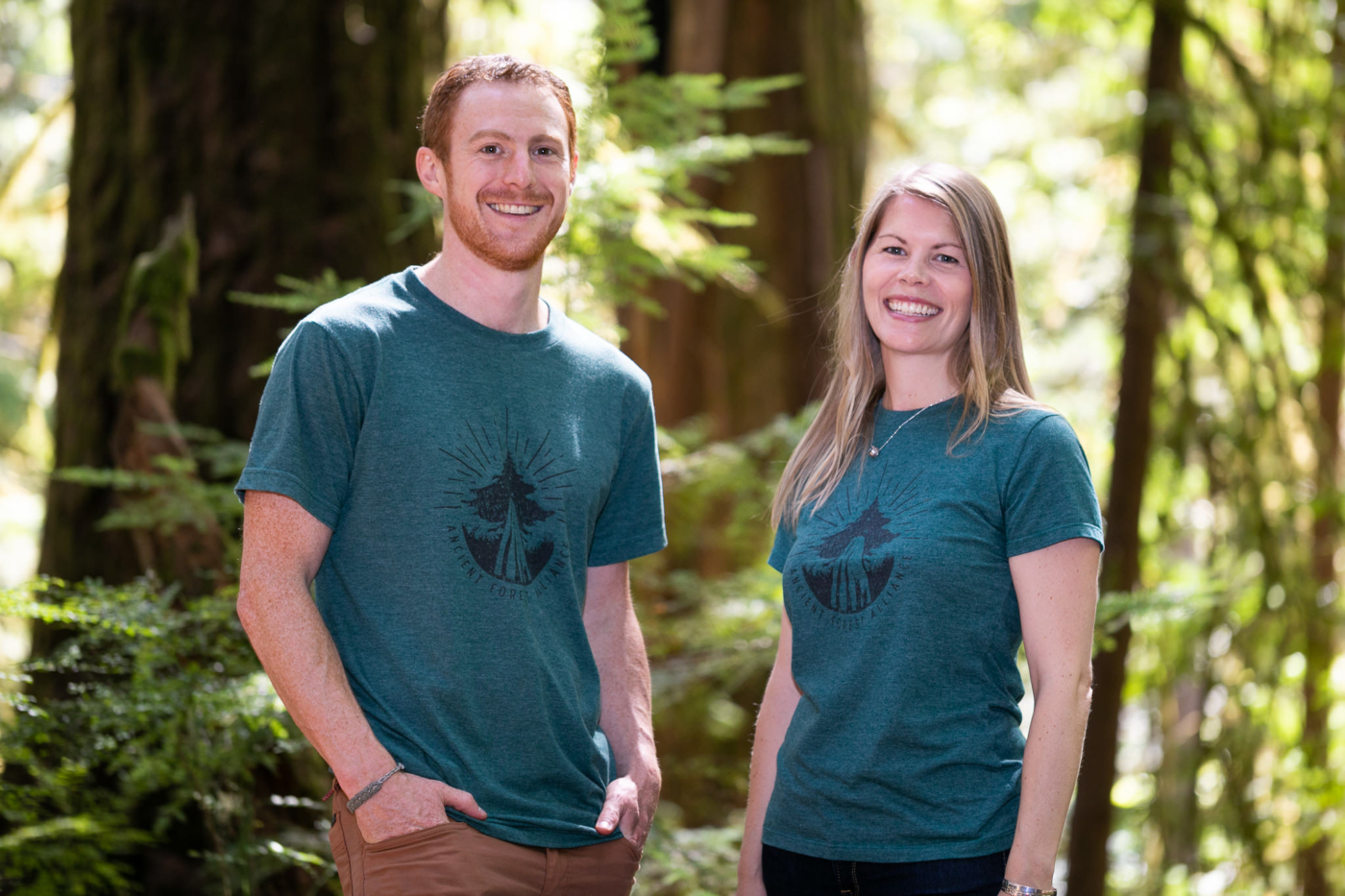
Design AFA’s Next T-Shirt and Help Protect Old-Growth Forests!
Calling all artists! For Earth Month, AFA is launching our first-ever Community T-Shirt Design Contest.
https://staging.ancientforestalliance.org/wp-content/uploads/2026/04/AFA-T-Shirt-Green-Mens-Womens.jpg
1365
2048
TJ Watt
https://staging.ancientforestalliance.org/wp-content/uploads/2026/05/Ancient-Forest-Alliance-logo.svg
TJ Watt2026-05-15 08:13:232026-05-19 09:33:44Design AFA’s Next T-Shirt and Help Protect Old-Growth Forests! Donate
 Send a Message
THANK YOU to our 2015 Business, Artist & Organization Supporters!
/in Announcements, Thank YouThanks to the generous support of donors, the Ancient Forest Alliance has quickly grown to become BC’s leading organization working for comprehensive legislation to protect endangered old-growth forests and forestry jobs across the province.
In the past several years since the AFA was founded, local and sustainable businesses along with artists and other organizations have bolstered the AFA’s important work through many fundraising initiatives including direct donations, yoga studio Karma Classes, gift raffles, ‘Haircut not Clearcut’ salon fundraisers, in kind donations, proceeds from products or services to music festivals, concerts and special event benefits.
We look forward to working with many more such supporters in 2016 and beyond as we pursue our ambitious goal of ensuring legislated protection for endangered old-growth forests across the province!
For more information on supporting the AFA as a business or organization, visit our Business and Organization Support page.
For a FULL LIST of ALL businesses, artists and organizations that have supported the AFA since our founding in 2010, see here.
Thanks to our 2015 Donors!
In 2015, the AFA received significant support from a variety of granting programs and creative fundraisers. We are very grateful for the major support provided by Mountain Equipment Co-op’s Community Contributions Grants and MEC Victoria’s vote of preferred organizations, LUSH Handmade Cosmetics’ Charity Pot program, Patagonia‘s Grassroots Environmental Grants program, and Patagonia Victoria – Elements’ 1% for the Planet contributions.
We would like to also extend our deepest gratitude to Nick Temos of the Pacific Northwest Collective for piloting four incredible aerial flights over Vancouver Island this year that helped us document remote ancient forests and old-growth logging from above.
We are very excited to be a new beneficiary of True North Goods, an outdoor goods and apparel company showing their dedication to protecting the outdoors for future generations to explore by donating a portion of all proceeds to the AFA! Michael Green Architecture has also supported us greatly as part of its 1% for the Planet contributions.
Eternal Abundance Organic Vegan Grocery & Cafe and Banyen Books & Sound in Vancouver as well as MEC Victoria are all generously hosting ongoing sales of AFA merchandise in their stores.
Early in 2015, Innerlife Health Services supported the AFA through their Community Clinic offering BodyTalk sessions, and Climbing Arborist and the Mat Fernandez Project along with Roadside Films organized a fundraising film screening. Hemp & Company, in addition to continued support through the printing of AFA shirts and other clothing items, and through merchandise sales at their store, also awarded the AFA’s TJ Watt with an Eco-Hero Award!
Many supporters contributed to the AFA’s 5 Year Anniversary Sustainable Dinner & Celebration in April. Generous contributors included chef Landon Crawford and his team, including front house coordinator Gaby Bolanos, with music by acclaimed Vancouver Island singer-songwriter Shauna Janz, event sponsors Patagonia Victoria, Megson Fitzpatrick Insurance Services, Truffles Catering, Pedersen’s Rentals and Hemp & Company, food and drink donations from Hope Hill Farm, Michell’s Farm, Sun Trio Farm, Hoyne Brewing, Sea Cider, Tugwell Creek Honey Farm & Meadery, and a wide selection of door prizes from Hemp & Company, Sitka, Sol Integrative Healing, Harmony Belly Dance, Lifestyles Markets, Moksha Yoga Westshore, Patagonia Vancouver, SeaFlora Wild Organic Seaweed Skincare, Harmony Herbal Teas, Cafe 932, Nezza Naturals, Kermode Wildberry Winery, Pathfinders Design & Technology, Quoia, Bahnmann Timber, Evan Patterson Contracting, Platinum Energy Systems, Inspire Hair Design, West Coast Greens, Andy Mackinnon, Robin Esrock/Canadian Bucket List, and Al Carder.
This summer, Tall Tree Music Festival once again came to Brown Mountain near Port Renfrew and lent its support to the AFA’s work to protect old-growth forests near Port Renfrew and beyond.
This holiday season, Heartwood Community Café, Patagonia Vancouver, MEC Victoria and Hudson Public Market generously offered space in their stores for the AFA’s holiday fundraising booths. Cordial Wildcrafted Consumables, Bon Macaron Patisserie and Gather Victoria donated food and gift basket items to our year end events, and Patagonia Vancouver generously hosted a film screening and presentation fundraiser!
Thank you all!
Avatar Grove Ecotourism
/in News CoverageHere's a new piece by Shaw TV about the importance of old-growth forests of Port Renfrew for the tourism economy, focused on the Avatar Grove and the Walbran Valley, and featuring Dan Hager, president of the local Chamber of Commerce, and the AFA's Ken Wu and TJ Watt.
See video at: https://www.youtube.com/watch?v=85ZbPbd0R2Q
Hope on Vancouver Island following historic Great Bear Rainforest agreement
/in News CoverageIt was an historic moment 20 years in the making.
Today it was announced an agreement has been reached between the province, 26 First Nations, environmental groups and the forest industry to protect 85% of BC’s Great Bear Rainforest from logging.
“It preserves land with cultural, ecological and spiritual ties vitally important to the people who have lived there for millennia,” said BC Premier Christy Clark at a press conference in Vancouver.
“I stand here today proud, happy, but still a little bit upset that it’s taken this long for us to find that balance that we were looking for for the last 20 years,” said Dallas Smith, President of the Nanwakolas Tribal Council.
The Great Bear Rainforest covers 6.4 million hectares and is the largest intact temperate rainforest in the world.
The best known species to call it home is the Spirit, or Kermode, bear.
20 years ago the battle to protect it began with protests and blockades — that was followed by an international campaign against BC forest products, which cost millions of dollars in contracts.
“International pressure was definitely key to bring the parties together to collaborate,” said Richard Brooks, Greenpeace Canada’s Forest Campaign Coordinator.
There will still be logging in the remaining 15%, but the parties involved say it will be under some of the strictest regulations in North America.
Ken Wu, executive director of the Ancient Forest Alliance, says now that BC’s northern rainforest is protected, it’s time to focus on Vancouver Island.
“We actually have the most significant or grandest ancient forests remaining,” said Wu.
“These are Jurassic Park-type landscapes, primeval ancient landscapes and we only have 6% of our productive forests under protection.”
Wu says if nothing is done to protect places like the Walbran Valley from logging, old growth-dependent species here will eventually go extinct.
But he hopes with today’s unprecedented agreement, it will never come to that.
“This basically changes the political dynamic in terms of forests in this province, in fact, in this country, so it’s a huge leap forward,” Wu said.
[Chek News article no longer available.]