Ancient Forest Alliance
  • Home
  • About Us
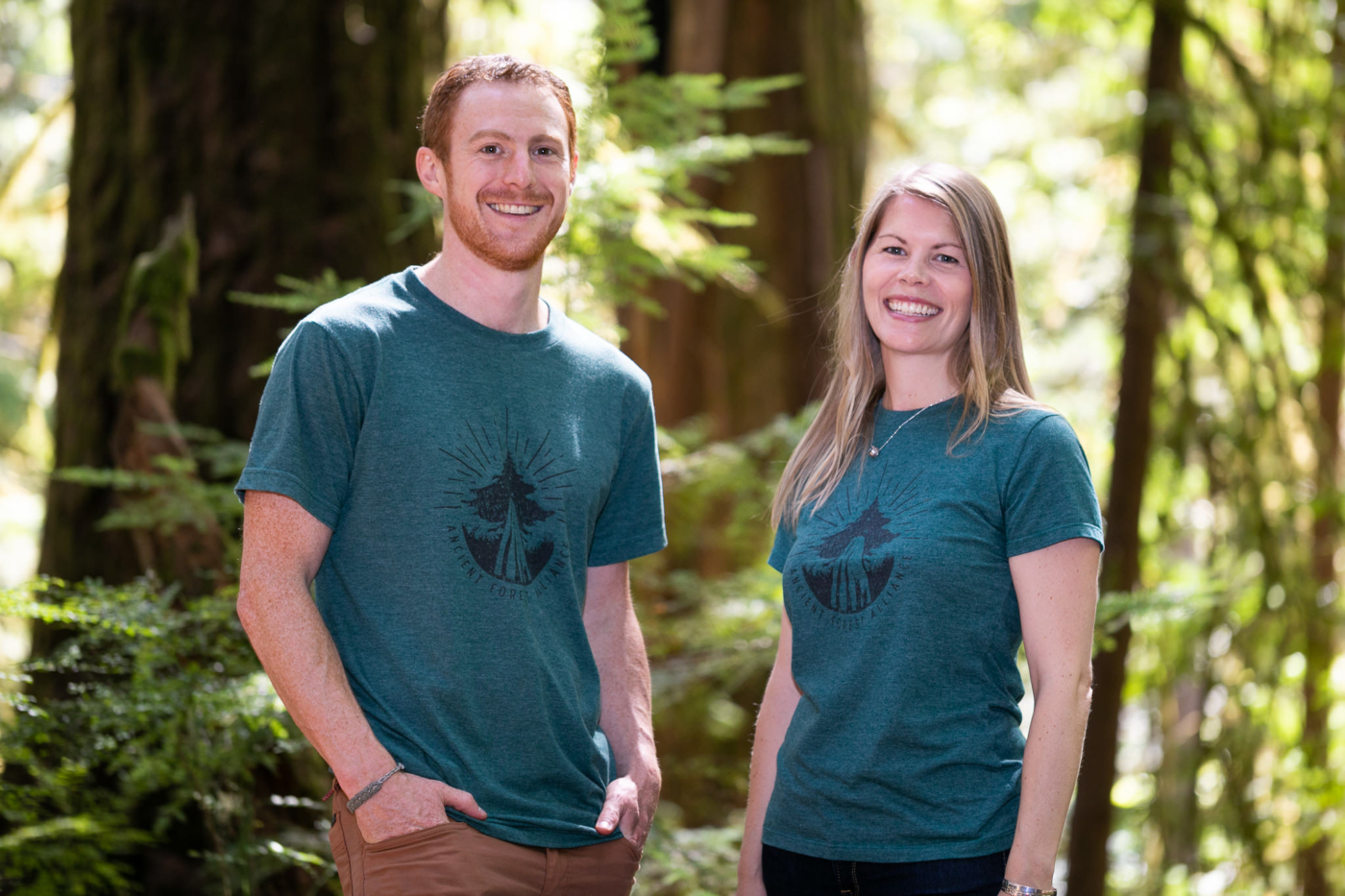
        • The six AFA team members stand beside each other in front of an old-growth Douglas-fir tree.
        • Our Mission & Team
        • History & Successes
        • Work With Us
        • Contact Us
  • Our Work
    • Campaigns
    • Building Alliances
    • Activity Reports
  • Ancient Forests
    • Hiking Guides
    • Old-Growth 101
    • Old-Growth Forests in BC: FAQs
    • Before & After Old-Growth Maps
    • Myths & Facts
    • Directions to Avatar Grove
    • Port Renfrew Big Trees Map
  • Recent News
    • Recent News
    • Media Releases
    • Research & Reports
    • Publications
    • Educational
  • Photos & Media
        • Map of Gallery Locations
        • Themes
          • Biggest Trees
          • Biggest Stumps
          • Low Productivity Old-Growth
        • Videos
        • Vancouver Island North
          • East Creek Rainforest
          • Klaskish Inlet
          • Quatsino
            • Grove of Giant Cedars Clearcut in Quatsino Sound
            • Quatsino Old-Growth Under Threat 2023
            • Mahatta River Logging
          • Spruce Bay
          • Tsitika Valley
          • White River Provincial Park
        • Vancouver Island Central
          • Barkley Sound
            • Vernon Bay
          • Clayoquot Sound
            • Canada’s Most Impressive Tree – Flores Island
            • Flores Island
            • Meares Island
            • Sydney River Valley
          • Cortes Island
            • Children’s Forest
            • Squirrel Cove Ancient Forest
          • Nootka Island
          • Port Alberni
            • Cameron Valley Firebreak
            • Cathedral Grove Canyon
            • Juniper Ridge
            • Katlum Creek
            • Nahmint Valley
            • Nahmint Logging 2024
            • McLaughlin Ridge
            • Mount Horne
            • Taylor River Valley
          • Tahsis
            • McKelvie Valley
            • Tahsis: Endangered Old-Growth Above Town
        • Vancouver Island South
          • Carmanah
            • Climbing the Largest Spruce in Carmanah
            • Carmanah Research Climb
          • Caycuse Watershed
            • Before & After Logging – Caycuse Watershed
            • Before and After Logging Caycuse 2022
            • Caycuse Logging From Above
            • Lower Caycuse River
            • Massive Trees Cut Down
          • Klanawa Valley
          • Koksilah
          • Mossy Maples
            • Mossy Maple Gallery
            • Mossy Maple Grove
          • Port Renfrew
            • Avatar Boardwalk
            • Avatar Grove
            • Big Lonely Doug and Clearcut
            • Bugaboo Ridge Ancient Forest
            • Eden Grove
            • Exploring & Climbing Ancient Giants
            • Fairy Creek Headwaters
            • Granite Creek Logging
            • Jurassic Grove
            • Loup Creek
            • Mossome Grove
            • Mossome Grove Tree Climb
          • Walbran Valley
            • Castle Grove
            • Central Walbran Ancient Forest
            • Hadikin Lake
            • Walbran Headwaters At Risk
            • Walbran Overview
            • Walbran Logging
        • Haida Gwaii
          • Haida Gwaii 2013
          • Yakoun Lake Old-Growth
          • Yakoun River Old-Growth Forests
        • Sunshine Coast
          • Day Road Forest
          • Mt. Elphinstone Proposed Park Expansion
          • Powell River
            • Eldred River Valley
            • Mt. Freda Ancient Forests
          • Roberts Creek Headwaters
          • Stillwater Bluffs
        • Inland Rainforest
          • Ancient Forest/ Chun T’oh Whudujut Provincial Park
          • Parthenon Grove
        • Mainland
          • Echo Lake
          • Kanaka Bar IPCA Proposal
  • Take Action
    • Send A Message to the BC Government
    • Sign a Resolution
  • Store
  • Donate
  • Click to open the search input field Click to open the search input field Search
  • Menu Menu
  • Store
  • Donate

Blog Archive Layout

The fight to save Echo Lake’s old trees and wildlife has begun

Jul 12 2016/in News Coverage

Here's a new story in today's Globe and Mail about the old-growth forest campaign, spearheaded by local landowners Susan and Stephen Ben-Oliel and supported by the Ancient Forest Alliance, to protect all of the forests in the mountains surrounding Echo Lake (a rare lowland old-growth forest between Mission and Agassiz in Sts'ailes territory, and also the world's largest night-roosting site for bald eagles) from logging.

*****

Ken Wu hunts down giant, old trees for a living.

As executive director of the Ancient Forest Alliance, he has hiked most of the watersheds on Vancouver Island and the Lower Mainland, hoping to find – and save from logging – the last remaining pockets of old growth.

At Echo Lake, just a 90-minute drive east of Vancouver near Harrison Hot Springs, local landowners brought him a few years ago to see a magical forest, draped in moss, with towering trees where up to 700 eagles come to nest when salmon are spawning in the nearby Harrison River.

“Echo Lake is home to the largest night-roosting site for bald eagles on Earth,” said Mr. Wu, who in 2012 launched a campaign to save the area, then slated for logging.

In 2013, the British Columbia government set aside 55 hectares, protecting just over half the old-growth cedars and Douglas firs around the lake.

Mr. Wu wasn’t satisfied and since then has been pushing for the addition of another 40 to 60 hectares to the reserve, which would protect the key eagle area. “That would get the bowl, essentially the mountain and forest that rings Echo Lake. So it should be a no-brainer at this point,” he said.

But last week, he was shocked when he walked through the forest around the lake to find that the biggest and oldest trees in the unprotected area had been tagged and numbered. A small company with cutting rights to a woodlot on Crown land at the lake has laid out the route for an access road, which it plans to build while awaiting logging authorization, Mr. Wu said.

“The government hasn’t approved any cutting plans yet … so I think there’s still some time here to fight this. My worry is that if the road-building progresses too far, they will have sunk enough cost into the whole thing that they are going to argue they have to recover those costs by logging the cut blocks. So right now, we are cranking up the pressure,” said Mr. Wu, who is trying to raise public awareness about the threat to Echo Lake.

The Harrison area was logged in the early 1900s, but Mr. Wu said pockets of trees around Echo Lake weren’t touched because they couldn’t be easily reached. Others were passed up because they were considered too small at the time. Since then, they have grown into giants.

“Those cedars that are flagged now I suspect were about 50 years old [when the area was first logged] and 100 years later they are … essentially old-growth trees,” he said.

And they are rare.

“If you look at the entire region, and we’ve done it, we’ve explored this whole area, and it is exceedingly hard to find these types of lowland stands of ancient cedars. They are virtually non-existent – all logged, long ago,” Mr. Wu said.

In an e-mail, Vivian Thomas, a spokeswoman for B.C.’s Ministry of Forests, Lands and Natural Resource Operations, said trees have been marked by the woodlot owner as an inventory, “with the goal of retaining as many of the large Douglas fir older trees as possible.”

She also provided a fact sheet that states appropriate environmental measures are being taken around Echo Lake.

“Forest and resource values, including eagle habitat, are being adequately addressed by balancing established OGMAs [Old Growth Management Areas], a proposed wildlife management area and other reserve areas, with areas that remain available for timber harvesting,” the ministry states. “The woodlot holder is aware of the eagle roosting habitat potential and has committed to further identify and manage the values within the woodlot area.”

But Mr. Wu said it is clear when hiking through the forest that many giant, old cedars and firs will be lost if the government doesn’t change course. And if those trees fall, the eagles and other wildlife will suffer, he said.

“I would say logging these trees would have a detrimental effect because the eagles use the entire bowl. Essentially you see them come in from the Harrison River, they circle around the bowl and then they settle in the big trees along the side of the lake,” he said.

“Even if they left some high-value eagle trees, essentially you get the loss of the ecosystem on the north and west side of the lake,” Mr. Wu said. “When you go there, it is jam-packed with wildlife. There’s a giant bear that hangs out there, … there are cougars in the area; you can see the trees that they’ve scratched. There’s a little bobcat. … Ospreys are always over the lake. There’s a group of otters … so it’s not just an eagle issue, it’s a biodiversity issue.”

In his treks through the forests of the Lower Mainland, Mr. Wu has found only a few places with giant, old trees like those around Echo Lake.

And they are all in parks.

Read more: https://www.theglobeandmail.com/news/british-columbia/the-fight-to-save-echo-lakes-old-trees-and-wildlife-has-begun/article30847824/

https://staging.ancientforestalliance.org/wp-content/uploads/2018/08/GM_EchoLake_large.jpg 348 620 TJ Watt https://staging.ancientforestalliance.org/wp-content/uploads/2014/10/cropped-AFA-Logo-1000px.png TJ Watt2016-07-12 00:00:002024-06-17 15:52:45The fight to save Echo Lake’s old trees and wildlife has begun

New calls for a moratorium on old-growth logging

Jul 10 2016/in News Coverage

Here’s a new Focus magazine article by Briony Penn about Vancouver Island’s old-growth forests, featuring forest ecologist Dr. Andy MacKinnon, Port Renfrew Chamber of Commerce president Dan Hager, Jens Wieting of the Sierra Club, AFA, Ahousaht and Tofino councils, and the growing support among businesses, chambers of commerce, and municipal councils for protecting BC’s old-growth forests.

******

WHEN THE BC CHAMBER OF COMMERCE and the Association of Vancouver Island and Coastal Communities (AVICC) recently came out championing the protection of old-growth forests on Vancouver Island, it was hailed as a historic and tectonic shift by environmentalists. Yet it’s probably more accurately described in earthquake terms as “fault creep”—the “slow, more or less continuous movement occurring on faults due to ongoing tectonic deformation.”

Political and business associations have finally caught up with the economic reality, climate change, public attitudes, business opportunities, and scientific data—and not a moment too soon.

In typical island fashion, it takes a poster boy from elsewhere with home-spun prairie logic to signal that shift. Handsome Dan Hager, the head of the Port Renfrew Chamber and business owner of Handsome Dan’s Wild Coast Cottages, looked in his guest books one day and noticed that his guests were coming year round to visit old trees at the Avatar Grove. Since then, with just a handsome Saskatchewan smile and anecdotal stories of full beds and full-time staff, he’s managed to convince the entire BC Chamber of Commerce of the value of leaving old growth close to towns.

This likely amuses botanist and Metchosin Councillor Andy Mackinnon. His 30 years of collecting compelling scientific data on the value of old growth on Vancouver Island is not as “hot” on the current media radar, although he’s being effective in other ways. With his own moniker the “fun guy” (pun on fungi, his research specialty), Mackinnon has spread his own charismatic mycelia alongside Hager’s in the slow and continuous movement towards improving Vancouver Island land use planning.

Mackinnon, a forest researcher with the provincial government, has recently retired from public service and jumped into political life. He won a seat on Metchosin council in 2014 and has been looking for ways to get science back into policy and planning ever since. Mackinnon managed to get a resolution asking for a moratorium on the logging of old growth on Vancouver Island passed by his Metchosin Council, and then Colwood’s, this spring. That was subsequently endorsed at AVICC’s AGM in April. His advocacy was triggered by his frustrations as a government scientist. He says, “You felt you were gathering a lot of good information that wasn’t being incorporated into policy and management.” Mackinnon’s first priority was to stop the old-growth logging while Vancouver Island still had some left to save.

His resolution for a moratorium was borrowed from the Ahousat chiefs—also known as the Hawiih of Clayoquot Sound— who had announced their own moratorium on industrial logging of old-growth forests in October last year. It hasn’t gone unnoticed by Mackinnon that the Ahousat have been slowly, more or less continuously, suggesting to Western governments the values of old growth. Their data goes back several thousand years. Their resolution included a community “Land Use Visioning” process intended to protect a traditional way of life while diversifying livelihoods.

The mayor of Tofino shared this resolution with Mackinnon and he fashioned a similar moratorium for Metchosin with a request to the provincial government to revise the old Vancouver Island Land Use Plan. The resolution’s preamble states that old-growth forest is increasingly rare on Vancouver Island and has significant values as wildlife habitat, a tourism resource, a carbon sink and much more. It also noted that current plans on provincial Crown land call for logging the remaining old-growth forest outside of protected areas, Old-Growth Management Areas (OGMAs), and similar reserves, over the next 10-20 years.

Mackinnon is not new to the science of why it is important to protect old growth. He was on the scientific team that wrote the provincial Old Growth Strategy (OGS) starting in 1989. At the time, the OGS was cutting-edge policy. The 1992 report began with the acknowledgement that old-growth forests “represent a wide range of spiritual, ecological, economic and social values” and outlined the framework to plan for conserving old growth. It was the time of the “war in the woods”—from Clayoquot Sound to Carmanah—and logging still constituted the dominant industry in parts of northern Vancouver Island. The same year, the NDP created the Commission on Resources and Environment to provide independent land use recommendations to cabinet for Vancouver Island, and the OGS was folded into this new Vancouver Island Land Use Plan (VILUP) and the Forest Practices Code. (Clayoquot Sound was excluded from VILUP because it came under a separate scientific commission.)

According to Mackinnon, “those were exciting times with the opportunity to do broad land use planning and establish new protected areas.” Before 1992, only 6 percent of Vancouver Island had any protected status and what was protected was mostly rocks and ice at the top of mountains. By the end of the planning process in 2000, the protected areas reached 12 percent of Vancouver Island with a slightly better representation of diverse lowland ecosystems. That included some of the big, old trees in valley bottoms known as “productive lowland old-growth forests.” The VILUP decisions established the upper Carmanah Valley, the lower Walbran Valley, Tashish Kwoi and Brooks Nasparti Provincial Parks as large protected areas.

The target of protecting 12 percent of the land base had come from the international Bruntland Commission and its landmark report Our Common Future. The report called for doubling the area of protected areas globally—which, at that time, also sat around 6 percent.

Mackinnon supported the plan then because it at least doubled the protection and was achievable politically, but it fell short in many regards. Many scientists had recommended quadrupling the area protected to take in forest stand and ecosystem diversity, and climate change wasn’t being factored in yet. The compromise was partly addressed in a series of special management zones created to maintain areas of old growth and high biodiversity within forest tenures on Crown land.

In 2001, with a change in provincial government from NDP to Liberal, the Old Growth Strategy and VILUP were sent to the shredders, special management zones were cancelled, and the Forest Practices Code was gutted. Since then, apart from a handful of tiny isolated groves, like Avatar Grove, being designated OGMAs or Land Use Objective areas, no ancient forests have been set aside in protected areas on Vancouver Island.

In the absence of any provincial leadership on island old growth, the Sierra Club has taken the lead role in mapping island forests. Mackinnon says, “When people asked my ministry how much old growth there was left, I would have to say: ‘Go talk to the Sierra Club.’” Jens Wieting of the Sierra Club of British Columbia notes that, as of 2012, less than 10 percent of the productive lowland old-growth forests remain. These are the forests that businesses like Handsome Dan’s benefit from, not the older, scrubby trees in the mountain tops that the provincial government still includes in their tally of old growth.

According to Wieting, the state of old growth on Vancouver Island is now an ecological emergency. Of that 10 percent that remains, only 4 percent has been set aside in parks or OGMAs and 6 percent is up for grabs. The Sierra Club’s recent Google Map press release visually shows how that remaining unprotected old growth is at risk.

This situation has brought a return of the wars in the woods, with conflicts over Walbran, Klaskish and East Creek. The battle is being led by the Ancient Forest Alliance, Western Canada Wilderness Committee and others. These last watersheds of remaining unprotected old-growth lowland forest are where the greatest value are for all stakeholders. The stakes are even higher with an increased understanding of the value of these forests for sequestering carbon.

Sierra’s data shows around 9400 hectares of Island old growth being logged annually and 17,000 hectares of second growth, some of it highly endangered ecosystems. Second-growth forests eventually become old-growth forests so we need to pay attention to these as well. Only saving old-growth forests is like only looking after elders and not nurturing the young. For forest ecologists, this is a compelling rationale for reopening the Vancouver Island Land Use Plan and reconsidering the mix of different forests and age classes of stands. This would entail planning for future reserves of old growth in forest types where there is hardly any old growth left, like the Douglas-fir forests of Vancouver Island where old growth has been reduced to 1 percent of the remaining stand.

Wieting’s argument is that “with every new clearcut, more biodiversity of the original ecosystem disappears.” That’s the ecological argument for a new target of quadrupling protected areas—nature needs half. But what about the economic argument?

The 1992 VILUP included a careful economic analysis with projections to 2012. What is most interesting is how accurate those projections were. They predicted continuing declines in the resource sectors and continuing increases in importance of tourism and other service industries like high tech and filmmaking, light manufacturing and pension and investment incomes. The plan states, “These shifts in economic structure will be reinforced by the in-migration of retirees to the Island, the aging of the resident population, increasing demand for and scarcity of wilderness recreation opportunities, technological change, and resource depletion.”

According to the VILUP, back in 1992 forestry and logging provided 10,565 jobs (3.6 percent) on Vancouver Island. By 2012, StatsCan numbers show, that had declined to 4700. Pulp and paper mills employed 12,900 people in 1992, but by 2012 that had fallen to one-half of that.

Compare that to 4800 jobs in the “information and cultural industries,” 9800 in the “arts, entertainment and recreation industries” and 5800 in the mysterious-sounding “personal and laundry services.” The largest employers—by far—on Vancouver Island are in the service industries with 20,000 to 50,000-plus jobs, per sector, in health, education, professional services, high tech, trade and tourism (accommodation and food services). Even the recent Vancouver Island State of the Economy report by the Vancouver Island Economic Alliance, in a curiously conservative analysis, points out the only fast growth areas are in the professional, scientific and high tech sectors—the people who fill up Handsome Dan’s Wild Coast Cottages.

The age-old problem for northern Vancouver Island rural communities of boom and bust resource-based economies was pinpointed accurately in the 1992 plan, with various recommendations for diversification.

In the ensuing years, though, there was minimal action taken to diversifiy. There was little public investment in a number of critical areas: infrastructure for making value-added wood products, transportation systems, an old-growth strategy, marketing of tourism to these areas, and creating value for ecosystem services. The BC Liberals weren’t, apparently, paying heed to the shifting economic landscape. New Zealand, with roughly comparable economic forecasts, land base and population, looked at its data back then and brought in a moratorium on old-growth logging while investing heavily in ecotourism infrastructure and marketing. Total tourism expenditure today in New Zealand is $29.8 billion, increasing at 10 percent per year. Vancouver Island tourism generates $2.2 billion annually.

Better late than never, Mackinnon’s resolution will now go to the Union of BC Municipalities AGM in September. So far the provincial government hasn’t responded to his request for a meeting. With Hager working the business community on a modified resolution specifically referring to old growth close to settlements, both Mackinnon and Hager argue that it will be hard for the provincial government to ignore both local governments and the business sector.

Once a moratorium is in place, Mackinnon would like to see innovative planning—with a foundation based on scientific principles—adapted for Vancouver Island. He points to the land use plans for Clayoquot Sound and the Great Bear Rainforest, both of which he participated in and which were spearheaded by First Nations. The Great Bear Rainforest Agreements in particular incorporated First Nations concerns, economic realities that included real conservation financing, and carbon credit projects for First Nations.

As Jens Wieting suggests, “We have a lot to learn from what went on in both these regions—and fast, because climate change means that we have even less time to save rainforest as we know it.”

As for Handsome Dan, he says, “I’m no treehugger and I don’t need to rely on any science. I just see the logic because the economics are black and white. The trees left standing are good for my business.” Hardly earthshaking, but a welcome tectonic nudge to an island that has so much natural capital to offer its inhabitants and the world.

[Original article no longer available]

https://staging.ancientforestalliance.org/wp-content/uploads/2018/08/TC_Chamber_WalbranTolkien_large.jpg 527 800 TJ Watt https://staging.ancientforestalliance.org/wp-content/uploads/2014/10/cropped-AFA-Logo-1000px.png TJ Watt2016-07-10 00:00:002024-06-12 17:12:03New calls for a moratorium on old-growth logging

Rare Lowland Old-Growth Forest at Risk – Road-building and Logging Surveys Underway at Echo Lake, the World’s Largest Night-Roosting Site for Bald Eagles, east of Vancouver

Jul 7 2016/in Media Release

Road-building is scheduled to begin this week and preliminary logging surveys of the old-growth redcedars are underway by Echo Lake, an extremely rare, lowland old-growth forest about 2 hours east of Vancouver between Mission and Agassiz. Echo Lake is part of the drinking watershed for local people, is home to the largest night-roosting site for bald eagles on Earth, and harbours much wildlife including bears, cougars, bobcats, wintering black-tailed deer, osprey, numerous bats, and various Species at Risk. Local landowners and conservationists are redoubling efforts to convince the BC government to protect the endangered north and west sides of the lake.

Mission, BC – Local landowners and conservation groups are dismayed at road-building and old-growth logging plans that are underway in a community watershed at Echo Lake, an extremely rare and endangered, lowland old-growth forest between Mission and Agassiz, famous for its monumental cedars and Douglas-firs, wildlife, and hundreds of roosting bald eagles during the fall salmon run (see the Vancouver Sun https://www.vancouversun.com/Province+urged+protect+Harrison+eagles/7371025/story.html).

Landowners Stephen and Susan Ben-Oliel, who own a private land parcel on one side of the lake, and who draw their drinking water there, were informed on Monday by consultants hired by C&H Forest Products that the logging company is planning to begin construction this week of a 1400 metre long logging road in their Community Watershed. The planned road on Crown lands leads to stands of old-growth redcedars and Douglas-firs on the northwest side of Echo Lake. The couple have also discovered a series of recently flagged and spray-painted old redcedars alongside the main trail by Echo Lake in preparation for logging. Over a thousand people have now hiked the trail around Echo Lake since 2013, when the Ancient Forest Alliance began organizing guided tours through the area.

Last year, Forest Minister Steve Thomson stated that there were no logging plans for Echo Lake – See Global TV at: https://globalnews.ca/news/1906359/clear-cutting-threatens-echo-lake-eagle-colony/

However, the Ministry of Forests, Lands, and Natural Resource operations recently approved C&H Forest Products’ road building plans, although they have not approved any cutting plans at this time. Conservationists are concerned that once major sections of road are constructed, the company will be in a strengthened position to obtain approval for their logging plans in order to recuperate their costs. C&H Forest Products have a Woodlot Licence on the unprotected north and west sides of Echo Lake, while a 55 hectare Old-Growth Management Area protects the south side of the lake.

“Judging by their flagging tape and the route of their planned logging road, it appears the licensee intends to log the spectacular stands of monumental old-growth redcedars by Echo Lake – which is sort of like shooting a herd of endangered rhinos, as giant redcedars like these are almost all gone in this region,” stated landowner Stephen Ben-Oliel. “The company has informally stated that they might leave some of the individual old-growth Douglas-firs and maples, but their assurances lack detail, leave out the old-growth cedars, are purely verbal, and are not backed up by any legally-binding government regulations or laws. In addition, the risks posed by road-building and logging in the community watershed where where we and other families draw our drinking water from are also a cause for alarm.”

“Echo Lake is a globally significant area that should be a no-brainer for full government protection, especially considering how small it is, a hundred or so hectares in total size. It’s the world’s largest night-roosting site for bald eagles – that alone should make full protection of the forests in the ‘bowl’ surrounding the lake a given, not even factoring in its importance for much more biodiversity,” stated Ken Wu, Ancient Forest Alliance executive director. “We need the BC government in this election year to step forward and protect all of Echo Lake’s old-growth and mature forests on Crown lands.”

See the media release from 2013: https://staging.ancientforestalliance.org/news-item.php?ID=565

See spectacular images of Echo Lake Ancient Forests at: https://staging.ancientforestalliance.org/photos-media/echo-lake/

See a Youtube Clip at: https://www.youtube.com/watch?v=HPstV14oZ6s&feature=youtu.be

See various news media articles about Echo Lake from the Vancouver Sun, Globe and Mail, Global TV etc. at the bottom of the campaign page at: www.ProtectEchoLake.com

“The BC government needs to work with the local Woodlot Licensee, First Nations, the adjacent private land owners like myself, and conservationists to ensure the area’s legal protection. This could entail shifting the Woodlot License boundaries into an area of second-growth forest with an equivalent timber value and then expanding the Old-Growth Management Area around all of Echo Lake,” stated Susan Ben-Oliel.

More Background Info

Echo Lake is the largest night-roosting site for bald eagles on Earth, where as many as 700 bald eagles roost in the ancient Douglas-fir and cedar trees around the lake at night during the fall salmon runs. Along the nearby Chehalis and Harrison Rivers, as many as 10,000 bald eagles come to eat the spawning salmon during some years, making the area home to the largest bald eagle/ raptor concentration on Earth.


In 2013 after a campaign by local landowners and the Ancient Forest Alliance, the BC government protected 55 hectares of the old-growth forests on the Crown lands on the south side of Echo Lake in an Old-Growth Management Area (OGMA). However, they left out a similar amount of old-growth and mature forests from the OGMA on the north and west sides of the lake within a Woodlot Licence where the ancient trees can still be logged.

The area is in the traditional, unceded territory of the Sts’ailes First Nation band, who run the Sasquatch EcoLodge and whose members run eagle watching tours nearby.

Several biological surveys or “bioblitzes” have been organized by the Ancient Forest Alliance that have helped to inventory the area’s large diversity of flora and fauna. Many species at risk such as various species of bats, frogs, snails, dragonflies, and mosses have been found by biologists and naturalists. The data has been submitted to the BC Ministry of Environment’s Wildlife Species Inventory. 174 species of plant, 55 vertebrate, 153 invertebrate, and 38 fungi species were found during the two days of the 2014 bioblitz, while the 2015 bioblitz data is still being compiled. See the 2014 bioblitz media release at: https://staging.ancientforestalliance.org/news-item.php?ID=868

The Ancient Forest Alliance is also calling for a larger provincial plan to protect the remaining endangered old-growth forests across BC while ensuring sustainable second-growth forestry jobs.

In the Lower Mainland, about 80% or more of the original, productive old-growth forests have already been logged, including about 95% of the high productivity, valley bottom ancient forests where the largest trees grow and most biodiversity is found. See before and after maps for BC’s southern coast (Southwest Mainland and Vancouver Island) at: https://staging.ancientforestalliance.org/ancient-forests/before-after-old-growth-maps/

“How many jurisdictions on Earth still have trees that grow as wide as living rooms and as tall as downtown skyscrapers? What we have here is something exceptional on the planet. Our ancient forests make British Columbia truly special – while we still have them,” stated TJ Watt, Ancient Forest Alliance campaigner. “More than ever we need the BC government to have the wisdom to protect our incredibly rare and endangered old-growth forests like at Echo Lake”.

https://staging.ancientforestalliance.org/wp-content/uploads/2018/08/Echo-Lake-June-2016-33_large.jpg 533 800 TJ Watt https://staging.ancientforestalliance.org/wp-content/uploads/2014/10/cropped-AFA-Logo-1000px.png TJ Watt2016-07-07 00:00:002024-06-17 15:52:47Rare Lowland Old-Growth Forest at Risk – Road-building and Logging Surveys Underway at Echo Lake, the World’s Largest Night-Roosting Site for Bald Eagles, east of Vancouver
Page 217 of 529«‹215216217218219›»

Pages

  • ACTION ALERT: Tell the NDP government FRPA amendments must protect old-growth forests
  • AFA Policy Recommendations – 2025
  • Ancient Forests
  • BC Protected Areas Strategy (PAS)
  • Before & After Logging – Caycuse Watershed
  • Before and After Logging Caycuse 2022
  • Biggest Trees
  • BLOG ARCHIVE TEMPLATE
  • Brave testing
  • Bugaboo Ridge Ancient Forest
  • Call Premier Horgan to demand funding for old-growth protection in Budget 2022
  • Call the BC government
  • Cameron Firebreak
  • Canada’s Most Impressive Tree – Flores Island
  • Cast Your Vote for Ancient Forest Protection!
  • Caycuse Logging From Above
  • Central Walbran Valley
  • Climbing the Largest Spruce in Carmanah
  • Conservation Financing
  • Contact
  • Donate Stocks, Securities, and Mutual Funds
  • Echo Lake
  • Economic Valuation of Old-Growth Forests on Vancouver Island
  • Ecosystem-Based Targets
  • Edinburgh Mountain Ancient Forest
  • Eldred River Valley
  • Exploring & Climbing Ancient Giants
  • Fairy Creek Headwaters
  • Granite Creek Logging
  • Grove of Giant Cedars Clearcut in Quatsino Sound
  • Have your say on the BC government’s Old-Growth Strategy
  • Hiking Guides
  • Hiking Guides (copy)
  • Home
  • Join the Growing Number of BC Businesses Calling for Old-Growth Forest Protection
  • Juniper Ridge
  • Kanaka Bar Indigenous Protected and Conserved Area
  • Kanaka Bar IPCA Proposal
  • Katlum Creek
  • Katlum Creek
  • Klaskish Inlet
  • Loup Creek
  • Lower Caycuse River
  • Mahatta River Logging
  • Massive Trees Cut Down
  • McKelvie Valley
  • McLaughlin Ridge
  • Mossy Maple Rainforest
  • Mount Horne
  • Mt. Freda Ancient Forests
  • Nahmint Logging 2024
  • Nahmint Valley
  • Nahmint Valley
  • Old Growth Strategic Review Questionnaire Guide
  • Old-Growth 101 – The Facts on Ancient Forests in BC
  • Old-Growth Campaigns
  • Old-Growth Forest Hikes Near Port Renfrew
  • Old-Growth Forest Hikes Near Victoria BC
  • Our Mission & Team
  • Our Work
  • Petition
  • Photographer TJ Watt
  • Photos & Media
  • Policy recommendations to support sustainable, value-added, second-growth forestry jobs in BC
  • Pop for Parks Report
  • Privacy Policy
  • Protect Old-Growth Forests & Endangered Ecosystems in BC
  • Provincial Biodiversity and Ecosystem Health Framework
  • Provincial Land Acquisition Fund
  • Quatsino Old-Growth Under Threat 2023
  • Recent News
  • Salmon Parks Initiative
  • Send a Message
  • Send a Message
  • Send a Message
  • Spruce Bay Old Growth Trail – Port Alice
  • Sydney River Valley
  • Taylor River Valley
  • Thank you for speaking up for ancient forests!
  • Thank you for speaking up for BC’s last remaining ancient forests!
  • Thank you for speaking up for BC’s last remaining ancient forests!
  • Thank you for speaking up for endangered ecosystems!
  • Thank You for Speaking Up for Old-Growth Forests!
  • Thank you for taking action for ancient forests, your call will begin shortly!
  • Thank you for taking action for old-growth
  • Thank you for taking action for old-growth
  • Vernon Bay
  • Videos
  • Walbran Headwaters At Risk
  • Ways to Take Action
  • White River Provincial Park
  • Work With Us
  • Yakoun Lake Old-Growth
  • Yakoun River Old-Growth Forests
  • z__Archive Footer – DO NOT EDIT
  • z__Pre-Footer – DO NOT EDIT
  • z__Single Post Footer – DO NOT EDIT
  • z__Take Action row – DO NOT EDIT
  • z_Send a Message – Call for Ecosystem Based Targets
  • Activity Reports
  • Ancient Forest / Chun T’oh Whudujut Provincial Park
  • Before & After Old-Growth Maps
  • 2018 Activity Report & Financials
  • History & Successes
  • Old-Growth Forests in BC: Frequently Asked Questions
  • Parthenon Grove
  • 2017 Activity Report & Financials
  • Directions to Avatar Grove
  • Upper Tsitika Valley
  • 2016 Activity Report & Financials
  • Avatar Boardwalk
  • Building Alliances
  • 2015 Activity Report & Financials
  • Avatar Grove
  • Myths & Facts
  • Big Lonely Doug and Clearcut
  • Policy Recommendations
  • Biggest Stumps
  • Port Renfrew Big Trees Map
  • Publications
  • Cameron Valley Firebreak
  • Research & Reports
  • Carmanah Research Climb
  • Castle Grove
  • Cathedral Grove Canyon
  • Central Walbran Ancient Forest
  • Children’s Forest
  • Day Road Forest
  • East Creek Rainforest
  • Echo Lake
  • Eden Grove
  • Flores Island
  • Hadikin Lake
  • Haida Gwaii
  • Jurassic Grove
  • Klanawa Valley
  • Koksilah
  • Low Productivity Old-Growth
  • McKelvie Valley
  • McLaughlin Ridge
  • Meares Island
  • Mossome Grove
  • Mossome Grove Tree Climb
  • Mossy Maple Gallery
  • Mossy Maple Grove
  • Mount Horne
  • Mt. Elphinstone Proposed Park Expansion
  • Nootka Island
  • Roberts Creek Headwaters
  • Squirrel Cove Ancient Forest
  • Stillwater Bluffs
  • Tahsis: Endangered Old-Growth Above Town
  • Tree Climb 2014
  • Tree Climb 2016
  • Walbran Logging
  • Walbran Overview

Categories

  • Announcements
  • Creature Feature
  • Educational
  • Employment
  • Events
  • Media Release
  • News Coverage
  • Notes From The Field
  • Photo Gallery
  • Take Action
  • Thank You
  • Video

Archive

  • December 2025
  • November 2025
  • October 2025
  • September 2025
  • August 2025
  • July 2025
  • June 2025
  • May 2025
  • April 2025
  • March 2025
  • February 2025
  • January 2025
  • December 2024
  • November 2024
  • October 2024
  • September 2024
  • August 2024
  • July 2024
  • June 2024
  • May 2024
  • April 2024
  • March 2024
  • February 2024
  • January 2024
  • December 2023
  • November 2023
  • October 2023
  • September 2023
  • August 2023
  • July 2023
  • June 2023
  • May 2023
  • April 2023
  • March 2023
  • February 2023
  • January 2023
  • December 2022
  • November 2022
  • October 2022
  • September 2022
  • August 2022
  • July 2022
  • June 2022
  • May 2022
  • April 2022
  • March 2022
  • February 2022
  • January 2022
  • December 2021
  • November 2021
  • October 2021
  • September 2021
  • August 2021
  • July 2021
  • June 2021
  • May 2021
  • April 2021
  • March 2021
  • February 2021
  • January 2021
  • December 2020
  • November 2020
  • October 2020
  • September 2020
  • August 2020
  • July 2020
  • June 2020
  • May 2020
  • April 2020
  • March 2020
  • February 2020
  • January 2020
  • December 2019
  • November 2019
  • October 2019
  • September 2019
  • August 2019
  • July 2019
  • June 2019
  • May 2019
  • April 2019
  • March 2019
  • February 2019
  • January 2019
  • December 2018
  • November 2018
  • October 2018
  • September 2018
  • August 2018
  • July 2018
  • June 2018
  • May 2018
  • February 2018
  • January 2018
  • December 2017
  • November 2017
  • October 2017
  • September 2017
  • August 2017
  • July 2017
  • May 2017
  • April 2017
  • March 2017
  • February 2017
  • December 2016
  • November 2016
  • October 2016
  • September 2016
  • August 2016
  • July 2016
  • June 2016
  • May 2016
  • April 2016
  • March 2016
  • February 2016
  • January 2016
  • December 2015
  • November 2015
  • October 2015
  • September 2015
  • August 2015
  • July 2015
  • June 2015
  • May 2015
  • April 2015
  • March 2015
  • February 2015
  • January 2015
  • December 2014
  • November 2014
  • October 2014
  • September 2014
  • August 2014
  • July 2014
  • June 2014
  • May 2014
  • April 2014
  • March 2014
  • February 2014
  • January 2014
  • December 2013
  • November 2013
  • October 2013
  • September 2013
  • August 2013
  • July 2013
  • June 2013
  • May 2013
  • April 2013
  • March 2013
  • February 2013
  • January 2013
  • December 2012
  • November 2012
  • October 2012
  • September 2012
  • August 2012
  • July 2012
  • June 2012
  • May 2012
  • April 2012
  • March 2012
  • February 2012
  • January 2012
  • December 2011
  • November 2011
  • October 2011
  • September 2011
  • August 2011
  • July 2011
  • June 2011
  • May 2011
  • April 2011
  • March 2011
  • February 2011
  • January 2011
  • December 2010
  • November 2010
  • October 2010
  • September 2010
  • August 2010
  • July 2010
  • June 2010
  • May 2010
  • April 2010
  • March 2010
  • February 2010
  • January 2010

Related Posts

Announcements

Help AFA raise $250,000 by December 31st – we’re over halfway there!

Dec 15 2025
Support the protection of old-growth forests in BC through Indigenous-led conservation, science, and public action. Donate to help safeguard ancient forests.
Read more
Announcements
Read More >
https://staging.ancientforestalliance.org/wp-content/uploads/2025/12/yakoun-river-old-growth-spruce-grove-662.jpg 1366 2048 TJ Watt https://staging.ancientforestalliance.org/wp-content/uploads/2014/10/cropped-AFA-Logo-1000px.png TJ Watt2025-12-15 15:20:282025-12-15 17:55:17Help AFA raise $250,000 by December 31st – we’re over halfway there!
An aerial of a BCTS cutblock in the Nahmint Valley
News Coverage

Chek News: Document reveals approval to harvest remnant old-growth in B.C.’s northwest

Dec 8 2025
BC Timber Sales has ended a policy protecting remnant old-growth in northwest B.C., citing First Nations’ positions, sparking concerns from ecologists and residents.
Read more
News Coverage
Read More >
https://staging.ancientforestalliance.org/wp-content/uploads/2025/12/namhint-valley-logging-bcts-2024-29.jpg 1365 2048 TJ Watt https://staging.ancientforestalliance.org/wp-content/uploads/2014/10/cropped-AFA-Logo-1000px.png TJ Watt2025-12-08 13:49:362025-12-08 13:49:36Chek News: Document reveals approval to harvest remnant old-growth in B.C.’s northwest
Announcements

Thank You to Our Silent Auction business Donors!

Dec 8 2025
Thank you to these local businesses for generously donating items and experiences to our first-ever online Silent Auction!
Read more
Announcements
Read More >
https://staging.ancientforestalliance.org/wp-content/uploads/2025/10/Artlish-River-Spruce-Issy.jpg 1366 2048 TJ Watt https://staging.ancientforestalliance.org/wp-content/uploads/2014/10/cropped-AFA-Logo-1000px.png TJ Watt2025-12-08 13:17:322025-12-08 13:50:51Thank You to Our Silent Auction business Donors!
Ancient Forest Alliance photographer and campaign director TJ Watt stands beside the fallen remains of an ancient western redcedar approximately 9 feet (3 metres) wide, cut down by BC Timber Sales in the Nahmint Valley near Port Alberni in Hupačasath, Tseshaht, and Yuułuʔiłʔatḥ First Nation territory. (2024)
Announcements

Statement on the Provincial Forest Advisory Council’s Interim Report – AFA & EEA

Nov 21 2025
The Provincial Forest Advisory Council’s (PFAC) interim report falls short of addressing the root causes of BC’s forestry crisis or outlining the bold, decisive actions needed to reverse it, warn the Ancient Forest Alliance (AFA) and Endangered Ecosystem Alliance (EEA).
Read more
Announcements
Read More >
https://staging.ancientforestalliance.org/wp-content/uploads/2025/09/3-Giant-Cedar-Log-Nahmint-Valley.jpg 1365 2048 TJ Watt https://staging.ancientforestalliance.org/wp-content/uploads/2014/10/cropped-AFA-Logo-1000px.png TJ Watt2025-11-21 10:13:452025-11-21 10:15:43Statement on the Provincial Forest Advisory Council’s Interim Report – AFA & EEA
See All Posts

Take Action

 Donate

Support the Ancient Forest Alliance with a one-time or monthly donation.
How to Give

 Send a Message

Send an instant message to key provincial decision-makers.
Take Action

Get in Touch

Phone

(250) 896-4007 (Mon-Fri 9am-5pm)

Address

205-620 View Street
Victoria, B.C. V8W 1J6

Privacy Policy

  • Link to Facebook
  • Link to Instagram
  • Link to Youtube
  • Link to TikTok
  • Link to Bluesky
  • Link to Reddit

Resources

  • Recent News
  • Old-Growth 101
  • Photos & Media
  • Videos
  • Hiking Guides
  • Research & Reports

Who We Are

  • Our Mission & Team
  • History & Successes
  • Activity Reports
  • Contact
Ancient Forest Alliance

The Ancient Forest Alliance (AFA) is a registered charitable organization working to protect BC’s endangered old-growth forests and to ensure a sustainable, value-added, second-growth forest industry.

AFA’s office is located on the territories of the Lekwungen Peoples, also known as the Songhees and Esquimalt Nations.
Copyright © 2026 Ancient Forest Alliance • All Rights Reserved
Earth-Friendly Web Design by Fairwind Creative
Scroll to top
Ancient Forest AllianceLogo Header Menu
  • Home
  • About Us
    • Our Mission & Team
    • History & Successes
    • Work With Us
    • Contact Us
  • Our Work
    • Our Work
    • Activity Reports
    • Building Alliances
    • Campaigns
  • Ancient Forests
    • Hiking Guides
    • Old-Growth 101
    • Old-Growth Forests in BC: FAQs
    • Before & After Old-Growth Maps
    • Myths & Facts
    • Directions to Avatar Grove
    • Port Renfrew Big Trees Map
  • Recent News
    • Recent News
    • Research & Reports
    • Media Releases
    • Publications
    • Educational
  • Photos & Media
    • Map of Gallery Regions
    • Themes
      • Biggest Trees
      • Biggest Stumps
      • Low Productivity Old-Growth
    • Videos
    • Inland Rainforest
      • Ancient Forest/ Chun T’oh Whudujut Provincial Park
      • Parthenon Grove
    • Mainland
      • Echo Lake
      • Kanaka Bar IPCA Proposal
    • Haida Gwaii
      • Yakoun River Old-Growth
    • Sunshine Coast
      • Day Road Forest
      • Mt. Elphinstone Proposed Park Expansion
      • Roberts Creek Headwaters
      • Stillwater Bluffs
    • Sunshine Coast: Powell River
      • Eldred River Valley
      • Mt. Freda Ancient Forests
    • Vancouver Island South
      • Climbing the Largest Spruce in Carmanah
      • Carmanah Research Climb
      • Klanawa Valley
      • Koksilah
    • VI South: Caycuse Watershed
      • Before & After Logging – Caycuse Watershed
      • Before and After Logging Caycuse 2022
      • Caycuse Logging From Above
      • Lower Caycuse River
      • Massive Trees Cut Down
    • VI South: Mossy Maples
      • Mossy Maple Gallery
      • Mossy Maple Grove
    • VI South: Port Renfrew
      • Avatar Boardwalk
      • Avatar Grove
      • Big Lonely Doug and Clearcut
      • Bugaboo Ridge Ancient Forest
      • Eden Grove
      • Exploring & Climbing Ancient Giants
      • Fairy Creek Headwaters
      • Granite Creek Logging
      • Jurassic Grove
      • Loup Creek
      • Mossome Grove
      • Mossome Grove Tree Climb
    • VI South: Port Alberni
      • Cameron Valley Firebreak
      • Cathedral Grove Canyon
      • Juniper Ridge
      • Katlum Creek
      • Nahmint Valley
      • Nahmint Logging 2024
      • McLaughlin Ridge
      • Mount Horne
      • Taylor River Valley
    • VI South: Walbran Valley
      • Castle Grove
      • Central Walbran Ancient Forest
      • Hadikin Lake
      • Walbran Headwaters At Risk
      • Walbran Overview
      • Walbran Logging
    • Vancouver Island Central
      • Barkley Sound: Vernon Bay
      • Nootka Island
    • VI Central: Clayoquot Sound
      • Canada’s Most Impressive Tree – Flores Island
      • Flores Island
      • Meares Island
      • Sydney River Valley
    • VI Central: Cortes Island
      • Children’s Forest
      • Squirrel Cove Ancient Forest
    • VI Central: Tahsis
      • McKelvie Valley
      • Tahsis: Endangered Old-Growth Above Town
    • Vancouver Island North
      • East Creek Rainforest
      • Klaskish Inlet
      • Mahatta River Logging
      • Quatsino
      • Spruce Bay
      • Tsitika Valley
      • White River Provincial Park
  • Take Action
    • Send a Message
    • Sign Petition
    • Sign a Resolution
  • Store
  • Donate