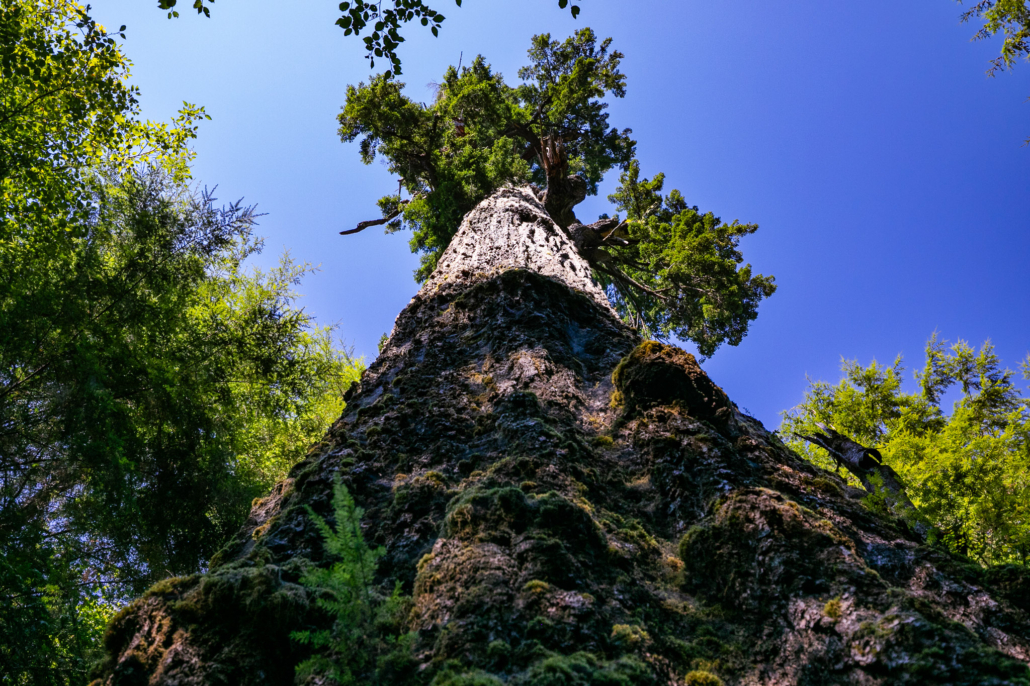
UPDATED: Port Renfrew Big Trees Map
Explore the updated Port Renfrew Big Trees Map with new directions, trails, and routes to iconic giants like Big Lonely Doug, Eden Grove, and more.
https://staging.ancientforestalliance.org/wp-content/uploads/2025/05/13-Red-Creek-Fir.jpg
1365
2048
TJ Watt
https://staging.ancientforestalliance.org/wp-content/uploads/2026/05/Ancient-Forest-Alliance-logo.svg
TJ Watt2026-05-29 15:39:342026-05-29 15:40:49UPDATED: Port Renfrew Big Trees Map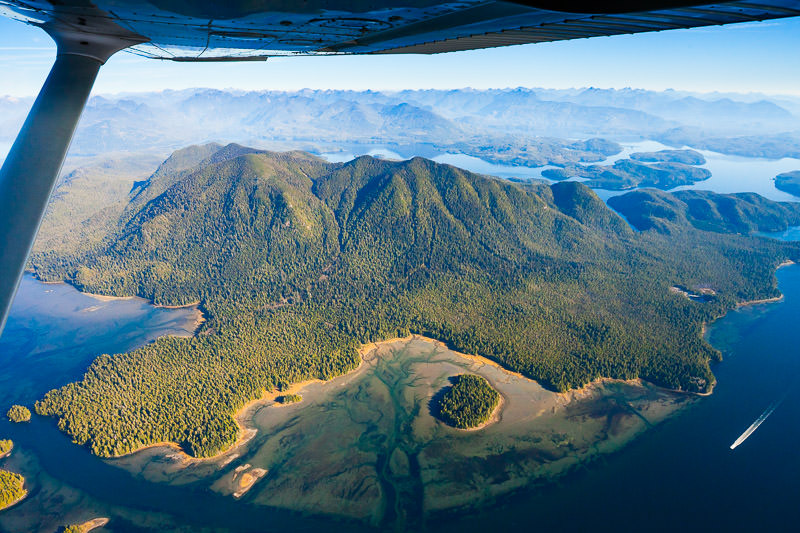
NEW! West Coast Old-Growth Hiking Guide
Explore AFA’s NEW West Coast old-growth hiking guide. From Clayoquot Sound to Port Alberni, there are trails for every skill level!
https://staging.ancientforestalliance.org/wp-content/uploads/2026/05/meares-island-big-tree-trail-tofino-1200px-338.jpg
533
800
TJ Watt
https://staging.ancientforestalliance.org/wp-content/uploads/2026/05/Ancient-Forest-Alliance-logo.svg
TJ Watt2026-05-29 12:06:002026-05-29 15:42:38NEW! West Coast Old-Growth Hiking Guide
Now Hiring: Contract Graphic Designer!
Ancient Forest Alliance is hiring a contract Graphic Designer to help bring our campaigns to life through print and digital materials.
https://staging.ancientforestalliance.org/wp-content/uploads/2026/05/flores-island-wildside-trail-1200px-430.jpg
800
1200
TJ Watt
https://staging.ancientforestalliance.org/wp-content/uploads/2026/05/Ancient-Forest-Alliance-logo.svg
TJ Watt2026-05-22 12:22:292026-05-22 12:22:29Now Hiring: Contract Graphic Designer!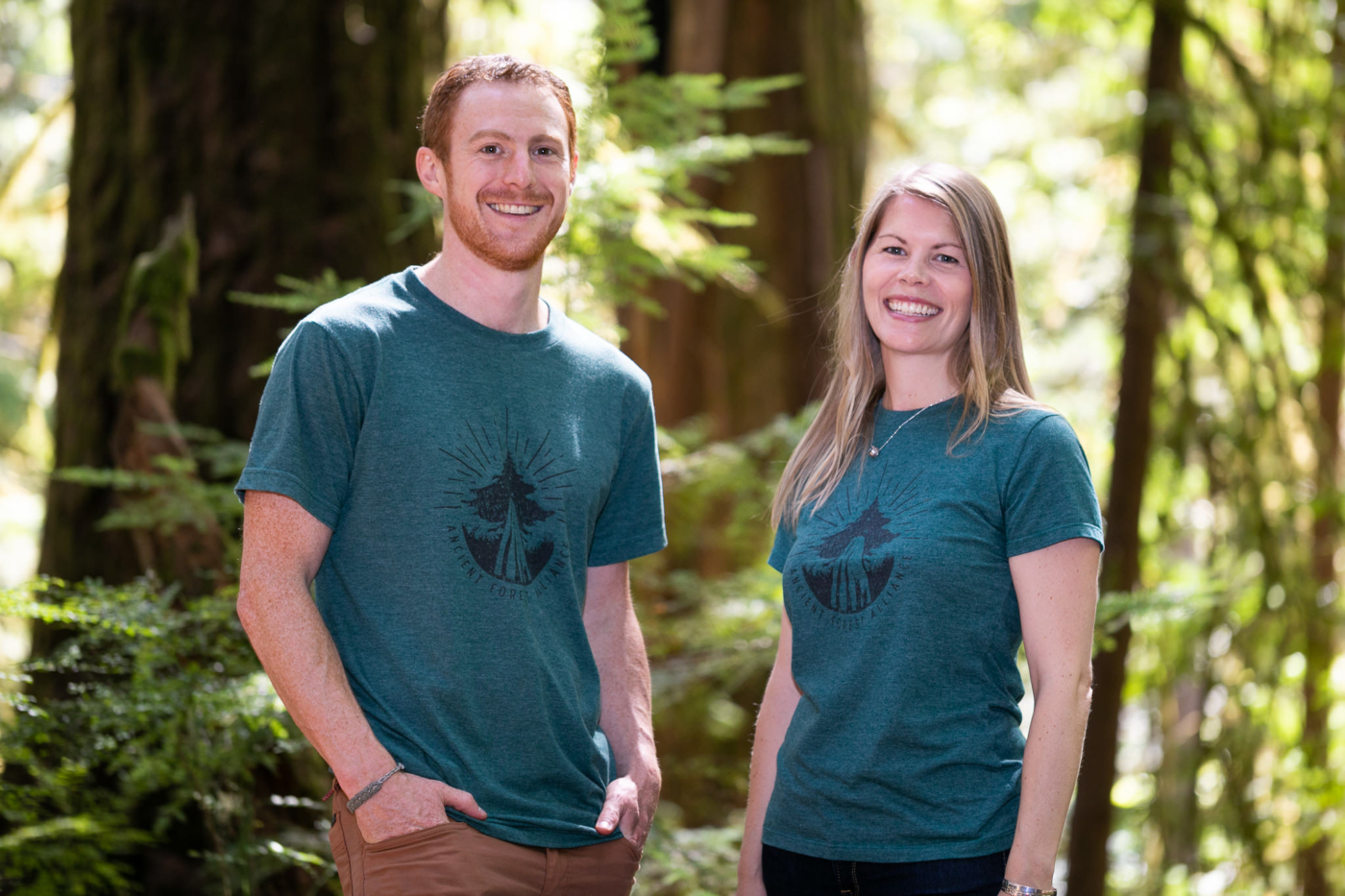
Design AFA’s Next T-Shirt and Help Protect Old-Growth Forests!
Calling all artists! For Earth Month, AFA is launching our first-ever Community T-Shirt Design Contest.
https://staging.ancientforestalliance.org/wp-content/uploads/2026/04/AFA-T-Shirt-Green-Mens-Womens.jpg
1365
2048
TJ Watt
https://staging.ancientforestalliance.org/wp-content/uploads/2026/05/Ancient-Forest-Alliance-logo.svg
TJ Watt2026-05-15 08:13:232026-05-19 09:33:44Design AFA’s Next T-Shirt and Help Protect Old-Growth Forests! Donate
 Send a Message
Old growth logging intensifies in Nahmint Valley
/in News CoverageNahmint Valley, BC — Some of the largest trees in Canada are being cut west of Port Alberni as part of old-growth logging currently underway in the Nahmint Valley.
Recent harvesting includes a massive Douglas fir that was cut down earlier in May. This tree measured 31 feet in circumference and 10 feet wide, dimensions that would rank it among the country’s top 10 largest Douglas firs in the BC Big Tree registry, a public record managed by the University of British Columbia.
This discovery was reported to the Ancient Forest Alliance, an organization that works to protect old-growth forests and promote sustainable second-growth forestry practices.
AFA Executive Director Ken Wu said that an estimated one per cent of Vancouver Island’s old-growth Douglas fir trees are still standing, and compared the forestry practices in Nahmint to hunting endangered animals.
“It’s sort of like coming across a herd of elephants and slaughtering them all, they’re so rare these days, these monumental stands,” he said.
The AFA has identified two trees in the valley with dimensions that rank them among the largest of their species in Canada. These include the three-metre-wide Douglas fir that was recently cut down and what the AFA is calling “the Alberni Giant,” a Douglas fir growing deep in the Nahmint forest with a diameter of 3.7 metres (12 feet). They also found a 4.3-metre-wide (14-foot) western red cedar standing in Nahmint.
Some of these trees are thicker than those found in Cathedral Grove, which are provincially protected from harvesting. The grove’s largest tree is an 800-year-old Douglas fir measuring 2.8 metres in diameter, bringing the possibility that the Alberni Giant could be as old as 1,000 years.
“They are vitally important for endangered species and wildlife that need old-growth forest,” said Wu of the giant trees. “They provide clean water for steelhead and salmon in the Nahmint River, they store more carbon per hectare than any other type of forest on earth.”
The Nahmint trees are in 300-hectares of cutblocks that were auctioned for harvest by BC Timber Sales, a provincial agency that manages Crown land for the forestry industry. Nahmint’s largest old-growth fir trees each bring tens of thousands of dollars in marketable wood, according to information provided by the forestry contractor currently working on the cutblocks.
According to the province’s Vancouver Island Land Use Plan, the Nahmint Valley is not an area that should be seeing intensified old-growth logging. The valley falls under the Special Management category, which prioritizes “environmental, recreational and cultural/heritage values.”
“In the Nahmint landscape unit, there are 2,760 hectares of old growth management areas, ungulate winter ranges and wildlife habitat areas that protect old-growth forests,” said the Ministry of Forests, Lands, Natural Resource Operations and Rural Development in an email to the Ha-Shilth-Sa. “In addition, BCTS conducted a cedar assessment and specifically identified old growth cedar trees to retain from logging.”
The ministry emphasized that there are 520,000 hectares of Vancouver Island’s old-growth forests that will never be logged, comprising 55 per cent of the Island’s old growth forest that lies on Crown land.
But TJ Watt of the AFA believes that Nahmint’s largest trees are being targeted for logging. He said that the cutblocks designated for harvesting are the same parts of the Nahmint Valley that hold the largest old-growth trees.
“We looking to protect the same areas that the logging industry is looking to take,” said Watt. “It’s happening all over the Island, all of the time. Old-growth logging is not a thing of the past, it just often happens in areas that are mostly out of sight and out of mind.”
The Nahmint Valley is in the Hah=uu>i of the Hupacasath and Tseshaht First Nations. The old-growth harvesting has sparked concern from some in these First Nations, including Brenda Sayers, a Hupacasath member who has taken family members to Nahmint in the past.
“I travelled out there quite often when I first moved home. I brought my nieces and nephews to get them acquainted with different parts of our traditional territory,” she said. “I haven’t been out there in a while actually, because it breaks my heart. I don’t know that I could handle seeing the state of the way things are.”
Sayers believes the practice goes against a pledge the NDP government made during the last provincial election.
“In partnership with First Nations and communities, we will modernize land-use planning to effectively and sustainably manage B.C.’s ecosystems, rivers, lakes, watersheds, forests and old growth, while accounting for cumulative effects,” stated the NDP platform in 2017. “We will take an evidence-based scientific approach and use the ecosystem-based management of the Great Bear Rainforest as a model.”
“The province has once again failed our Indigenous people,” said Sayers. “Some people think reconciliation means renaming a street or having cross-cultural workshops to minimise racism. To me, reconciliation is the land, and the government needs to recognize First Nations as the original right holders to the land.”
Minister of Forests Doug Donaldson responded to say that working with First Nations is the first thing the province plans to do as it revises its forestry management.
“The new government is committed to modernizing the land use planning process and protecting old-growth forests is a vital component of that,” he said. “As part of Budget 2018, we committed $16 million over three years to modernizing the land use planning process and work has already begun. The first step is collaborating with Indigenous Peoples. More information about land use planning will be coming in the fall.”
In a document dated Sept. 11, 2017, BC Timber Sales listed best management practices for “legacy trees,” which are exceptionally old and unique stands in the province’s forests.
“BC Timber sales recognizes that legacy trees are often attributed with having important cultural, aesthetic and ecological value,” stated the document. “These trees, when retained, can play an important role in habitat conservation by bridging old-growth characteristics into second-growth stands. In addition, large trees are increasingly supporting the growing ecotourism economy as valuable destinations in and of themselves.”
The BCTS guidelines for the protection of legacy trees cite a minimum diameter of three metres for western red cedars and 2.1 metres for Douglas fir, well under the width of the largest old-growth trees identified by the Ancient Forest Alliance in the Nahmint Valley.
But the BCTS document noted that all legacy trees might not be protected.
“Legacy trees may need to be felled during or after primary harvesting operations if they constitute a safety hazard (or are affected by other operational factors) that cannot be addressed through pother means,” stated the document.
These other operational factors could include “impacts to cutblock design, in particular in cutblocks that rely on overhead cable harvest systems,” “known First Nations interest,” and the “local abundance of legacy trees,” according to the BCTS document.
Wu believes that what’s going on in the Nahmint Valley shows that these guidelines are not serving their conservationist purpose.
“It has enough loopholes to drive a logging truck through,” he said.
Sayers noted that logging Nahmint’s old-growth trees threatens a “sensitive and valuable ecosystem” that provides protection for elk and deer during the winter.
“I think it’s really a crime against nature,” she said. “Every tree is an individual ecosystem. We believe that they have a spirit and as old as they are, they’ve witnessed to the things that took place in our traditional territory. They have a history, they hold knowledge and they’re sacred to us.”
“I feel bad for the loggers whose job it is to mow these trees down, because they have to live with that,” added Sayers. “They’re removing something that’s been gifted to us, they’re removing that right for their children and grandchildren and future generations.”
Click to read the original article.
Ancient Forest Alliance calls for end to old-growth logging in Nahmint Valley
/in News CoverageWATCH VIDEO NEWS COVERAGE HERE
The Nahmint Valley south of Sproat Lake near Port Alberni is a spectacular piece of Vancouver Island. The mountains are tall and so are the trees, but the conservation group Ancient Forest Alliance says too many of the tallest and oldest trees are being cut down.
The group recently became aware of logging in the area and on a recent trip saw an orange ribbon with “Falling Boundary” written it.
It was near a Douglas fir that was over three metres wide and was the 10th widest Douglas fir tree in B.C. according to the BC BigTree registry.
On a return trip a few days later, it had been cut down.
“We're standing here right beside a Douglas fir tree that was cut down just this past week, larger than the largest one at Cathedral Grove,” said TJ Watt, co-founder of Ancient Forest Alliance (AFA), on Friday. “This Douglas fir is 10 feet in diameter, there's less than one per cent of the old growth Douglas fir trees remaining today on BC's coast and this is just unacceptable.”
The group says it is not against logging at all but insists that remaining old growth trees in B.C. need to be saved.
“It's kind of like shooting the tigers in India right? They used to shoot a lot of tigers now we don't anymore,” said local Port Alberni conservationist Mike Stini. “It's about saving something that's rare and endangered.”
The Ancient Forest Alliance says it is hypocritical that Premier John Horgan who when in opposition visited Avatar Grove near Port Renfrew in efforts to save old growth trees there but now as premier, he is allowing the government agency BC Timber Sales to auction off 300 hectares of old growth forests in the Nahmint Valley to logging companies.
“And B.C. Timber Sales is meant to be implementing what they call best management practices for legacy trees. Legacy trees being those that meet certain criteria in terms of size. This would absolutely fall within that category.” said Ancient Forest Alliance's Andrea Inness.
A statement to CHEK News from the Ministry of Forests, Lands, Natural Resource Operations and Rural Development reads: “There are 2,760 hectares of old growth protected in the Nahmint landscape unit. Since August 2016, BCTS has awarded five timber sales totalling 319 hectares. On Vancouver Island’s public lands, there are about 520,000 hectares of old growth forests that will never be logged. Government is continuously reviewing practices to ensure healthy ecosystems and that logging is sustainable.”
Minister of Forests, Lands, Natural Resource Operations and Rural Development Doug Donaldson said: “The new government is committed to modernizing the land use planning process, and protecting old growth forests is a vital component of that. As part of Budget 2018, we committed $16 million over three years to modernizing the land use planning process and work has begun. The first step is collaborating with Indigenous Peoples. More information about land use planning will be coming this fall.”
“Over 55 per centof Crown old growth forests on B.C.’s coast are protected. On Vancouver Island, over 40 per cent of Crown forests are considered old growth, with 520,000 hectares that will never be logged. The Vancouver Island Land Use Plan designated areas for protection and areas suitable for resource development, including logging. Logging continues to support jobs in communities such as Port Alberni.” added Donaldson.
But the Ancient Forest Alliance doesn't agree.
“The B.C. government is deceptively playing with numbers by including vast areas of much smaller trees growing on high rocky mountainsides to inflate their old-growth statistics, in order to mask their logging of the very rare monumental stands of the biggest trees in the valley bottoms and low elevations – where over 90 per cent have been logged, including 99 per cent of the old-growth Douglas-firs on the coast.” said TJ Watt.
Massive Cutting of Canada’s Grandest Old-Growth Forests Coordinated by BC Government’s Logging Agency – Near Record-Sized Douglas-firs Found in Nahmint Valley on Vancouver Island
/in Media ReleaseHundreds of hectares of the grandest old-growth forests in Canada are being logged at breakneck speeds right now in the Nahmint Valley near Port Alberni, including thousands of old-growth western redcedars – some 4.3 meters (14 feet) in diameter – and exceptionally large Douglas-firs. BC’s 5th and 9th widest Douglas-fir trees, according to the BC Big Tree Registry, were found on the expedition to the area.
Port Alberni – Conservationists with the Ancient Forest Alliance (AFA) were dismayed last week to discover that the BC government’s logging agency, BC Timber Sales (BCTS), has auctioned off at least 300 hectares of some of the world’s grandest old-growth forests in the Nahmint Valley for logging, with thousands of old-growth trees already having been cut down this spring. AFA campaigners TJ Watt and Andrea Inness, arborist-conservationist Matthew Beatty, and local Port Alberni conservationists Mike Stini and Ariane Telishewsky, came across the new clearcuts and road-building operations with enormous, 12-foot-wide, freshly cut logs of ancient cedars on May 6.
The campaigners also identified an enormous Douglas-fir tree, which they dubbed the “Alberni Giant”, that is wider than the fifth widest Douglas-fir tree listed in the BC Big Tree Registry at almost 11.5 metres (38 feet) in circumference or 3.7 metres (12 feet) in diameter. In addition, they found a Douglas-fir tree 3 metres (9.9 feet) in diameter, making it wider than even the widest Douglas-fir in Cathedral Grove, which is 2.8 metres (9.2 feet) in diameter, as well as a massive 4.3-metre or 14-foot-wide western redcedar.
The cutblocks targeting prime ancient forests were identified by the AFA and are on BCTS-controlled Crown lands and total over 300 hectares in the Nahmint Valley, with some cutlbocks being 30 hectares – or about 30 football fields – in size. The Nahmint Valley is in the territory of the Hupacasath and Tseshaht First Nations bands.
“The BC NDP government is fully in charge of BC Timber Sales’ mandate. For them to let their own logging agency auction off logging rights to some of the largest and oldest endangered trees on Earth is like enabling the slaughter of elephant herds or the harpooning of blue whales. It’s the very opposite of sustainable forest management. The new NDP government needs a serious wake-up call. They need to end the status quo of old-growth liquidation – for starters, BCTS must stop issuing old-growth cutblocks – and instead ensure a sustainable second-growth forest industry,” stated AFA forest campaigner Andrea Inness.
“It’s brutal, what’s happening out there. In advance of our trip I researched where the finest old-growth stands might be located based on Google Earth satellite maps and each one turned out to have a logging cutblock placed on it – cutblocks planned and issued by the BC government’s own logging agency. We visited many spectacular trees on the day we arrived – some trees bigger than even those found in Cathedral Grove – and, by the second day, many of them were already on the ground. It’s a full-on assault. All day long the sounds of chainsaws, drilling machines, and huge trees crashing down boomed throughout the valley,” stated TJ Watt.
The Nahmint Valley is considered a “hotspot” of high-conservation value old-growth forest by conservation groups and is home to Roosevelt elk, black-tailed deer, cougars, wolves, and black bears, as well as old-growth associated species like the marbled murrelet and northern goshawk. The area also supports significant salmon and steelhead spawning runs. The Nahmint is considered by many people to be one of the most scenic areas in BC, with its ancient forests, rugged peaks, gorgeous turquoise canyons and swimming holes, and large and small lakes, and is heavily used by hikers, campers, anglers, and hunters.
“Only about 1% of the original old-growth Douglas-fir stands still remain on BC’s coast, and just about the finest stands are here in the Nahmint Valley. The area is also prime wildlife habitat for so many species. Having explored the forests around Port Alberni for decades, I can say with confidence that the remaining old-growth forests in the Nahmint are a first-rate conservation priority,” said wildlife expert Mike Stini of the Port Alberni Watershed-Forest Alliance.
The NDP’s 2017 election platform states that “In partnership with First Nations and communities, we will modernize land-use planning to effectively and sustainably manage BC’s ecosystems, rivers, lakes, watersheds, forests and old growth, while accounting for cumulative effects. We will take an evidence-based scientific approach and use the ecosystem-based management of the Great Bear Rainforest as a model.” (see page 61 of their platform at: https://action.bcndp.ca/page/-/bcndp/docs/BC-NDP-Platform-2017.pdf). If taken literally and seriously, this would almost certainly result in the protection of the remaining endangered old-growth forest on BC’s southern coast and in the BC Interior, where old-growth forests are far scarcer and more endangered than in the Central and Northern Coast (Great Bear Rainforest) where 85% of the forests (including the vast majority of the old-growth) were set aside in protected areas and under the ecosystem-based management reserve networks.
Several environmental groups, including the Ancient Forest Alliance, Sierra Club BC, and Wilderness Committee, are calling on the BC government to implement a series of policy changes that can be rolled out over both short- and longer-term timelines. This includes a comprehensive, science-based law to protect old-growth forests and financial support for sustainable economic development and diversification of First Nations communities, known as “conservation financing,” while supporting First Nations land use plans. While these longer-term solutions are being developed, an interim halt to logging in old-growth “hotspots” – areas of high conservation value – must be implemented to ensure the largest and best stands of remaining old-growth forests are kept intact while a larger plan is developed.
There are also a number of policies that can be readily implemented more quickly. For example, the NDP government should direct BCTS to discontinue issuance of old-growth cut blocks and support the implementation of conservation solutions in such rare and endangered forests. In addition, there needs to be an effective big tree protection order with buffer zones and forest reserves such as many Old-Growth Management Areas that currently exist only on paper should be made legally binding and the system should be quickly expanded to protect additional endangered old-growth forests. Finally, annual funding needs to be directed to establish a park acquisition fund, which would allow the BC government to purchase and protect private lands of high conservation, cultural or recreational value.
“So far, the new NDP government has, disappointingly, supported the destructive status quo of high-grade old-growth forest liquidation, raw log exports, mill closures, and unsustainable forestry in general. They need to break away from the old unsustainable mindset that has driven the increasing collapse of both ecosystems and rural communities in this province. When it comes to forestry, the NDP have not distinguished themselves from the BC Liberals in terms of any new laws or regulations, and it’s very unwise for them to think they can take the environmental movement for granted and test its patience with excuses, heel-dragging, and PR spin while the destructive status quo rages on. Today there is a viable, potentially sustainable, second-growth forestry alternative that the government can foster, while protecting endangered old-growth forests and supporting the economic diversification of First Nations and rural communities,” stated Ancient Forest Alliance executive director Ken Wu.
More Background Info
Old-growth forests are vital to sustaining unique endangered species, climate stability, tourism, clean water, wild salmon, and the cultures of many First Nations. On BC’s southern coast, satellite photos show that at least 75% of the original, productive old-growth forests have been logged, including well over 90% of the valley bottoms where the largest trees grow. Only about 8% of Vancouver Island’s original, productive old-growth forests are protected in parks and Old-Growth Management Areas. Old-growth forests – with trees that can be 2000 years old – are a non-renewable resource under BC’s system of forestry, where second-growth forests are re-logged every 50 to 100 years, never to become old-growth again.
On BC’s southern coast (Vancouver Island and the southwest mainland), 75% of the original, productive old-growth forests have already been logged, including over 90% of the valley bottoms where the largest trees grow. 3.3 million hectares of productive old-growth forests once stood on the southern coast (with an additional 2.2 million hectares of bog, subalpine forests, and other low productivity old-growth forests of low to no commercial value with stunted trees), and today only 860,000 hectares remain, while only 260,000 hectares are protected in parks and Old-Growth Management Areas. Second-growth forests now dominate 75% of the southern coast’s productive forest lands, including 90% of southern Vancouver Island, and can be sustainably logged to support the forest industry. See “before and after” maps and stats of the southern coast’s old-growth forests at: www.ancientforestalliance.org/old-growth-maps.php
In order to placate public fears about the loss of BC’s endangered old-growth forests, the government’s PR-spin typically over-inflates the amount of remaining old-growth forests by including hundreds of thousands of hectares of marginal, low productivity forests growing in bogs and at high elevations with small, stunted trees, together with the productive old-growth forests where the large trees grow (and where most logging takes place). They also leave out vast areas of largely overcut private managed forest lands – previously managed as if they were Crown lands for decades and still managed by the province under weaker Private Managed Forest Lands regulations – in order to reduce the basal area for calculating how much old-growth forest remains, thereby increasing the fraction of remaining old-growth forests. See a rebuttal to some of the BC government’s PR-spin and stats about old-growth forests towards the BOTTOM of the webpage: https://staging.ancientforestalliance.org/action-alert-speak-up-for-ancient-forests-to-the-union-of-bc-municipalities-ubcm/
In recent times in BC, the voices for old-growth protection have been quickly expanding, including numerous Chambers of Commerce, mayors and city councils, forestry unions, and conservation groups across BC who have been calling on the provincial government to expand protection for BC’s remaining old-growth forests.
BC’s premier business lobby, the BC Chamber of Commerce, representing 36,000 businesses, passed a resolution in May of 2016 calling on the province to expand protection for BC’s old-growth forests to support the economy, after a series of similar resolutions passed by the Port Renfrew, Sooke, and WestShore Chambers of Commerce. See: https://staging.ancientforestalliance.org/media-release-historic-leap-for-old-growth-forests-bc-chamber-of-commerce-passes-resolution-for-expanded-protection/
Both the Union of BC Municipalities (UBCM), representing the mayors, city and town councils, and regional districts across BC, and Association of Vancouver Island and Coastal Communities (AVICC), representing Vancouver Island local governments, passed a resolution in 2016 calling on the province to protect the Vancouver Island’s remaining old-growth forests by amending the 1994 land use plan. See: https://staging.ancientforestalliance.org/media-release-ubcm-passes-old-growth-protection-resolution/
The Public and Private Workers of Canada (PPWC), formerly the Pulp, Paper, and Woodworkers of Canada, representing thousands of sawmill and pulp mill workers across BC, passed a resolution in 2017 calling for an end to old-growth logging on Vancouver Island. See: https://staging.ancientforestalliance.org/conservationists-applaud-old-growth-protection-resolution-by-major-bc-forestry-union/
Each year, a significant portion of the provincial timber harvest is carried out on BC Timber Sales (BCTS) controlled land through its timber sales program. BCTS, a division of the Ministry of Forests, Lands, Natural Resource Operations and Rural Development (FLNRO), is the BC government’s logging agency that plans and directly issues logging permits for about 20 percent of the province’s merchantable timber on Crown lands, which fall outside of forestry tenures. Under this system, logging rights are granted through competitive auction to the highest bidding company for each timber sale, which provides benchmark costs and prices from the harvest of Crown timber in BC in order to set stumpage rates for tenure holders. The remaining 80 per cent of the province’s annual timber harvest occurs under the timber tenure system through tree farm or forest licences within Timber Supply Areas, woodlot licences, First Nations woodland licences, community forest agreements, or other tenures.
As the BC government retains full control over which cut blocks are auctioned each year through BCTS, the new government should use this control to quickly phase out issuing timber sales in old-growth forests and support implementation of conservation steps. The government should also review alternative ways to set benchmarks, considering broader socio-economic and ecological criteria, and consider how BC Timber Sales can be used to enable solutions for conservation and forestry that support communities.