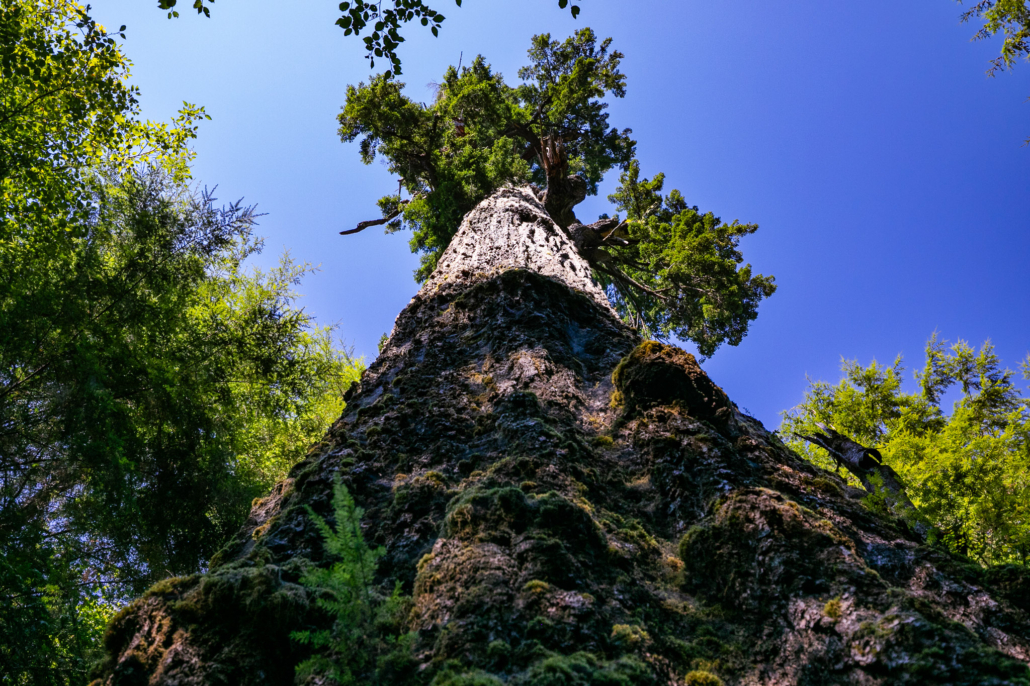
UPDATED: Port Renfrew Big Trees Map
Explore the updated Port Renfrew Big Trees Map with new directions, trails, and routes to iconic giants like Big Lonely Doug, Eden Grove, and more.
https://staging.ancientforestalliance.org/wp-content/uploads/2025/05/13-Red-Creek-Fir.jpg
1365
2048
TJ Watt
https://staging.ancientforestalliance.org/wp-content/uploads/2026/05/Ancient-Forest-Alliance-logo.svg
TJ Watt2026-05-29 15:39:342026-05-29 15:40:49UPDATED: Port Renfrew Big Trees Map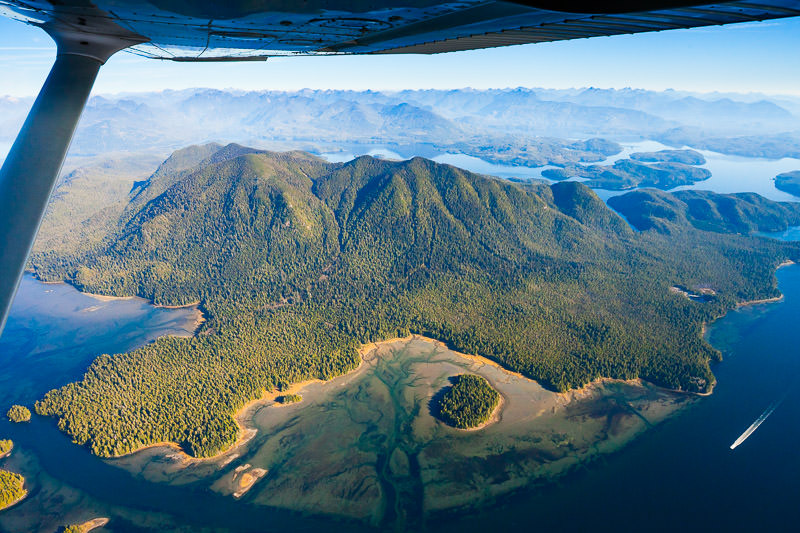
NEW! West Coast Old-Growth Hiking Guide
Explore AFA’s NEW West Coast old-growth hiking guide. From Clayoquot Sound to Port Alberni, there are trails for every skill level!
https://staging.ancientforestalliance.org/wp-content/uploads/2026/05/meares-island-big-tree-trail-tofino-1200px-338.jpg
533
800
TJ Watt
https://staging.ancientforestalliance.org/wp-content/uploads/2026/05/Ancient-Forest-Alliance-logo.svg
TJ Watt2026-05-29 12:06:002026-05-29 15:42:38NEW! West Coast Old-Growth Hiking Guide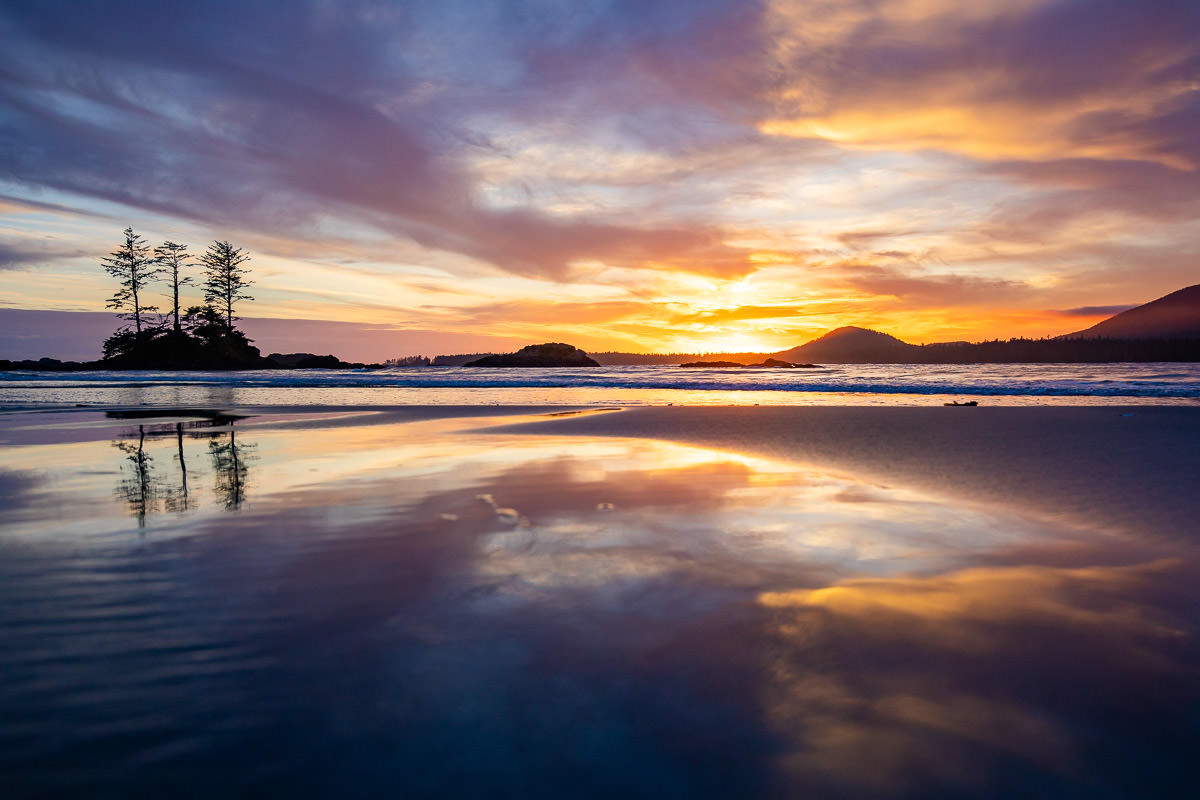
Now Hiring: Contract Graphic Designer!
Ancient Forest Alliance is hiring a contract Graphic Designer to help bring our campaigns to life through print and digital materials.
https://staging.ancientforestalliance.org/wp-content/uploads/2026/05/flores-island-wildside-trail-1200px-430.jpg
800
1200
TJ Watt
https://staging.ancientforestalliance.org/wp-content/uploads/2026/05/Ancient-Forest-Alliance-logo.svg
TJ Watt2026-05-22 12:22:292026-05-22 12:22:29Now Hiring: Contract Graphic Designer!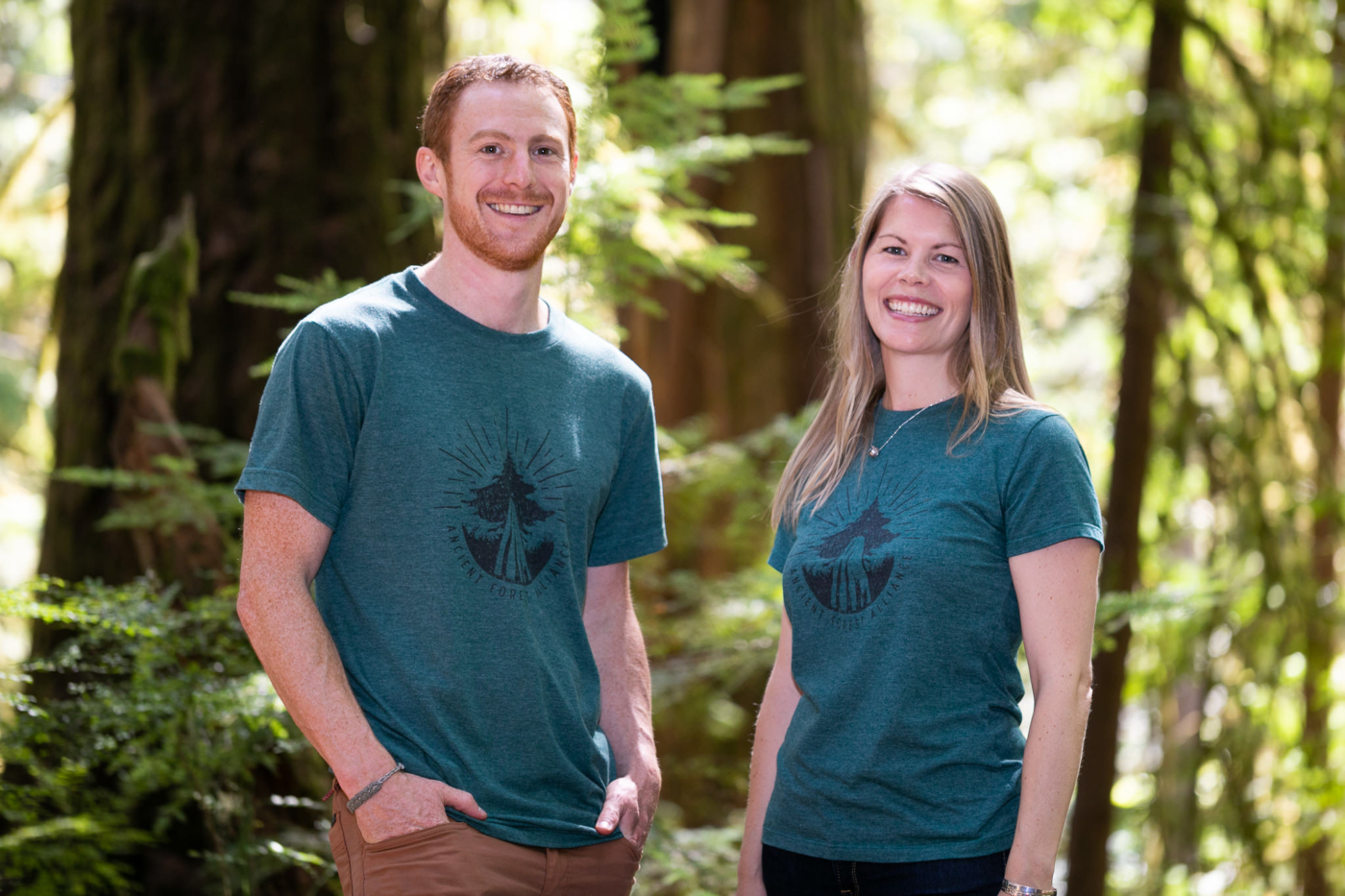
Design AFA’s Next T-Shirt and Help Protect Old-Growth Forests!
Calling all artists! For Earth Month, AFA is launching our first-ever Community T-Shirt Design Contest.
https://staging.ancientforestalliance.org/wp-content/uploads/2026/04/AFA-T-Shirt-Green-Mens-Womens.jpg
1365
2048
TJ Watt
https://staging.ancientforestalliance.org/wp-content/uploads/2026/05/Ancient-Forest-Alliance-logo.svg
TJ Watt2026-05-15 08:13:232026-05-19 09:33:44Design AFA’s Next T-Shirt and Help Protect Old-Growth Forests! Donate
 Send a Message
Come Celebrate 10 years of the Ancient Forest Alliance!
/in AnnouncementsUPDATE: To ensure the health and safety of our staff and supporters, we’ve decided to postpone our 10-year anniversary celebration on April 3rd in light of COVID-19. We will reschedule the event once the situation changes and we are confident that there’s no health risk. Anyone who has already purchased a ticket will receive a full refund. Thank you for your understanding and support.
You are cordially invited to join the Ancient Forest Alliance for a very special evening to celebrate our 10-year anniversary, our wonderful community of supporters, and the many accomplishments you’ve helped us achieve over the last decade.
Enjoy house-made appetizers and refreshments from Trees Restaurant (one drink included with each ticket), a mini silent auction with a selection of fabulous items and experiences, and of course, mingling with the AFA staff, volunteers, and supporters!
The past 10 years have flown by quickly, so let’s pause for an evening of fun and celebrate how far we’ve come.
Event Details
When: Friday, April 3, from 6:30pm to 9:30pm. Doors at 6:15pm.
Where: Trees Restaurant (537 Johnson St. in Victoria) in Lekwungen territory
Tickets: $50. Limited spaces available.
Trees Restaurant is wheelchair accessible with gender neutral washrooms.
Logging concerns around Vancouver Island’s famous old-growth forest
/in News CoverageGlobal News
March 5th, 2020
Environmental groups are calling for government action to protect the forests surrounding one of B.C.’s most famous old-growth forests, Cathedral Grove. Linda Aylesworth reports.
Watch the original news piece
Old-Growth Logging on Mountainside Above Cathedral Grove Illustrates Urgent Need for BC Land Acquisition Fund for Protection of Endangered Private Lands
/in Media ReleasePort Alberni, Vancouver Island – Old-growth logging on private lands owned by Mosaic Forest Management (formerly Island Timberlands) on the mountainside above Cathedral Grove has put Canada’s most famous old-growth forest at risk and illustrated the urgent need for provincial funding to purchase and protect endangered ecosystems on private lands.
Conservationists with the Port Alberni Watershed-Forest Alliance were alarmed to discover logging of intact old-growth on the mountainside late last year and were joined by members of the Ancient Forest Alliance (AFA) to assess and document the logging, which is now complete.
Located east of Port Alberni in territories of the K’ómoks and Tseshaht First Nations and the Te’mexw Treaty Association, the large cutblock lies on the southwest facing slope of Mt. Horne roughly 300 metres from the MacMillan Provincial Park boundary where over half a million tourists visit annually to see Cathedral Grove’s extremely rare, ancient Douglas-fir trees, of which less than 1% remain on BC’s south coast.
“Cathedral Grove is Canada’s most famous old-growth forest,” stated AFA campaigner and photographer TJ Watt. “And yet its ecological integrity continues to be undermined as the BC government allows clearcut logging to encroach closer and closer to the MacMillan Provincial Park boundary. The BC government needs to step in and purchase these and other private lands to protect endangered ecosystems and reduce impacts to this world-famous grove.”
The logging on Mt Horne, which conservationists consider to be an old-growth forest “hotspot” of high conservation and recreational value, will likely have numerous adverse impacts, including destroying some of BC’s last remaining endangered old-growth Douglas-fir stands; fragmenting the continuous forest cover and wildlife habitat on the slope above Cathedral Grove; reducing critical wintering habitat for black-tailed deer; and increasing siltation of the Cameron River (which runs through Cathedral Grove) during the heavy winter rains as soil washes down from the new clearcut and logging road.
The clearcut has also already destroyed part of the Mount Horne Loop Trail, a popular hiking and mushroom-picking trail, which Mosaic has closed public access to.
“Mt. Horne has outstanding scenic and recreational value and should never have been logged,” stated Jane Morden, coordinator of the Port Alberni Watershed-Forest Alliance. “Even if the loop trail is re-opened, it will now lead through a clearcut, totally degrading the trail’s scenic values. It’s also hard to imagine that logging on Mt. Horne’s steep slopes won’t negatively impact the health and longevity of Cathedral Grove.”
Mt Horne was formerly intended as an Ungulate Winter Range to protect the old-growth winter habitat of black-tailed deer. The mountainside is part in the 88,000 hectares of privately held land that the provincial government allowed to be removed from Tree Farm License 44 in 2004 — with the agreement that critical winter habitats be protected. Both Island Timberlands (now Mosaic) and the BC government have failed to follow through on this promise.
“This is important wildlife habitat that was once designated for protection,” stated local wildlife expert Mike Stini. “Unless the BC government steps in and protects more old-growth forests and improves forestry regulations on private lands, iconic wildlife species like elk, deer, bears, and cougars – as well as threatened species like marbled murrelet and northern goshawk – will be left with smaller and increasingly fragmented patches of old-growth habitat.”
In 2013, numerous conservation groups campaigned for the protection of Mt. Horne and the expansion of protected areas around Cathedral Grove to maintain tourism opportunities and wildlife habitat values. Their efforts garnered a massive public outcry, resulting in Island Timberlands placing a halt on their logging plans. However, due to a lack of political will and a dedicated provincial funding mechanism for the Province to purchase and protect the land, Mt. Horne remained vulnerable to future logging.
“For years, the Ancient Forest Alliance has been calling on the BC government to re-establish a provincial Natural Lands Acquisition Fund for the purchase and protection of private lands,” stated Watt.
“Such a fund would allow for the expansion of the MacMillan Provincial Park boundaries to fully encompass the forests above and adjacent to the world-famous Cathedral Grove. This includes the old-growth forests on Mount Horne and along the Alberni Summit Highway as well as the scenic Cameron Lake and the Cameron River Canyon. With the logging on Mt. Horne now complete, we’ve lost a critical opportunity to safeguard the integrity of this world-renowned ancient forest.”
The Ancient Forest Alliance is also calling for provincial support and funding for the creation of Indigenous Protected and Conserved Areas (IPCAs) to protect places of high conservation and First Nations cultural value, including old-growth forests.
“The federal government has committed $1.3 billion to meet international protected area targets by the end of 2020, which includes funding for the private land acquisition and the creation of new IPCAs, but BC needs to come to the table with matching funding,” stated AFA forest campaigner Andrea Inness. “We were extremely disappointed that, once again, the Province failed to provide even modest funding for land acquisition and protected area expansion in its 2020 budget, despite a projected $227 million surplus and the growing urgency to protect endangered native ecosystems.”
“Vancouver Island’s Capital Regional District recently approved a 10-year extension on its hugely popular Land Acquisition Fund, which relies on a $20 annual household levy and has protected nearly 5,000 hectares since the fund’s creation in 2000. The BC government needs to start showing the same kind of commitment to protecting BC’s lands and waters for future generations.”
Last fall, the BC government commenced a provincial Old Growth Strategic Review and established an independent panel to solicit feedback from British Columbians on how old-growth management could be improved. The panel is expected to submit recommendations to the BC government by the end of April, but the Province plans to delay public release of the report by up to six months.
“The BC NDP’s action on old-growth thus far is totally inadequate and now they’re delaying action even further,” stated Inness. “Not only is there no commitment or timeframe around the implementation of any new old-growth policies, the Forest Minister said recently he intends to consult old-growth logging proponents once again, before any recommendations from the panel are implemented.”
“Given the overwhelming public feedback calling for increased old-growth forest protection in Spring 2020 amendments to the Forest and Range Practices Act and the government’s proposed Old Growth Strategy, there is no valid excuse for this delay. British Columbians want and expect action on old-growth now.”
Background Information:
In 2004, the BC government removed 88,000 hectares of Weyerhaeuser’s private forest lands (now owned by Mosaic Forest Management) from their Tree Farm Licences, thereby deregulating vast sections of forest lands including Mount Horne, McLaughlin Ridge and Cameron Firebreak in Hupacasath territory, and Katlum Creek. A follow-up agreement with the corporate landowners was supposed to ensure protection of many of the deregulated old-growth forests (i.e. previously proposed Ungulate Winter Ranges for elk and deer and Wildlife Habitat Areas for species-at-risk), but this agreement was abandoned when the lands were transferred to Island Timberlands.
The Ancient Forest Alliance is calling on the BC government to establish an annual $40 million provincial land acquisition fund to purchase and protect private lands in BC. The proposed fund would rise to an annual $100 million by 2024 through $10 million increases each year and would enable the timely purchase of significant tracts of endangered private lands of high conservation, scenic, and recreation value to add to BC’s parks and protected areas system.
BC’s old-growth forests are vital to support endangered species, tourism, the climate, clean water, wild salmon, and many First Nations cultures whose unceded lands these are. About 79% of the original, productive old-growth forests have already been logged on BC’s southern coast, including well over 90% of the valley-bottom ancient forests where the largest trees grow, and 99% of the old-growth Douglas fir trees on BC’s coast. See maps and stats at: https://staging.ancientforestalliance.org/ancient-forests/before-after-old-growth-maps/