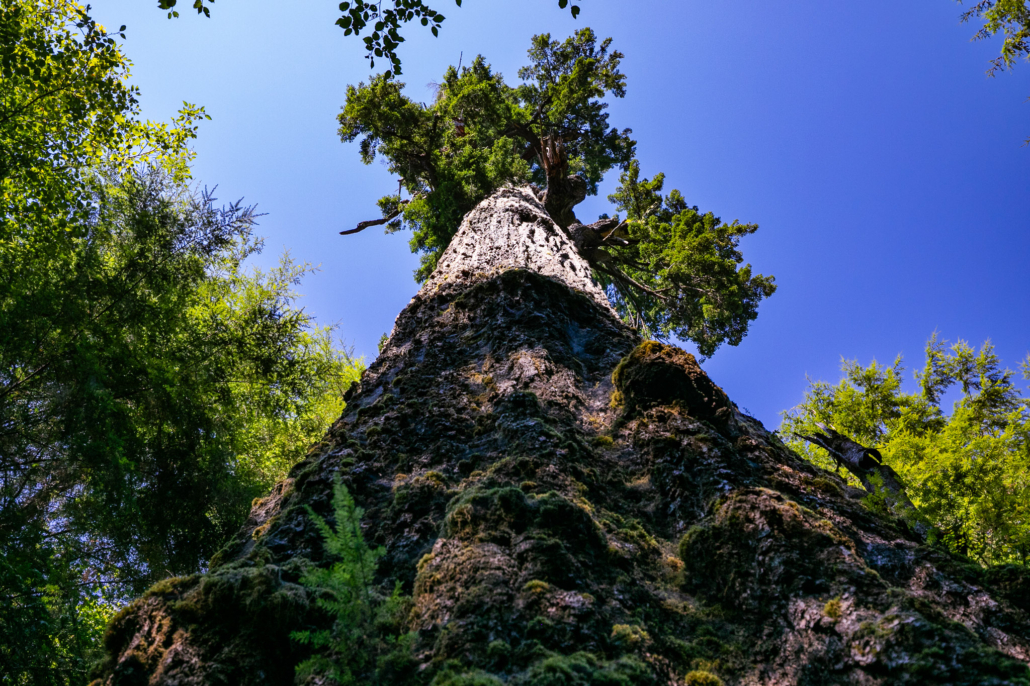
UPDATED: Port Renfrew Big Trees Map
Explore the updated Port Renfrew Big Trees Map with new directions, trails, and routes to iconic giants like Big Lonely Doug, Eden Grove, and more.
https://staging.ancientforestalliance.org/wp-content/uploads/2025/05/13-Red-Creek-Fir.jpg
1365
2048
TJ Watt
https://staging.ancientforestalliance.org/wp-content/uploads/2026/05/Ancient-Forest-Alliance-logo.svg
TJ Watt2026-05-29 15:39:342026-05-29 15:40:49UPDATED: Port Renfrew Big Trees Map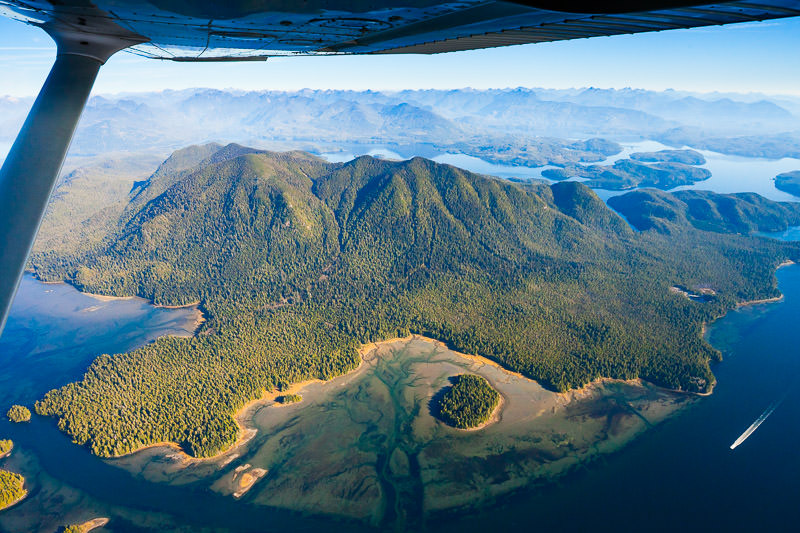
NEW! West Coast Old-Growth Hiking Guide
Explore AFA’s NEW West Coast old-growth hiking guide. From Clayoquot Sound to Port Alberni, there are trails for every skill level!
https://staging.ancientforestalliance.org/wp-content/uploads/2026/05/meares-island-big-tree-trail-tofino-1200px-338.jpg
533
800
TJ Watt
https://staging.ancientforestalliance.org/wp-content/uploads/2026/05/Ancient-Forest-Alliance-logo.svg
TJ Watt2026-05-29 12:06:002026-05-29 15:42:38NEW! West Coast Old-Growth Hiking Guide
Now Hiring: Contract Graphic Designer!
Ancient Forest Alliance is hiring a contract Graphic Designer to help bring our campaigns to life through print and digital materials.
https://staging.ancientforestalliance.org/wp-content/uploads/2026/05/flores-island-wildside-trail-1200px-430.jpg
800
1200
TJ Watt
https://staging.ancientforestalliance.org/wp-content/uploads/2026/05/Ancient-Forest-Alliance-logo.svg
TJ Watt2026-05-22 12:22:292026-05-22 12:22:29Now Hiring: Contract Graphic Designer!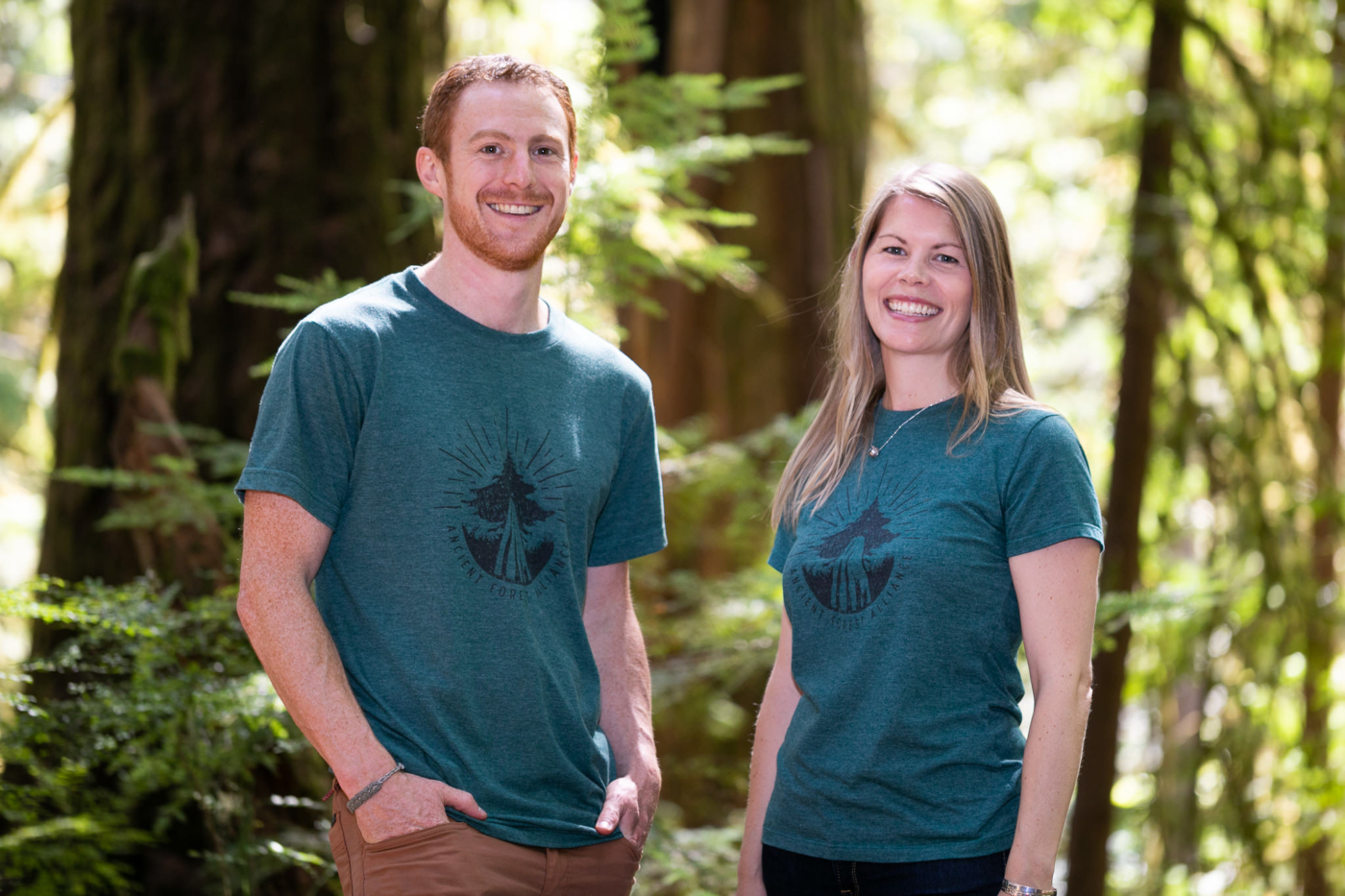
Design AFA’s Next T-Shirt and Help Protect Old-Growth Forests!
Calling all artists! For Earth Month, AFA is launching our first-ever Community T-Shirt Design Contest.
https://staging.ancientforestalliance.org/wp-content/uploads/2026/04/AFA-T-Shirt-Green-Mens-Womens.jpg
1365
2048
TJ Watt
https://staging.ancientforestalliance.org/wp-content/uploads/2026/05/Ancient-Forest-Alliance-logo.svg
TJ Watt2026-05-15 08:13:232026-05-19 09:33:44Design AFA’s Next T-Shirt and Help Protect Old-Growth Forests! Donate
 Send a Message
Photos: Loup Creek Grove – Port Renfrew
/in Photo GalleryIn March 2020, the AFA identified a spectacular grove ancient giants along Loup Creek near Port Renfrew in Pacheedaht territory. This region was heavily logged in the 1970s and 80s, save for a strip of old-growth along the river. Most of the old-growth that remains today along Loup Creek is protected within an Old Growth Management Area and a Wildlife Habitat Area (WHA) for marbled murrelets. But a prime section containing dozens and dozens of ancient redcedars, giant amabalis fir, and Douglas-fir trees was left unprotected. We also spotted ribbons marked “Falling Boundary” and “Road Location”, indicating potential future logging plans by Teal-Jones.
The BC government is currently working to expand WHAs for marbled murrelets. We’ve recommended to the Ministry of Forests that this grove should be added to the adjacent WHA, ensuring a contiguous stretch of old-growth is protected along the river, but we don’t know whether they will listen.
See the new photo gallery here: https://staging.ancientforestalliance.org/loup-creek/
Conservation group cries foul over logging old-growth forest in Caycuse River watershed
/in News CoverageCowichan Valley Citizen
May 15, 2020
Government working on new strategy for old-growth forests
The Ancient Forest Alliance is calling for the protection of old-growth forests following the logging of some of Vancouver Island’s ancient forests along Haddon Creek in the Caycuse River watershed.
The call from the conservation group coincides with the deadline for a government-appointed panel to submit recommendations to the province following a six-month-long Old Growth Strategic Review.
AFA campaigner and photographer TJ Watt recently found scores of giant trees cut down in the Caycuse watershed, including red cedar trees more than 11 feet in diameter.
“This grove has an exceptionally large number of massive, ancient cedars,” Watt said.
“Without question, it’s one of the grandest forests on the south Island, rivalling the renowned Avatar Grove near Port Renfrew or the Walbran Valley, which lies a short distance to the south. In 2020, we shouldn’t be logging globally rare ancient forests such as these and converting them to ecologically inferior tree plantations.”
Located southwest of Cowichan Lake and east of Nitinat Lake in Ditidaht First Nation territory, the grove stands within a 33.5 hectare cut block in Tree Farm Licence 46 near Haddon Creek, where logging company Teal-Jones is actively working.
Combined with several other cutblocks nearby, a total of 71.5 hectares of old-growth forest has or is planned to be logged along Haddon Creek and one of its tributaries.
According to a press release from the AFA, the Caycuse watershed was once a prime example of ancient coastal rain forest, but has been heavily logged over the past several decades.
“There is an extreme sense of urgency because we’re rapidly losing the small percentage of ‘big-tree’ forests that remains unprotected on Vancouver Island,” Watt said.
“As the province assesses the old-growth panel’s findings and decides which recommendations it may or may not implement, trees upwards of 1,000 years old are being cut at alarming rates, never to be seen again. Forest Minister Doug Donaldson needs to act quickly and decisively to ensure their protection.”
In response to growing pressure to address the over-exploitation of the province’s old-growth forests, Victoria convened an independent, two-person panel in October to conduct an Old Growth Strategic Review, which included seeking public, stakeholder, and First Nations’ feedback on how B.C. should best manage old-growth forests.
The panel’s report and recommendations have been submitted to the government, and Victoria plans to undertake further consultations with the goal of developing a new provincial Old Growth Strategy.
But the press release said the government plans to wait up to six months to publicly release the panel’s recommendations and the province’s proposed new policy direction.
“We look forward to seeing the panel’s report, which must be made public much sooner because time is of the essence as many of the forests in question are being logged right now,” said AFA campaigner Andrea Inness.
“We expect to see strong recommendations based on the scientific evidence presented to the panel, and are looking to the government to quickly implement sweeping changes to protect ancient forests before the next election.”
A statement from the Ministry of Forests, Lands, Natural Resources and Rural Development acknowledged that the panel’s report was received by the ministry on April 30 and committed to publicly respond within six months.
“The primary objective of the Old Growth Strategic Review, announced in July, 2019, is to inform policy and a new old-growth strategy for British Columbia; one that provides more clarity on the land base and with consideration to employment and economic benefits, and social, cultural and environmental values, and the need to address climate change,” the ministry statement said.
Read the original article
Photo Gallery: Massive Trees Cut Down on Vancouver Island
/in Photo GalleryIn April 2020, Ancient Forest Alliance campaigner and photographer TJ Watt explored and documented old-growth logging totalling over 70 hectares along Haddon Creek in Ditidaht Territory and found monumental redcedar trees over 11 feet in diameter cut down. Some of these trees had previously been photographed by him while still standing. Without question, this is – or was – one of the grandest forests on the South Island, rivalling the renowned Avatar Grove near Port Renfrew or the Walbran Valley, which lies a short distance to the south
See the photo gallery here: https://staging.ancientforestalliance.org/photos-media/massive-trees-cut-down/