Western Toad
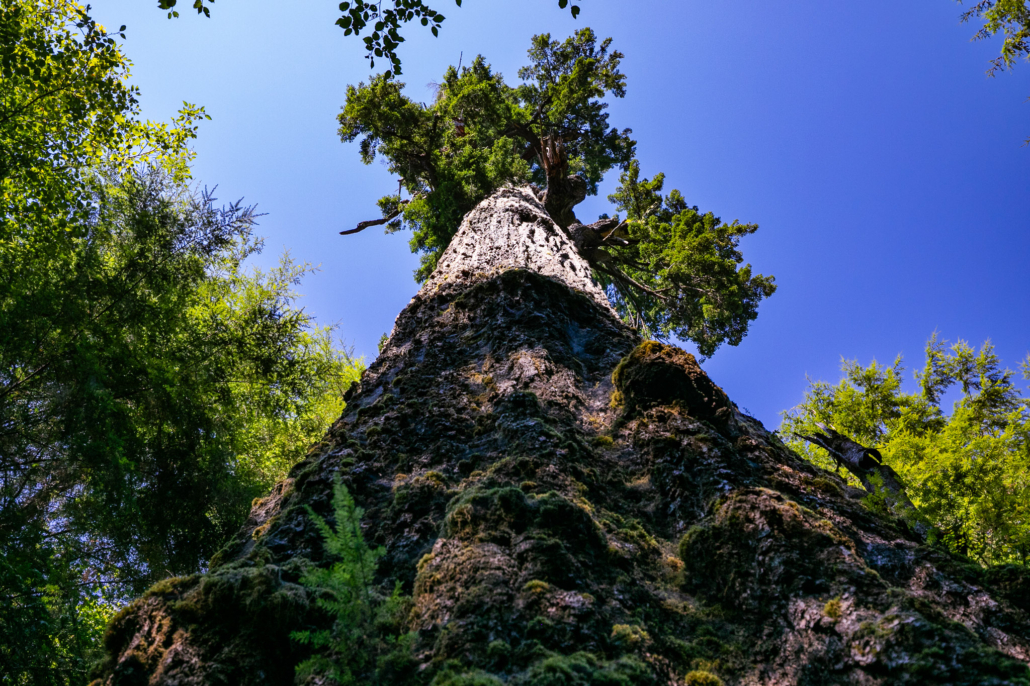
Learn all about the western toad, a widespread and adaptable inhabitant of diverse ecosystems across BC, including the coastal rainforests!
https://staging.ancientforestalliance.org/wp-content/uploads/2026/03/western-toad-bc-1.jpg
1365
2048
TJ Watt
https://staging.ancientforestalliance.org/wp-content/uploads/2014/10/cropped-AFA-Logo-1000px.png
TJ Watt2026-03-17 16:35:432026-03-17 16:36:43Western Toad
CBC: Panel Appointed to Map B.C.’s Old-Growth Forests Say Province Is Failing to Save Them
Every member of a former panel the BC government appointed to identify old-growth for potential protection in 2021 now says they're concerned about continued logging in those same rare and "irreplaceable" forests.
https://staging.ancientforestalliance.org/wp-content/uploads/2026/02/3-Nahmint-Valley-Logging.jpg
1365
2048
TJ Watt
https://staging.ancientforestalliance.org/wp-content/uploads/2014/10/cropped-AFA-Logo-1000px.png
TJ Watt2026-03-16 09:43:292026-03-16 09:49:30CBC: Panel Appointed to Map B.C.’s Old-Growth Forests Say Province Is Failing to Save Them
NOW HIRING: Forest Campaigner
The Ancient Forest Alliance (AFA) is hiring a passionate Forest Campaigner to join our team and help protect old-growth forests in BC!
https://staging.ancientforestalliance.org/wp-content/uploads/2026/02/Keith-River-Old-Growth-BC-333.jpg
1365
2048
TJ Watt
https://staging.ancientforestalliance.org/wp-content/uploads/2014/10/cropped-AFA-Logo-1000px.png
TJ Watt2026-03-03 09:07:112026-03-04 14:36:34NOW HIRING: Forest Campaigner
It’s AFA’s 16th Birthday!
On Tuesday, February 24th, we’re celebrating 16 years of working together with you, our community, to ensure the permanent protection of old-growth forests in BC. To mark the date, will you chip in $16 or more to support our work?
https://staging.ancientforestalliance.org/wp-content/uploads/2026/02/2026-02-AFA-16-Birthday.jpg
1080
1920
TJ Watt
https://staging.ancientforestalliance.org/wp-content/uploads/2014/10/cropped-AFA-Logo-1000px.png
TJ Watt2026-02-26 11:49:362026-02-26 11:49:36It’s AFA’s 16th Birthday!
In photos: see old-growth go from stand to stump on B.C.’s Vancouver Island
/in News CoverageWatt said he wants to see the B.C. government commit funding to the transition to sustainable forestry. Photo: TJ Watt
Watt walks down a Teal-Jones logging road. Photo: TJ Watt
Read the original article
Before and after images show the extent of clearcut logging on the slopes of the valley. Photo: TJ Watt
Forestry machinery on a logging road leading to a new clear cut in the Caycuse watershed. Photo: TJ Watt
Watt said industrial logging in B.C. often happens out of sight and out of mind of Canadians and yet the stakes are so urgent when you realize how little old-growth forest remains.
“That’s what I’m trying to get across. I’m trying to bring these remote places into people’s living rooms, onto their phones, so people can see what is happening, speak up, contact their elected officials, their MLAs, to demand an end to the logging of endangered old-growth forests.”
Communities dependent on logging deserve a sustainable transition plan, so they’re not left hanging when protections are put into place, Watt said.
Increasingly, conservation groups and First Nations are asking the provincial and federal governments to create financial incentives to protect, rather than harvest, forests.
Forests that are highly productive in terms of timber yield are often forests that contain the greatest biodiversity, species habitat and store the most carbon.
The province needs to turn its attention to transitioning forest management from old-growth logging to sustainable and value-added forestry practices, Watt said.
“It’s critical the government put forward funding to support Indigenous Protected and Conserved Areas and support for communities that are looking to transition away from old-growth logging,” he said.
“The world is watching B.C. right now,” Watt added. “Unfortunately it took these images to capture people’s attention. We’re not going to let them get away with this.”
Watt said he is going to continue traveling to remaining ancient forests that can still be protected. He hopes he won’t have to publish more before and after photos.
“I’m going to keep going out there. Otherwise this would still be happening. No one would know. No one would care.”
Watt said he wants to see the B.C. government commit funding to the transition to sustainable forestry. Photo: TJ Watt
Watt walks down a Teal-Jones logging road. Photo: TJ Watt
Read the original article
Watt stands at the remains of a large, old-growth cedar in the Caycuse watershed. Photo: TJ Watt
The province also claims 23 per cent of B.C. forest — about 13 million hectares — qualifies as old-growth.
But a study published in June found just three per cent of B.C. is capable of supporting large trees and within that small portion of the province, the report’s authors found only 2.7 per cent of the trees are actually old. The authors note, “old forests on these sites have dwindled considerably due to intense harvest.”
“We’ve basically logged it all,” Rachel Holt, one of the authors of the study, B.C.’s Old Growth Forest: A Last Stand for Biodiversity, told The Narwhal in June.
Watt said he’s disappointed the province continues to talk up its old-growth strategy, while failing to do more to protect forests like the one in the Caycuse watershed.
“When you see a tree that is 800 or 1,000 years old, reduced to this graveyard of stumps, you realize that every day, every week, every month that there is further delay in action on these endangered ecosystems, the losses we face are huge and are permanent.”
Before and after images show the extent of clearcut logging on the slopes of the valley. Photo: TJ Watt
Forestry machinery on a logging road leading to a new clear cut in the Caycuse watershed. Photo: TJ Watt
Watt said industrial logging in B.C. often happens out of sight and out of mind of Canadians and yet the stakes are so urgent when you realize how little old-growth forest remains.
“That’s what I’m trying to get across. I’m trying to bring these remote places into people’s living rooms, onto their phones, so people can see what is happening, speak up, contact their elected officials, their MLAs, to demand an end to the logging of endangered old-growth forests.”
Communities dependent on logging deserve a sustainable transition plan, so they’re not left hanging when protections are put into place, Watt said.
Increasingly, conservation groups and First Nations are asking the provincial and federal governments to create financial incentives to protect, rather than harvest, forests.
Forests that are highly productive in terms of timber yield are often forests that contain the greatest biodiversity, species habitat and store the most carbon.
The province needs to turn its attention to transitioning forest management from old-growth logging to sustainable and value-added forestry practices, Watt said.
“It’s critical the government put forward funding to support Indigenous Protected and Conserved Areas and support for communities that are looking to transition away from old-growth logging,” he said.
“The world is watching B.C. right now,” Watt added. “Unfortunately it took these images to capture people’s attention. We’re not going to let them get away with this.”
Watt said he is going to continue traveling to remaining ancient forests that can still be protected. He hopes he won’t have to publish more before and after photos.
“I’m going to keep going out there. Otherwise this would still be happening. No one would know. No one would care.”
Watt said he wants to see the B.C. government commit funding to the transition to sustainable forestry. Photo: TJ Watt
Watt walks down a Teal-Jones logging road. Photo: TJ Watt
Read the original article
Watt estimates some of the trees recently cut down in the Caycuse watershed are between 800 and 1,000 years old. Photo: TJ Watt
While the province committed to temporarily defer logging in nine forests containing old-growth, critics were quick to point out little to no harvesting was expected to take place in those areas recommended by the panel. They also noted some of the deferral zones contained forests already protected in parks or forests that had already been logged.
These deferrals did not offer any protection to some of B.C.’s most quickly disappearing old-growth located in the northern boreal forest, a rare and endangered interior temperate rainforest and on Vancouver Island.
Watt stands at the remains of a large, old-growth cedar in the Caycuse watershed. Photo: TJ Watt
The province also claims 23 per cent of B.C. forest — about 13 million hectares — qualifies as old-growth.
But a study published in June found just three per cent of B.C. is capable of supporting large trees and within that small portion of the province, the report’s authors found only 2.7 per cent of the trees are actually old. The authors note, “old forests on these sites have dwindled considerably due to intense harvest.”
“We’ve basically logged it all,” Rachel Holt, one of the authors of the study, B.C.’s Old Growth Forest: A Last Stand for Biodiversity, told The Narwhal in June.
Watt said he’s disappointed the province continues to talk up its old-growth strategy, while failing to do more to protect forests like the one in the Caycuse watershed.
“When you see a tree that is 800 or 1,000 years old, reduced to this graveyard of stumps, you realize that every day, every week, every month that there is further delay in action on these endangered ecosystems, the losses we face are huge and are permanent.”
Before and after images show the extent of clearcut logging on the slopes of the valley. Photo: TJ Watt
Forestry machinery on a logging road leading to a new clear cut in the Caycuse watershed. Photo: TJ Watt
Watt said industrial logging in B.C. often happens out of sight and out of mind of Canadians and yet the stakes are so urgent when you realize how little old-growth forest remains.
“That’s what I’m trying to get across. I’m trying to bring these remote places into people’s living rooms, onto their phones, so people can see what is happening, speak up, contact their elected officials, their MLAs, to demand an end to the logging of endangered old-growth forests.”
Communities dependent on logging deserve a sustainable transition plan, so they’re not left hanging when protections are put into place, Watt said.
Increasingly, conservation groups and First Nations are asking the provincial and federal governments to create financial incentives to protect, rather than harvest, forests.
Forests that are highly productive in terms of timber yield are often forests that contain the greatest biodiversity, species habitat and store the most carbon.
The province needs to turn its attention to transitioning forest management from old-growth logging to sustainable and value-added forestry practices, Watt said.
“It’s critical the government put forward funding to support Indigenous Protected and Conserved Areas and support for communities that are looking to transition away from old-growth logging,” he said.
“The world is watching B.C. right now,” Watt added. “Unfortunately it took these images to capture people’s attention. We’re not going to let them get away with this.”
Watt said he is going to continue traveling to remaining ancient forests that can still be protected. He hopes he won’t have to publish more before and after photos.
“I’m going to keep going out there. Otherwise this would still be happening. No one would know. No one would care.”
Watt said he wants to see the B.C. government commit funding to the transition to sustainable forestry. Photo: TJ Watt
Watt walks down a Teal-Jones logging road. Photo: TJ Watt
Read the original article
When old-growth forests are logged, they cannot be replicated with tree replanting. “Old-growth forests are essentially non-renewable resources,” Watt said. Photo: TJ Watt
Watt estimates some of the trees recently cut down in the Caycuse watershed are between 800 and 1,000 years old. Photo: TJ Watt
While the province committed to temporarily defer logging in nine forests containing old-growth, critics were quick to point out little to no harvesting was expected to take place in those areas recommended by the panel. They also noted some of the deferral zones contained forests already protected in parks or forests that had already been logged.
These deferrals did not offer any protection to some of B.C.’s most quickly disappearing old-growth located in the northern boreal forest, a rare and endangered interior temperate rainforest and on Vancouver Island.
Watt stands at the remains of a large, old-growth cedar in the Caycuse watershed. Photo: TJ Watt
The province also claims 23 per cent of B.C. forest — about 13 million hectares — qualifies as old-growth.
But a study published in June found just three per cent of B.C. is capable of supporting large trees and within that small portion of the province, the report’s authors found only 2.7 per cent of the trees are actually old. The authors note, “old forests on these sites have dwindled considerably due to intense harvest.”
“We’ve basically logged it all,” Rachel Holt, one of the authors of the study, B.C.’s Old Growth Forest: A Last Stand for Biodiversity, told The Narwhal in June.
Watt said he’s disappointed the province continues to talk up its old-growth strategy, while failing to do more to protect forests like the one in the Caycuse watershed.
“When you see a tree that is 800 or 1,000 years old, reduced to this graveyard of stumps, you realize that every day, every week, every month that there is further delay in action on these endangered ecosystems, the losses we face are huge and are permanent.”
Before and after images show the extent of clearcut logging on the slopes of the valley. Photo: TJ Watt
Forestry machinery on a logging road leading to a new clear cut in the Caycuse watershed. Photo: TJ Watt
Watt said industrial logging in B.C. often happens out of sight and out of mind of Canadians and yet the stakes are so urgent when you realize how little old-growth forest remains.
“That’s what I’m trying to get across. I’m trying to bring these remote places into people’s living rooms, onto their phones, so people can see what is happening, speak up, contact their elected officials, their MLAs, to demand an end to the logging of endangered old-growth forests.”
Communities dependent on logging deserve a sustainable transition plan, so they’re not left hanging when protections are put into place, Watt said.
Increasingly, conservation groups and First Nations are asking the provincial and federal governments to create financial incentives to protect, rather than harvest, forests.
Forests that are highly productive in terms of timber yield are often forests that contain the greatest biodiversity, species habitat and store the most carbon.
The province needs to turn its attention to transitioning forest management from old-growth logging to sustainable and value-added forestry practices, Watt said.
“It’s critical the government put forward funding to support Indigenous Protected and Conserved Areas and support for communities that are looking to transition away from old-growth logging,” he said.
“The world is watching B.C. right now,” Watt added. “Unfortunately it took these images to capture people’s attention. We’re not going to let them get away with this.”
Watt said he is going to continue traveling to remaining ancient forests that can still be protected. He hopes he won’t have to publish more before and after photos.
“I’m going to keep going out there. Otherwise this would still be happening. No one would know. No one would care.”
Watt said he wants to see the B.C. government commit funding to the transition to sustainable forestry. Photo: TJ Watt
Watt walks down a Teal-Jones logging road. Photo: TJ Watt
Read the original article
The remaining old-growth in the Caycuse watershed is as grand and as beautiful in other treasured Vancouver Island forests like Avatar grove and the Walbran valley, Watt said. Photo: TJ Watt
When old-growth forests are logged, they cannot be replicated with tree replanting. “Old-growth forests are essentially non-renewable resources,” Watt said. Photo: TJ Watt
Watt estimates some of the trees recently cut down in the Caycuse watershed are between 800 and 1,000 years old. Photo: TJ Watt
While the province committed to temporarily defer logging in nine forests containing old-growth, critics were quick to point out little to no harvesting was expected to take place in those areas recommended by the panel. They also noted some of the deferral zones contained forests already protected in parks or forests that had already been logged.
These deferrals did not offer any protection to some of B.C.’s most quickly disappearing old-growth located in the northern boreal forest, a rare and endangered interior temperate rainforest and on Vancouver Island.
Watt stands at the remains of a large, old-growth cedar in the Caycuse watershed. Photo: TJ Watt
The province also claims 23 per cent of B.C. forest — about 13 million hectares — qualifies as old-growth.
But a study published in June found just three per cent of B.C. is capable of supporting large trees and within that small portion of the province, the report’s authors found only 2.7 per cent of the trees are actually old. The authors note, “old forests on these sites have dwindled considerably due to intense harvest.”
“We’ve basically logged it all,” Rachel Holt, one of the authors of the study, B.C.’s Old Growth Forest: A Last Stand for Biodiversity, told The Narwhal in June.
Watt said he’s disappointed the province continues to talk up its old-growth strategy, while failing to do more to protect forests like the one in the Caycuse watershed.
“When you see a tree that is 800 or 1,000 years old, reduced to this graveyard of stumps, you realize that every day, every week, every month that there is further delay in action on these endangered ecosystems, the losses we face are huge and are permanent.”
Before and after images show the extent of clearcut logging on the slopes of the valley. Photo: TJ Watt
Forestry machinery on a logging road leading to a new clear cut in the Caycuse watershed. Photo: TJ Watt
Watt said industrial logging in B.C. often happens out of sight and out of mind of Canadians and yet the stakes are so urgent when you realize how little old-growth forest remains.
“That’s what I’m trying to get across. I’m trying to bring these remote places into people’s living rooms, onto their phones, so people can see what is happening, speak up, contact their elected officials, their MLAs, to demand an end to the logging of endangered old-growth forests.”
Communities dependent on logging deserve a sustainable transition plan, so they’re not left hanging when protections are put into place, Watt said.
Increasingly, conservation groups and First Nations are asking the provincial and federal governments to create financial incentives to protect, rather than harvest, forests.
Forests that are highly productive in terms of timber yield are often forests that contain the greatest biodiversity, species habitat and store the most carbon.
The province needs to turn its attention to transitioning forest management from old-growth logging to sustainable and value-added forestry practices, Watt said.
“It’s critical the government put forward funding to support Indigenous Protected and Conserved Areas and support for communities that are looking to transition away from old-growth logging,” he said.
“The world is watching B.C. right now,” Watt added. “Unfortunately it took these images to capture people’s attention. We’re not going to let them get away with this.”
Watt said he is going to continue traveling to remaining ancient forests that can still be protected. He hopes he won’t have to publish more before and after photos.
“I’m going to keep going out there. Otherwise this would still be happening. No one would know. No one would care.”
Watt said he wants to see the B.C. government commit funding to the transition to sustainable forestry. Photo: TJ Watt
Watt walks down a Teal-Jones logging road. Photo: TJ Watt
Read the original article
Before and after images of Watt standing beside a large twinned old-growth cedar that he later photographed as a stump in a clearcut. Photo: TJ Watt
While the province has failed to protect B.C.’s last remaining old-growth, the pace and scale of logging has become better understood as a key driver of flooding, habitat loss and species extinction.
In response to growing public concern, the province launched a panel to perform a strategic review of old-growth forestry. The resulting report, released in September, called for massive overhaul of how B.C. manages its remaining ancient forests.
The review panel made 14 recommendations to the government, including short-term deferrals in areas with trees greater than 500 years old near the coast and greater than 300 years old inland. So far, essentially none of the panel’s recommendations have been put into action by the government.
The report noted old forests carry an intrinsic value for all living things and should be managed for ecosystem health, not for timber. It also emphasized that unique ancient forests are irreplaceable, even if trees are replanted.
Watt echoed the sentiment: “When you log an old-growth forest, it’s not coming back. Trees may come back … but old-growth forests are essentially non-renewable resources.”
Watt said the forest in the Caycuse watershed is exactly the type of forest the panel recommended protecting through immediate deferrals.
Unfortunately that recommendation is “too little too late for this forest,” Watt said.
The remaining old-growth in the Caycuse watershed is as grand and as beautiful in other treasured Vancouver Island forests like Avatar grove and the Walbran valley, Watt said. Photo: TJ Watt
When old-growth forests are logged, they cannot be replicated with tree replanting. “Old-growth forests are essentially non-renewable resources,” Watt said. Photo: TJ Watt
Watt estimates some of the trees recently cut down in the Caycuse watershed are between 800 and 1,000 years old. Photo: TJ Watt
While the province committed to temporarily defer logging in nine forests containing old-growth, critics were quick to point out little to no harvesting was expected to take place in those areas recommended by the panel. They also noted some of the deferral zones contained forests already protected in parks or forests that had already been logged.
These deferrals did not offer any protection to some of B.C.’s most quickly disappearing old-growth located in the northern boreal forest, a rare and endangered interior temperate rainforest and on Vancouver Island.
Watt stands at the remains of a large, old-growth cedar in the Caycuse watershed. Photo: TJ Watt
The province also claims 23 per cent of B.C. forest — about 13 million hectares — qualifies as old-growth.
But a study published in June found just three per cent of B.C. is capable of supporting large trees and within that small portion of the province, the report’s authors found only 2.7 per cent of the trees are actually old. The authors note, “old forests on these sites have dwindled considerably due to intense harvest.”
“We’ve basically logged it all,” Rachel Holt, one of the authors of the study, B.C.’s Old Growth Forest: A Last Stand for Biodiversity, told The Narwhal in June.
Watt said he’s disappointed the province continues to talk up its old-growth strategy, while failing to do more to protect forests like the one in the Caycuse watershed.
“When you see a tree that is 800 or 1,000 years old, reduced to this graveyard of stumps, you realize that every day, every week, every month that there is further delay in action on these endangered ecosystems, the losses we face are huge and are permanent.”
Before and after images show the extent of clearcut logging on the slopes of the valley. Photo: TJ Watt
Forestry machinery on a logging road leading to a new clear cut in the Caycuse watershed. Photo: TJ Watt
Watt said industrial logging in B.C. often happens out of sight and out of mind of Canadians and yet the stakes are so urgent when you realize how little old-growth forest remains.
“That’s what I’m trying to get across. I’m trying to bring these remote places into people’s living rooms, onto their phones, so people can see what is happening, speak up, contact their elected officials, their MLAs, to demand an end to the logging of endangered old-growth forests.”
Communities dependent on logging deserve a sustainable transition plan, so they’re not left hanging when protections are put into place, Watt said.
Increasingly, conservation groups and First Nations are asking the provincial and federal governments to create financial incentives to protect, rather than harvest, forests.
Forests that are highly productive in terms of timber yield are often forests that contain the greatest biodiversity, species habitat and store the most carbon.
The province needs to turn its attention to transitioning forest management from old-growth logging to sustainable and value-added forestry practices, Watt said.
“It’s critical the government put forward funding to support Indigenous Protected and Conserved Areas and support for communities that are looking to transition away from old-growth logging,” he said.
“The world is watching B.C. right now,” Watt added. “Unfortunately it took these images to capture people’s attention. We’re not going to let them get away with this.”
Watt said he is going to continue traveling to remaining ancient forests that can still be protected. He hopes he won’t have to publish more before and after photos.
“I’m going to keep going out there. Otherwise this would still be happening. No one would know. No one would care.”
Watt said he wants to see the B.C. government commit funding to the transition to sustainable forestry. Photo: TJ Watt
Watt walks down a Teal-Jones logging road. Photo: TJ Watt
Read the original article
Photographer TJ Watt has seen more than his fair share of clearcuts through his work for the Ancient Forest Alliance.
Still, the sudden transformation of an old-growth forest in the Caycuse watershed on Vancouver Island into a “bleak grey landscape” caught Watt off guard.
His before and after photos, published on Instagram and featured in The Guardian, also struck a nerve with the public.
“I think it’s just with the before and after it’s very plain and simple: you can clearly see what was there and what was lost,” Watt told The Narwhal.
“These photos are going around the world now,” he said, adding he’d just sent a gallery off to a newspaper in France.
In an Instagram post that has received more than 8,900 likes, Watt noted the photos are a series he hoped to never complete. The Ancient Forest Alliance has campaigned for months, asking the province to introduce immediate and long-term measures to protect the last remaining old-growth in the Caycuse watershed around Haddon Creek, south of Lake Cowichan.
Watt said the Caycuse watershed was heavily logged in the 80s and 90s, “save for a few last groves on these slopes in the upper regions of the valley, where there they’ve kind of stood, alone, for the past 10 years or so.”
Now that those groves have been logged by company Teal-Jones and he has completed the photo series, Watt said he hopes the images will serve as a stark reminder of what is at stake when endangered old-growth forests are left without protection.
“This is essentially what we stand to lose, every time there is more talk and log and delays from the government,” Watt said.
Before and after images of Watt standing beside a large twinned old-growth cedar that he later photographed as a stump in a clearcut. Photo: TJ Watt
While the province has failed to protect B.C.’s last remaining old-growth, the pace and scale of logging has become better understood as a key driver of flooding, habitat loss and species extinction.
In response to growing public concern, the province launched a panel to perform a strategic review of old-growth forestry. The resulting report, released in September, called for massive overhaul of how B.C. manages its remaining ancient forests.
The review panel made 14 recommendations to the government, including short-term deferrals in areas with trees greater than 500 years old near the coast and greater than 300 years old inland. So far, essentially none of the panel’s recommendations have been put into action by the government.
The report noted old forests carry an intrinsic value for all living things and should be managed for ecosystem health, not for timber. It also emphasized that unique ancient forests are irreplaceable, even if trees are replanted.
Watt echoed the sentiment: “When you log an old-growth forest, it’s not coming back. Trees may come back … but old-growth forests are essentially non-renewable resources.”
Watt said the forest in the Caycuse watershed is exactly the type of forest the panel recommended protecting through immediate deferrals.
Unfortunately that recommendation is “too little too late for this forest,” Watt said.
The remaining old-growth in the Caycuse watershed is as grand and as beautiful in other treasured Vancouver Island forests like Avatar grove and the Walbran valley, Watt said. Photo: TJ Watt
When old-growth forests are logged, they cannot be replicated with tree replanting. “Old-growth forests are essentially non-renewable resources,” Watt said. Photo: TJ Watt
Watt estimates some of the trees recently cut down in the Caycuse watershed are between 800 and 1,000 years old. Photo: TJ Watt
While the province committed to temporarily defer logging in nine forests containing old-growth, critics were quick to point out little to no harvesting was expected to take place in those areas recommended by the panel. They also noted some of the deferral zones contained forests already protected in parks or forests that had already been logged.
These deferrals did not offer any protection to some of B.C.’s most quickly disappearing old-growth located in the northern boreal forest, a rare and endangered interior temperate rainforest and on Vancouver Island.
Watt stands at the remains of a large, old-growth cedar in the Caycuse watershed. Photo: TJ Watt
The province also claims 23 per cent of B.C. forest — about 13 million hectares — qualifies as old-growth.
But a study published in June found just three per cent of B.C. is capable of supporting large trees and within that small portion of the province, the report’s authors found only 2.7 per cent of the trees are actually old. The authors note, “old forests on these sites have dwindled considerably due to intense harvest.”
“We’ve basically logged it all,” Rachel Holt, one of the authors of the study, B.C.’s Old Growth Forest: A Last Stand for Biodiversity, told The Narwhal in June.
Watt said he’s disappointed the province continues to talk up its old-growth strategy, while failing to do more to protect forests like the one in the Caycuse watershed.
“When you see a tree that is 800 or 1,000 years old, reduced to this graveyard of stumps, you realize that every day, every week, every month that there is further delay in action on these endangered ecosystems, the losses we face are huge and are permanent.”
Before and after images show the extent of clearcut logging on the slopes of the valley. Photo: TJ Watt
Forestry machinery on a logging road leading to a new clear cut in the Caycuse watershed. Photo: TJ Watt
Watt said industrial logging in B.C. often happens out of sight and out of mind of Canadians and yet the stakes are so urgent when you realize how little old-growth forest remains.
“That’s what I’m trying to get across. I’m trying to bring these remote places into people’s living rooms, onto their phones, so people can see what is happening, speak up, contact their elected officials, their MLAs, to demand an end to the logging of endangered old-growth forests.”
Communities dependent on logging deserve a sustainable transition plan, so they’re not left hanging when protections are put into place, Watt said.
Increasingly, conservation groups and First Nations are asking the provincial and federal governments to create financial incentives to protect, rather than harvest, forests.
Forests that are highly productive in terms of timber yield are often forests that contain the greatest biodiversity, species habitat and store the most carbon.
The province needs to turn its attention to transitioning forest management from old-growth logging to sustainable and value-added forestry practices, Watt said.
“It’s critical the government put forward funding to support Indigenous Protected and Conserved Areas and support for communities that are looking to transition away from old-growth logging,” he said.
“The world is watching B.C. right now,” Watt added. “Unfortunately it took these images to capture people’s attention. We’re not going to let them get away with this.”
Watt said he is going to continue traveling to remaining ancient forests that can still be protected. He hopes he won’t have to publish more before and after photos.
“I’m going to keep going out there. Otherwise this would still be happening. No one would know. No one would care.”
Watt said he wants to see the B.C. government commit funding to the transition to sustainable forestry. Photo: TJ Watt
Watt walks down a Teal-Jones logging road. Photo: TJ Watt
Read the original article
The Narwhal
December 10th, 2020
Between April and November, a grove of ancient trees was felled in the Caycuse watershed on Ditidaht Territory, pointing to the breakneck pace of clearcut logging across the province
Photographer TJ Watt has seen more than his fair share of clearcuts through his work for the Ancient Forest Alliance.
Still, the sudden transformation of an old-growth forest in the Caycuse watershed on Vancouver Island into a “bleak grey landscape” caught Watt off guard.
His before and after photos, published on Instagram and featured in The Guardian, also struck a nerve with the public.
“I think it’s just with the before and after it’s very plain and simple: you can clearly see what was there and what was lost,” Watt told The Narwhal.
“These photos are going around the world now,” he said, adding he’d just sent a gallery off to a newspaper in France.
In an Instagram post that has received more than 8,900 likes, Watt noted the photos are a series he hoped to never complete. The Ancient Forest Alliance has campaigned for months, asking the province to introduce immediate and long-term measures to protect the last remaining old-growth in the Caycuse watershed around Haddon Creek, south of Lake Cowichan.
Watt said the Caycuse watershed was heavily logged in the 80s and 90s, “save for a few last groves on these slopes in the upper regions of the valley, where there they’ve kind of stood, alone, for the past 10 years or so.”
Now that those groves have been logged by company Teal-Jones and he has completed the photo series, Watt said he hopes the images will serve as a stark reminder of what is at stake when endangered old-growth forests are left without protection.
“This is essentially what we stand to lose, every time there is more talk and log and delays from the government,” Watt said.
Before and after images of Watt standing beside a large twinned old-growth cedar that he later photographed as a stump in a clearcut. Photo: TJ Watt
While the province has failed to protect B.C.’s last remaining old-growth, the pace and scale of logging has become better understood as a key driver of flooding, habitat loss and species extinction.
In response to growing public concern, the province launched a panel to perform a strategic review of old-growth forestry. The resulting report, released in September, called for massive overhaul of how B.C. manages its remaining ancient forests.
The review panel made 14 recommendations to the government, including short-term deferrals in areas with trees greater than 500 years old near the coast and greater than 300 years old inland. So far, essentially none of the panel’s recommendations have been put into action by the government.
The report noted old forests carry an intrinsic value for all living things and should be managed for ecosystem health, not for timber. It also emphasized that unique ancient forests are irreplaceable, even if trees are replanted.
Watt echoed the sentiment: “When you log an old-growth forest, it’s not coming back. Trees may come back … but old-growth forests are essentially non-renewable resources.”
Watt said the forest in the Caycuse watershed is exactly the type of forest the panel recommended protecting through immediate deferrals.
Unfortunately that recommendation is “too little too late for this forest,” Watt said.
The remaining old-growth in the Caycuse watershed is as grand and as beautiful in other treasured Vancouver Island forests like Avatar grove and the Walbran valley, Watt said. Photo: TJ Watt
When old-growth forests are logged, they cannot be replicated with tree replanting. “Old-growth forests are essentially non-renewable resources,” Watt said. Photo: TJ Watt
Watt estimates some of the trees recently cut down in the Caycuse watershed are between 800 and 1,000 years old. Photo: TJ Watt
While the province committed to temporarily defer logging in nine forests containing old-growth, critics were quick to point out little to no harvesting was expected to take place in those areas recommended by the panel. They also noted some of the deferral zones contained forests already protected in parks or forests that had already been logged.
These deferrals did not offer any protection to some of B.C.’s most quickly disappearing old-growth located in the northern boreal forest, a rare and endangered interior temperate rainforest and on Vancouver Island.
Watt stands at the remains of a large, old-growth cedar in the Caycuse watershed. Photo: TJ Watt
The province also claims 23 per cent of B.C. forest — about 13 million hectares — qualifies as old-growth.
But a study published in June found just three per cent of B.C. is capable of supporting large trees and within that small portion of the province, the report’s authors found only 2.7 per cent of the trees are actually old. The authors note, “old forests on these sites have dwindled considerably due to intense harvest.”
“We’ve basically logged it all,” Rachel Holt, one of the authors of the study, B.C.’s Old Growth Forest: A Last Stand for Biodiversity, told The Narwhal in June.
Watt said he’s disappointed the province continues to talk up its old-growth strategy, while failing to do more to protect forests like the one in the Caycuse watershed.
“When you see a tree that is 800 or 1,000 years old, reduced to this graveyard of stumps, you realize that every day, every week, every month that there is further delay in action on these endangered ecosystems, the losses we face are huge and are permanent.”
Before and after images show the extent of clearcut logging on the slopes of the valley. Photo: TJ Watt
Forestry machinery on a logging road leading to a new clear cut in the Caycuse watershed. Photo: TJ Watt
Watt said industrial logging in B.C. often happens out of sight and out of mind of Canadians and yet the stakes are so urgent when you realize how little old-growth forest remains.
“That’s what I’m trying to get across. I’m trying to bring these remote places into people’s living rooms, onto their phones, so people can see what is happening, speak up, contact their elected officials, their MLAs, to demand an end to the logging of endangered old-growth forests.”
Communities dependent on logging deserve a sustainable transition plan, so they’re not left hanging when protections are put into place, Watt said.
Increasingly, conservation groups and First Nations are asking the provincial and federal governments to create financial incentives to protect, rather than harvest, forests.
Forests that are highly productive in terms of timber yield are often forests that contain the greatest biodiversity, species habitat and store the most carbon.
The province needs to turn its attention to transitioning forest management from old-growth logging to sustainable and value-added forestry practices, Watt said.
“It’s critical the government put forward funding to support Indigenous Protected and Conserved Areas and support for communities that are looking to transition away from old-growth logging,” he said.
“The world is watching B.C. right now,” Watt added. “Unfortunately it took these images to capture people’s attention. We’re not going to let them get away with this.”
Watt said he is going to continue traveling to remaining ancient forests that can still be protected. He hopes he won’t have to publish more before and after photos.
“I’m going to keep going out there. Otherwise this would still be happening. No one would know. No one would care.”
Watt said he wants to see the B.C. government commit funding to the transition to sustainable forestry. Photo: TJ Watt
Watt walks down a Teal-Jones logging road. Photo: TJ Watt
Read the original article
Photography campaign shows the grim aftermath of logging in Canada’s fragile forests
/in News CoverageThe Guardian
December 2, 2020
Ancient Forest Alliance’s project underscores the preventions that are needed to protect old-growth trees in areas such as the Caycuse watershed
When TJ Watt first stood at the base of a towering western red cedar on Canada’s Pacific coast, the ancient giant was surrounded by thick moss and ferns, and the sounds of a vibrant forest ecosystem.
When he returned a few months later, all that remained was a massive stump, set against a landscape that was unrecognizable. “To come back and see a place that was so magnificent and complex just completely and utterly destroyed is just gut-wrenching,” he said.
Watt’s photographs of the forest – and the grim aftermath of logging – are now the centrepiece of a campaign by the Ancient Forest Alliance to capture the impact of clearcutting old growth trees in British Columbia. Despite recent efforts by the province to protect these fragile forests, conservationists say far more is needed to prevent the collapse of ecosystems.
Watt has photographed clearcuts in the province for more than a decade with the AFA, but said the “graveyard of stumps” in the Caycuse watershed remains a jarring sight.
“We’re in the midst of a global climate environmental crisis yet here in Canada, a first world country, we’re allowing the destruction of some of the most highly endangered old growth forests on the planet,” he said. “A lot of people are shocked that that’s still happening here. It’s not illegal. The government sanctions it.”
The AFA estimates that most of the original old-growth forests along the province’s southern coast have been logged commercially. Less than 10% of Vancouver Island’s original old growth forests – where Watt shot his before-and-after series – are protected.
Conservation groups have fought for decades to protect some of the oldest trees in the country. Campaigners won a major victory in September, after the province of British Columbia agreed to implement 14 recommendations from the Old Growth Strategic Review over the next three years.
The panel called on the province to defer logging old-growth forests in nine areas throughout the province, protecting 352,739 hectares (871,600 acres) until a formal plan is developed. But as critics point out, only 3,800 hectares (9,400 acres) – or about 1% of the deferred areas – is previously unprotected old-growth forest.
“There’s a huge gap between the quality of the recommendations and initial steps the government took,” said Jens Wieting of the Sierra Club of BC, pointing out that deferral areas contain only 1% of the most at-risk ecosystems. “That means that 99% of the work still remains to be done.”
Both Watt and Wieting have called on the government to both protect the remaining old growth forests and to help forestry-dependent communities so they can transition away from old growth logging. They also say Indigenous peoples must have a role in protecting and managing the forest.
“I’m going to keep taking these ‘before’ photos,” said Watt. “And it’s up to politicians if there’s going to be an ‘after’ shot.”
Read the original article
Conservationists demand fast action from B.C.’s new forestry minister on protection for old-growth trees
/in News CoverageCBC News British Columbia
November 29, 2020
Katrine Conroy, MLA for Kootenay-West, was appointed this week as B.C.’s forestry minister
Stark photos released this week by a conservation group pushing hard for the province to protect what remains of B.C.’s largest and oldest trees is just one point of pressure the province’s new forestry minister is facing as she comes into the job.
On Thursday, MLA for Kootenay-West Katrine Conroy was appointed minister of forests, lands, natural resource operations and rural development, taking over from Doug Donaldson, who did not seek reelection.
Two days earlier, the Ancient Forest Alliance (AFA) released dramatic before and after photographs of massive cedar trees on Vancouver Island, where they were logged as part of a government-approved tree harvesting licence.
It’s a technique the AFA has often used to illustrate the impact of logging in areas where trees can be up to 1,000 years old.
The term old growth in B.C. refers to trees that are generally 250 years or older on the coast and 140 years or older in the Interior.
The trees have significance to First Nations, they are good for the environment, help to clean air and water, store carbon and house other plants and animals.
But they are also prized by loggers for their monetary value.
Andrea Inness, a campaigner with the AFA, says the latest round of photos taken by T.J. Watt have been shared thousands of times on social media, with comments from people asking the province to end the practise of cutting down the large, iconic trees.
“[People] are sick and tired of seeing photographs like that,” said Inness.
In taking on the forestry portfolio, Conroy — who has represented the West Kootenays for 15 years, and was minister of children and family development from 2017 — has clear direction in her mandate letter to give conservationists like Inness what they want, but maybe not in time to save the trees that remain.
The letter calls for her to implement 14 recommendations announced in September by a special panel, which travelled the province for months speaking with conservationists, unions, First Nations and the public to ask about the ecological, economic and cultural importance of old-growth trees and forests and how they fit into a new forestry strategy for B.C.
The panel’s most time-sensitive recommendation was to defer the cutting of old-growth forests most at risk of “irreversible biodiversity loss.”
In presenting the report from the panel, the province did announce the temporary protection of 353,000 hectares of forest in nine old-growth areas.
Conservationists like Inness and Jens Wieting, a forest and climate campaigner with Sierra Club B.C., were initially pleased with the move, but maintain such a small number of these special trees remain in the province that if more dramatic action is not taken immediately, an insignificant amount could remain by the time the province comes up with a new forestry strategy.
“We have to look at their willingness to quickly defer more old growth from logging,” he said.
An independent ecological consulting firm used provincial data in the spring to determine that while old-growth forests make up about 23 per cent of forested areas in the province — or about 13.2 million hectares — less than three per cent, or around 400,000 hectares, support biologically significant old-growth trees.
Sierra Club B.C. estimates that more than 140,000 hectares of old-growth forests — those with trees at least 120 years old — are logged each year along the B.C. coast and in the Interior.
“We all know the data now, we all know that old-growth logging needs to come to an end,” said Inness. “The government just needs to listen and start acting.”
Money required
Both Wieting and Inness estimate the province would need to spend about $1 billion to meet the 14 recommendations, which include involving Indigenous leaders in future decisions and declaring the conservation of “ecosystem health and biodiversity” an overarching priority for the province.
That would need to include money to help First Nations assess the resources on their lands and transition away from logging old-growth trees, something the Union of B.C. Indian Chiefs wants.
“For years, the government has enabled a debilitating and dangerous system that expunges the irreplaceable cultural value of old-growth forests, viewing not the immense roots these ancient and giant trees have set in our First Nation communities to sustain our cultures and livelihoods, but rather the pecuniary value of these trees that must be exploited in the short-term,” Grand Chief Stewart Phillip said in a release in October.
Financial support will also be needed for communities currently dependent on old-growth logging as they transition away from it, which could be tough for the province considering it’s facing a more than $12-billion deficit due to the pandemic.
Back in her days as an opposition MLA, Conroy frequently spoke up for the embattled logging communities she represents, saying the B.C. Liberals should have done more to achieve fair stumpage rates, reform forestry management, and encourage reforestation to help keep the industry viable.
The new minister did not respond to a request for comment before publication of this story.
Read the original article