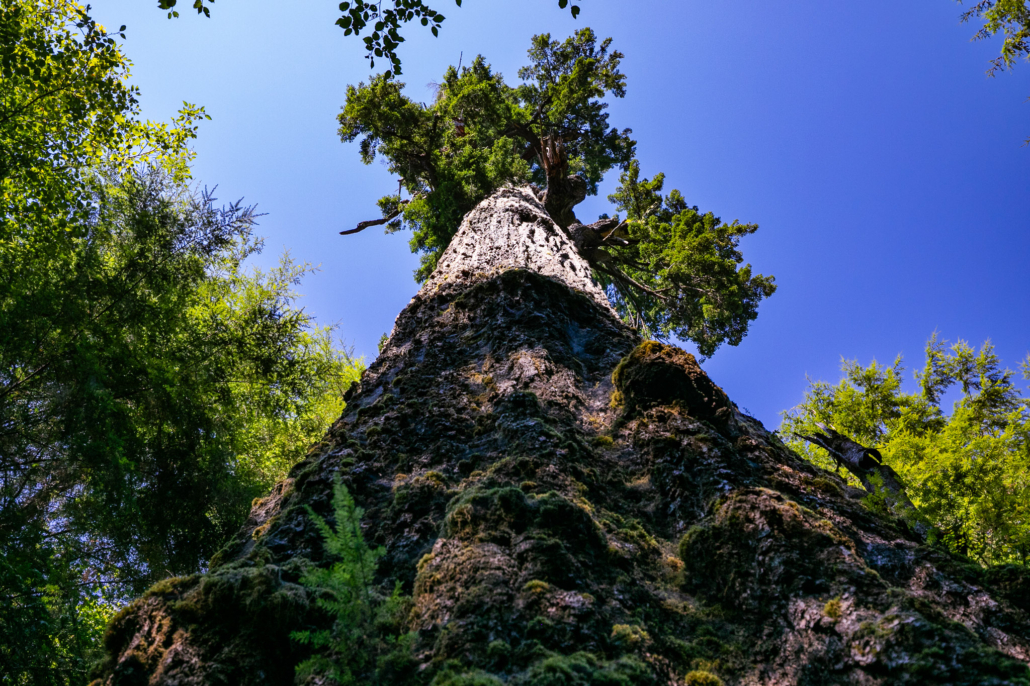
UPDATED: Port Renfrew Big Trees Map
Explore the updated Port Renfrew Big Trees Map with new directions, trails, and routes to iconic giants like Big Lonely Doug, Eden Grove, and more.
https://staging.ancientforestalliance.org/wp-content/uploads/2025/05/13-Red-Creek-Fir.jpg
1365
2048
TJ Watt
https://staging.ancientforestalliance.org/wp-content/uploads/2026/05/Ancient-Forest-Alliance-logo.svg
TJ Watt2026-05-29 15:39:342026-05-29 15:40:49UPDATED: Port Renfrew Big Trees Map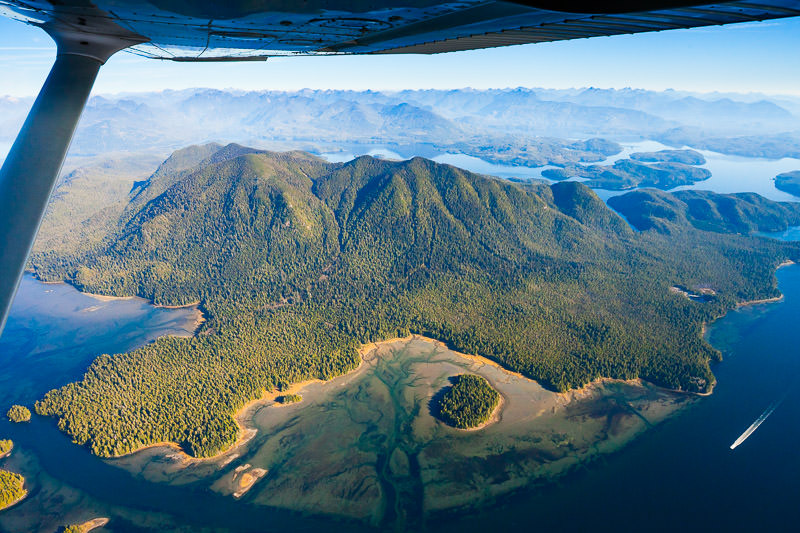
NEW! West Coast Old-Growth Hiking Guide
Explore AFA’s NEW West Coast old-growth hiking guide. From Clayoquot Sound to Port Alberni, there are trails for every skill level!
https://staging.ancientforestalliance.org/wp-content/uploads/2026/05/meares-island-big-tree-trail-tofino-1200px-338.jpg
533
800
TJ Watt
https://staging.ancientforestalliance.org/wp-content/uploads/2026/05/Ancient-Forest-Alliance-logo.svg
TJ Watt2026-05-29 12:06:002026-05-29 15:42:38NEW! West Coast Old-Growth Hiking Guide
Now Hiring: Contract Graphic Designer!
Ancient Forest Alliance is hiring a contract Graphic Designer to help bring our campaigns to life through print and digital materials.
https://staging.ancientforestalliance.org/wp-content/uploads/2026/05/flores-island-wildside-trail-1200px-430.jpg
800
1200
TJ Watt
https://staging.ancientforestalliance.org/wp-content/uploads/2026/05/Ancient-Forest-Alliance-logo.svg
TJ Watt2026-05-22 12:22:292026-05-22 12:22:29Now Hiring: Contract Graphic Designer!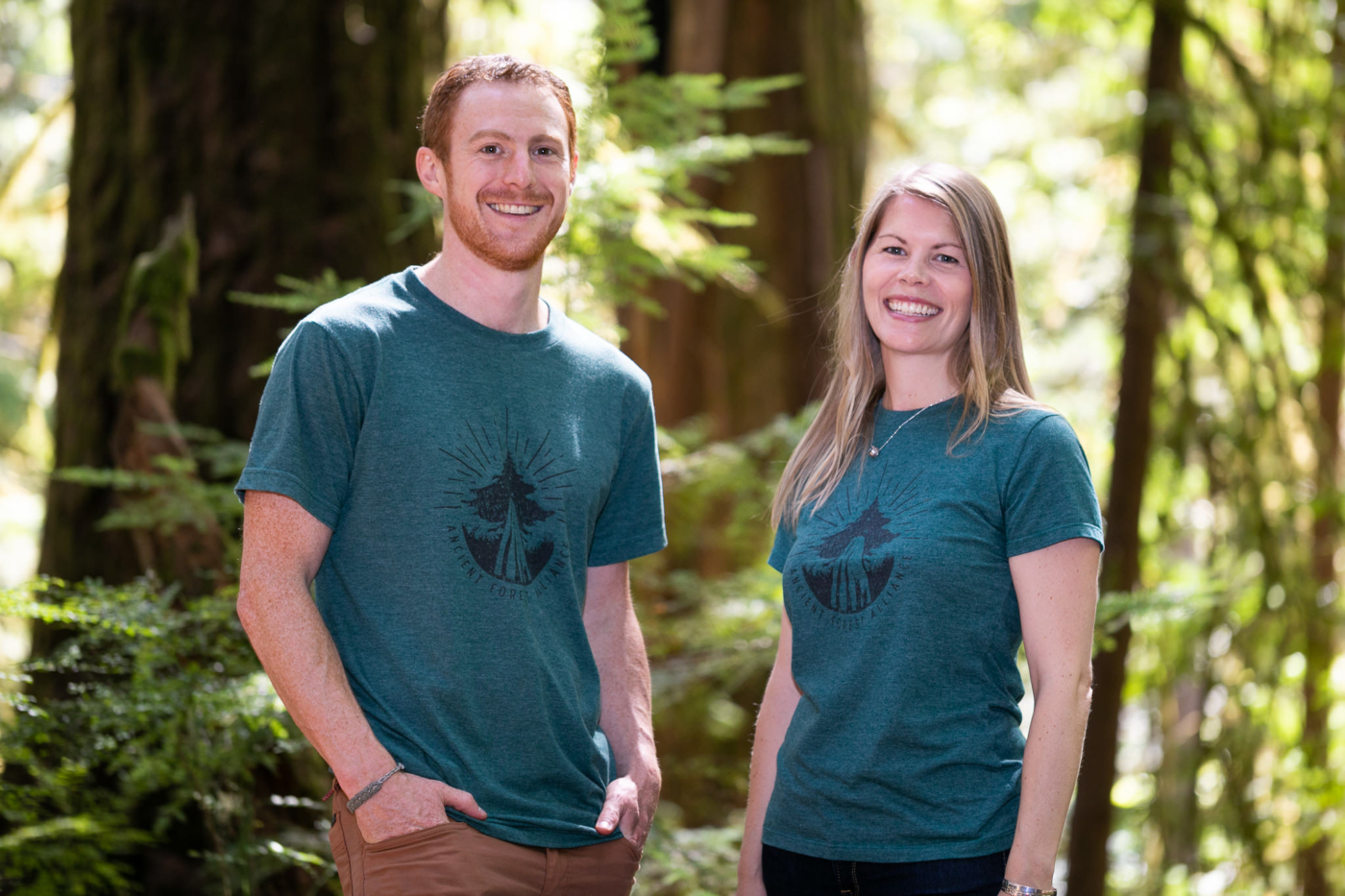
Design AFA’s Next T-Shirt and Help Protect Old-Growth Forests!
Calling all artists! For Earth Month, AFA is launching our first-ever Community T-Shirt Design Contest.
https://staging.ancientforestalliance.org/wp-content/uploads/2026/04/AFA-T-Shirt-Green-Mens-Womens.jpg
1365
2048
TJ Watt
https://staging.ancientforestalliance.org/wp-content/uploads/2026/05/Ancient-Forest-Alliance-logo.svg
TJ Watt2026-05-15 08:13:232026-05-19 09:33:44Design AFA’s Next T-Shirt and Help Protect Old-Growth Forests! Donate
 Send a Message
BC’s new old-growth advisory panel ‘a glimmer of hope’ for ancient forests
/in News CoverageCanada’s National Observer
June 25, 2021
Environmentalists struggling to save diminishing ancient forests on Canada’s West Coast are hopeful after BC announced a new old-growth advisory panel staffed by respected foresters and scientists.
“The technical panel is a very welcome positive step forward,” said Andrea Inness of the Ancient Forest Alliance.
“It really gives me a glimmer of hope the province is going to listen to science around the state of old-growth forests.”
The new technical panel will ensure the province is using the best science and data available to identify at-risk old-growth ecosystems and prioritize the areas slated for old-growth logging deferrals, said BC Minister of Forests Katrine Conroy on Thursday.
“We are committed to a science-based approach to old-growth management, and our work with the advisory panel will help us break down barriers between the different interpretations of data that are out there,” Conroy said in a press statement.
The panel includes ecologists Rachel Holt and Karen Price, forest policy expert and environmental economist Lisa Matthaus, and foresters Garry Merkel and Dave Daust.
What people are reading
The appointments come as the NDP government is facing mounting public pressure, both at home and abroad, to make good on its promise to protect the most at-risk tracts of BC’s iconic ancient forests. Protests calling for action have been occurring across the province, and hundreds of activists have been arrested at old-growth blockades in the Fairy Creek watershed on southwest Vancouver Island in Premier John Horgan’s riding.
The choice of panellists suggests the province is finally acknowledging the data and science behind the independent Last Stand report written by Holt, Price and Daust that indicates the dire state of at-risk forest ecosystems in BC, Inness said.
The report, often cited by environmental groups (ENGOs), suggests that only three per cent of BC’s remaining old forests support massive ancient trees.
“To date, we have not seen or heard the province accept those scientific findings or embrace and make decisions based on them,” Inness said.
The inclusion of Merkel — an author of the old-growth strategic review that includes 14 recommendations the province has committed to implement to shift forestry away from a focus on timber extraction to prioritizing biodiversity — is also a positive sign, she added.
“I hope this signals a turning point in the province’s approach to implementing the old-growth (review) recommendations,” she said.
“And that the province understands we can’t get anywhere if we don’t see eye-to-eye on the crisis at hand and the state of old-growth forests.”
The province has come under fire by ENGOs, which suggest it has grossly exaggerated the amount of at-risk old-growth it protected through logging deferrals in nine areas across the province made in September.
Inness hopes the panel’s input will rectify the government’s claim it has protected 200,000 hectares of old-growth.
“I still have concerns, because we continue to see the province use misleading figures around the state of old-growth forests and what they’ve done so far,” Inness said.
“You know much of that forest is not what the average British Columbia would consider old-growth. It is low-productivity forest with smaller trees, and much of that area is already protected.”
The panel will be providing advice around high-priority areas for deferrals, but won’t be making any decisions, which will result from government-to-government discussions with Indigenous nations, Conroy said at a press conference Thursday.
In addition to identifying high-priority at-risk areas for deferral, the panel will help develop a common understanding of the broader issues around at-risk forest ecosystems, Holt told Canada’s National Observer.
“We’re hoping along the way we can increase the understanding and transparency of information around the issues of old-growth forests in the province,” Holt said.
There has been a lot of different or competing data presented from various stakeholders around old-growth forests, and it’s resulting in public mistrust, she said, noting the old-growth review called for better public information on at-risk forests.
“We’re hoping the panel can clear up a lot of that miscommunication, and really help the public, so everyone has a baseline understanding of the state of old-growth in the province,” Holt said.
“What really is and isn’t at risk. How much there is. You know, all these questions there’s been a lot of conversation about over the last couple of years.”
However, Conroy would not clarify when or if the panel’s information around the priority deferral areas would become public, saying, eventually some information would be released.
“The advice will be confidential, but it’ll help us to inform those really important government-to-government discussions on future deferrals,” Conroy said, adding more deferrals are expected this summer.
Jens Wieting of Sierra Club BC said he hoped the panel appointment signalled the province would no longer delay action around the promised paradigm shift in forest stewardship.
Interim old-growth deferrals are vital to ensure the most at-risk forests aren’t being logged as discussions with First Nations occur, Wieting said.
“But I’d like to repeat how important it is that the government act quickly, and announce funding with the explicit purpose to increase protections, and give First Nations and communities some hope they’ll be supported through this transition,” he said.
Holt also hopes the panel’s work will mark a shift in forestry policy in the province.
“The government taking the step of putting this group together really helps us move along that track,” she said, adding little progress has been made to date.
“I want to be optimistic that this is the beginning of the paradigm shift. And time will tell us if that is correct.”
Read the original article
New economic report highlights need for funding to support Indigenous-led old-growth protection and sustainable economic development.
/in AnnouncementsThe Ancient Forest Alliance has released a report that considers the economic implications of protecting old-growth forests when taking ecosystem services like carbon storage, recreation, tourism, salmon habitat, and other values into account.
The study, which took 2.5 years to complete, uses old-growth forests near Port Renfrew, in the territories of the Pacheedaht and Ditidaht First Nations, as a case study.
The intention of this study was not to unilaterally determine how old-growth forests should be managed at a local scale. Rather, it considers many potential old-growth logging/protection scenarios to better understand what’s possible and explores the economic benefits and implications of those scenarios in order to provide a useful resource to inform land-use decision-making.
The BC government’s Old Growth Strategic Review Panel recommended the province develop local and provincial transition plans and support communities in transitioning their economies while pursuing science-based old-growth protection. We hope this study, which explores alternative uses and economic benefits of standing old-growth forests, can assist in that work.
The AFA’s mandate is to work within the law to advocate for policy change to protect endangered old-growth ecosystems, and to support First Nations and rural communities to find solutions that support ecological, economic, and community wellbeing.
We are calling for old-growth logging deferrals, upon the consent of First Nations, in the most at-risk old-growth ecosystems, as described by the Old Growth Strategic Review Panel, while long-term conservation solutions are found.
We are also working to leverage provincial and federal funding to assist land-embedded communities, including First Nations, to undertake land-use planning, develop new protected areas (including Indigenous Protected and Conserved Areas), and support sustainable economic alternatives to old-growth logging.
New study reveals old-growth forests are worth more to BC economy standing than logged
/in Media ReleaseOld-growth forests in BC contribute far more economic benefit to society when kept standing, according to a new independent study released today by the Ancient Forest Alliance.
The study, conducted by environmental consulting firm ESSA Technologies, compares ecosystem services including carbon storage/sequestration, recreation, tourism, coho salmon habitat, non-timber forest products like floral greenery and mushrooms, and research/education opportunities to timber harvest and concludes that society is better off when old-growth forests are protected rather than logged.
Read the full report: https://staging.ancientforestalliance.org/old-growth-economic-report/
Using old-growth forests located in Pacheedaht and Ditidaht territories near Port Renfrew – where independent protesters have been blockading old-growth logging for ten months – as a case study, the analysis is the first of its kind on Vancouver Island and provides a striking example of the tremendous economic benefits should the province fulfil its commitment to protect old-growth forests.
The study uses computer modelling, provincial forest harvest data, and both market and non-market values for ecosystem services to compare the net benefits of protecting old-growth forests across 17 different scenarios ranging from minimal (30%) to full (100%) old-growth protection.
The analysis shows society would be better off under all 17 old-growth protection scenarios, with the main economic drivers being carbon storage/sequestration (which reduces the significant costs of mitigating climate change), tourism, and recreation. For example, protecting all old-growth forests in the study area would contribute an additional $40 million in net economic benefits over the next 100 years compared to business as usual, more than making up for the economic losses from forgone timber harvest. Forest carbon emissions would be reduced by 569,250 tonnes of carbon and tourism and recreation alone would contribute almost $11 million in net benefits to society.
Because the study is based on only a portion of harvestable old-growth near Port Renfrew and isn’t inclusive of all ecosystem services, like cultural values, the study’s findings are underestimates of the true value of standing old-growth. Nevertheless, they present a strong economic case for keeping old-growth forests standing.
A secondary analysis was also done to assess the impact to the provincial economy of old-growth protection in the area by comparing the effects of the 17 scenarios on GDP and jobs from timber harvest and tourism. Results show that, if all old-growth forests were protected in the study area, tourism alone would nearly make up for any losses from not harvesting by adding an equivalent number of jobs and covering 66% of the losses to GDP. While not considered in the study, local benefits of old-growth protection from additional revenue streams like carbon offsets, sustainable fisheries, and value-added wood manufacturing could also increase.
With the NDP government having committed to implementing all of the Old Growth Strategic Review Panel’s recommendations and overhauling BC’s forest policies, there is a critical window of opportunity for the province to begin to manage old-growth forests in a way that benefits all British Columbians, not just special interests.
The Ancient Forest Alliance is calling on the province to immediately halt logging in BC’s most at-risk old-growth forests and commit significant funding for First Nations’ sustainable economic development, as an alternative to old-growth logging, and Indigenous protected areas that conserve old-growth forests.
QUOTES:
Walt Judas, CEO, Tourism Industry Association of BC – “Tourism is one of BC’s core industries and I’m confident that, as travel restrictions ease, we’ll see the sector begin to recover from the devastating impacts of the pandemic. Virtually every community throughout the province relies on tourism and the revenues and employment opportunities generated by visitors. Much of this growth is driven by international tourists keen to experience BC’s natural beauty, including our rare and majestic old-growth forests. With much existing and potential tourism value to be gained from old-growth, it makes economic sense to keep what’s left standing.”
Scott Benton, Executive Director, Wilderness Tourism Association of BC – “Scores of wilderness tourism businesses in BC rely on healthy, functioning ecosystems, including intact and protected old-growth forests and monumental trees, for their revenues. Continued logging of these irreplaceable forests not only adversely affects the wilderness tourism sector, it damages BC’s reputation as a wilderness destination through the loss of wilderness experience.”
Karl Ablack, President, Port Renfrew Chamber of Commerce. In 2016 the Port Renfrew Chamber of Commerce put forth a resolution to the BC Chamber to support the protection of old growth forests in areas where these forests had greater tourism value left standing. This resolution was unanimously adopted. – “This new study is consistent with what we’re seeing on the ground here in Port Renfrew. Thanks to increased international and domestic tourism and recreation tied to old-growth forests, tourism business revenues in town have gone up dramatically in the last decade. And as a developer, I’ve seen how increased interest in purchasing property, opening new businesses, and building homes has led to higher real estate values in the region.”
Jim Pojar, Ph.D., R.P.Bio., forest ecologist – “Old-growth temperate rainforests, including those found here in BC, store more carbon per hectare than any other forest type on Earth. As this new economic analysis illustrates, some of the enormous costs associated with mitigating climate change and the massive carbon emissions from old-growth logging could be avoided if we simply stopped cutting down these valuable carbon stores.”
Duncan Knowler, report co-author, Simon Fraser University associate professor – “When the province makes decisions to log old-growth forests without considering the many ecosystem services they provide like clean water, tourism and recreation, habitat, greenhouse gas mitigation, and more, they’re essentially saying these other benefits are worth nothing. This paints an incomplete picture of what ancient forests are truly worth and, in the face of the climate and biodiversity crisis, it’s not how land-use decisions should be made.” “This exciting new study builds upon our 2008 work to assign an economic value to old-growth spotted owl habitat in the Lower Mainland’s Fraser Timber Supply Area. It shows that there are innovative valuation tools for ecosystem services at our fingertips that can and should be used to make better decisions about how our irreplaceable old-growth forests are managed.”
Andrea Inness, Campaigner, Ancient Forest Alliance – “This study shows that local economies – and the broader provincial economy – both stand to benefit when we protect old-growth forests. It directly contradicts the BC Forest Minister’s argument that it’s too costly to halt logging in at-risk old-growth due to its timber value. It’s now up to the province to decide whether they’ll use this new information to improve decision-making and whether they’ll support communities in realizing the economic value of intact, protected old-growth forests.”
TJ Watt, Campaigner and Photographer, Ancient Forest Alliance – “The BC government is failing to manage old-growth forests in the public’s best interests. By continuing to allow status quo old-growth logging, they’re putting the interests of the timber industry ahead of other sectors and the BC economy as a whole. The province must step forward with significant funding for First Nations and forest-based communities in order to support new protected areas and sustainable economic diversification.”
-30-