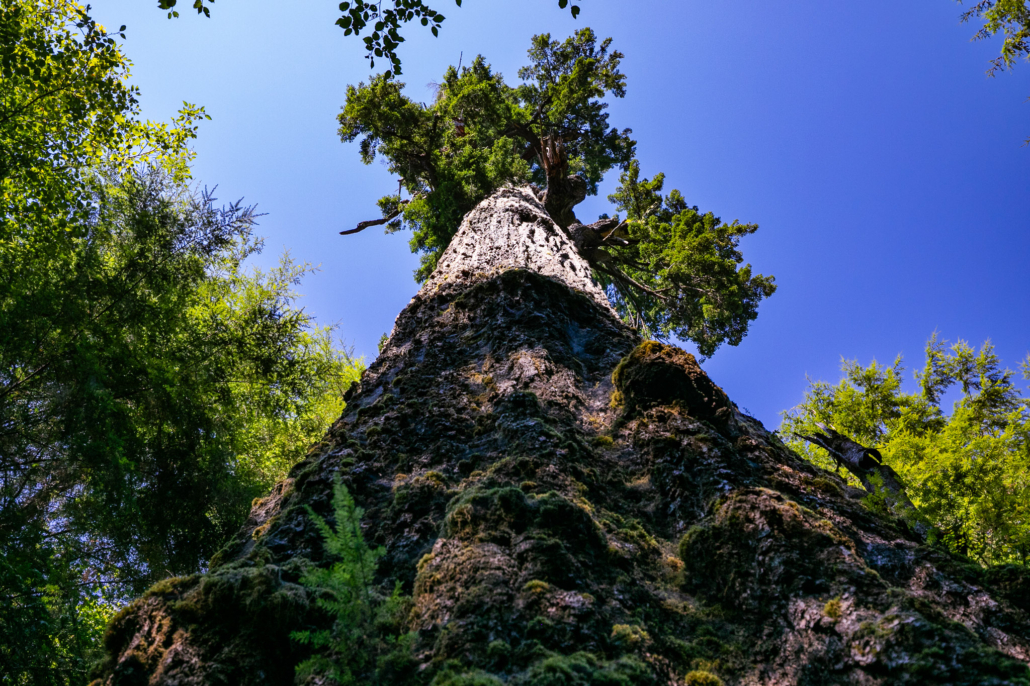
UPDATED: Port Renfrew Big Trees Map
Explore the updated Port Renfrew Big Trees Map with new directions, trails, and routes to iconic giants like Big Lonely Doug, Eden Grove, and more.
https://staging.ancientforestalliance.org/wp-content/uploads/2025/05/13-Red-Creek-Fir.jpg
1365
2048
TJ Watt
https://staging.ancientforestalliance.org/wp-content/uploads/2026/05/Ancient-Forest-Alliance-logo.svg
TJ Watt2026-05-29 15:39:342026-05-29 15:40:49UPDATED: Port Renfrew Big Trees Map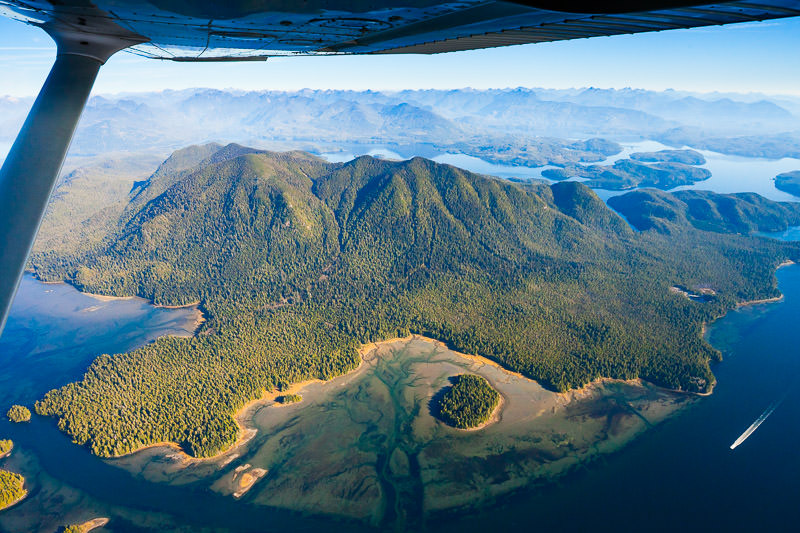
NEW! West Coast Old-Growth Hiking Guide
Explore AFA’s NEW West Coast old-growth hiking guide. From Clayoquot Sound to Port Alberni, there are trails for every skill level!
https://staging.ancientforestalliance.org/wp-content/uploads/2026/05/meares-island-big-tree-trail-tofino-1200px-338.jpg
533
800
TJ Watt
https://staging.ancientforestalliance.org/wp-content/uploads/2026/05/Ancient-Forest-Alliance-logo.svg
TJ Watt2026-05-29 12:06:002026-05-29 15:42:38NEW! West Coast Old-Growth Hiking Guide
Now Hiring: Contract Graphic Designer!
Ancient Forest Alliance is hiring a contract Graphic Designer to help bring our campaigns to life through print and digital materials.
https://staging.ancientforestalliance.org/wp-content/uploads/2026/05/flores-island-wildside-trail-1200px-430.jpg
800
1200
TJ Watt
https://staging.ancientforestalliance.org/wp-content/uploads/2026/05/Ancient-Forest-Alliance-logo.svg
TJ Watt2026-05-22 12:22:292026-05-22 12:22:29Now Hiring: Contract Graphic Designer!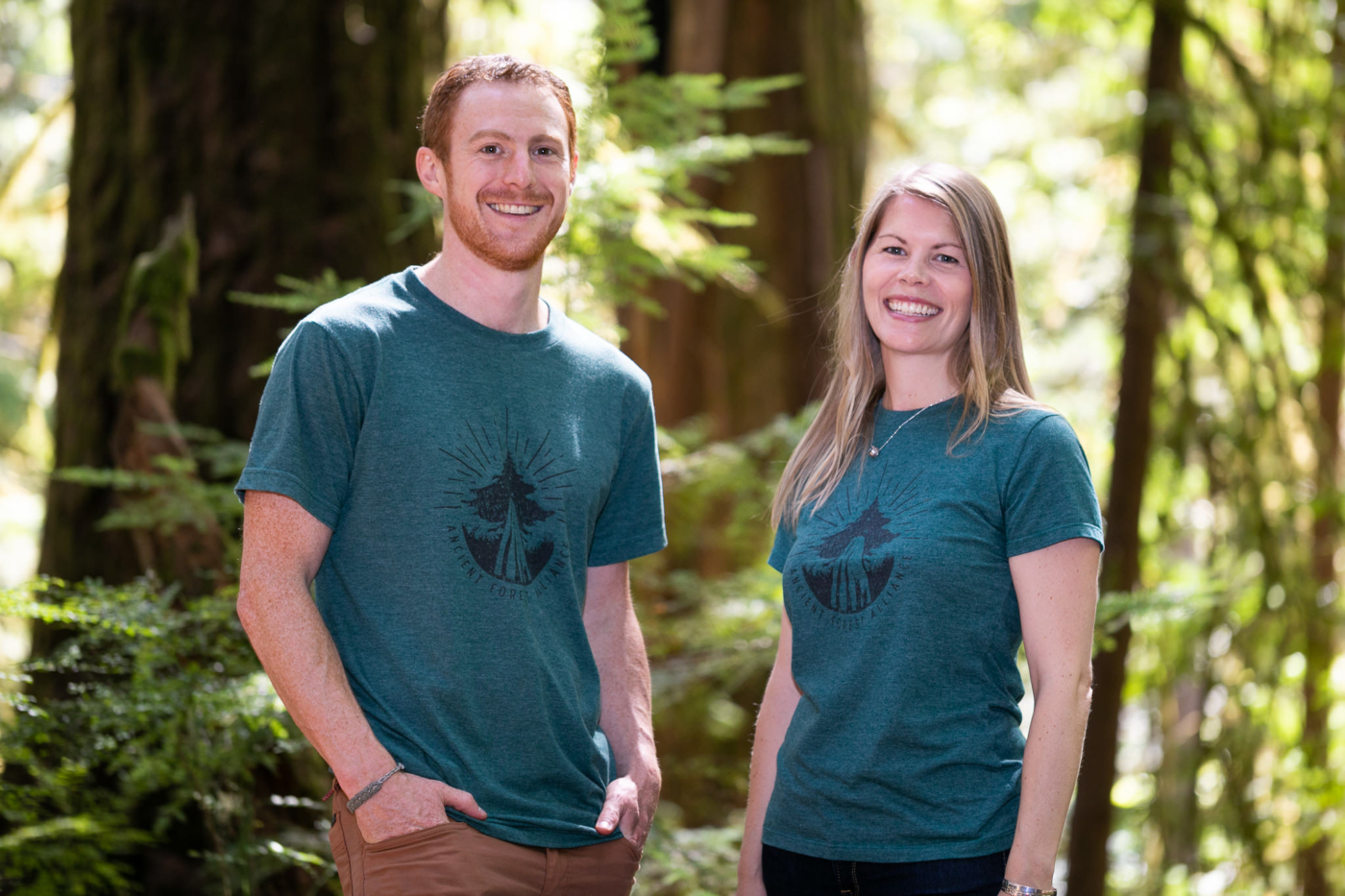
Design AFA’s Next T-Shirt and Help Protect Old-Growth Forests!
Calling all artists! For Earth Month, AFA is launching our first-ever Community T-Shirt Design Contest.
https://staging.ancientforestalliance.org/wp-content/uploads/2026/04/AFA-T-Shirt-Green-Mens-Womens.jpg
1365
2048
TJ Watt
https://staging.ancientforestalliance.org/wp-content/uploads/2026/05/Ancient-Forest-Alliance-logo.svg
TJ Watt2026-05-15 08:13:232026-05-19 09:33:44Design AFA’s Next T-Shirt and Help Protect Old-Growth Forests! Donate
 Send a Message
Robinson’s Outdoor Store Film Night & Fundraiser for AFA
/in AnnouncementsHey Victoria Friends! Join us at Robinson’s Outdoor Store (1307 Broad St, Victoria) on Thursday, September 8th at 6:30 pm for a Film Night and Fundraiser for AFA!
Hosted by Robinson’s Outdoor Store and Patagonia, the evening will feature an original 4 episode docu-series from Robinson’s, three short films from Patagonia, a presentation from AFA’s TJ Watt, and there will even be an Ancient Forest Ale available for your enjoyment!
Doors open 6:30 p.m., with the films beginning at 7:00 p.m. Admission by donation. Call 250-385-3429 to register or email robinsonsoutdoors@shaw.ca.
We respectfully acknowledge this event will take place on the territory of the Lək̓ʷəŋən peoples (Songhees and Esquimalt Nations).
Kanaka Bar IPCA Proposal
/in AnnouncementsIn August 2022, members of the Ancient Forest Alliance had the opportunity to explore some important sites that are part of the proposed Indigenous Protected and Conserved Area (IPCA) put forward by the Kanaka Bar Band in the Kwoiek and Fraser Valleys near the town of Lytton, BC.
The Ancient Forest Alliance (AFA), Endangered Ecosystems Alliance (EEA), and Nature-Based Solutions Foundation (NBSF) – which form the Old-Growth Solutions Initiative (OGSI) – are supporting the Kanaka Bar Band’s proposal to protect 35,000 hectares of land (an area nearly twice the size of Carmanah-Walbran Provincial Park), including 12,500 hectares of some of the most biodiverse old-growth ecosystems in BC, home to dozens of species-at-risk.
Of particular value is the protection of old-growth forests from the Interior Douglas-fir (IDF) zone, which is the most underrepresented ecosystem in the protected areas system in BC. In fact, this proposed IPCA includes the largest specimens of interior Douglas-fir trees known in Canada! Protecting such high-value tracts of this threatened ecosystem would make enormous strides to preserving the incredible diversity of old-growth forests in the province.
This proposal has yet to be finalized and future steps include community consultation, acquiring necessary provincial and federal funding, and finally the enactment of provincial legislation. We are excited to work on this project as it develops and to support the dedication and vision of Chief Jordan Spinks, Kanaka CEO Greg Grayson, and Lands Manager Sean O’Rourke, as well as other members of the Kanaka Bar Band on this fantastic initiative that conjoins indigenous land stewardship and the protection of endangered old-growth forests.
Learn more here: https://staging.ancientforestalliance.org/band-in-b-c-s-fraser-canyon-proposes-to-protect-manage-350-sq-km-swath-of-land/
Nahwitti Lake Old-Growth Trail
/in Photo GalleryOn the shores of Nahwitti Lake between the towns of Holberg and Port Hardy in Tlatlasikwala & Quatsino Territory stands one of the loveliest little old-growth trails on Vancouver Island. This gentle path winds through a lush old-growth forest and features massive Sitka spruce trees that soar majestically from enchanting fields of ferns before ending at the shores of the lake. In a landscape that’s been almost entirely cleared of its ancient giants, it provides a stunning glimpse into the grand forests that once grew here.
This big tree trail could also be a major ecotourism draw – similar to Avatar Grove in Port Renfrew – and should be added to the list of must-see north island wilderness destinations such as San Josef Bay and the North Coast Trail.
To visit the trees, find the recreation site trailhead in a small parking area just off Holberg Rd on the east end of Nahwitti Lake (50.697842, -127.812370). Be sure to support the local business community as well, helping them benefit from big tree tourism.