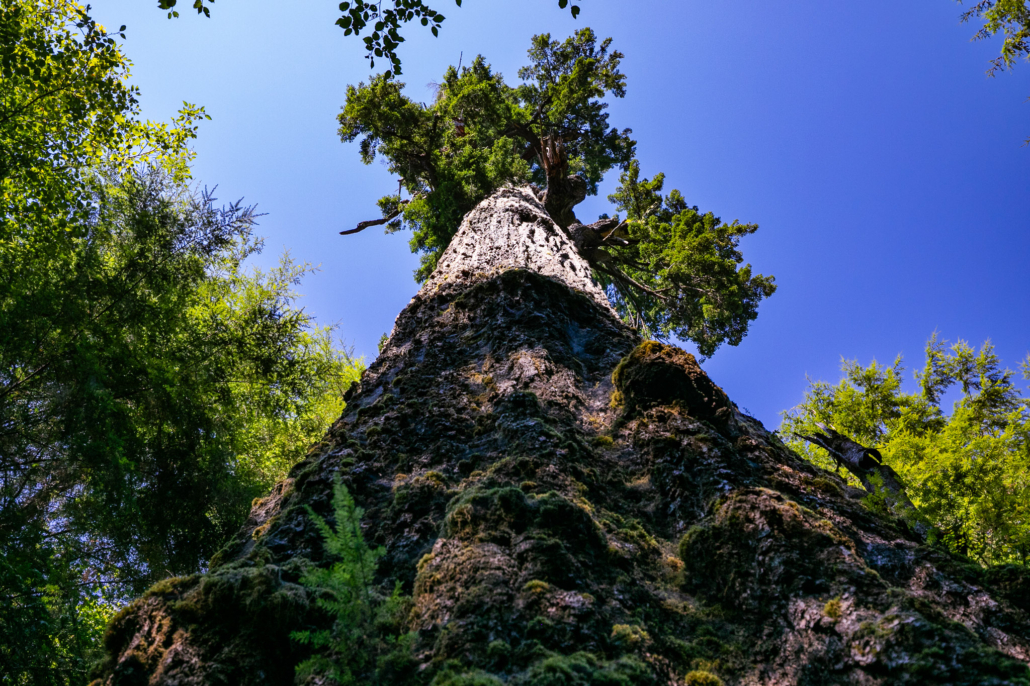
UPDATED: Port Renfrew Big Trees Map
Explore the updated Port Renfrew Big Trees Map with new directions, trails, and routes to iconic giants like Big Lonely Doug, Eden Grove, and more.
https://staging.ancientforestalliance.org/wp-content/uploads/2025/05/13-Red-Creek-Fir.jpg
1365
2048
TJ Watt
https://staging.ancientforestalliance.org/wp-content/uploads/2026/05/Ancient-Forest-Alliance-logo.svg
TJ Watt2026-05-29 15:39:342026-05-29 15:40:49UPDATED: Port Renfrew Big Trees Map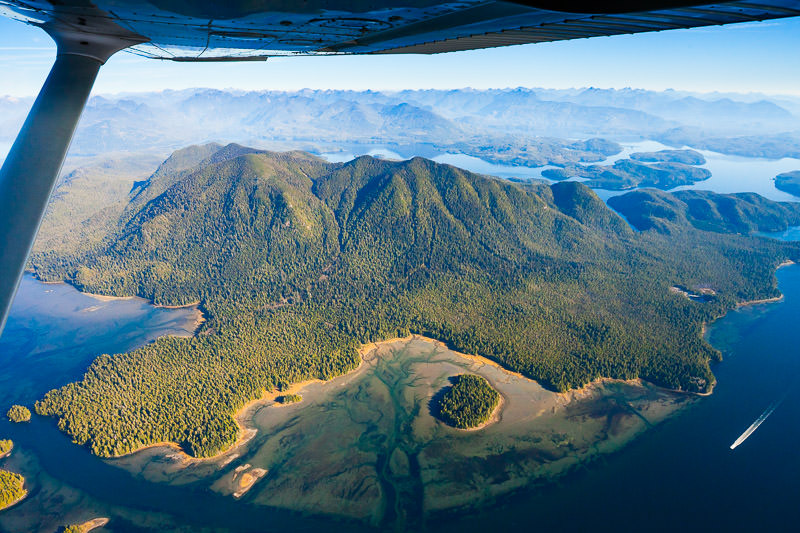
NEW! West Coast Old-Growth Hiking Guide
Explore AFA’s NEW West Coast old-growth hiking guide. From Clayoquot Sound to Port Alberni, there are trails for every skill level!
https://staging.ancientforestalliance.org/wp-content/uploads/2026/05/meares-island-big-tree-trail-tofino-1200px-338.jpg
533
800
TJ Watt
https://staging.ancientforestalliance.org/wp-content/uploads/2026/05/Ancient-Forest-Alliance-logo.svg
TJ Watt2026-05-29 12:06:002026-05-29 15:42:38NEW! West Coast Old-Growth Hiking Guide
Now Hiring: Contract Graphic Designer!
Ancient Forest Alliance is hiring a contract Graphic Designer to help bring our campaigns to life through print and digital materials.
https://staging.ancientforestalliance.org/wp-content/uploads/2026/05/flores-island-wildside-trail-1200px-430.jpg
800
1200
TJ Watt
https://staging.ancientforestalliance.org/wp-content/uploads/2026/05/Ancient-Forest-Alliance-logo.svg
TJ Watt2026-05-22 12:22:292026-05-22 12:22:29Now Hiring: Contract Graphic Designer!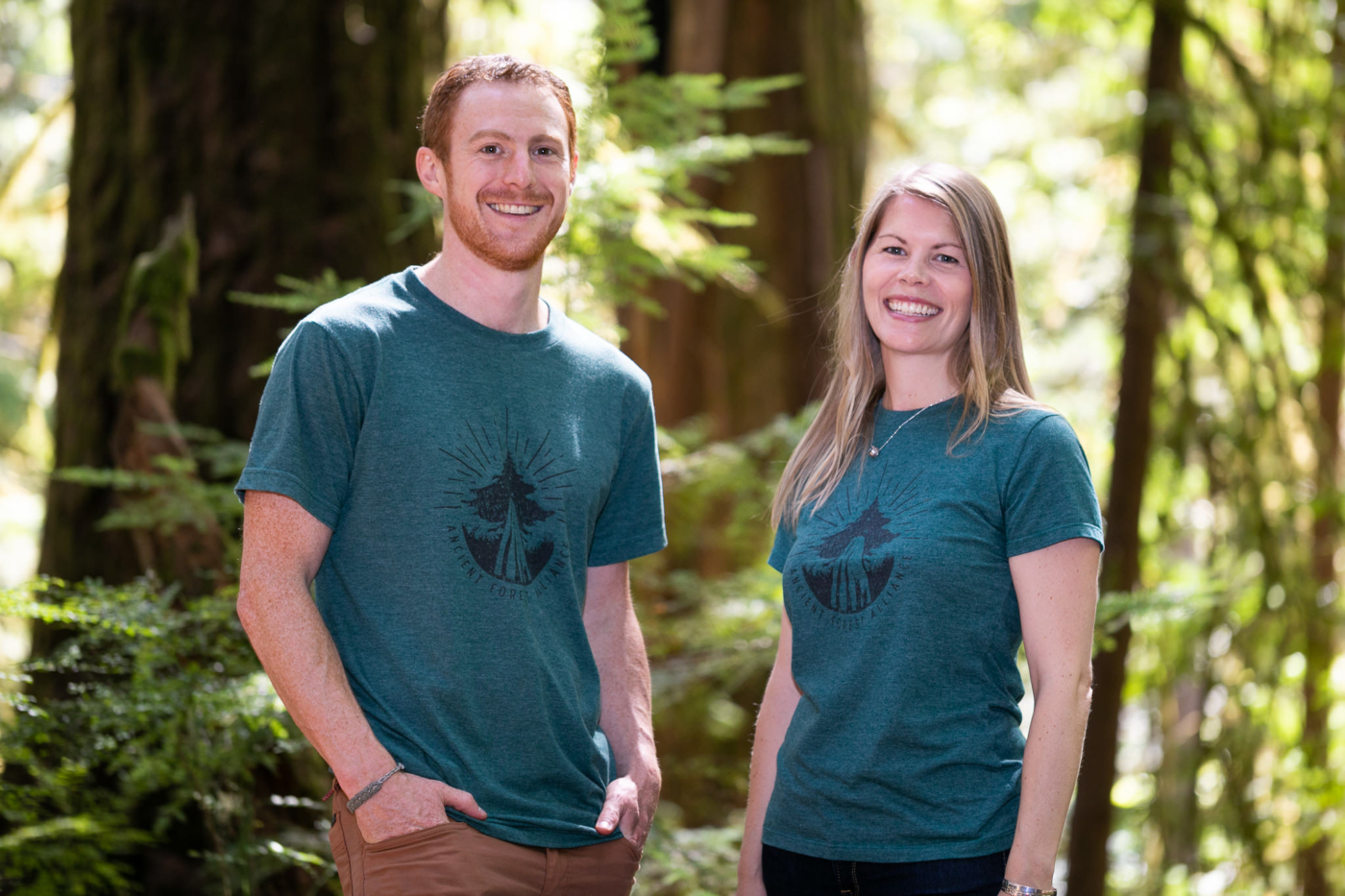
Design AFA’s Next T-Shirt and Help Protect Old-Growth Forests!
Calling all artists! For Earth Month, AFA is launching our first-ever Community T-Shirt Design Contest.
https://staging.ancientforestalliance.org/wp-content/uploads/2026/04/AFA-T-Shirt-Green-Mens-Womens.jpg
1365
2048
TJ Watt
https://staging.ancientforestalliance.org/wp-content/uploads/2026/05/Ancient-Forest-Alliance-logo.svg
TJ Watt2026-05-15 08:13:232026-05-19 09:33:44Design AFA’s Next T-Shirt and Help Protect Old-Growth Forests! Donate
 Send a Message
Conservationists decry lack of funding to protect old-growth forests despite major provincial budget surplus and ecological crisis in the woods
/in Media ReleaseFor immediate release
Tuesday, February 28th, 2023
Still needed is short-term funding for First Nations to offset lost logging revenues from accepting logging deferrals as well as long-term conservation financing to develop sustainable economic alternatives to old-growth logging linked to the creation of new Indigenous Protected and Conserved Areas.
VICTORIA (Unceded Lekwungen Territories) – Conservationists are disappointed that the BC government has failed to allocate critical funding in the 2023 provincial budget for old-growth protection despite having a major budget surplus and recently committing to creating a conservation financing mechanism to protect old-growth forests and biodiverse areas. The Ancient Forest Alliance has repeatedly called on the province to provide significant short- and long-term funding for First Nations, many of whom now have an economic dependency on the revenues of old-growth logging, to help further conservation efforts.
“Today the BC government missed an historic opportunity to use its multi-billion dollar budget surplus to help safeguard critically endangered old-growth forests and ecosystems,’” stated AFA Campaigner and Photographer, TJ Watt. “David Eby has committed to ‘accelerating’ the government’s efforts on old-growth, to protect 30% of BC by 2030, and create a conservation financing fund to protect old-growth forests and the most biodiverse areas. Allocating significant funding in this budget would have been the gas in the tank to accelerate those commitments. Instead, the conservation fund remains empty and the expectation so far is that it will be filled through private and philanthropic donations, a complete abdication of the province’s responsibilities.”
Two types of funding are still urgently needed from the province in order to help achieve the protection of old-growth forests: both short and long-term.
In the short term, at least $120 million in “solutions space” funding is needed to help offset lost logging revenues for First Nations who accept temporary logging deferrals in the most at-risk old-growth forests, as identified by the government’s independent science panel, the Technical Advisory Panel (TAP). To date, less than half of the 2.6 million hectares of the most at-risk ancient forests identified for deferral by the TAP have been secured and progress on additional priority deferrals has stalled, leaving over one million hectares of BC’s most at-risk old-growth forests without even temporary protection. The vast majority of old-growth forests in BC are located on the unceded territories of diverse First Nations communities, whose consent and support are a legal necessity for the creation of any new deferrals or protected areas.
A pink ribbon signalling a new road to be built through an old-growth forest in the Caycuse Valley on unceded Ditidaht Territory. Photo by TJ Watt – Ancient Forest Alliance.
“The province should use its massive budget surplus or unallocated funds at a later date to provide short-term funding to help offset lost logging revenues when asking First Nations, who have the final say on whether they want to defer logging or not in the most at-risk old-growth forests. The point of temporary logging deferrals is to ‘stop the bleed’ while long-term land use plans can be developed and the province — the one responsible for creating the ecological wounds in the first place — must use its vast resources to make the path to protecting old-growth as painless as possible,” stated Watt. “Without deferrals, many areas remain in a “talk and log” situation where, day by day, we continue to lose the best of the big-tree, ancient, and rare old-growth forests. $120 million in “solution space” funding would help to ensure that First Nations communities aren’t forced to choose between setting aside at-risk old growth and generating revenue for their communities. With billions of dollars in surplus money, there’s never been a better time for the province to fully fund all avenues of old-growth protection. Why haven’t they done so?”
In the long term, at least $300 million in conservation financing is needed from the province to support First Nations’ sustainable economic development, stewardship jobs, and creation of new Indigenous Protected and Conserved Areas (IPCAs) linked to protecting the most at-risk old-growth forests and ecosystems. This can include new land-use planning, guardians programs, and the development of sustainable economic alternatives to old-growth logging such as tourism, clean energy, sustainable seafood harvesting, non-timber forest products, and a value-added, second-growth forestry. Support for forestry workers and contractors, as well as legally defined compensation for major licensees, would be above and beyond this total.
The federal government has significant funding available to support environmental protection as well. $2.3 billion has been committed to help Canada achieve its international commitments to protect 25% of lands and waters by 2025 and 30% by 2030 (a goal to which BC has also committed) and of this, several hundred million dollars are available for the expansion of protected areas in BC, with $55 million specifically allocated to old growth in BC so far. The BC government must commit to providing matching funding and formalize the long-awaited BC-Canada Nature Agreement, which remains under negotiation, and would allow the federal funds to flow into BC.
Also missing from the budget is any investment into a much-needed “Provincial Land Acquisition Fund” which would help the province to purchase privately held lands of high conservation, scenic, cultural, and recreational value that are under threat from logging or development. The Ancient Forest Alliance has called for such a fund for more than a decade, which would start with an initial investment of $70 million, to be increased by $10 million a year until the fund reaches $100 million. The fund would fill a crucial gap in BC’s current conservation policies by allowing for the acquisition and permanent protection of endangered old-growth forests and other threatened ecosystems across the province that otherwise have no form of legislated protection.
A positive note was the allocation of $21 million over three years in funding for the development of eight new Forest Landscape Planning projects. Landscape planning work includes First Nations as well as a variety of stakeholders and is part of the pathway towards permanent protection for old-growth forests. However, conservationists stress that without significant conservation financing, future land-use plans will not go far enough when it comes to protecting BC’s rarest and most productive forest ecosystems. Conservationists also argue that the implementation of logging deferrals is the essential prerequisite for fulsome and comprehensive land-use planning, as it alone ensures that those ecologically critical forests will not be lost while planning is underway. Additionally, $101 million was committed to help preserve and enhance outdoor recreational opportunities in BC Parks and outdoor recreation sites and trails.
“David Eby promised to accelerate the protection of old-growth forests as well as protect 30% of lands in BC by 2030. That would be a major step forward for conservation, but it won’t happen for free,” stated Watt. “You wouldn’t promise a paradigm shift in health care or expect to build major new infrastructure without the money to back it up. The province should be using its multi-billion dollar surplus to help solve the decades-long battle to protect old-growth forests once and for all. It must also match and accept the hundreds of millions in funding available from the federal government to support Indigenous-led conservation efforts, including protecting old-growth forests. Every day there’s a delay, we further lose our chance to protect these irreplaceable ecosystems.”
Ancient Forest Alliance photographer TJ Watt stands beside an old-growth redcedar tree before and after logging in the Caycuse watershed in Ditidaht territory on Vancouver Island, BC.
– 30 –
Background info:
Conservation financing is an approach that was successfully used on BC’s Central and North Coasts, where $120 million was committed by the provincial and federal governments and conservation groups to support First Nations business development and economic alternatives to old-growth logging. The result was a globally significant conservation achievement, with 80% of what is now known as the Great Bear Rainforest being reserved from logging.
This funding helps to supplant the lost revenues and jobs from forgoing old-growth logging through the creation of alternatives such as eco-tourism, sustainable aquaculture, non-timber forest products, renewable energy, and even sustainable second-growth logging. It can also provide funds needed for First Nations’ guardian and stewardship programs.
Old-growth forests are vital to support endangered species, First Nations cultures, the climate, clean water, wild salmon, and tourism. Under BC’s current system of forestry, second-growth tree plantations are typically re-logged every 50–60 years, never to become old-growth again.
BC moves to fast-track its overdue old growth protection commitments
/in News CoverageFebruary 23, 2023
The Globe & Mail
By Justine Hunter
Photo by Darryl Dyck/The Canadian Press
The BC government is seeking to harness the financial clout of non-profit conservation groups to protect endangered ecosystems, with a commitment to create a new trust fund to leverage charitable donations for nature with its own dollars.
Premier David Eby announced on Wednesday his plans to fast-track his government’s progress on protecting old growth, including $25-million to help First Nations participate in land-use decisions on old-growth forests, and $90-million added to the BC Manufacturing Jobs Fund to help forestry companies retool their mills to adapt to second-growth timber.
The new money pledged by Mr. Eby pales in comparison with the potential for philanthropic conservation. Even without the province as a partner, non-profits have slipped past the province’s slow decision-making process to secure environmentally important lands, from rare undeveloped Gulf Islands properties to threatened wetlands to unique pockets of mixed old-growth forests.
Earlier this year, however, the province announced a major new conservation area secured through financing by the Nature Conservancy of Canada in Incomappleux Valley, which it called the most significant new protected area in a decade. The Nature Conservancy of Canada is a non-profit organization that has works on large-scale, permanent land conservation.
Inspired by that model which secured Indigenous consent and financing from corporate, private and federal government sources, the province is now promising to establish a conservation financing mechanism within six months that it expects will tap into “hundreds of millions of dollars of philanthropic donations to fund conservation measures.”
Details of how much money the province will contribute have not been released, and may not be known until the next provincial budget is tabled on Feb. 28.
“This is significant – Premier Eby is paving the path for a major transformation in conservation,” said Ken Wu, whose Nature-Based Solutions Foundation was set up to secure endangered ecosystems. “There are hundreds of millions dollars out there – easily – but the province needs to contribute their own dollars to kickstart it.”
The NDP government made a commitment in the 2020 election campaign to protect old growth – officially recognizing that the value of old-growth trees left standing can be far greater than the value of those trees as timber products.
In November, 2021, the province announced a plan to suspend one-third of old-growth logging, however it said it would first consult with each of about 220 First Nations on any logging deferrals within each nation’s traditional territories.
Since then, Mr. Eby said, the province has implemented temporary deferrals to prohibit logging in 2.1 million hectares of old-growth forests. At the same time, more than 11,000 hectares of old-growth forests have been logged in areas that were earmarked by the government’s independent expert panel for protection, while negotiations on deferrals continue.
“This is an approach that puts Indigenous perspectives and First Nations’ perspectives at the centre of the planning,” Mr. Eby told a news conference. “And First Nations have different approaches to their territory when it comes to forestry. It is more challenging to do it this way, because there are so many nations across the province.”
The $25-million fund will pay for eight new “forest landscape planning” tables that will bring together communities, industry and 50 First Nations that will have the authority to prevent logging in old-growth forests that are deemed to be important for biodiversity, clean water or other priorities.
The province has also changed its regulations to allow such decisions to take precedence over the economics of forestry. Until now, the Forest and Range Practices Act would not allow objectives like water quality or wildlife habitat to “unduly restrict” timber supply. That clause has been stripped from the regulations, by a cabinet order signed on Tuesday.
Torrance Coste, national campaign director of the Wilderness Committee, said the regulatory change could have huge implications – but it won’t be clear until decision-making starts to change. In the meantime, he said, the Eby government continues to “talk and log,” he said.
“The pace is glacial,” Mr. Coste said. “We’re talking about planning for forests that aren’t going to be there anymore.”
Mr. Eby maintains his government is making progress. “We’re seeing real results on the ground,” he said. “The latest numbers show that logging of old growth has declined to the lowest level on record.” Since 2015, the amount of old growth logged in BC has steadily declined, from 65,000 hectares to 38,300 hectares in 2021. The tally for 2022 has not yet been calculated.
View the original article.
Government Signals Critical Shift Toward Greater Value-Added Wood Manufacturing and Potential Old-Growth Protection
/in Media ReleaseFor immediate release
Wednesday, February 15th, 2023
Conservation group increasingly optimistic about old-growth protection as BC government adjusts forestry regulations, invests funding in value-added forestry, and commits to a conservation financing mechanism to help establish new Indigenous Protected and Conserved Areas (IPCAs).
Victoria / Unceded Lekwungen Territories – Premier David Eby announced critical changes to BC forestry policy today that could help fulfill promises to protect old-growth forests and create a more resilient value-added wood manufacturing industry. These changes include removing the “unduly restrict” clause that has historically limited the scope of conservation efforts by preventing forest reserves from interfering with timber supply; establishing a conservation financing fund to help with the establishment of new Indigenous Protected and Conserved Areas (IPCAs); investing $180m in support for value-added wood manufacturing to help the forest industry adapt to old-growth protection measures and using smaller-diameter trees while maintaining employment in the industry; and temporarily deferring an additional estimated 200,000 hectares of old-growth forests while longer-term land use plans can be developed.
“Removing the “unduly restrict” clause is as important a step symbolically as it is legally in helping facilitate the promised paradigm shift in the approach to old-growth forests and endangered ecosystems across the province,” stated Ancient Forest Alliance Campaigner TJ Watt. “For far too long the protection of old-growth forests, wildlife habitat, and other critical ecosystem services has been secondary to the push to industrially extract resources from the land. In light of the global biodiversity crisis we are in, we must first determine what needs protection before determining what, if anything, can be sustainably removed. We commend the BC government for taking this first step and hope it continues to take action by removing any remaining policy caps on regulatory protection measures such as Old-Growth Management Areas, Wildlife Habitat Areas, etc.”
The BC government has also committed to establishing a new conservation financing mechanism in the next six months to support First Nations’ capacity, sustainable economic development, and land stewardship, as well as the creation of new IPCAs. The vast majority of old-growth forests in BC are located on the unceded territories of diverse First Nations communities, whose consent and support is a legal necessity for the creation of any new protected areas. The BC government can’t unilaterally declare new legislated protected areas on the unceded territory of First Nations, many of whom are also heavily dependent on the revenues of old-growth logging for their economic survival. Conservation financing, which was critical to the protection of old-growth ecosystems in the Great Bear Rainforest, is needed elsewhere across BC to provide economic alternatives to old-growth logging, giving First Nations communities a fair choice and viable path to old-growth protection.
“For years we have been pushing for the province to commit to conservation financing that links protecting endangered old-growth forests through IPCAs with First Nations’ sustainable economic development,” notes Watt. “Creating conservation economies that allow new, sustainable jobs and businesses to flourish while preserving imperiled ecosystems is a win-win for humans and nature. The province must now dedicate a significant amount of its own funding to this plan, especially with its current budget surplus. Private funders and philanthropists will play an important role but cannot be expected to provide the scale of funding quickly enough in the time frame needed to keep all at-risk old-growth standing.”
Ancient Forest Alliance Co-Founder, Ken Wu, beside an old-growth redcedar in the unprotected Eden Grove near Port Renfrew in Pacheedaht territory.
The BC government has also committed $180 million to expand support for the value-added wood processing sector in BC, which includes support to mills to process smaller-diameter and second-growth trees. This is a crucial step to shifting the current model of old-growth logging in BC to a more sustainable second-growth industry that we have been advocating for, helping to protect endangered old-growth forests and forestry jobs at the same time.
On the deferral front, the province identified that a total of 2.1 million hectares of old-growth forest have now been deferred (temporarily paused) from logging but was unclear about how much of that included priority at-risk areas identified by the province’s science panel, the Technical Advisory Panel versus additional areas identified by First Nations for important cultural or ecological values. Based on the province’s last announcement, it remains possible that over half of BC’s most at-risk and biodiverse old-growth forests (i.e. the biggest and oldest trees in the rarest ecosystems) are still without temporary protection, underscoring the dire need for conservation funding. In addition, the government noted that 11,000 hectares of the most at-risk old-growth have been logged since they were first identified as candidates for immediate deferral, an area about as large as the entire city of Vancouver.
“Old-growth forests, with their 1000-year-old trees, are irreplaceable. The government must bring forth significant conservation financing to relieve the economic burden communities face in accepting old-growth logging deferrals and to help establish permanent protection measures through long-term land use plans and new Indigenous Protected and Conserved Areas,” stated Watt. “We are encouraged by the BC government’s latest commitments, now it’s time for it to fully fund the paradigm shift it has promised, set targets for the protection of each ecosystem type based on science, and ensure that protection is not skewed towards lower productivity areas of less ecological value and more towards the productive, biologically rich areas most heavily targeted by industry. The endangered ecosystems and countless creatures that depend on them for their survival—including us—are counting on the fulfillment of this promise.”
Background:
Conservation financing is an approach that was successfully used on BC’s Central and North Coasts, where $120 million was committed by the provincial and federal governments and conservation groups to support First Nations business development and economic alternatives to old-growth logging. The result was a globally significant conservation achievement, with 80% of what is now known as the Great Bear Rainforest being reserved from logging.
This funding helps to supplant the lost revenues and jobs from forgoing old-growth logging through the creation of alternatives such as eco-tourism, sustainable aquaculture, non-timber forest products, renewable energy, and even sustainable second-growth logging. It can also provide funds needed for First Nations’ guardian and stewardship programs.
Old-growth forests are vital to support endangered species, First Nations cultures, the climate, clean water, wild salmon, and tourism. Under BC’s current system of forestry, second-growth tree plantations are typically relogged every 50-60 years, never to become old-growth again.