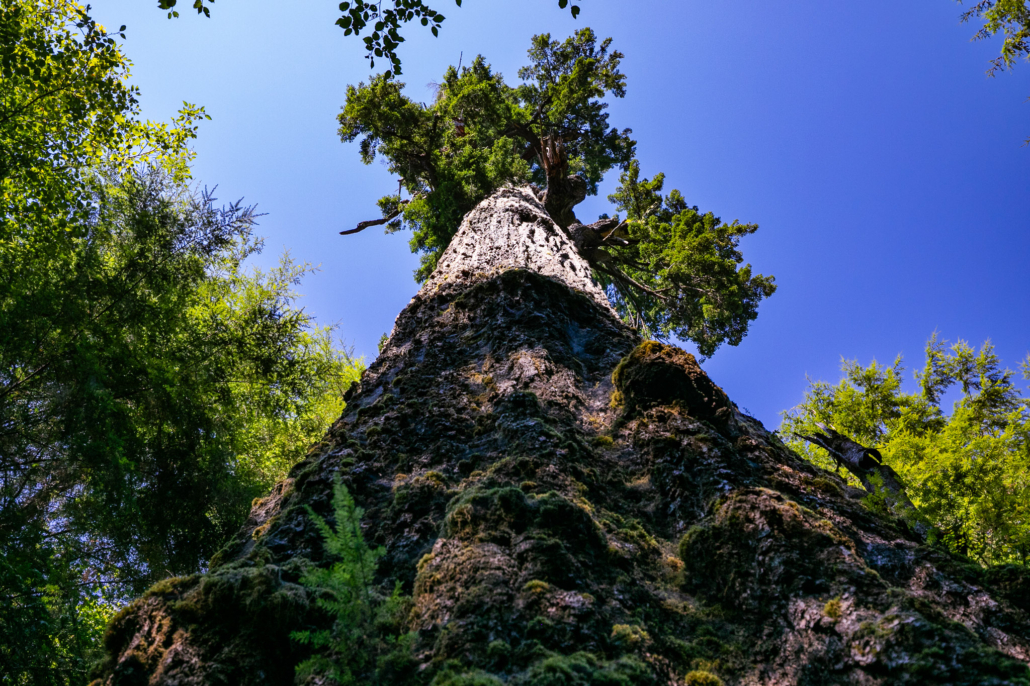
UPDATED: Port Renfrew Big Trees Map
Explore the updated Port Renfrew Big Trees Map with new directions, trails, and routes to iconic giants like Big Lonely Doug, Eden Grove, and more.
https://staging.ancientforestalliance.org/wp-content/uploads/2025/05/13-Red-Creek-Fir.jpg
1365
2048
TJ Watt
https://staging.ancientforestalliance.org/wp-content/uploads/2026/05/Ancient-Forest-Alliance-logo.svg
TJ Watt2026-05-29 15:39:342026-05-29 15:40:49UPDATED: Port Renfrew Big Trees Map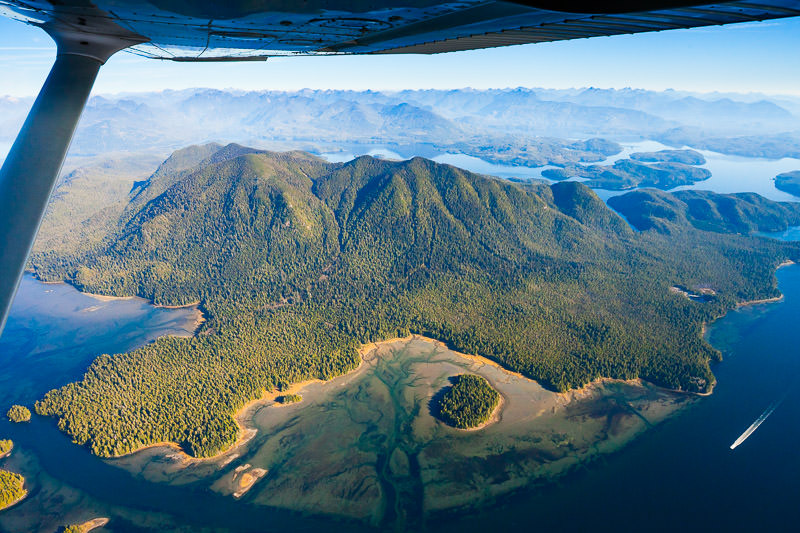
NEW! West Coast Old-Growth Hiking Guide
Explore AFA’s NEW West Coast old-growth hiking guide. From Clayoquot Sound to Port Alberni, there are trails for every skill level!
https://staging.ancientforestalliance.org/wp-content/uploads/2026/05/meares-island-big-tree-trail-tofino-1200px-338.jpg
533
800
TJ Watt
https://staging.ancientforestalliance.org/wp-content/uploads/2026/05/Ancient-Forest-Alliance-logo.svg
TJ Watt2026-05-29 12:06:002026-05-29 15:42:38NEW! West Coast Old-Growth Hiking Guide
Now Hiring: Contract Graphic Designer!
Ancient Forest Alliance is hiring a contract Graphic Designer to help bring our campaigns to life through print and digital materials.
https://staging.ancientforestalliance.org/wp-content/uploads/2026/05/flores-island-wildside-trail-1200px-430.jpg
800
1200
TJ Watt
https://staging.ancientforestalliance.org/wp-content/uploads/2026/05/Ancient-Forest-Alliance-logo.svg
TJ Watt2026-05-22 12:22:292026-05-22 12:22:29Now Hiring: Contract Graphic Designer!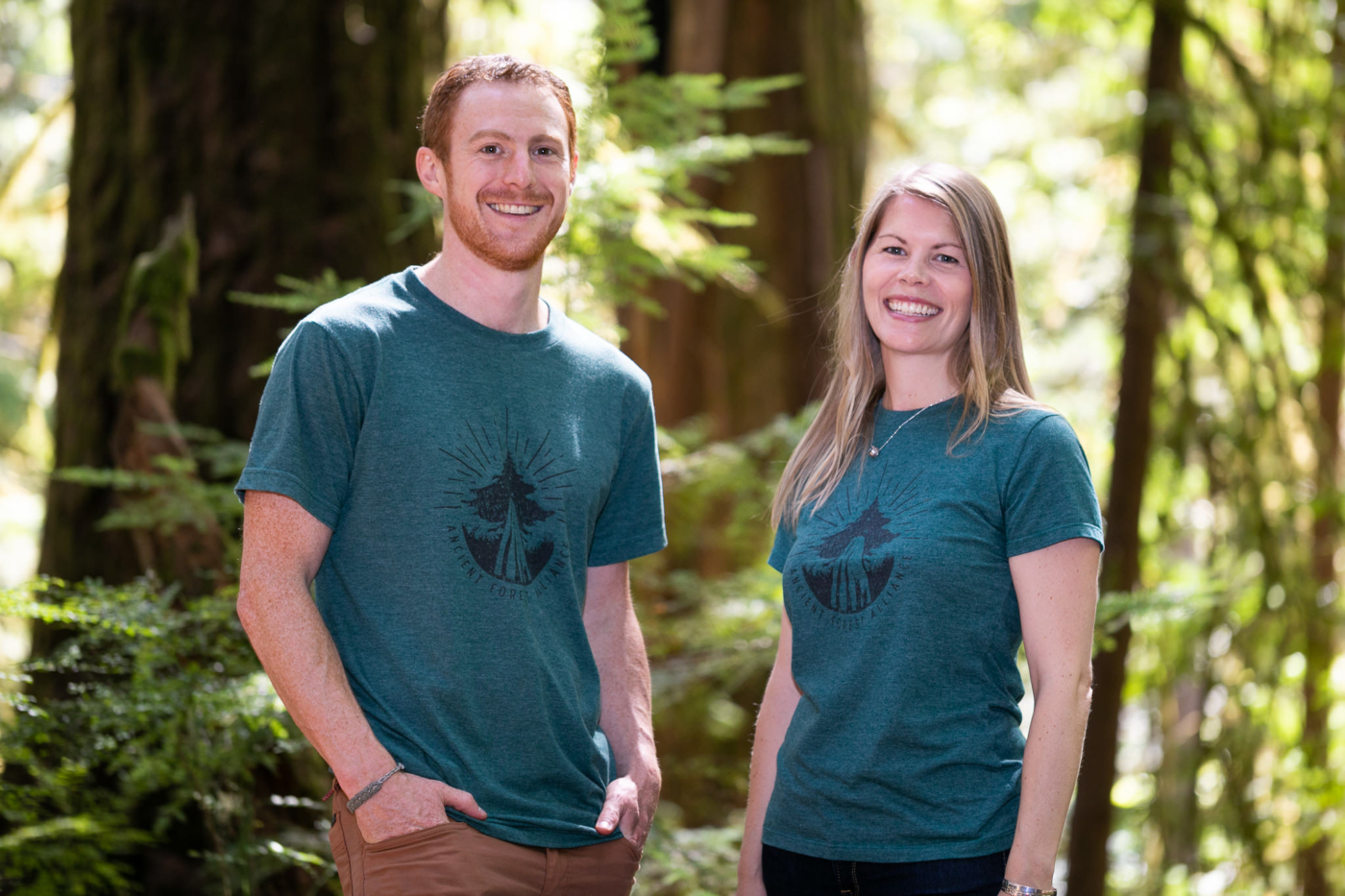
Design AFA’s Next T-Shirt and Help Protect Old-Growth Forests!
Calling all artists! For Earth Month, AFA is launching our first-ever Community T-Shirt Design Contest.
https://staging.ancientforestalliance.org/wp-content/uploads/2026/04/AFA-T-Shirt-Green-Mens-Womens.jpg
1365
2048
TJ Watt
https://staging.ancientforestalliance.org/wp-content/uploads/2026/05/Ancient-Forest-Alliance-logo.svg
TJ Watt2026-05-15 08:13:232026-05-19 09:33:44Design AFA’s Next T-Shirt and Help Protect Old-Growth Forests! Donate
 Send a Message
Deer Ferns
/in EducationalDeer fern is abundant in the coastal rainforest. This delicate little plant has two distinct forms: its sterile fronds are evergreen and lie flat on the ground, and its fertile fronds produce spores, they appear only in the spring and stand straight up from the forest floor. True to its name, deer fern is an important source of winter forage for our coastal blacktailed deer.
Big-tree hunters with the AFA have also noticed that some of the most magnificent groves of giant cedars on the coast are densely populated with lovely beds of deer fern. Cedars are unique among our coastal giants in that they are, like ferns, symbiotically linked to arbuscular mycorrhizae (Douglas-firs and Sitka spruces are connected to another group of fungi called ectomycorrhizae), this means that the mammoth pillars of ancient cedars are intimately connected with the delicate fern gardens that grow in their shadow.
Earth Week Event with Andy MacKinnon & TJ Watt – Wed. April 19th
/in EventsAre you curious to learn about biodiversity and old-growth ecosystems in BC, what they can teach us, and how you can help see them protected?
Then please join us for a free night of insightful presentations and a special photo show on Wednesday, April 19th from 7–9pm (doors at 6:30pm) at St. Mary’s Church in Metchosin, BC (4125 Metchosin Rd.)!
Dr. Andy MacKinnon, renowned forest ecologist, educator, and co-author of Plants of Coastal British Columbia, among other publications, will speak to the connections between old-growth ecosystems and biodiversity and how they affect the planet’s well-being as well as our own.
TJ Watt, Ancient Forest Alliance’s award-winning conservation photographer, will present on Exploring & Photographing Ancient Forests in BC, giving a behind-the-scenes look into how his images are captured, new updates on the old-growth campaign, and how people can help move it forward!
Arrive at 6:30pm to enjoy a few refreshments while viewing TJ’s photos, which will be on display for this event. TJ’s photography will be on display for public viewing April 20th, 22nd, 24th, 26th, 27th, and 29th from 1–3 pm, April 21st and 28th from 6-8 pm, April 25th from 10–12 pm. The event is free, but donations to the Ancient Forest Alliance are welcome!
Click here to register for the Earth Day event. We look forward to seeing you!
Western Skunk Cabbage
/in EducationalA sure sign of spring on the coast is the emergence of the spectacular western skunk cabbage. These magnificent plants, with their gargantuan leaves, flourish in wet, swampy areas in the rainforest and are among the earliest flowering plants to grace our forests. Their pungent odour is the chemical equivalent of birdsong, though instead of attracting a mate of the same species, the skunk cabbage’s olfactory music lures in flies and beetles to pollinate its dense column of flowers called a spadix.
Bears relish skunk cabbage, feasting on it after they emerge from hibernation in the early spring when other food resources are scarce. If you come across a skunk cabbage garden in the forest, look for bear tracks in the mud and pits where the hungry animals have dug up their swamp salad. Don’t be tempted to follow their example though, as the leaves of skunk cabbage contain crystals of calcium oxalate, the same substance that makes rhubarb leaves toxic.
Also called a swamp lantern because of its bright yellow spathe, encountering dozens of these bright “lanterns” glowing in the shadow of ancient cedars on a cool spring morning, while varied thrushes and pacific wrens pour out their music, is one of the quintessential pleasures of the coastal rainforest.