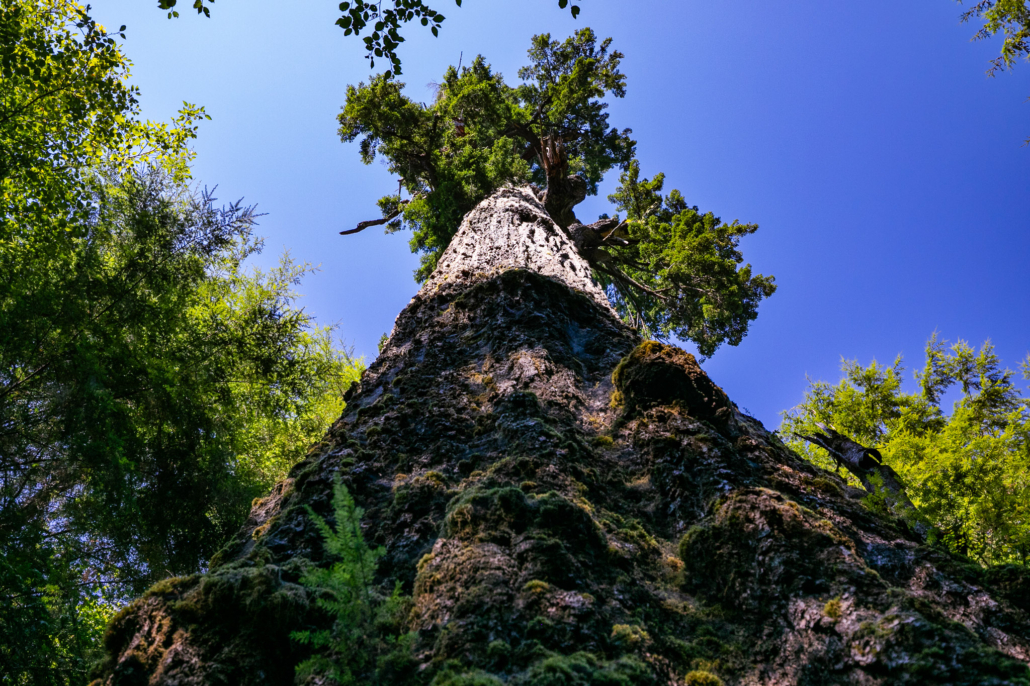
UPDATED: Port Renfrew Big Trees Map
Explore the updated Port Renfrew Big Trees Map with new directions, trails, and routes to iconic giants like Big Lonely Doug, Eden Grove, and more.
https://staging.ancientforestalliance.org/wp-content/uploads/2025/05/13-Red-Creek-Fir.jpg
1365
2048
TJ Watt
https://staging.ancientforestalliance.org/wp-content/uploads/2026/05/Ancient-Forest-Alliance-logo.svg
TJ Watt2026-05-29 15:39:342026-05-29 15:40:49UPDATED: Port Renfrew Big Trees Map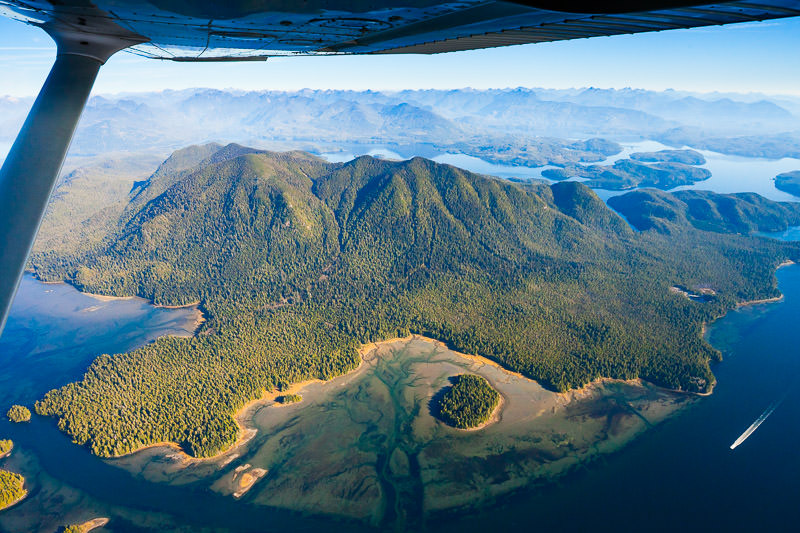
NEW! West Coast Old-Growth Hiking Guide
Explore AFA’s NEW West Coast old-growth hiking guide. From Clayoquot Sound to Port Alberni, there are trails for every skill level!
https://staging.ancientforestalliance.org/wp-content/uploads/2026/05/meares-island-big-tree-trail-tofino-1200px-338.jpg
533
800
TJ Watt
https://staging.ancientforestalliance.org/wp-content/uploads/2026/05/Ancient-Forest-Alliance-logo.svg
TJ Watt2026-05-29 12:06:002026-05-29 15:42:38NEW! West Coast Old-Growth Hiking Guide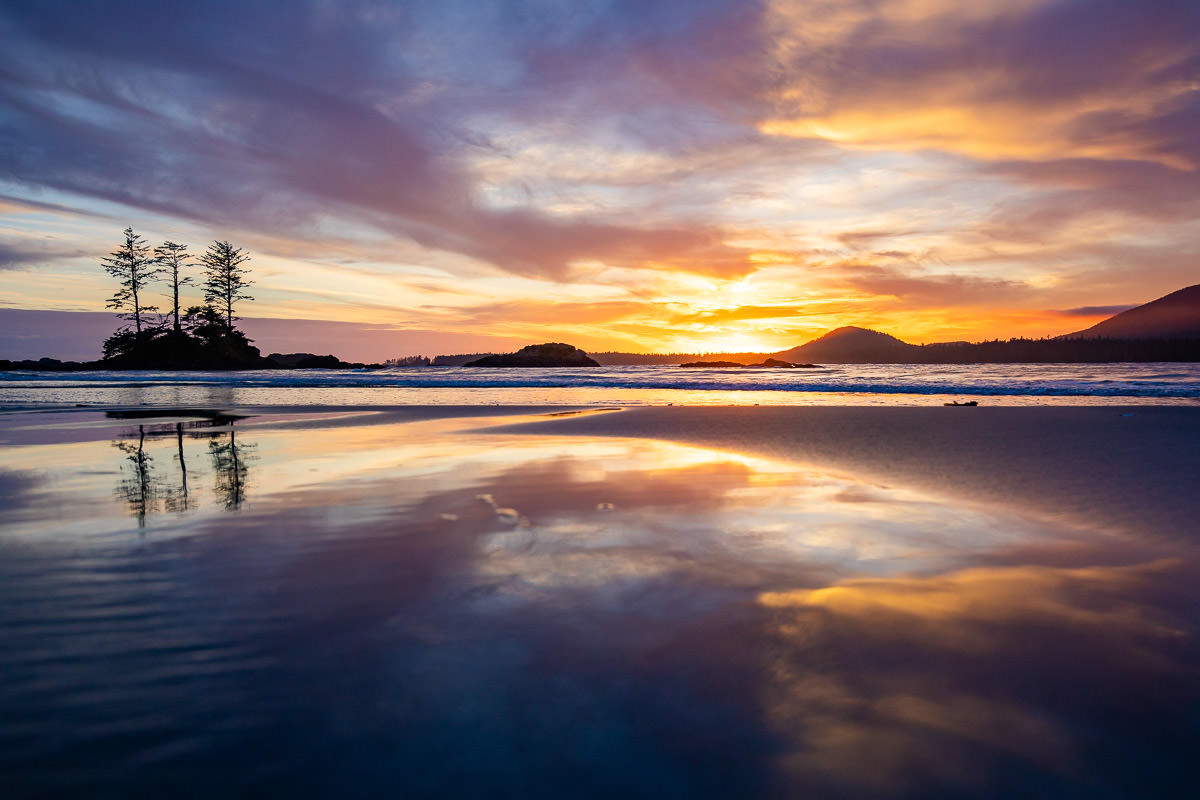
Now Hiring: Contract Graphic Designer!
Ancient Forest Alliance is hiring a contract Graphic Designer to help bring our campaigns to life through print and digital materials.
https://staging.ancientforestalliance.org/wp-content/uploads/2026/05/flores-island-wildside-trail-1200px-430.jpg
800
1200
TJ Watt
https://staging.ancientforestalliance.org/wp-content/uploads/2026/05/Ancient-Forest-Alliance-logo.svg
TJ Watt2026-05-22 12:22:292026-05-22 12:22:29Now Hiring: Contract Graphic Designer!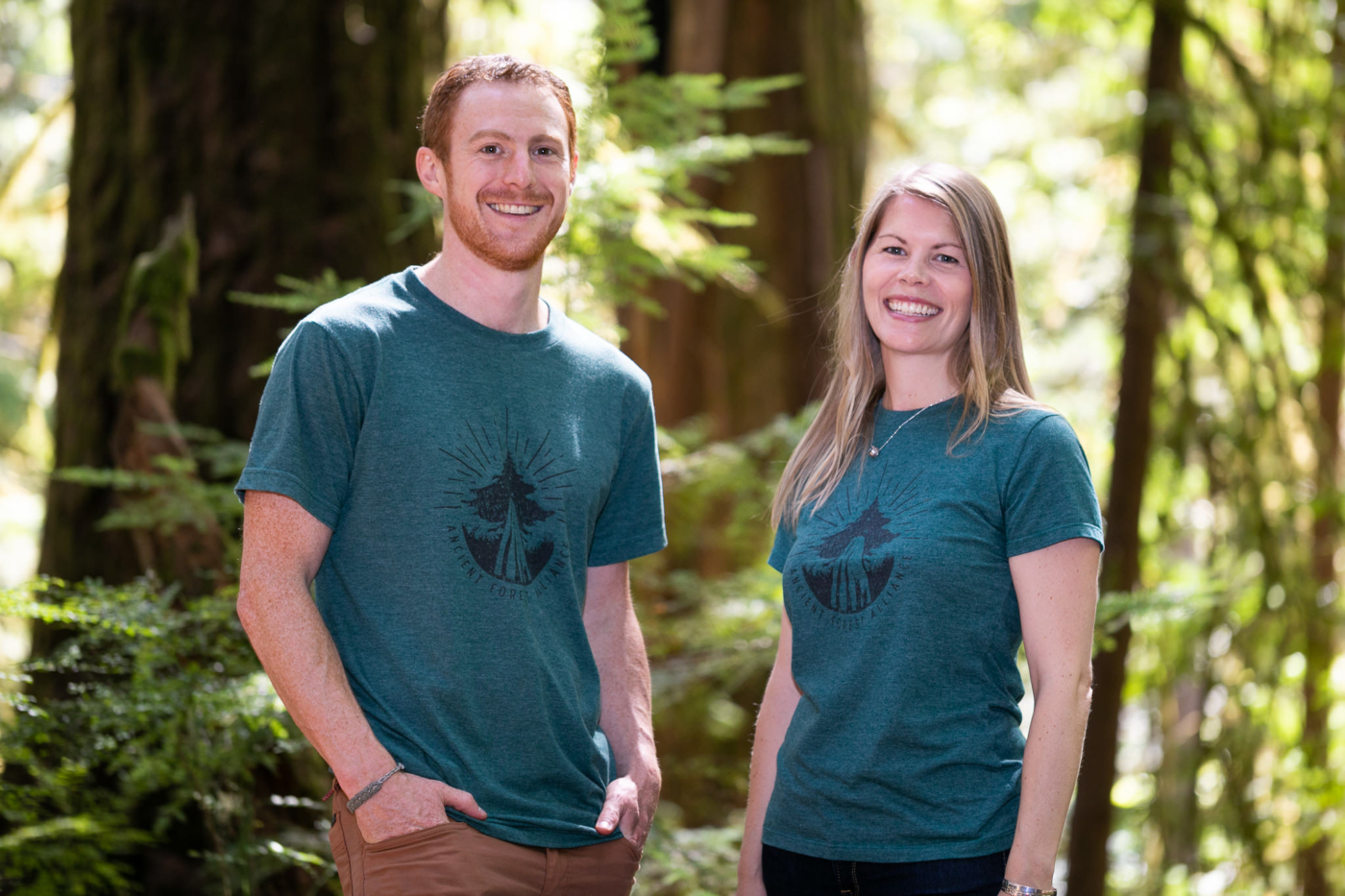
Design AFA’s Next T-Shirt and Help Protect Old-Growth Forests!
Calling all artists! For Earth Month, AFA is launching our first-ever Community T-Shirt Design Contest.
https://staging.ancientforestalliance.org/wp-content/uploads/2026/04/AFA-T-Shirt-Green-Mens-Womens.jpg
1365
2048
TJ Watt
https://staging.ancientforestalliance.org/wp-content/uploads/2026/05/Ancient-Forest-Alliance-logo.svg
TJ Watt2026-05-15 08:13:232026-05-19 09:33:44Design AFA’s Next T-Shirt and Help Protect Old-Growth Forests! Donate
 Send a Message
Monday Hits The Road To See Avatar Grove
/in News CoverageLast weekend, Monday hit the road with environmentalist Ken Wu and the Ancient Forest Alliance (along with 80 other curious community members) to pay a visit to what the AFA is calling “Canada’s gnarliest tree.” The giant Western Red Cedar is found about 10 kilometres north of Port Renfrew in the Gordon River Valley. The tree itself has a diameter of 12 feet at its base, while the giant burl that makes it a truly “gnarly” tree is about 10 feet in diameter. The tree is located among a stand of about 100-or-so ancient Western Red Cedars. Discovered by AFA members in February, a return visit a few weeks later showed the area is slated for logging, with many of the trees spraypainted, and the boundaries of what the AFA calls “Avatar Grove” marked off with flagging tape. Far easier to reach than the few other remaining old growth stands on the South Island, the Ancient Forest Alliance is calling for protection of the grove, and pushing its marketability as an eco-tourism destination. “The most important thing right now is to ensure that the Avatar Grove is not turned into a sea of giant stumps in the near future. The BC Liberal government needs to take action to protect this incredible ancient grove and the remaining endangered old-growth forests in southern BC before they are destroyed. British Columbia’s old-growth temperate rainforests, with their four meter wide ancient trees draped in moss and ferns and its incredible wildlife, are the real Pandora here on Earth,” says Wu.
Earthly Na’vi
/in AnnouncementsPhoto by TJ Watt
It didn’t take long for environmentalists to tap into James Cameron’s massively successful Avatar for a creative boost to their rallies. A small gathering of Na’vi – a.k.a. loincloth-clad protesters painted blue – joined 150 Ancient Forest Alliance supporters outside the Vancouver Art Gallery Saturday to drum up some support to save B.C.’s old-growth forests.
Science Matters: It’s getting harder and harder to spot the spotted owl
/in AnnouncementsIf the northern spotted owl is healthy, it’s a good sign that the old-growth forests where it lives are healthy. Unfortunately, the spotted owl is not doing well in British Columbia, the only place it lives in Canada. Only six of the beautiful brown-eyed birds remain here.
Spotted owls live up to 17 years in the wild, but they breed slowly, mating for life and producing just one or two chicks every two years. Silent hunters with excellent vision and hearing, the owls swoop through the open canopy of old-growth forests at dusk to catch wood rats, voles, mice, and squirrels. At one time, at least 500 pairs lived in B.C.’s forests, but over the past 100 years, their habitat has been so heavily logged that the owls have been unable to survive.
Spotted owls are particularly vulnerable to logging because of the way they nest and hunt. The owls don’t build nests but lay eggs in trees hollowed out by age or decay. And when a forest is cleared and prey populations decline, the birds often starve.
The B.C. government is belatedly trying to save the owls, with plans to capture two of the remaining males to breed with two single females in captivity. The government now has 10 owls in its breeding program and hopes to have 30 or 40 pairs so that 70 or so of the birds can be released back into the wilderness in the next decade. Government biologists have also been killing barred owls, which compete with the spotted owls for habitat.
The government has had a habitat conservation plan in place since 1997, but it was based on the premise that owl populations and habitat would be maintained only as long as those efforts did not lead to more than a 10 per cent reduction in the long-term timber supply over current levels. In 2003, the B.C. government allowed logging to proceed in six of the remaining 10 areas where spotted owls were found.
More than 70 per cent of the owls’ old-growth habitat, ranging from northern California to southwestern B.C., has now been logged. The spotted owl is listed as an endangered species in both Canada and the United States, with only a few thousand pairs remaining.
It doesn’t help that B.C. has no legislation to protect species at risk. Although the spotted owl is listed as endangered under federal law, Canada’s Species at Risk Act only applies to federal lands. If an owl were to take up residence at a post office or federal airport, it would be legally protected, but in the province’s old-growth forests, it is afforded no such status.
Why should we care? Well, beyond the fact that allowing any species to go extinct because of our activities is a pretty sorry indicator of our ability to manage our affairs, the spotted owl’s health, as we mentioned, gives us a pretty good indication about the health of the entire old-growth ecosystem. And when one species goes extinct, the effects cascade throughout the ecosystem.
We also know many plants and animals besides the spotted owl rely on old-growth forests for their survival. If habitat loss is threatening the survival of the owl, it is surely threatening the survival of other species as well.
In fact, a study we conducted found that one quarter of the plants and animals that share the spotted owl’s old-growth habitat in B.C.’s Lower Mainland are also at risk of disappearing, including tailed frogs, coastal marbled murrelets, northern goshawks, and fishers.
We must demand that the provincial government put an end to logging in old-growth forests and allow more second-growth forests to mature if we are to ensure the survival of the spotted owl and other old-growth dependent plants and animals. We also need a provincial law to protect plants and animals in B.C. that are at risk of disappearing, such as spotted owls, orcas, and grizzly bears.
It’s just not good enough to wait until an animal has all but disappeared and then scramble to try to bring it back. When we harm one animal and the ecosystem of which it is a part, we affect everything that is connected to it, including ourselves. The spotted owl’s fate should tell us something about ourselves. What kind of animal are we that put our economic and political agendas ahead of the very survival of another species?