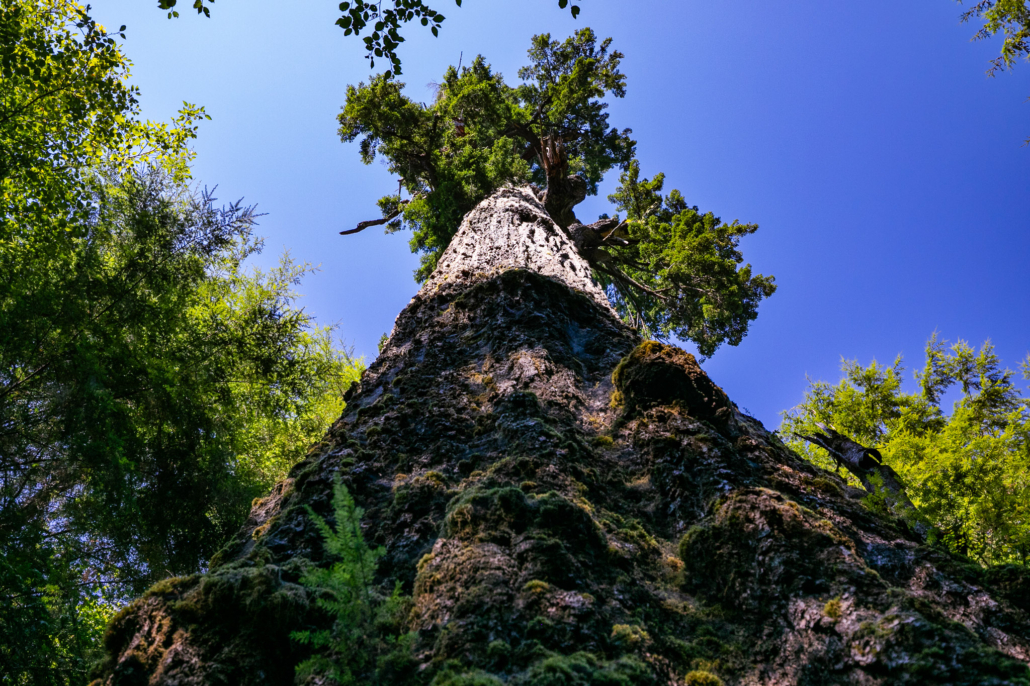
UPDATED: Port Renfrew Big Trees Map
Explore the updated Port Renfrew Big Trees Map with new directions, trails, and routes to iconic giants like Big Lonely Doug, Eden Grove, and more.
https://staging.ancientforestalliance.org/wp-content/uploads/2025/05/13-Red-Creek-Fir.jpg
1365
2048
TJ Watt
https://staging.ancientforestalliance.org/wp-content/uploads/2026/05/Ancient-Forest-Alliance-logo.svg
TJ Watt2026-05-29 15:39:342026-05-29 15:40:49UPDATED: Port Renfrew Big Trees Map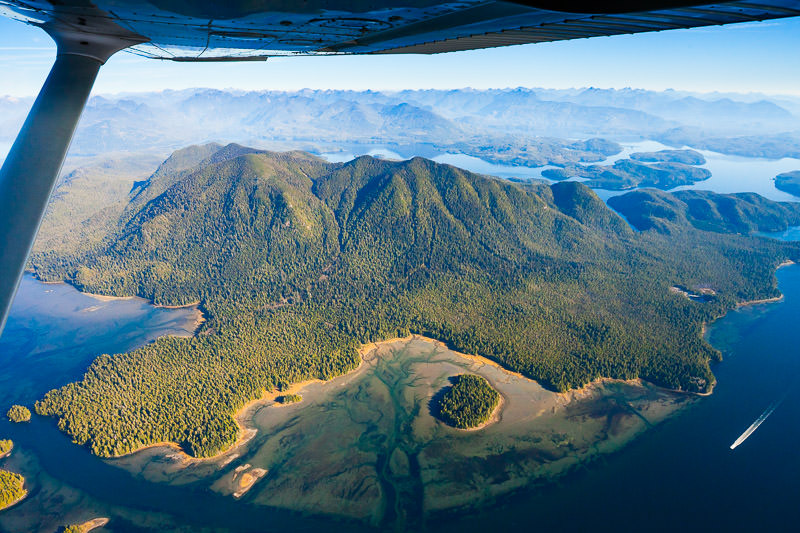
NEW! West Coast Old-Growth Hiking Guide
Explore AFA’s NEW West Coast old-growth hiking guide. From Clayoquot Sound to Port Alberni, there are trails for every skill level!
https://staging.ancientforestalliance.org/wp-content/uploads/2026/05/meares-island-big-tree-trail-tofino-1200px-338.jpg
533
800
TJ Watt
https://staging.ancientforestalliance.org/wp-content/uploads/2026/05/Ancient-Forest-Alliance-logo.svg
TJ Watt2026-05-29 12:06:002026-05-29 15:42:38NEW! West Coast Old-Growth Hiking Guide
Now Hiring: Contract Graphic Designer!
Ancient Forest Alliance is hiring a contract Graphic Designer to help bring our campaigns to life through print and digital materials.
https://staging.ancientforestalliance.org/wp-content/uploads/2026/05/flores-island-wildside-trail-1200px-430.jpg
800
1200
TJ Watt
https://staging.ancientforestalliance.org/wp-content/uploads/2026/05/Ancient-Forest-Alliance-logo.svg
TJ Watt2026-05-22 12:22:292026-05-22 12:22:29Now Hiring: Contract Graphic Designer!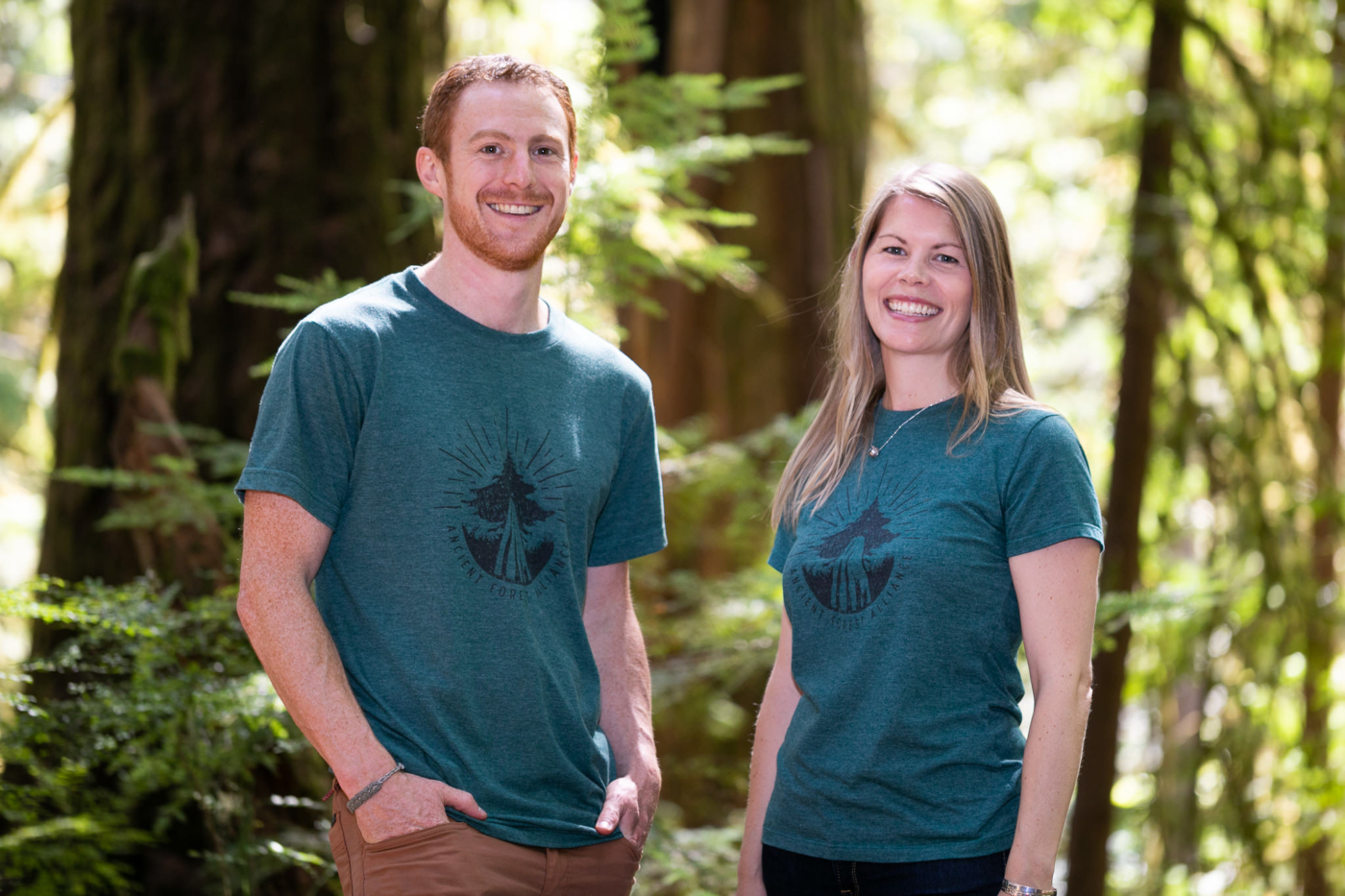
Design AFA’s Next T-Shirt and Help Protect Old-Growth Forests!
Calling all artists! For Earth Month, AFA is launching our first-ever Community T-Shirt Design Contest.
https://staging.ancientforestalliance.org/wp-content/uploads/2026/04/AFA-T-Shirt-Green-Mens-Womens.jpg
1365
2048
TJ Watt
https://staging.ancientforestalliance.org/wp-content/uploads/2026/05/Ancient-Forest-Alliance-logo.svg
TJ Watt2026-05-15 08:13:232026-05-19 09:33:44Design AFA’s Next T-Shirt and Help Protect Old-Growth Forests! Donate
 Send a Message
The Globe & Mail: ‘Salmon parks’ in traditional First Nations territory aim to save habitats by stopping old-growth logging
/in News CoverageNovember 29, 2023
The Globe and Mail
By Justine Hunter
See the original article.
New plan from the Mowachaht/Muchalaht First Nation, aided by the BC and federal governments, signals a shift in Indigenous-led conservation across the province
Backed by a $15.2-million commitment from the federal government, a First Nations community on the west coast of Vancouver Island intends to buy out forestry tenures to stop old-growth logging in selected watersheds around Nootka Sound.
The Mowachaht/Muchalaht First Nation has declared a string of “salmon parks” in its traditional territories that includes more than 66,000 hectares of watersheds.
The parks are designed to protect critical salmon habitat by maintaining and restoring the land where it intersects with marine ecosystems. Logging can damage the rivers where salmon spawn, and deforestation has been tied to warmer rivers that reduce survival rates for young fish.
Proposed salmon parks on Vancouver and Nootka islands
Red: Proposed salmon parks
Green: Mowachaht/Muchalaht First Nation territory
Yellow: Nuchatlaht First Nation territory
MURAT YÜKSELIR / THE GLOBE AND MAIL SOURCE: BC GOVERNMENT; HA-SHILTH-SA OPENSTREETMAP
The salmon parks of Nootka Sound offer an example of a shift that is coming across the province as a result of the new $1-billion Nature Agreement signed on Nov. 3 between Canada, BC and the First Nations Leadership Council. Significantly more land will be designated for conservation, which in turn will change how and where the province exploits its natural resources.
To meet commitments by the federal and provincial governments, BC will need to set aside more than 10 million hectares of new biologically important areas for protection from development over the next six years. Much of that will be achieved through Indigenous-led conservation projects that are now on a fast track for approval. This includes the Mowachaht/Muchalaht First Nation plan, which will require additional funding to complete.
British Columbia has the greatest diversity of species, ecosystems and habitats of any jurisdiction in Canada, and both the federal and provincial governments have promised to protect 30 per cent of the country’s land and water by 2030.
The provincial government says there are currently 18.5 million hectares of protected and conserved areas, making up 19.6 per cent of BC’s total land.
A number of First Nations in BC have declared Indigenous Protected and Conserved Areas that will be among the first in the queue for consideration by the new tripartite committee, which will decide where the nature agreement funding will go. Federal Environment and Climate Change Minister Steven Guilbeault promised financing for the Mowachaht/Muchalaht salmon parks in late October, providing tacit approval of the First Nation’s IPCAs.
Five species of Pacific salmon run through the traditional territories of the Mowachaht/Muchalaht First Nation, but stocks are in decline. Eric Angel, the project manager for the salmon parks, said the selected areas include some of the last remaining old-growth forest ecosystems in the region.
“What we are bringing to this is a much more creative and nuanced view of what a sustainable economy looks like in rural communities. What we’ve been doing up till now has been liquidating a one-time resource, old-growth forests. What we need to do is find ways to harvest forest products,” he said, “while we also build economies around tourism and conservation and stewardship.”
Celina Starnes from Endangered Ecosystems Alliance looks up at the big-leaf maple grove of the Burman River valley, which lies within the Mowachaht/Muchalaht salmon-park system.
TJ WATT
The village of Gold River, located in the heart of Mowachaht/Muchalaht territory, was built as a forestry community, but the last mill closed in 1999. The salmon-parks strategy will balance economic development with ecology, Mr. Angel said, and some of the funds will help develop those plans. By clearly identifying which lands must be protected, industry will better understand where resource extraction will be allowed, and what kind of activities would be welcomed.
The salmon park is home to black bears like this one near Tahsis.
Based on studies by biologists, the First Nation has determined that 90 per cent of salmon productivity in the region can be protected by setting aside 20 per cent of the watersheds – especially those where glacier-fed rivers offer the greatest climate resiliency.
The provincial government, which awards forestry tenures, has not yet weighed in on the salmon parks. However, Nathan Cullen, BC’s Minister for Land, Water and Resource Stewardship, said that his government needs to endorse IPCAs to reach its conservation targets. “Getting there would be absolutely impossible without willing First Nations partners.”
He believes IPCAs also hold the key to ensuring that this transition can be done without cratering the province’s resource-based economy. Conservation decisions will bring certainty to land that has long been mired in conflict because of unresolved Indigenous claims. First Nations communities have told him, he said, that they will be more open to extraction industries after the areas they have identified for conservation are protected. “The whole point of land-use planning is to lessen the conflict, lessen the legal challenges and increase certainty for investors while protecting more of the province.”
But that process can be expensive. The largest cost associated with the Mowachaht/Muchalaht IPCAs will be the purchase of logging tenures from industry. To implement the plan, the First Nation expects it will need to raise as much as $50-million. “It will cost money because the companies will not just say, ‘Okay, yeah, take our tenure and make a reserve.’ So everyone will need to be compensated,” said Azar Kamran, chief executive officer and administrator for the First Nation.
Western Forest Products, one of those tenure holders in Nootka Sound, is aware of the salmon-parks plan, said Babita Khunkhun, a spokesperson for the company. “While we have not had specific discussions with the Nation since the recent announcement, we work to understand and incorporate the interests of Indigenous communities through open communication and that ongoing commitment will serve to guide us going forward.”
‘We’ve been clear for a number of years now that protecting our old-growth forests is one of our priorities,’ Ms. Dabrusin says.
CHAD HIPOLITO/THE GLOBE AND MAIL
Ottawa has agreed to invest up to $500-million across all projects over the life of the tripartite agreement, with matching funding to come from the province. Philanthropic organizations are also expected to contribute. It took two years to negotiate and now it could take another year to set up the committee.
Julie Dabrusin, parliamentary secretary to Mr. Guilbeault, was one of the brokers. On a recent visit to BC, she visited an old-growth forest where 500-year-old Douglas firs rival the height of the concrete towers of her home riding of Toronto-Danforth.
The trees in Francis/King Regional Park, near Victoria, are already protected, but she said seeing them was a good reminder of the purpose of her assignment, which was to help secure an agreement that would allow the federal Liberal government to achieve its “30 by 30″ commitment.
She acknowledged concerns that BC’s old-growth forests are being logged while the process unfolds. “I think that there is always an urgency to get beyond talking. We’ve been clear for a number of years now that protecting our old-growth forests is one of our priorities.”
Leading Ms. Dabrusin’s old-growth tour was Ken Wu, who heads the Endangered Ecosystems Alliance and has spent decades campaigning for protected areas. Meeting Canada’s conservation targets will be “a monumental undertaking,” he said, but with $1-billion or more, and a framework that puts First Nations in the driver’s seat, the past month has given environmentalists something to celebrate.
“In the coming months and years we’re going to see – I’m certain of it – the biggest protected areas expansion in Canadian history within a province.”
See the original article on the new Salmon Park IPCA here.
The Guardian: “The nature cure: how time outdoors transforms our memory, imagination and logic”
/in News CoverageNovember 27, 2023
The Guardian
By Sam Pyrah
See the original article.
Without engaging with natural environments, our brains cease to work well. As the new field of environmental neuroscience proves, exposure to nature isn’t a luxury – it’s a necessity
It’s a grey November day; rain gently pocks the surface of the tidal pools. There is not much to see in this East Sussex nature reserve – a few gulls, a little grebe, a solitary wader on the shore – but already my breathing has slowed to the rhythm of the water lapping the shingle, my shoulders have dropped and I feel imbued with a sense of calm.
I’m far from alone in finding the antidote to modern life in nature. “It’s only when I’m outdoors and attentive to the wild things around me that my mind holds still,” says James Gilbert, an ecologist from Northamptonshire. Despite his job, it is not visits to nature reserves boasting rare species that provide what he describes as a “mental reset” – “simply the everyday encounters I chance upon in my daily life. These touches of wildness freshen my mind, broaden my perspective and lift my spirits.”
Such testimonies to the power of nature are nothing new. What is new is the emerging field of environmental neuroscience, which seeks to explore why – and how – our brains are so profoundly affected by being in nature.
You are probably aware of studies showing that green (vegetated) and blue (moving water) environments are associated with a reduction in stress, improved mood, more positive emotions and decreases in anxiety and rumination. But there is growing evidence that nature exposure also benefits cognitive function – all the processes involved in gaining knowledge and understanding, including perception, memory, reasoning, judgment, imagination and problem-solving. One study found that after just 40 seconds of looking out at a green roof, subjects made fewer mistakes in a test than when they looked at a concrete one.
Dr Marc Berman, director of the Environmental Neuroscience Laboratory at the University of Chicago, taxed subjects’ brains with a test known as the backwards digit-span task, requiring them to repeat back sequences of numbers in reverse order. Then he sent them for a 50-minute walk, in either an urban setting (a town centre) or a nature setting (a park). On their return, they repeated the task. “Performance improved by about 20% when participants had walked in nature, but not when they had walked in an urban environment,” he says.
The brain boost from being in nature goes beyond getting answers right in a test, according to Prof Kathryn Williams, an environmental psychologist at the University of Melbourne. “Research has consistently demonstrated enhanced creativity after immersion in natural environments,” she says. One study found that a four-day hike (with no access to phones or other technology) increased participants’ creativity by 50%. (If you’re wondering how you can put a number on creativity, that study used the Remote Associates Test, widely used as a measure of creative thinking, insight and problem-solving. Subjects are given three words and have to come up with a word that links them. For example, Big, Cottage, Cake = Cheese.)
What might be going on here? According to the biophilia hypothesis popularised by the American sociobiologist EO Wilson, humans function better in natural environments because our brains and bodies evolved in, and with, nature. “Biophilia makes a lot of sense,” says Dr David Strayer, a cognitive neuroscientist who heads the Applied Cognition Laboratory at the University of Utah. “As hunter-gatherers, those who were most attuned to the natural environment were the most likely to survive. But then we built all this infrastructure. We are trying to use the hunter-gatherer brain to live in the highly stressful and demanding modern world.”
It’s not that life as a hunter-gatherer was easy, of course. But, says Strayer, the fight-or-flight response that we evolved to deal with it is ill-suited to the way we live now. “Most of the stress we encounter today does not require a physical response, but still evokes the same physiological reaction – raised cortisol levels, increased heart rate and alertness – which can impact immune and cardiovascular function, as well as memory, mood and attention.”
Exposure to nature activates the parasympathetic nervous system – the branch of the nervous system related to a “resting” state. This instils feelings of calm and wellbeing that enable us to think more clearly and positively, just as I experienced on my harbourside walk.
One recent theory proposes that oxytocin (the “bonding” hormone) may be behind the phenomenon, exerting its powerful antistress and restorative effects when we are in natural settings that we perceive as safe, pleasing, calm and familiar.
But if its capacity to make us “feel better” were the sole pathway through which nature affected the brain, it would only work if you regard being in nature as a positive experience. Those siding with Woody Allen when he said “I love nature; I just don’t want to get any of it on me” would not experience a brain boost. However, research by Berman and others suggests that improvements in cognitive function are not linked to improved mood.
Berman got his subjects to walk at different times of the year. “Even in January, when it was zero degrees outside and people didn’t enjoy the nature walk, they still experienced performance improvements in the test,” he says. “They didn’t need to ‘like’ the nature exposure to reap the cognitive benefits.”
Another explanation for the nature boost is something known as attention restoration theory (ART). Psychologists call the capacity to sustain focus on a specific mental task, ignoring external distractions (such as your phone) and internal ones (such as your rumbling belly), “directed attention”. And according to ART, it is a finite resource.
“The areas of the brain responsible for this kind of attention can become depleted by multitasking and high-stimulation modern environments,” explains Williams. When that happens, we can’t concentrate, we make mistakes and get stuck on problems. “But there is something about nature that engages the brain in a way that’s very undemanding and effortless, giving these areas an opportunity to rest and recover.”
It’s not that natural settings don’t have lots of stimuli, but the attention they capture is indirect and spontaneous – we are drawn by the movement of a bird or the sound of our feet padding on fallen leaves. This gentle attendance to our surroundings is known as “soft fascination”, and while we are immersed in it, directed attention can be restored. Maybe that’s why I often find myself recording voice notes, or tapping ideas into my phone, after spending time in nature.
Excitingly, neuroimaging tools such as electroencephalograms and functional magnetic resonance imaging are helping researchers to glimpse the changes in our brains in real time. Functional magnetic resonance imaging (fMRI), for example, uses something known as Bold – blood-oxygen-level-dependent imaging – to determine which areas of the brain are most active during exposure to different stimuli. (Like muscles, the more active parts require more oxygenated blood.) Studies have revealed a drop in the Bold signal in the prefrontal cortex (an important brain structure in executive function) during nature exposure, supporting the idea that this part of the brain is “off duty” at the time. It has also been shown that a greater number of brain areas are activated when viewing urban scenes, suggesting more effort is required to process them.
The drawback with fMRI is that it requires you to lie still, ruling out real-life nature experiences – which is why Berman is excited about his newest tool, functional near-infrared spectroscopy (fNIRS). “We have some idea of what the brain looks like when it is working hard,” he says. “But fNIRS enables us to shine infrared light into the brain of a person as they walk through different environments to see whether it is working harder or easier.”
“We’re not trying to create a nature pill,” Berman insists, pointing to research that shows exposure to “real-world” nature yields greater improvements in mood and aspects of cognitive performance. “We are looking at why we build things the way that we do. Now, it’s all about efficiency. But we could be thinking instead about creating a built environment that elicits the best attention, high levels of wellbeing, cooperation – we could be putting natural elements into streets, offices, schools, homes. And don’t forget that not everybody has access to nature.”
Regardless of access issues, most of us spend very little time in nature. A government survey last year found that a quarter of people hadn’t visited a green or natural space once in the previous 14 days. And yet, as the BMJ reported in 2021, greater contact with nature is associated with better cognition, working memory, spatial memory attention, visual attention, reasoning, fluency, intelligence and childhood intellectual development.
“This growing body of research is demonstrating that we can’t be healthy – that our brains do not work optimally – if we don’t spend time in natural environments,” says Berman. “It’s not a luxury – it’s a necessity.”
How to make the most of nature
Aim for at least 30 minutes. According to cognitive neuroscientist David Strayer, this is the duration needed for measurable benefits to accrue. Longer-term experiences (Strayer talks of the “three-day effect”) have additional benefits.
Forgo the tech. “If you’re focusing on your watch or phone, or wearing headphones, you aren’t engaging with your environment,” says Strayer.
Get your timing right. One study found that the boost to cognition lasted 30 minutes after leaving the natural setting, which may help you plan the best time for mentally demanding work.
Choose your venue. Not all natural environments are equal. “You want to be somewhere pleasant and engaging,” says Prof Kathryn Williams, an environmental psychologist at the University of Melbourne. “A sense of safety is paramount to positive experiences in nature, including attention restoration, stress reduction and mind wandering. A feeling of ‘being away’ – a sense of psychological distance from the things that burden you – is also important.”
WATCH: BC forest plan draft hailed by conservationists
/in News CoverageNovember 23, 2023
Global News BC
By Paul Johnson
See this video interview with Endangered Ecosystems Alliance’s Ken Wu, discussing the BC government’s recent “unprecedented leaps forward” over the past month with its release of the draft Biodiversity and Ecosystem Health Framework in tandem with the BC Nature Agreement.
Watch the video here.
It’s being described as a “game changer” in efforts to protect BC’s old-growth forests. As Paul Johnson reports, conservationists are welcoming a draft plan from the provincial government that would not only consider the economic but also the ecological value of our forests.