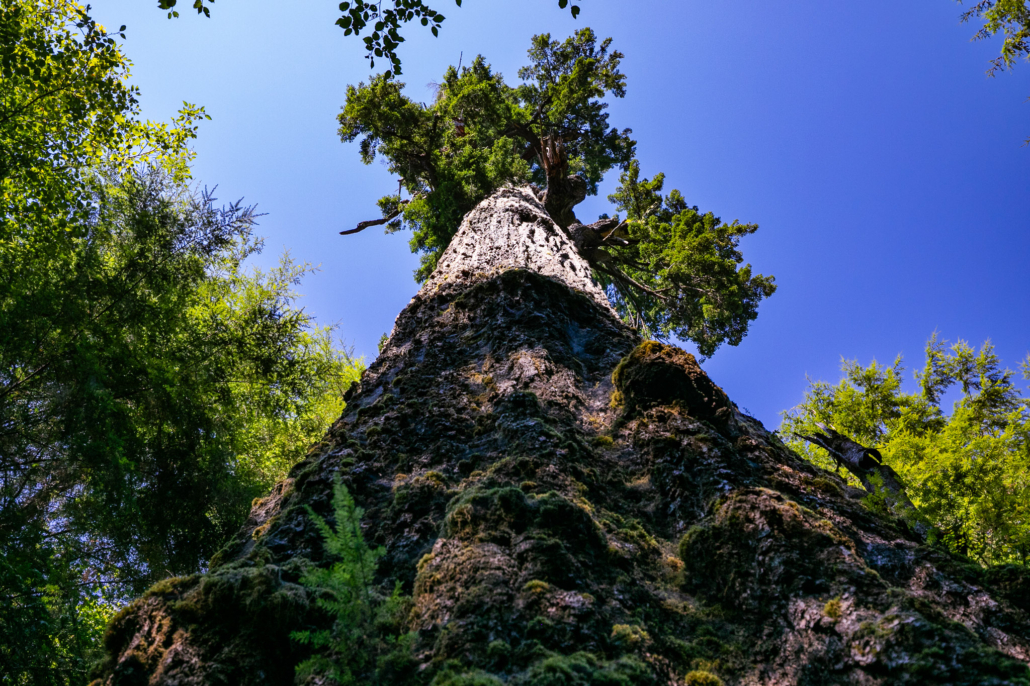
UPDATED: Port Renfrew Big Trees Map
Explore the updated Port Renfrew Big Trees Map with new directions, trails, and routes to iconic giants like Big Lonely Doug, Eden Grove, and more.
https://staging.ancientforestalliance.org/wp-content/uploads/2025/05/13-Red-Creek-Fir.jpg
1365
2048
TJ Watt
https://staging.ancientforestalliance.org/wp-content/uploads/2026/05/Ancient-Forest-Alliance-logo.svg
TJ Watt2026-05-29 15:39:342026-05-29 15:40:49UPDATED: Port Renfrew Big Trees Map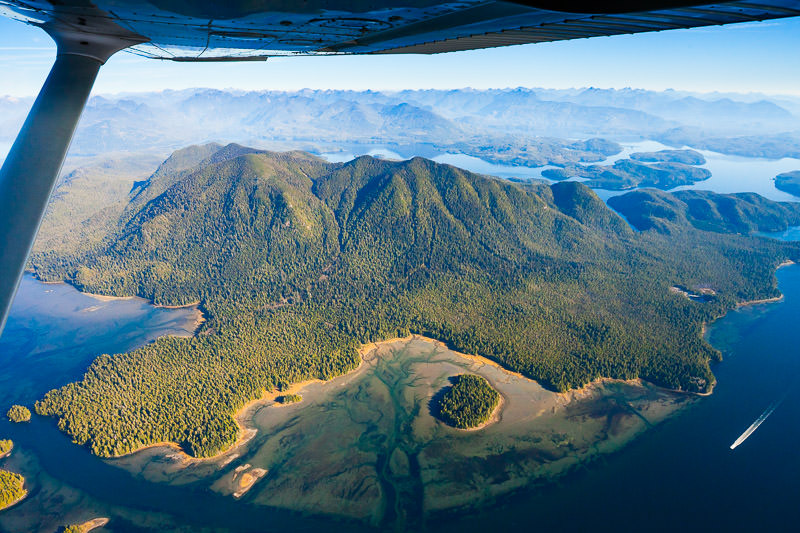
NEW! West Coast Old-Growth Hiking Guide
Explore AFA’s NEW West Coast old-growth hiking guide. From Clayoquot Sound to Port Alberni, there are trails for every skill level!
https://staging.ancientforestalliance.org/wp-content/uploads/2026/05/meares-island-big-tree-trail-tofino-1200px-338.jpg
533
800
TJ Watt
https://staging.ancientforestalliance.org/wp-content/uploads/2026/05/Ancient-Forest-Alliance-logo.svg
TJ Watt2026-05-29 12:06:002026-05-29 15:42:38NEW! West Coast Old-Growth Hiking Guide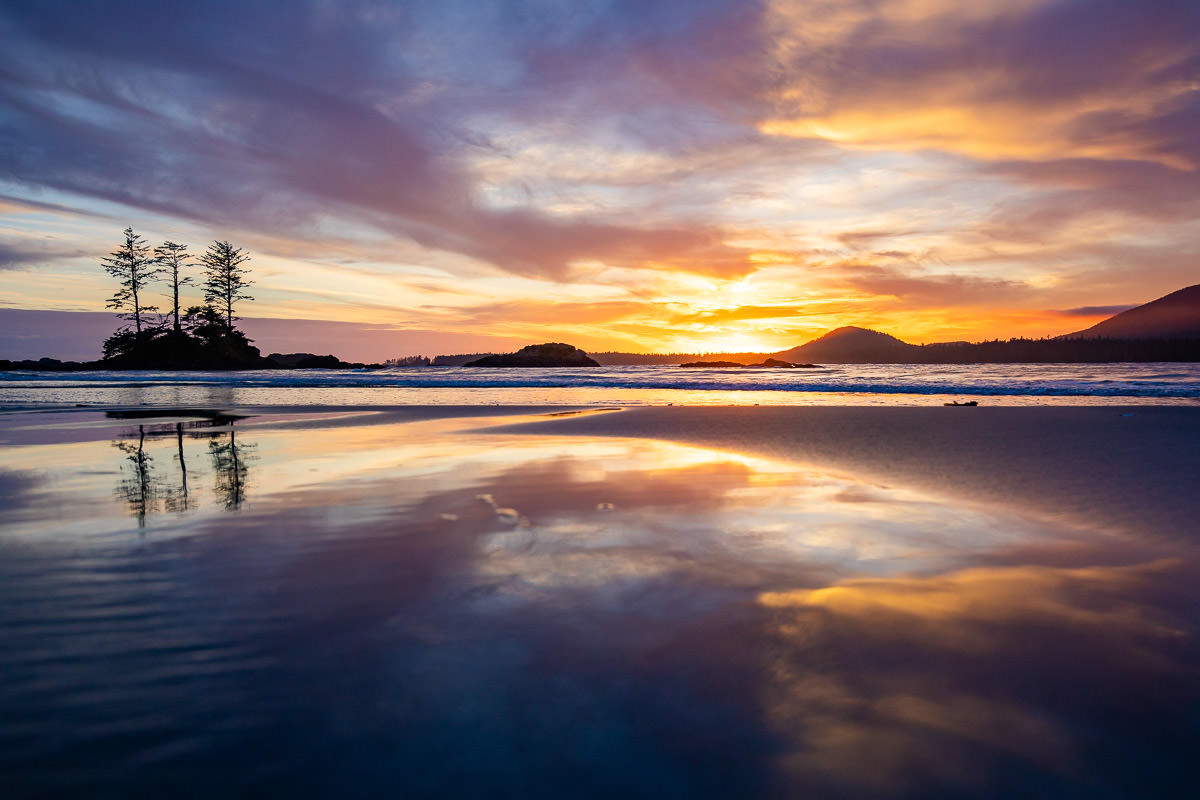
Now Hiring: Contract Graphic Designer!
Ancient Forest Alliance is hiring a contract Graphic Designer to help bring our campaigns to life through print and digital materials.
https://staging.ancientforestalliance.org/wp-content/uploads/2026/05/flores-island-wildside-trail-1200px-430.jpg
800
1200
TJ Watt
https://staging.ancientforestalliance.org/wp-content/uploads/2026/05/Ancient-Forest-Alliance-logo.svg
TJ Watt2026-05-22 12:22:292026-05-22 12:22:29Now Hiring: Contract Graphic Designer!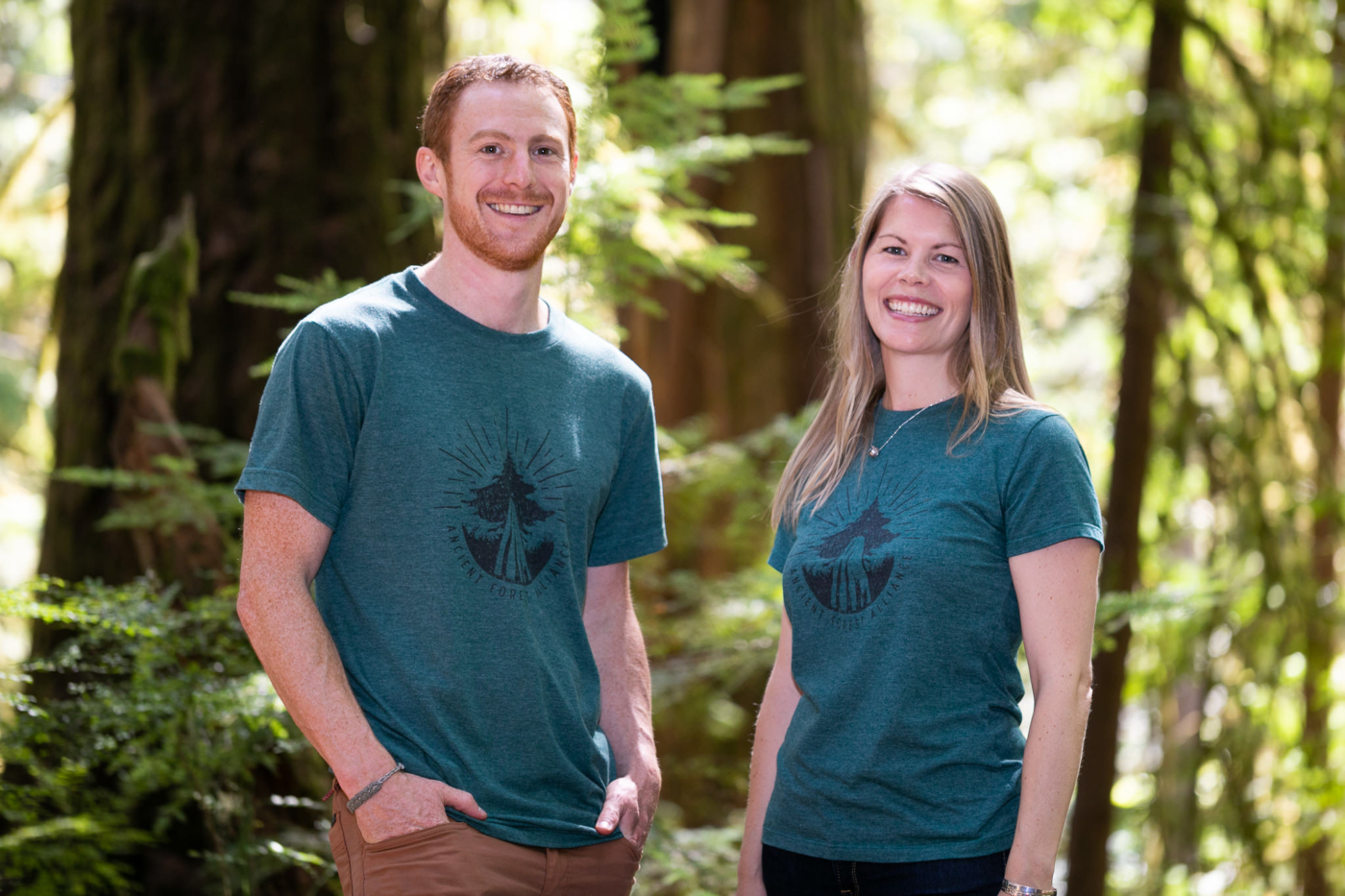
Design AFA’s Next T-Shirt and Help Protect Old-Growth Forests!
Calling all artists! For Earth Month, AFA is launching our first-ever Community T-Shirt Design Contest.
https://staging.ancientforestalliance.org/wp-content/uploads/2026/04/AFA-T-Shirt-Green-Mens-Womens.jpg
1365
2048
TJ Watt
https://staging.ancientforestalliance.org/wp-content/uploads/2026/05/Ancient-Forest-Alliance-logo.svg
TJ Watt2026-05-15 08:13:232026-05-19 09:33:44Design AFA’s Next T-Shirt and Help Protect Old-Growth Forests! Donate
 Send a Message
Ahimsa Yoga in Sooke Hosts Fundraiser for the Ancient Forest Alliance
/in AnnouncementsAhimsa Yoga in Sooke is hosting a special Karma Yoga class with all proceeds donated to the AFA!
Saturday June 5th at 10:30am
Join us for a morning of nature inspired Yoga with Sarah Richer CYT in an effort to bring awareness and support to help stop the destruction of our beautiful, old growth “Avatar Grove” in Port Renfrew.
By donation, with all proceeds going to the “Ancient Forest Alliance”
Ahimsa Yoga & Fitness
www.ahimsasooke.com
6653B Sooke Rd
Sooke BC
V9Z 0A2
256.642.9642
A BIG THANK YOU TO AHIMSA YOGA FOR HOSTING THIS EVENT!
Reinventing Renfrew
/in News CoverageWhen members of the Ancient Forest Alliance asked Port Renfrew restaurant owner Jessica Hicks to host a public meeting about a stand of old growth trees dubbed Avatar Grove, Hicks thought she might use the event as a fundraiser for the fledgeling environmental group. Then, reflecting on her Coastal Kitchen Cafe’s place in the community and the smouldering tension between environmentalists and B.C.’s logging towns, Hicks decided a simple information session might ruffle fewer feathers.
The restaurateur’s hesitation to dive headlong into promoting the AFA’s forest preservation vision may well be a metaphor for Port Renfrew today, where many residents are striving to champion the town’s justified status as an ecotourism mecca, while simultaneously recognizing its fading days as a hardscrabble logging town. This combination of optimism and memory doesn’t necessarily mean bad blood, just a recognition of a town in the midst of a long transition.
“I support the logging families,” says Hicks. “If you came to town, you would not find one local who says they don’t support logging. So you’ve just kind of got to go, ‘There is a way to work together.’ We’re not saying ‘Stop logging,’ we’re saying, ‘Wow, look at these things like Avatar Grove and the potential they offer and could you possibly just save this little piece?’ Let’s save some of the old growth for people to enjoy.”
Today, only a handful of Renfrew families still earn their keep falling trees. Most who do have done so for decades and might well be the last generation that will. This deep ebb in forest industry employment is a far cry from the company town that Port Renfrew was four decades ago before the big companies pulled out and left town.
Since then, eco-tourism has helped drive the town’s modest economy, servicing visitors to wonders like Botanical Beach and the West Coast and Juan de Fuca trailheads. Members of the Pacheedaht First Nation, who number about 100 around Renfrew, have long taken visitors out on salmon and halibut fishing expeditions. But now a new push is on to turn tourism attention not to the region’s marine bounty, but to its awesome trees.
And that’s where the Ancient Forest Alliance comes in, building bridges in the community to sell the idea that the centuries old stands of Douglas fir, Red cedar and Sitka spruce within easy driving of the town are of greater economic value standing tall and mossy to the year-round population of 200 residents than on a barge floating toward Asia.
At every opportunity, the AFA tells its hundreds of supporters who venture out to visit the area’s mammoth trees to do their shopping at Renfrew’s local businesses, hoping to prove tree tourism’s value to the community.
“Port Renfrew is a place where you’ve got a high level of consciousness among businesses that their future is not in logging,” says Ancient Forest Alliance co-founder Ken Wu. “Their future is going to be taking advantage of the long term sustainability of the region, especially the biggest trees in the country, which are literally at their doorstep.”
From Wu’s perspective, it is the giant old growth that sets Renfrew apart from other small B.C. towns hit by hard times.
“Logging is still a part of the community, as it is in pretty much all rural B.C. communities,” says Wu. “The difference though, is that tourism and potential ecotourism is a more significant part of the economy in that community. I’m not going to go so far as to say it would become a second Tofino, but it certainly can ramp up the cash flow coming into town just by promoting the biggest trees in the country. Literally, Port Renfrew is the big trees capital.”
“Second Tofino” is a term sometimes bandied about by more ambitious boosters of Renfrew’s future, one that doubtless sends a shiver down the spine of longtime residents. But certainly the newly paved Pacific Marine Circle Route from Lake Cowichan to Renfrew, which now links the mid Island to the West Coast, has opened the area to a less intrepid breed of outdoor enthusiasts.
“Without the circle route you had to take your four-wheel drive and hike through the logging roads,” says Juan de Fuca NDP MLA John Horgan. “Now that you’ve got it paved, you can get close to some of the biggest trees with your Honda hybrid, so those opportunities are pretty exciting.”
Of course, notes Horgan, the provincial government’s investment in laying asphalt on the Circle Route would be all for naught if the very features that draw tourists to Renfrew meet their end by chainsaw.
“If you’re going to make those sorts of transportation investments to encourage people to come, you have to ensure that they’re not coming to see stumps,” says Horgan. “You need to ensure that they’re coming to see trees that are hundreds, sometimes thousands of years old, so that’s an integral part of it and they need to be preserved.”
Preserving those trees, says Horgan, takes political will of the kind that saw parts of the Carmanah Walbran Valley set aside as provincial park by buying out the tenure rights of the forest companies.
The clock, it would appear, is ticking to save Renfrew’s old growth giants, as Surrey-based Teal Jones Logging continues to cut some of the largest trees in the Gordon River Valley just outside the town. Several trees in the so-called Avatar Grove have already been marked for future cutting.
Meanwhile, after several years of waning optimism, the Coastal Kitchen’s Jessica Hicks senses good things to come for her community.
“About two years ago I was kind of feeling that it wasn’t really going to take off and I was really considering sort of moving on,” says Hicks. “But as of this year, I’m personally really excited. Things don’t happen over night, and Port Renfrew just has so much going on, but we have to have services to back that up.” M
Sidebar: Too Big to Fall – A Forest Alliance wishlist
When the Capital Regional District issued its recent call for public input on South Island areas that deserve regional park designation using funds from the CRD’s annual parks levy, the upstart Ancient Forest Alliance was there with a wishlist of areas in need of immediate park protection:
• The Red Creek Fir, which is the world’s largest known Douglas fir, and its surrounding private and Crown lands about 15 kilometres east of Port Renfrew
• The “Avatar Grove,” an easily accessible stand of Douglas firs and Red cedars about 10 kilometres north of Port Renfrew
• The San Juan Spruce, the world’s second largest known Sitka spruce, located on Crown lands 15 kilometres east of Port Renfrew
• The Refugee Tree, the largest Red cedar in the Capital regional District, located just south of Sombrio Beach
• The Muir Creek watershed west of Sooke on lands owned by TimberWest and Western Forest Products.
Ancient Forest Alliance Avatar Grove Trip March 2010
/in AnnouncementsOn March 28th 2010, the Ancient Forest Alliance took a group of over 80 people to raise awareness about Vancouver Island’s rapidly vanishing old-growth ecosystems.
Filmed and edited by Nic Vandergugten.