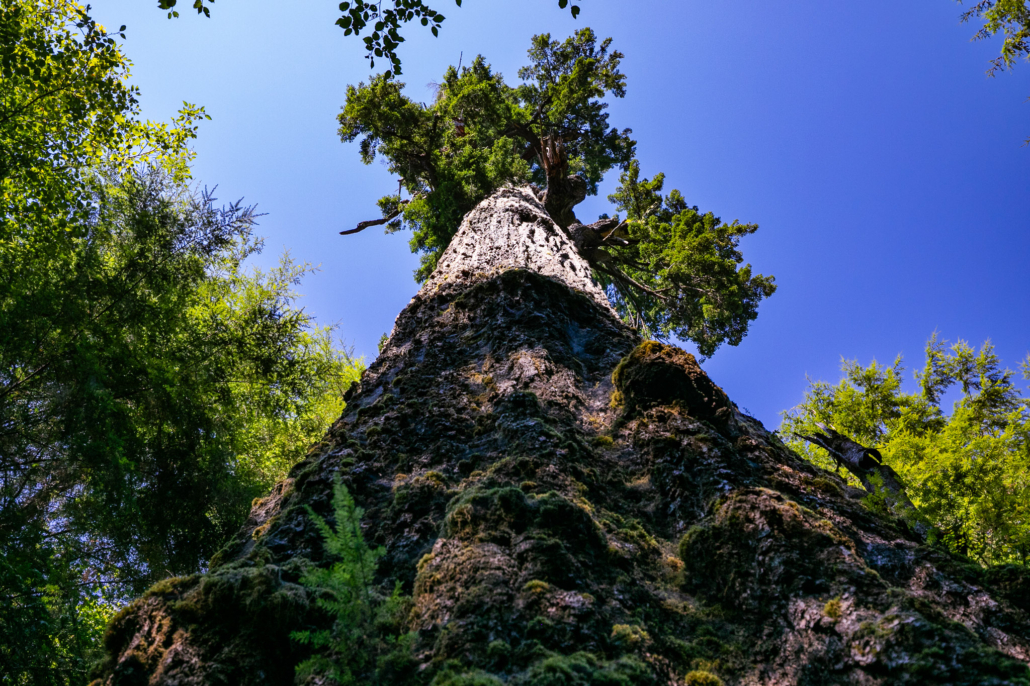
UPDATED: Port Renfrew Big Trees Map
Explore the updated Port Renfrew Big Trees Map with new directions, trails, and routes to iconic giants like Big Lonely Doug, Eden Grove, and more.
https://staging.ancientforestalliance.org/wp-content/uploads/2025/05/13-Red-Creek-Fir.jpg
1365
2048
TJ Watt
https://staging.ancientforestalliance.org/wp-content/uploads/2026/05/Ancient-Forest-Alliance-logo.svg
TJ Watt2026-05-29 15:39:342026-05-29 15:40:49UPDATED: Port Renfrew Big Trees Map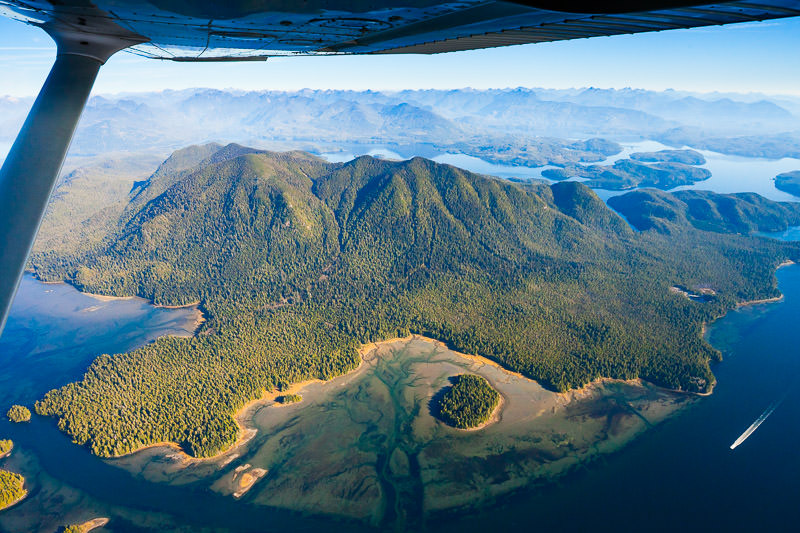
NEW! West Coast Old-Growth Hiking Guide
Explore AFA’s NEW West Coast old-growth hiking guide. From Clayoquot Sound to Port Alberni, there are trails for every skill level!
https://staging.ancientforestalliance.org/wp-content/uploads/2026/05/meares-island-big-tree-trail-tofino-1200px-338.jpg
533
800
TJ Watt
https://staging.ancientforestalliance.org/wp-content/uploads/2026/05/Ancient-Forest-Alliance-logo.svg
TJ Watt2026-05-29 12:06:002026-05-29 15:42:38NEW! West Coast Old-Growth Hiking Guide
Now Hiring: Contract Graphic Designer!
Ancient Forest Alliance is hiring a contract Graphic Designer to help bring our campaigns to life through print and digital materials.
https://staging.ancientforestalliance.org/wp-content/uploads/2026/05/flores-island-wildside-trail-1200px-430.jpg
800
1200
TJ Watt
https://staging.ancientforestalliance.org/wp-content/uploads/2026/05/Ancient-Forest-Alliance-logo.svg
TJ Watt2026-05-22 12:22:292026-05-22 12:22:29Now Hiring: Contract Graphic Designer!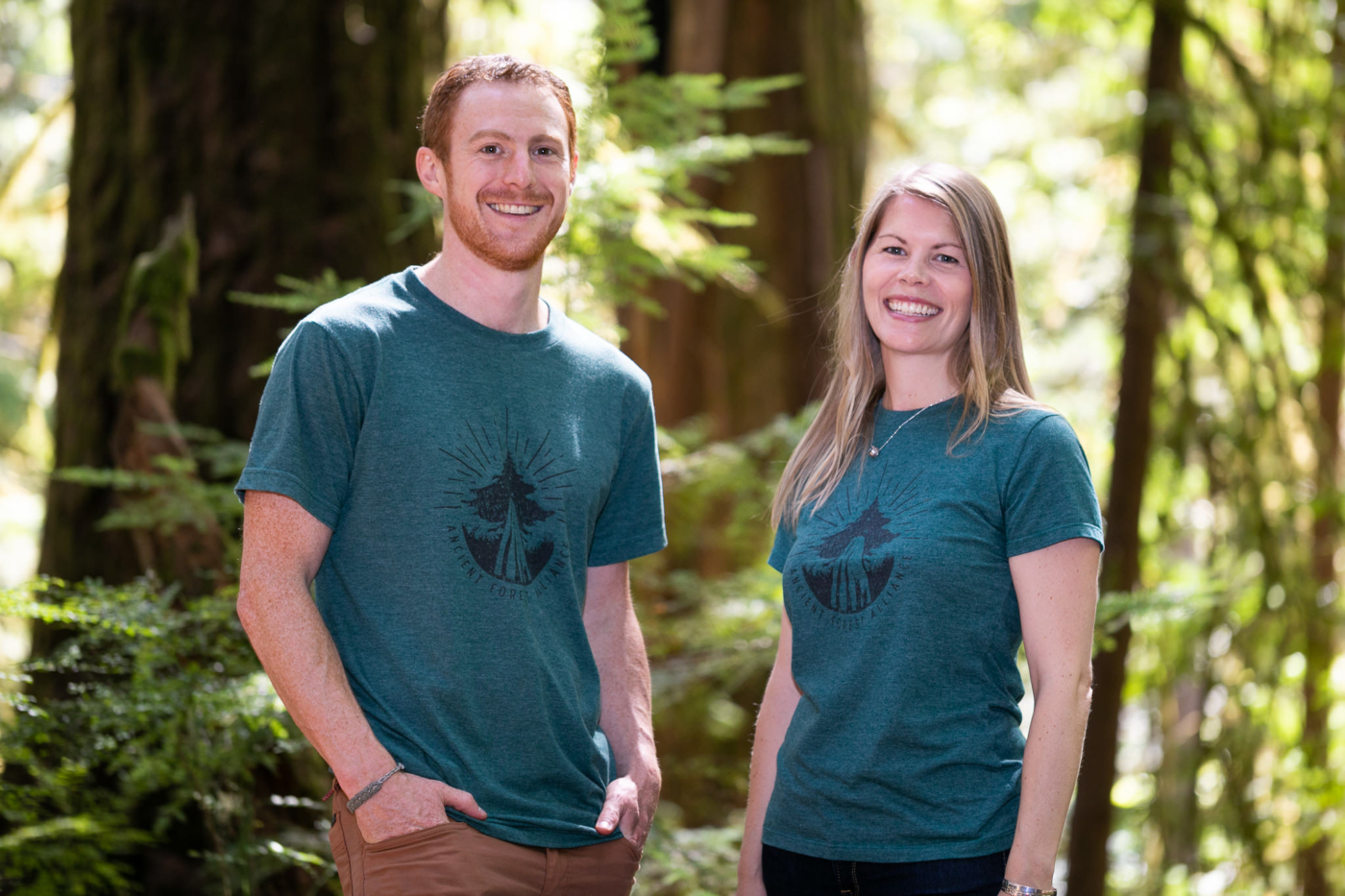
Design AFA’s Next T-Shirt and Help Protect Old-Growth Forests!
Calling all artists! For Earth Month, AFA is launching our first-ever Community T-Shirt Design Contest.
https://staging.ancientforestalliance.org/wp-content/uploads/2026/04/AFA-T-Shirt-Green-Mens-Womens.jpg
1365
2048
TJ Watt
https://staging.ancientforestalliance.org/wp-content/uploads/2026/05/Ancient-Forest-Alliance-logo.svg
TJ Watt2026-05-15 08:13:232026-05-19 09:33:44Design AFA’s Next T-Shirt and Help Protect Old-Growth Forests! Donate
 Send a Message
The Difference Between Old-Growth and Second-Growth Forests
/in EducationalSpot the difference between old-growth and second-growth forests ??
Pretty simple, eh?
The secret ingredient in an old-growth forest is time. Old-growth forests in BC are highly complex ecosystems that have grown and evolved over centuries to millennia. They store vast amounts of carbon in the trunks of large trees and in their soils. They’re also home to a wide range of unique species, many of which depend on these forests for their very survival.
Second-growth tree plantations may look green on the outside but are often brown and sparse on the inside, as their dense canopies shade out sunlight from the forest floor. These “tree farms” lack the structural diversity needed to support many of the species that depend on old-growth forests. Under BC’s current forestry system, second-growth forests are typically relogged every 50 years, never given the chance to become old-growth again.
Rather than deforestation, this conversion is known as “forest degradation,” in which complex primary forests are replaced by simplified tree plantations that do not replicate the ecological values of ancient forests.
Beyond the environmental impacts, the loss of ancient forests contributes to generational amnesia, where each new generation inherits a world that’s different from the one before but comes to accept it as the new normal. Often, the only evidence of the once-grand forests that existed here are the monumental stumps hidden among the hillsides.
Today, after more than a century of industrial logging, we’ve lost over 80% of the productive old-growth forests on Vancouver Island and well over 90% of the valley bottoms where the biggest trees grow and the richest biodiversity is found.
We must ensure the remaining, irreplaceable, endangered ancient forests receive the protection they deserve.
? Take action HERE today.
Province Expands BC Timber Sales Logging Powers Without Addressing Old-Growth Protection
/in Media ReleaseVictoria, BC — New legislative changes to BC Timber Sales (BCTS) – the government’s own logging agency – increase logging rates while failing to protect the most at-risk old-growth ecosystems. Ancient Forest Alliance (AFA) and Endangered Ecosystems Alliance (EEA) warn that the changes could be setting the stage for logging in conservation reserves under the guise of wildfire risk reduction.
The province says the changes introduced through Bill 14 will increase access to timber through expanding contract opportunities for logging framed as salvage operations and wildfire risk reduction by as many as 17,700 truckloads, or 800,000 cubic metres. However, the amendments do not include any guidance or support measures to prevent logging in endangered old-growth forests.
“Simply ramping up the rate of logging by BC Timber Sales without also taking proactive steps to ensure at-risk old-growth forests are protected is a recipe for disaster. BCTS has a track record of logging some of the grandest and most endangered ancient forests, including those in places like the Nahmint Valley, where numerous cutblocks are still planned,” said TJ Watt, Campaign Director and Photographer with AFA. “In addition, logging under the guise of salvage operations and wildfire risk reduction has also been used extensively in this province to log healthy endangered trees and forests on a vast scale.”
Ancient Forest Alliance photographer and campaign director TJ Watt stands beside an ancient western redcedar before and after it was cut down by BC Timber Sales in the Nahmint Valley near Port Alberni in Hupačasath, Tseshaht, and Yuułuʔiłʔatḥ First Nation territory.
Combined with past comments from Minister of Forests Ravi Parmar about the need for “active management” in conservation reserves such as Old-Growth Management Areas, Bill 14’s expansion of opportunities for commercial logging framed as wildfire risk reduction raises concern that conservation reserves and protected areas could become targets for for-profit logging. The BC Ministry of Environment and Parks previously confirmed to AFA and EEA that provincial parks are off-limits to commercial logging in June of 2025.
“There is widespread concern that commercial (for-profit) logging, under the guise of wildfire risk reduction, will be the Trojan horse into logging forests set aside to protect biodiversity, like Old Growth Management Areas and Wildlife Habitat Areas, and at some point, even in legislated protected areas,” said Issy Turnill, AFA Campaigner. “This is an absolute no-go. Minister Parmar needs to allay public concerns and unequivocally state that protected areas and conservation reserves will not be targets of any commercial logging.”
The province also claims Bill 14 will benefit value-added manufacturers. However, AFA and EEA argue BCTS must allocate a greater share of its timber, beyond the current 20%, to value-added producers to support jobs and economic stability from second-growth stands.
“Our organizations fully support a swift transition to sustainable, value-added, and modernized second-growth forestry, while protecting endangered old-growth. BCTS has the best opportunity to lead that second-growth transition, but continuing to log forests with 500-1000 year old trees is in no way renewable or sustainable,” explains Watt.
While the province highlights that these changes to BCTS bring new partnership opportunities with First Nations, it has not yet committed to providing deferral or “solutions-space” funding to meet the interim financial needs of First Nations who forgo logging revenues when implementing old-growth logging deferrals.
This funding need was recently reiterated by the former Technical Advisory Panel (TAP), appointed by the BC government to identify old-growth for potential protection, who say the province is now failing to save old-growth. Roughly 1.3 million hectares of the most at-risk old-growth forests in BC identified for immediate deferral from logging by the TAP remain unprotected today and are under threat from BCTS.
“The province is well aware of what is needed to secure the remaining old-growth logging deferrals. Solutions-space funding is the missing piece. Without this crucial interim support, many First Nations face significant financial barriers to approving deferrals. As a result, irreplaceable ecosystems with centuries-old trees continue to be logged, including by the government’s own logging agency, BC Timber Sales,” explains Turnill.
Ancient Forest Alliance photographer and campaign director TJ Watt stands beside the fallen remains of an ancient western redcedar approximately 9 feet (3 metres) wide, cut down by BC Timber Sales in the Nahmint Valley near Port Alberni in Hupačasath, Tseshaht, and Yuułuʔiłʔatḥ First Nation territory.
While foregrounding their concerns, AFA and EEA acknowledge Bill 14 gives the government clearer authority to apply stronger licence conditions where appropriate, which could support improved forest stewardship depending on how those tools are used. Practices like commercial thinning can support jobs and, in some cases, can also help facilitate the transition of second-growth forests to acquire certain characteristics of old-growth forests more quickly, while supporting the transition toward a more sustainable, second-growth forest industry.
However, without clear direction on where the wood of value-added manufacturers will be sourced from, whether second-growth or old-growth, BCTS risks reinforcing the destructive status quo.
“The BC government has both the opportunity and the responsibility to implement bold policy changes through BC Timber Sales, its own logging agency, that reflect the province’s stated commitments to conservation. Conversely, if BCTS continues to auction off the last of the most endangered old-growth forests in the province, it will continue to severely undermine the province’s environmental credibility – for which they will face increasing consequences,” said Ken Wu, Executive Director of the EEA.
In their April 2025 submission to the BC Timber Sales review, AFA and EEA recommended to the province to prohibit cutblocks in the most at-risk old-growth forests identified by its own science panel, to provide conservation funding to support First Nations-led stewardship and Indigenous Protected and Conserved Areas within BCTS operating areas, and to ensure that logging deferrals are strengthened through field verification, like-for-like replacement of deferred stands, and transparent public reporting. The organizations also called for deferrals to remain in place until First Nations have made land-use decisions, rather than allowing logging to proceed by default. Full details of our recommendations are available here. None were included in the final 54 recommendations to BCTS.
NOW HIRING: Canvass Director
/in EmploymentThe Ancient Forest Alliance (AFA) is hiring an interim Canvass Director to drive our fundraising and awareness-raising efforts in Victoria.
Duration: Full-time interim (approximately 32 hrs/week), temporary staff position for parental
leave; 12 months up to 18 months.
Location: Victoria; office-hybrid model; in the community.
Hours: Flexible with canvass hours Mon to Thurs from ~ 4pm-10pm. Occasional Fridays and
weekend hours
Compensation: $49,800 to 51,850 in relation to skills and experience.
Estimated application deadline: Posting will remain open until the right candidate is found.
Early applications are encouraged.
Anticipated start date: May 4, 2026
Position Overview
The Ancient Forest Alliance (AFA) is seeking a dedicated Canvass Director to drive our fundraising and awareness-raising efforts in Victoria. This natural leader and confident communicator will manage a stellar team of door-to-door canvassers and coordinate various outreach activities.
The Ancient Forest Alliance is BC’s foremost non-profit focused solely on old-growth forest protection. Built on grassroots outreach and fundraising, we rely on our teams of passionate fundraisers to sustain our campaigns and have a strong track record of success over our
sixteen-year history as a result. We have successfully campaigned to protect outstanding old-growth forests like Avatar Grove near Port Renfrew and Echo Lake near Mission and have reached tens of thousands of British Columbians through our outreach efforts. We campaign for province-wide legislation to protect endangered old-growth forests while also ensuring a sustainable, second-growth forestry industry.
Key Responsibilities
donors and supporters door-to-door.
Essential Skills and Aptitudes
If you are passionate about protecting BC’s ancient forests, enjoy self-directed work, and are committed to educating others about critical environmental issues, then we want to hear from you!
How to Apply
We thank all applicants for the diversity, skill, and experience they offer; only those candidates selected for an interview will be contacted.