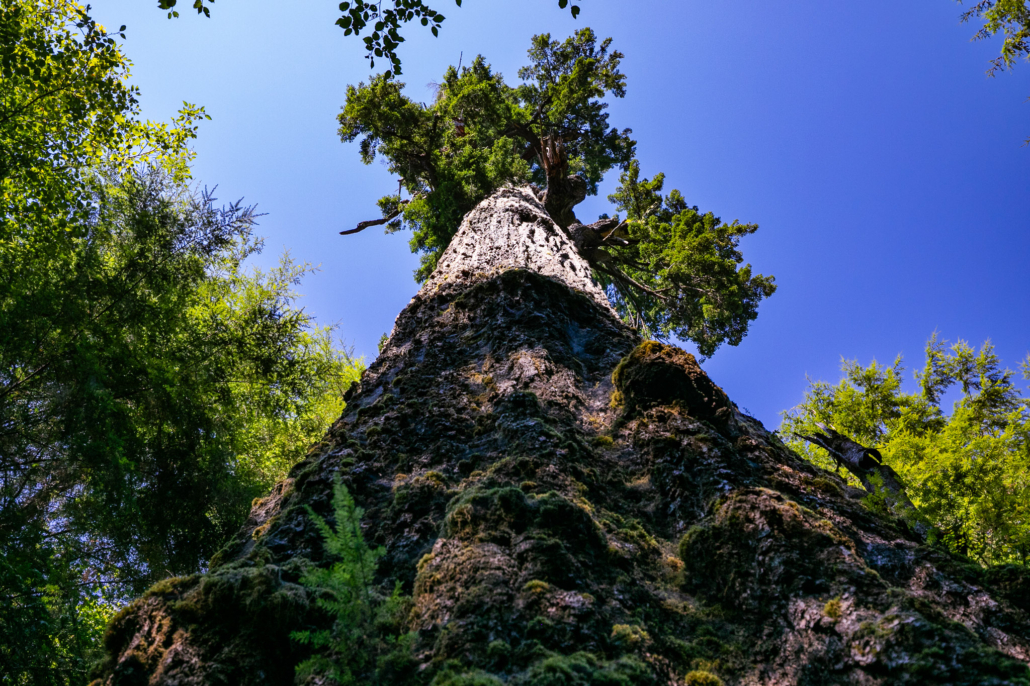
UPDATED: Port Renfrew Big Trees Map
Explore the updated Port Renfrew Big Trees Map with new directions, trails, and routes to iconic giants like Big Lonely Doug, Eden Grove, and more.
https://staging.ancientforestalliance.org/wp-content/uploads/2025/05/13-Red-Creek-Fir.jpg
1365
2048
TJ Watt
https://staging.ancientforestalliance.org/wp-content/uploads/2026/05/Ancient-Forest-Alliance-logo.svg
TJ Watt2026-05-29 15:39:342026-05-29 15:40:49UPDATED: Port Renfrew Big Trees Map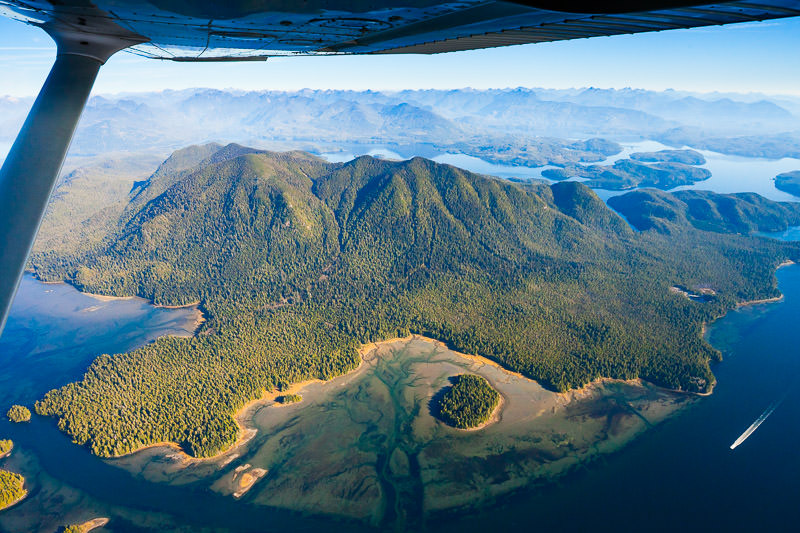
NEW! West Coast Old-Growth Hiking Guide
Explore AFA’s NEW West Coast old-growth hiking guide. From Clayoquot Sound to Port Alberni, there are trails for every skill level!
https://staging.ancientforestalliance.org/wp-content/uploads/2026/05/meares-island-big-tree-trail-tofino-1200px-338.jpg
533
800
TJ Watt
https://staging.ancientforestalliance.org/wp-content/uploads/2026/05/Ancient-Forest-Alliance-logo.svg
TJ Watt2026-05-29 12:06:002026-05-29 15:42:38NEW! West Coast Old-Growth Hiking Guide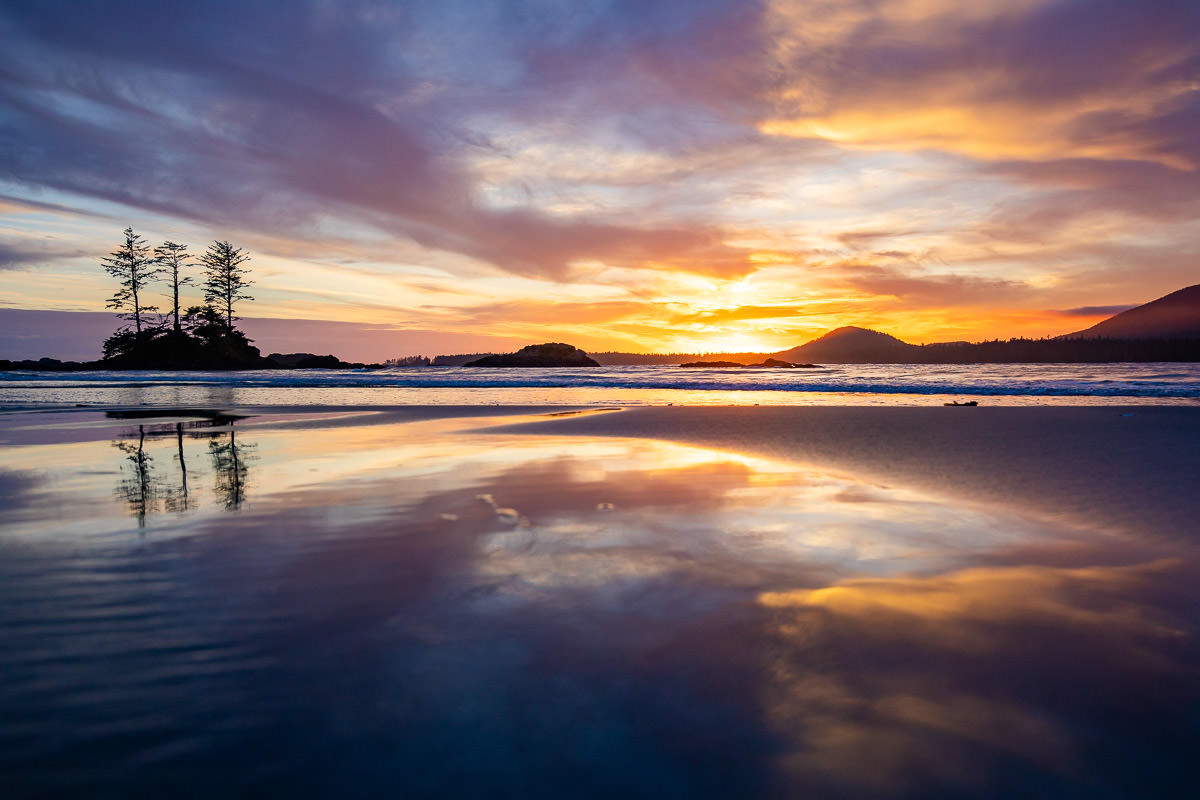
Now Hiring: Contract Graphic Designer!
Ancient Forest Alliance is hiring a contract Graphic Designer to help bring our campaigns to life through print and digital materials.
https://staging.ancientforestalliance.org/wp-content/uploads/2026/05/flores-island-wildside-trail-1200px-430.jpg
800
1200
TJ Watt
https://staging.ancientforestalliance.org/wp-content/uploads/2026/05/Ancient-Forest-Alliance-logo.svg
TJ Watt2026-05-22 12:22:292026-05-22 12:22:29Now Hiring: Contract Graphic Designer!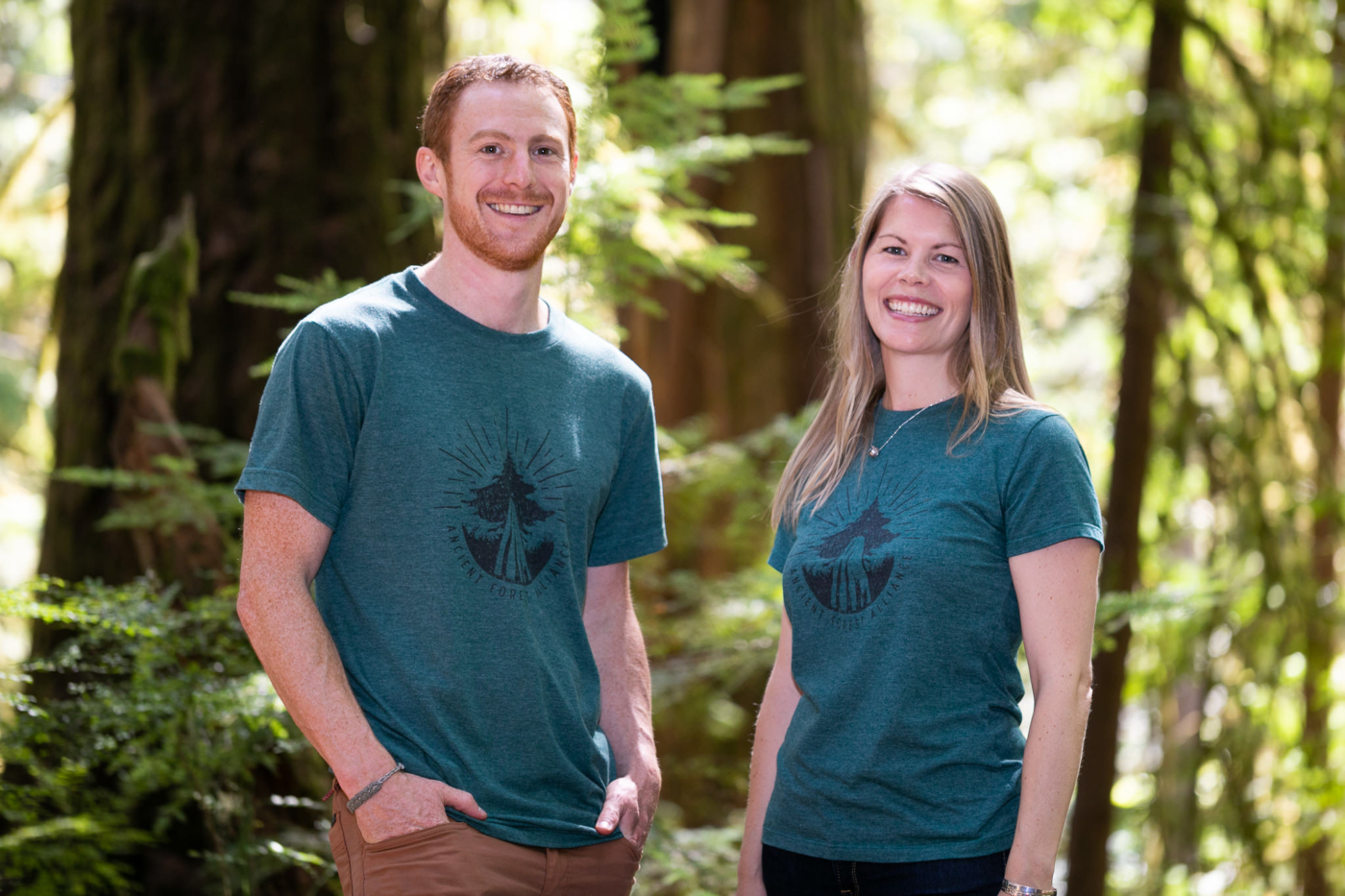
Design AFA’s Next T-Shirt and Help Protect Old-Growth Forests!
Calling all artists! For Earth Month, AFA is launching our first-ever Community T-Shirt Design Contest.
https://staging.ancientforestalliance.org/wp-content/uploads/2026/04/AFA-T-Shirt-Green-Mens-Womens.jpg
1365
2048
TJ Watt
https://staging.ancientforestalliance.org/wp-content/uploads/2026/05/Ancient-Forest-Alliance-logo.svg
TJ Watt2026-05-15 08:13:232026-05-19 09:33:44Design AFA’s Next T-Shirt and Help Protect Old-Growth Forests! Donate
 Send a Message
Canada’s Largest Spruce Tree – The San Juan Spruce!
/in Announcements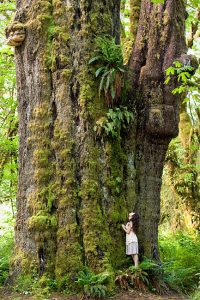
Seen here is the San Juan Spruce tree. It is Canada’s largest Sitka spruce tree and the second largest in the world! It grows on Vancouver Island alongside the San Juan River about 35 minutes from Port Renfrew, BC. The towering tree measures 38.3′ in circumference, reaches 205′ tall, and has a crown spread of 75′. By volume it contains 333 cubic meters of wood which is equal to 333 telephone poles!
Despite all of this the tree and surrounding forest has not been afforded any legislated protection from the BC Liberal government. We are calling on the province to protect the area of forest, both old-growth and second growth, from the San Juan Spruce to the nearby Red Creek fir.
GPS Location for the tree is:
lat = 48.5879222222,
lon = -124.186630556
Losing legacies in the cut block
/in News Coverage“They aren’t logging old-growth anymore, are they?” This is one of the most common questions I hear when I talk to people about protecting B.C.’s endangered ancient forests. The sad reality is that here in B.C., we are still cutting down trees that started growing at the time of the Battle of Hastings in 1066 and were already 500 years old when Columbus “discovered” North America. B.C.’s ancient forests — on crown, or public land, and in the most critical ecosystem types and wildlife habitat — are still being devastated by logging. The Ancient Forest Alliance — an organization that supports grassroots activists, including the Ancient Forest Committee here at SFU — has been exploring the back roads of B.C., finding unprotected groves and recently clear-cut valleys in order to raise public awareness about the continued logging of old-growth. Early this year, a fellow old-growth forest campaigner, exploring the Gordon River valley on Vancouver Island, found a valley-bottom cut block full of newly cut stumps, many of which would take over 15 people to surround! A forest that would have been like something out of a fantasy was destroyed in a few weeks, reduced to . . . well, probably matchsticks. This is going on as we speak in B.C.’s “back stage” — something so unthinkable that even when I am standing there talking about protecting old-growth forests, people will ask, “Protecting them from what?”
A delicate balance
Unlike the younger, second-growth forests that develop from tree plantations, old-growth forests, largely undisturbed by industrial logging, have developed for hundreds of years into complex ecosystems connecting many different forms of life. The trees vary in age and height and grow farther apart, letting sunlight in through the canopy to the forest floor, where a rich understory can grow and provide food and shelter to many species. Big mossy tree limbs provide tree-top nesting platforms for an old-growth dependent seabird, the marbled murrelet. Dead and decaying wood also provides habitat for many species, and mechanisms within the forest act to filter water and store atmospheric carbon, which, if released, would contribute to climate change. Stepping into an old-growth forest feels like walking into a natural cathedral.
The industry digs own grave
The other side to this argument is one we hear all the time: “Old-growth logging is necessary . . . forestry is the backbone of B.C.’s economy.” But although it certainly boosts corporate profit, old-growth logging does little for the forestry workers who depend on the industry’s sustainability for their livelihood. How could using up the last of a resource that takes many hundreds of years to re-grow — if at all — be sustainable? The majority of forestland on Vancouver Island and the southwest coast is second-growth, offering the potential for a sustainable second-growth industry in these areas. Yet the government foolishly adopts the rhetoric that old-growth logging is sustainable, even as they stand by the logging of Vancouver Island’s last 10 per cent of productive valley-bottom old-growth and last one per cent of coastal dry Douglas Fir old-growth. Ironically, the main threats to forestry jobs lie in the industry itself, including the overcutting and elimination of old-growth, especially in lower elevation, more accessible areas. Furthermore, as ancient forests are logged to extinction, most sawmills in B.C., designed for old-growth rather than smaller second-growth logs, are being shut down by the B.C. government rather than being re-tooled to accept smaller logs. This government’s support for exporting logs rather than re-tooling sawmills is basically supporting the exporting of jobs while requiring even more trees to be cut.
Logging of our ancient forests is a luxury that can’t be sustained. Companies are not committed to sustainable jobs or habitats — what they are committed to is short-term corporate profit, and our old-growth forests are the price we are involuntarily paying for that. The B.C. Liberal government is continuing to hand over logging rights to large-scale logging companies — basically, the right to convert our public land to tree farms, to devastate our ecosystems and deplete a crucial and unique resource. We have seen this happen so many times in history . . . the collapse of the Atlantic cod stocks to name just one instance. Will we stand around and watch it happen again?
Tricks with numbers
Pat Bell, minister of forests and range, recently announced that we have more old-growth now that we have had in the past! Should we be reassured that this government is working miracles by growing thousand-year-old trees in mere decades? Or should we wonder if something is fishy about the statistics behind this claim? The government has stated again and again that there is still plenty of old-growth left and that much is still protected. But what they are including in these claims of abundant old-growth and generous protection is low-productivity old-growth — the tiny alpine trees and shore pine bog trees that are old but tiny, and definitely not sought out for logging . . . at least not yet. Of course the government is not logging all of this low-productivity old-growth, and of course they can easily protect it without a thought to industry demands — do they need to be commended for this? Only about 10 per cent of Vancouver Island’s original, productive old-growth is protected, and only about 25 per cent of the original productive old-growth is left (10 per cent if we count only productive valley-bottom old-growth, where we find the biggest trees and most biodiversity). Basically, there is very little left, and much in need of protection!
Legacies in the forest
Coastal First Nations cultures in B.C. have to a large extent co-evolved and co-existed with coastal old-growth forests, and this ecosystem remains central to many First Nations peoples along the coast, for the uses provided by the trees themselves — for canoes and totem poles — and for the support old-growth provides to salmon and other species. While there is interest among some First Nations in logging old-growth forests in certain areas, many support land-use plans calling for increased protection for old-growth. For instance, the Squamish First Nations pushed the B.C. Liberal government to establish new provincial conservancies in their “Wild Spirit Areas” in the Elaho and Sims Valleys, and these areas are now protected through new legislation.
The last of the last
There were times in history when it seemed perfectly acceptable to look out across the land and claim that there was more than we could ever take. We are past that time. We should have learned by now — we have taken too much before, and we are still taking too much. This is not an issue of the environment versus jobs; it is an issue of survival versus corporate profit. Logging endangered old-growth is not sustainable for our jobs, our children’s jobs, our futures, or those of the next generations.
The fact that we are one of the only places on the planet that still has ancient temperate rainforests such as these is both a gift and a responsibility. While appreciating the beauty and ecological importance of these forests, we must also recognize the threats that they face, and the need to act for their protection.
What do we want?
The B.C. Liberal government has recently implemented new protected areas on Vancouver Island, amounting to around 10 per cent of the remaining endangered ancient forests on the island. This is an important first step, and one that should be commended. However, there is so little left in endangered areas such as Vancouver Island that we need to keep demanding that the remaining 90 per cent of the island’s endangered ancient forests be protected, along with sustainable logging of second-growth that makes up much of the rest of forestland on the island. As well, we need to ask for a provincial old-growth strategy that would inventory old-growth in the province and protect it where it is most scarce. Along with these demands we are also asking for a ban on the export of raw logs to make sure that as many jobs as possible are provided for the amount of wood that is cut.
We are not asking for a change overnight, but a guarantee of protection measures in the most critically endangered habitats (Vancouver Island, the Lower Mainland and the southern Interior), which would include specific timelines to allow for transitions in the industry to take place — from immediate protection in the most endangered areas to a few years’ transition time in other endangered areas.
A new campaign
The Ancient Forest Alliance is currently launching a 100,000 Strong for Ancient Forests and B.C. Forestry Jobs campaign, aiming to get 100,000 signatories calling for an end to the logging of B.C.’s endangered ancient forests and a ban on raw log exports. You can help to reach this goal by signing the online petition and downloading copies for others to sign, at ancientforestpetition.com
Tangible solutions
Solutions to issues as complex as this must be reached through a variety of measures. To reach these goals, we engage in actions such as petitions, public outreach events (like hikes or slideshows), rallies, and protests. We also encourage people who support this cause to engage with their political representatives and the general public. Let others know about this campaign. Write letters to your local politician, to Premier Gordon Campbell, and to the Minister of Forests and Range, Pat Bell. Writing letters and asking for change from politicians may seem ineffective, but politicians know that each letter represents hundreds of people who feel the same way yet don’t act. In fact, pressure to get with the program may be easier than expected, especially in certain political ridings around SFU. Two MLAs in Burnaby (MLA Richard Lee in Burnaby-North and Harry Bloy in Burnaby-Lougheed) are in power by only a few hundred votes (548 for Richard Lee and 696 for Harry Bloy). Public voices (especially from SFU students, many of whom are in their ridings) will have much sway on their fragile balance of power, and their readiness to enact such policy changes.
Clearcuts blamed in First Nation flooding
/in News CoverageKINGCOME INLET – Clearcut logging and a receding glacier were pinpointed Tuesday as probable contributors to a devastating flood which swept through the remote First Nations community of Kingcome Inlet last month.
Indian Affairs Minister John Duncan and First Nations leaders, who converged on the village to take a first hand look at the damage, said a helicopter trip up the Kingcome River Valley was startling.
“Right at the glacier is an obvious unravelling of the slopes,” said Duncan,
who announced financial help adding up to $770,000 and said a key part of
the recovery plan will be a full hydrological assessment of the valley.
“I was expecting to see a significant event. What I wasn’t expecting was to
follow mud all the way to the headwaters and major, significant issues at
the head of the glacier,” said Duncan, adding that there will be no quick
fix.
Assembly of First Nations National Chief Shawn Atleo said the situation up
the valley means the community will remain vulnerable.
“It has been severely impacted by decades of clearcut logging and, at the
head of the glacier, I saw a torrent of mud and debris,” he said.
Increased monitoring will be necessary once residents return to the village
and one of the priorities will be ensuring the helicopter pad is usable at
all times, Duncan said.
Helicopters provided the only way out for about 120 residents when water
quickly rose up to four metres in parts of the village.
Wayne Goodridge, a pilot for West Coast Helicopters, the first to fly in
amid the flooding, said water was rising so fast it was uncertain whether
the helipad behind the school would remain usable.
“It was up to almost the top of the helipad – almost 15 feet. If it had gone
on any longer we would have been plucking them off the rooftops,” he said.
Apart from a handful of members of the Dzawada’enuxw First Nation who stayed when the water rose, most are now evacuated to Alert Bay, where residents are staying with friends and relatives.
In Kingcome Inlet, porches and steps have been knocked off homes, which are built on stilts to withstand regular, smaller floods. Mud fills crawl spaces and propane tanks lie at drunken angles.
Even though many electric meters were underwater, power has stayed on and Tuesday, as assessors and electrician pored over wiring and looked at other safety issues, Duncan said repair work could start on many of the homes.
“The sooner we can get people back in the community the better we will be.
Band council chairman Joe Willie said that although people are anxious to
get home, he is not yet sure it is safe.
Willie said he is pleased with support being offered by the federal
government, but the immediate offer of $100,000 for assessments and social
services help and $20,000 per house is not likely to go far. “We are an
isolated place and it costs a lot of money just to get materials in,” he
said. “Only one barge has agreed to come up the river. The rest wouldn’t
risk coming up the river.”
Although the river level has dropped, debris has collected in different
areas, creating hazards for boats. The small boats travelling the muddy
river take passengers to an open area of Broughton Archipelago to get on a
larger vessel.
The federal government is investigating building a road into the area and
about $900,000 has been spent on engineering costs, Duncan said.
Others would like to see logging companies, which have taken so much out of the area, help pay for some of the flood costs. Dave Darwin, who looks after Kingcome Inlet’s power, said the valley bottom was first stripped of all its old growth trees and then logging companies clearcut beside the main river and the tributaries. The river can no longer meander as it used to, he said.
“Maybe we can get some environmental group to finance a lawsuit,” he said.
Chief Bob Chamberlin, Musgamagw-Tswataineuk Tribal Council chairman, said the provincial government has some responsibility because it oversees
forestry. “The provincial government has enjoyed unlimited revenue from this place with no return to the First Nation that holds title. I think that
would be an interesting conversation,” he said.
However, the immediate concern has to be those driven from their homes,
Chamberlin said. “It has been 17 days now and every day we wait it’s going
to get worse,” he said. “There are 30 children displaced from their homes
and their community and we need to make proper plans.”