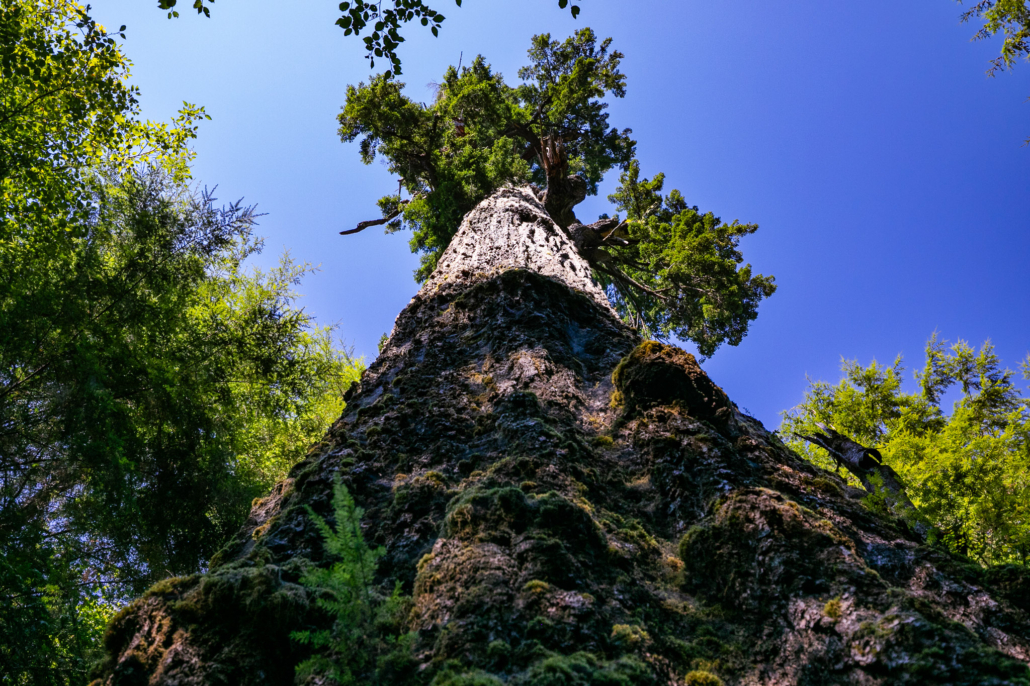
UPDATED: Port Renfrew Big Trees Map
Explore the updated Port Renfrew Big Trees Map with new directions, trails, and routes to iconic giants like Big Lonely Doug, Eden Grove, and more.
https://staging.ancientforestalliance.org/wp-content/uploads/2025/05/13-Red-Creek-Fir.jpg
1365
2048
TJ Watt
https://staging.ancientforestalliance.org/wp-content/uploads/2026/05/Ancient-Forest-Alliance-logo.svg
TJ Watt2026-05-29 15:39:342026-05-29 15:40:49UPDATED: Port Renfrew Big Trees Map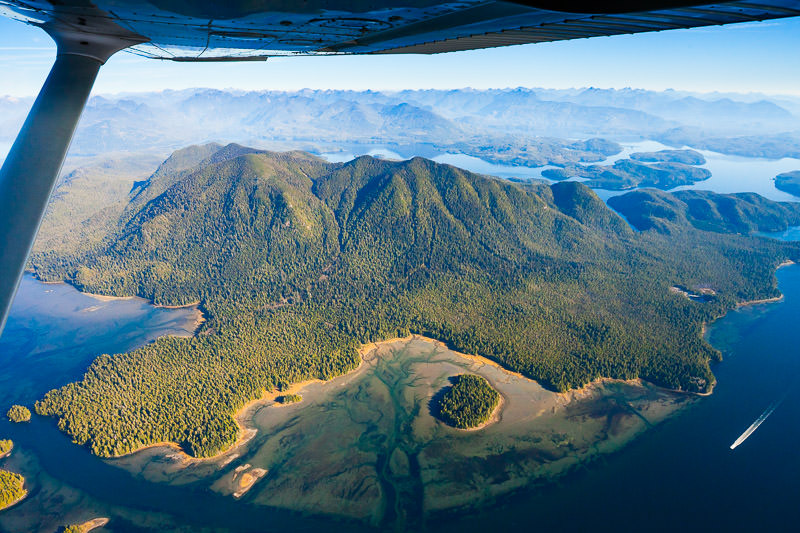
NEW! West Coast Old-Growth Hiking Guide
Explore AFA’s NEW West Coast old-growth hiking guide. From Clayoquot Sound to Port Alberni, there are trails for every skill level!
https://staging.ancientforestalliance.org/wp-content/uploads/2026/05/meares-island-big-tree-trail-tofino-1200px-338.jpg
533
800
TJ Watt
https://staging.ancientforestalliance.org/wp-content/uploads/2026/05/Ancient-Forest-Alliance-logo.svg
TJ Watt2026-05-29 12:06:002026-05-29 15:42:38NEW! West Coast Old-Growth Hiking Guide
Now Hiring: Contract Graphic Designer!
Ancient Forest Alliance is hiring a contract Graphic Designer to help bring our campaigns to life through print and digital materials.
https://staging.ancientforestalliance.org/wp-content/uploads/2026/05/flores-island-wildside-trail-1200px-430.jpg
800
1200
TJ Watt
https://staging.ancientforestalliance.org/wp-content/uploads/2026/05/Ancient-Forest-Alliance-logo.svg
TJ Watt2026-05-22 12:22:292026-05-22 12:22:29Now Hiring: Contract Graphic Designer!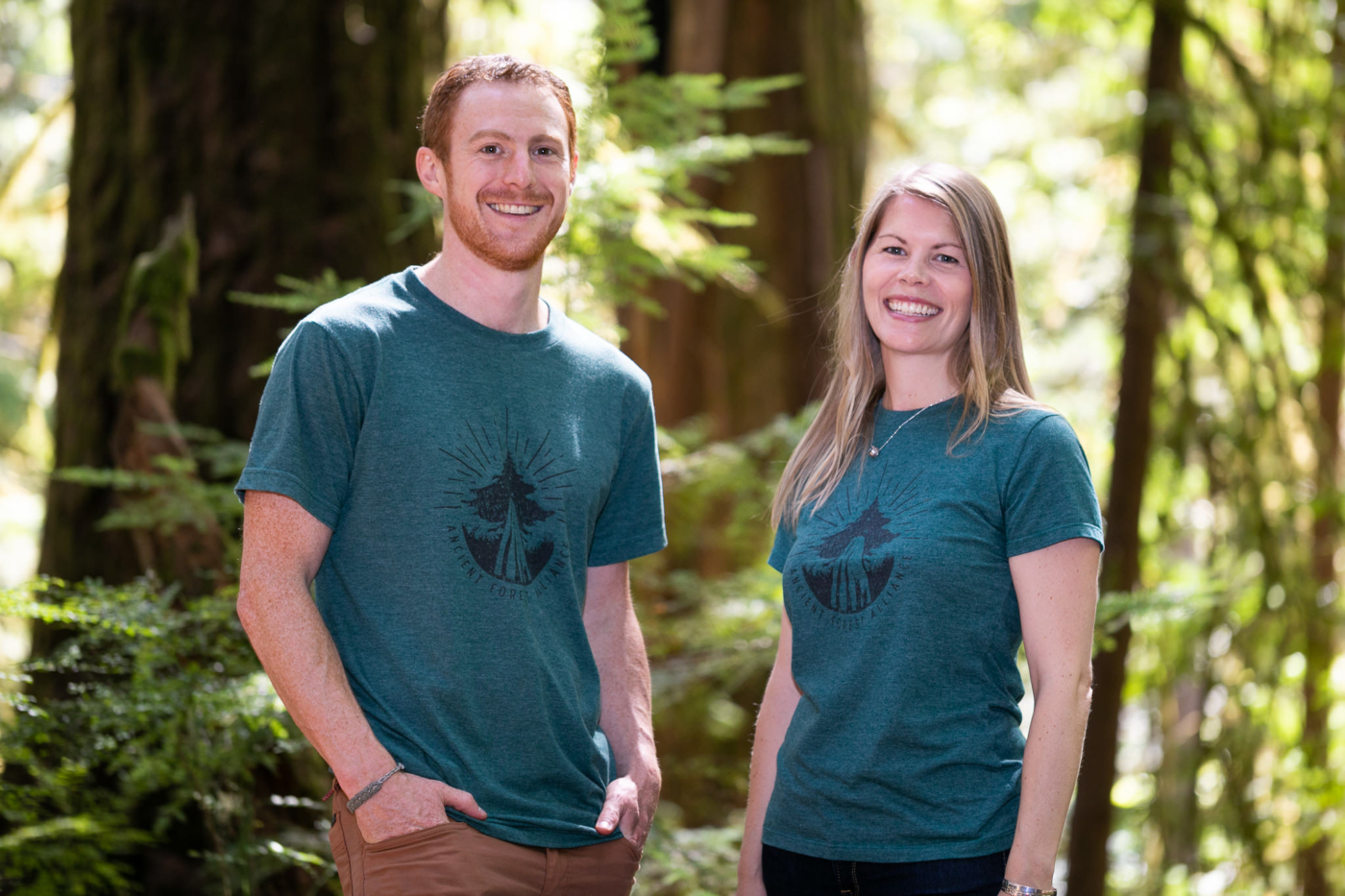
Design AFA’s Next T-Shirt and Help Protect Old-Growth Forests!
Calling all artists! For Earth Month, AFA is launching our first-ever Community T-Shirt Design Contest.
https://staging.ancientforestalliance.org/wp-content/uploads/2026/04/AFA-T-Shirt-Green-Mens-Womens.jpg
1365
2048
TJ Watt
https://staging.ancientforestalliance.org/wp-content/uploads/2026/05/Ancient-Forest-Alliance-logo.svg
TJ Watt2026-05-15 08:13:232026-05-19 09:33:44Design AFA’s Next T-Shirt and Help Protect Old-Growth Forests! Donate
 Send a Message
SAVE OUR CLIMATE AND ANCIENT FORESTS!
/in AnnouncementsThe ANCIENT FOREST ALLIANCE’s Special INFO NIGHT, CELEBRATION, and FUNDRAISER!
Please support the new organization in its crucial, formative first year! See great speakers, have a drink, meet other supporters, and make a donation if you can!
Elizabeth May, John Horgan, Ken Wu, TJ Watt, Adriane Carr, Jens Wieting, and other speakers…
TUESDAY, NOV. 30, 2010
Ambrosia Centre,
638 Fisgard St.,
VICTORIA, BC
7:00- 8:00 pm Presentations and Slideshows! (FREE)
8:00-9:00 pm Fundraiser, Drink, and Socialize! (Donations during the pledge auction…)
Confirm and invite others on Facebook at: https://www.facebook.com/event.php?eid=143700762345115&index=1
BC’s old-growth forests are vital for mitigating climate change by storing far more carbon per hectare than the second-growth tree plantations that replace them.
Conversely, climate change is destroying our old-growth forests by killing more trees through intensified winter storms, droughts, and disease.
With Stephen Harper recently killing Canada’s only climate change legislation through the unelected Conservative Senate just before the UN Climate Summit begins in Mexico (the follow-up to last year’s Copenhagen summit) and with the BC Liberal government still contending with a straight face that “we have more old-growth forests today than we did historically” (Forest Minister Pat Bell on the “Voice of BC” in September), we SERIOUSLY must expand the movement for our forests and climate!
The Ancient Forest Alliance, a new organization launched in January of this year, has grown by leaps and bounds with thousands of supporters. We‘re almost 1 year old and if we are to sustain and expand our campaign into a more powerful provincial force, we need YOUR support!
We’ve organized numerous hikes, expeditions (including finding the Avatar Grove), slideshows, rallies, and petition drives, brought on board many new allies, and garnered a huge amount of provincial and national media coverage on our campaigns. See some of what we’ve done at: www.ancientforestalliance.org/news.php
But we need YOUR help to keep going and growing!
PLEASE COME OUT and INVITE FRIENDS and FAMILY to JOIN US!
So…
In the 1st Hour: Hear some of Canada’s MOST ACCOMPLISHED long-time forest activists and see a truly SPECTACULAR SLIDESHOW
In the 2nd Hour: We hope you stay for this, to donate during the PLEDGE AUCTION, along with having a drink or two (if you stay you get a FREE drink ticket for the bar if you’re 19 or older) and SOCIALIZING with the other supporters and AFA activists from Victoria and Vancouver.
Here is a list of the evening’s presentations. Each will be quite brief:
“Ecology and Politics of BC’s Ancient Forests, the spectacular Avatar Grove, and the First Year of the Ancient Forest Alliance,” spectacular slideshow by TJ Watt and Ken Wu of the Ancient Forest Alliance
“The UN Climate Summit in Cancun, Stephen Harper’s sabotage of Canada’s Climate Bill, and Prospects for Climate Progress,” by Elizabeth May, Author of “At the Cutting Edge: The Crisis in Canada’s Forests” and co-author of “Climate Change for Dummies”, former executive director of the Sierra Club of Canada, and current national leader of the Green Party of Canada
“BC’s Climate and Forests Campaign: The push for forest protection and climate conservation areas in BC”, by Jens Wieting, Sierra Club of BC coastal forest coordinator.
NDP MLA John Horgan with also speak on his support for saving the ancient forests of the Avatar Grove!
“Grassroots movements and environmental activism: Some lessons from the 1980’s and ‘90’s”, by Adriane Carr, former Wilderness Committee executive team member and Clayoquot Sound campaigner and deputy Green leader of Canada
Adriane will also be the Pledge Auctioneer to help us raise funds that night! (she’ll explain how a Pledge Auction works)
For more info contact the Ancient Forest Alliance at info@ancientforestalliance.org
Scientists Urge Canada to Protect Its Northern Rainforests as Climate Change Insurance
/in News CoverageVancouver – A new book released this week highlights the urgent need to protect Canada’s more than 20 million hectares of pristine temperate and boreal rainforests. Found in British Columbia, Newfoundland, Quebec, and New Brunswick, these globally important rainforests absorb and store vast amounts of carbon. Scientists argue that protecting these rainforests is a critical insurance against climate change and are calling on the Canadian government to take this message to the upcoming global conference on climate change.
The announcement comes as the Conference of the Parties (COP) to the United Nation’s Framework Convention on Climate Change (UNFCC), of which Canada is a member, prepare for the sixteenth conference on climate change in Cancun, Mexico (https://unfccc.int/2860.php), following up on last year’s global summit in Copenhagen. Deforestation contributes more than the entire global transportation system in release of dangerous greenhouse pollutants.[1] Though governments are working on ways to reduce these emissions through a United Nations collaborative program[2] (called REDD plus), the program is aimed only at deforestation in developing countries and does not include temperate and boreal rainforests that are the world’s forgotten rainforests due to ongoing logging. The United Nations also has declared 2011 “International Year of Forests,” calling on nations to celebrate forests and open dialogue on how to sustainably manage them[3].
The appeal to government representatives at the climate change summit is part of a new book edited and co-authored by Dominick DellaSala, Chief Scientist of the U.S. based Geos Institute (www.geosinstitute.org) titled “Temperate and Boreal Rainforests of the World: Ecology and Conservation”(for press access to the book: https://bit.ly/cU5mY9). According to DellaSala, “Canada’s rainforests cleanse the air, purify drinking water, provide unparalleled hunting and fishing opportunities, and store vast amounts of carbon in giant trees, dense foliage, and productive soils. When these rainforests are cut down, much of their carbon is released to the atmosphere as carbon dioxide where it contributes to dangerous global warming. We have to stop treating these rainforests as if they stop at international boundaries and begin working together on our shared conservation interest.”
Canada’s rainforests include such notable places as the Great Bear, Haida Gwaii, and Clayoquot Sound as well as less well known rainforests along the windward slopes of the Columbia and Canadian Rockies and in Eastern Canada. DellaSala was part of a team of scientists that put together the rainforest book including two chapters on Canada’s rainforests. The book includes a global appeal to decision makers from rainforest scientists to conserve rainforests throughout the world as part of global discussions underway to limit deforestation.
Paul Paquet, Raincoast Conservation Foundation’s Senior Scientist, and one of the book co-authors, stated “”British Columbia contains approximately 25 per cent of the planet’s remaining primary temperate rainforest. Given the diminished and impoverished state of temperate rainforest globally, the importance of protecting what remains in BC must be elevated. Only limited protection now exists for BC’s coastal rainforest, with most of the irreplaceable highly productive and biodiverse old growth already having been liquidated. Consequently, from an ecological perspective a substantial portion of what remains needs full protection to compensate for what has been permanently damaged.”
Canada’s majestic rainforests have always been a core part of our history and culture, protecting them may also be one of our best bets for the ensuring a safe and healthy future,” said Faisal Moola, co-author of the book and Director of Science at the David Suzuki Foundation. “Keeping the carbon in the rainforest is better for the climate, better for nature, and ultimately better for our own wellbeing.”
While much international attention has been focused on BC, Canada also has lesser known rainforests in the east. “New Brunswick’s rainforests have been a prime target for conversion to tree plantations because of their productive soils and the high volume of wood they can yield, said David Coon, Executive Director of Conseil de Conservation. “We need to transform our relationship with the forest and embrace an ecological consciousness. Our future depends on it.”
See a summary of the book at:
https://www.geosinstitute.org/images/stories/pdfs/RainforestSummaryfinal11-17-10.pdf
Avatar Grove: Don’t Miss It
/in News CoverageMany of you will have seen James Cameron’s movie, Avatar. It’s set in the distant world of Pandora, where industrialization threatens both the indigenous people and the planet’s environment.
Some of you may have heard that we have our own ‘Avatar Grove’ on southern Vancouver Island. Located just 15 minutes from Port Renfrew, the Grove is a magnificent place populated with oldgrowth red cedars including ‘Canada’s Gnarliest Tree,’ a giant tree with a 12 foot wide, contorted burl.
I recently took a trip to Port Renfrew to see the trees for myself. Ken Wu and TJ Watt of the Ancient Forest Alliance gave myself, Mike Hicks, the Juan de Fuca Electoral Area director, and Jon Cash of the Port Renfrew Chamber of Commerce a tour of Avatar Grove and a nearby clearcut littered with giant stumps. The contrast was striking.
I believe there is more value in oldgrowth forests standing up than there is lying on the ground. They sustain species at risk, assist in our attempt to fight climate change, and encourage opportunities for education and eco-tourism. Rather than logging this area, providing a few months of short-term employment, I would rather we develop a plan to get more value from our oldgrowth forests.
Forest-dependent communities, First Nations and local government need to know the province’s land base can still provide jobs. But what is missing is the provincial government’s plan to make it happen.
Long-term, stable jobs can be created on the land base. Let’s focus on better managing our second growth forests. Developing value added industry by providing log owners opportunities for sales here on Vancouver Island.
Much of our productive lands on Vancouver Island have already been logged so it’s obvious that the future of forestry is in sustainable second-growth harvesting. Sawmills need to be re-tooled to deal with second-growth timber. Updating the mills will keep workers in the forest and support our local economies.
Our second growth forests can and should provide local employment not just in the woods but through remanufacturing wood locally. Our region was built on forestry and I believe we can be sustained by local value added manufacturing.
Eco-tourism is crucial to this plan. Encouraging travelers from across the globe to visit our region, stay in hotels, eat in local restaurants, shop at local stores – the economic benefits are obvious. And we get to share with the world what we already know, that the beauty and the majesty of Vancouver Island is unmatched and that we will do all we can to preserve it.
I’d encourage you to visit Avatar Grove. To take it all in before, sadly, it may be too late.