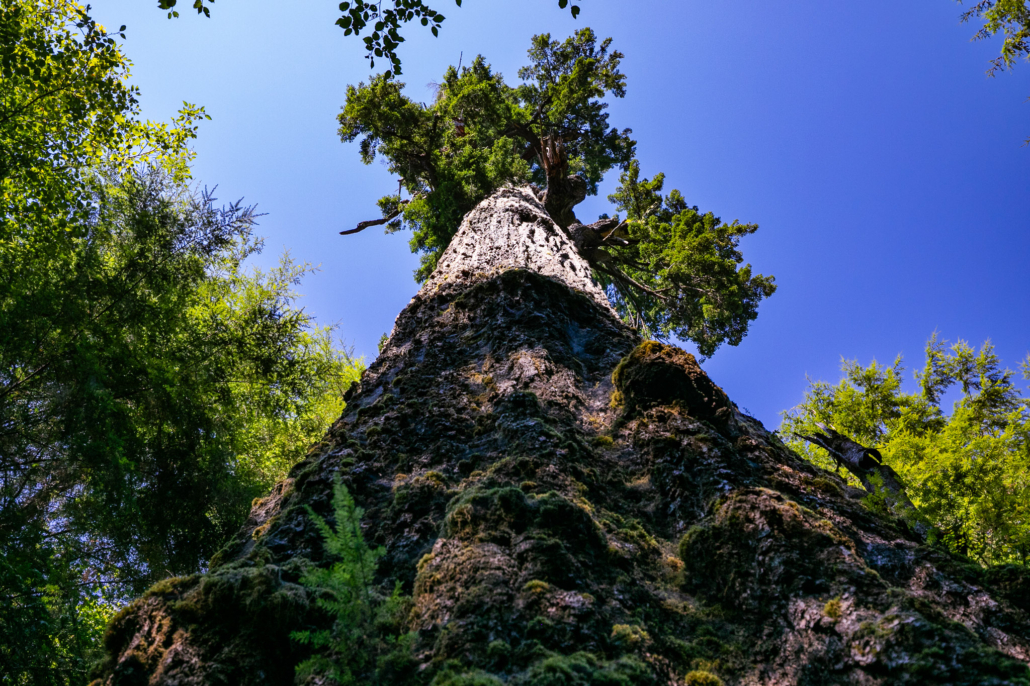
UPDATED: Port Renfrew Big Trees Map
Explore the updated Port Renfrew Big Trees Map with new directions, trails, and routes to iconic giants like Big Lonely Doug, Eden Grove, and more.
https://staging.ancientforestalliance.org/wp-content/uploads/2025/05/13-Red-Creek-Fir.jpg
1365
2048
TJ Watt
https://staging.ancientforestalliance.org/wp-content/uploads/2026/05/Ancient-Forest-Alliance-logo.svg
TJ Watt2026-05-29 15:39:342026-05-29 15:40:49UPDATED: Port Renfrew Big Trees Map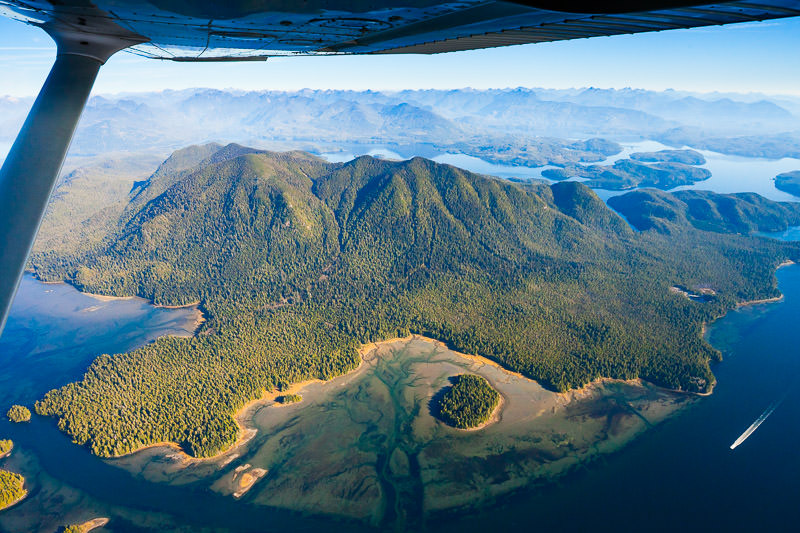
NEW! West Coast Old-Growth Hiking Guide
Explore AFA’s NEW West Coast old-growth hiking guide. From Clayoquot Sound to Port Alberni, there are trails for every skill level!
https://staging.ancientforestalliance.org/wp-content/uploads/2026/05/meares-island-big-tree-trail-tofino-1200px-338.jpg
533
800
TJ Watt
https://staging.ancientforestalliance.org/wp-content/uploads/2026/05/Ancient-Forest-Alliance-logo.svg
TJ Watt2026-05-29 12:06:002026-05-29 15:42:38NEW! West Coast Old-Growth Hiking Guide
Now Hiring: Contract Graphic Designer!
Ancient Forest Alliance is hiring a contract Graphic Designer to help bring our campaigns to life through print and digital materials.
https://staging.ancientforestalliance.org/wp-content/uploads/2026/05/flores-island-wildside-trail-1200px-430.jpg
800
1200
TJ Watt
https://staging.ancientforestalliance.org/wp-content/uploads/2026/05/Ancient-Forest-Alliance-logo.svg
TJ Watt2026-05-22 12:22:292026-05-22 12:22:29Now Hiring: Contract Graphic Designer!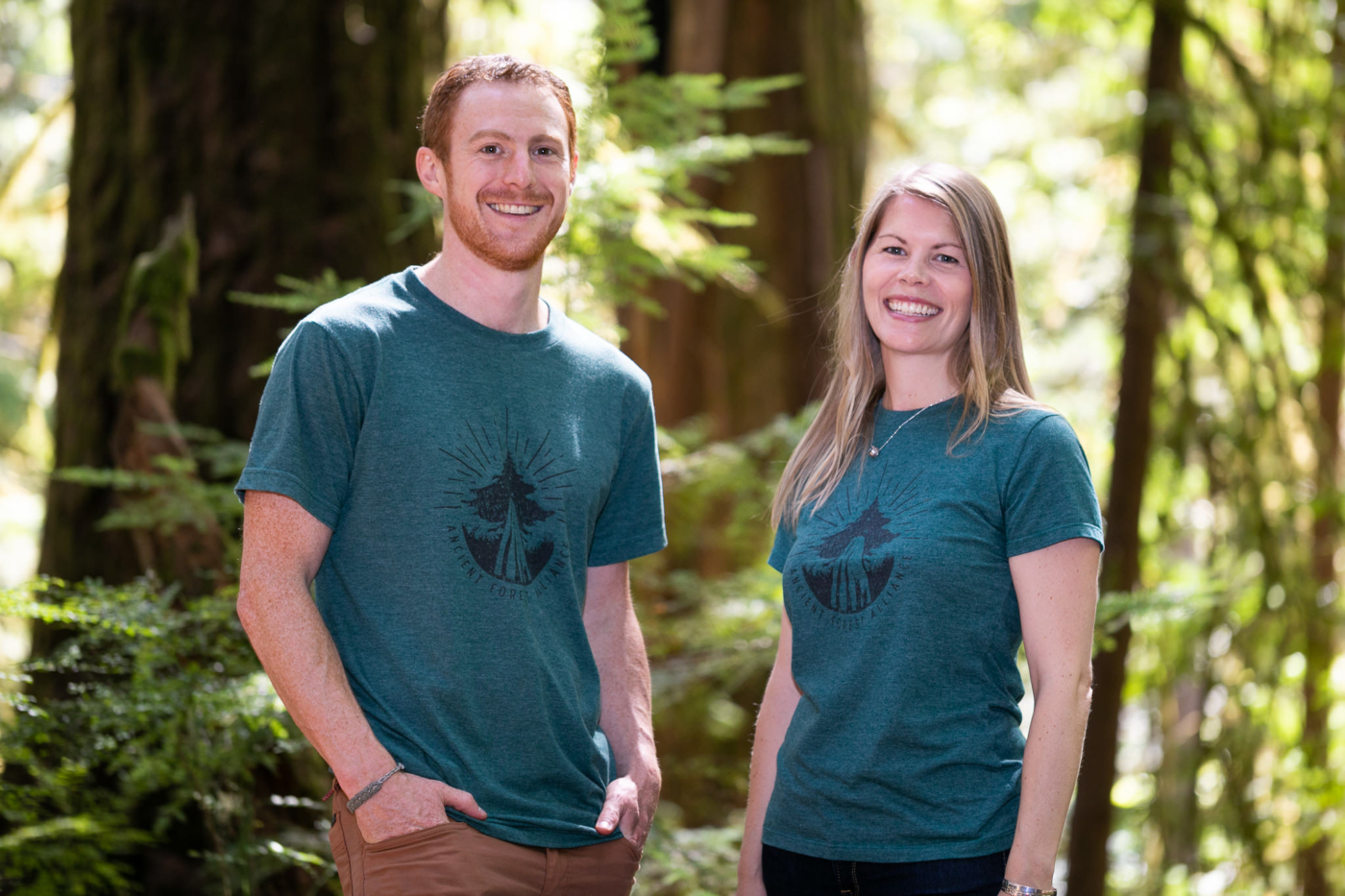
Design AFA’s Next T-Shirt and Help Protect Old-Growth Forests!
Calling all artists! For Earth Month, AFA is launching our first-ever Community T-Shirt Design Contest.
https://staging.ancientforestalliance.org/wp-content/uploads/2026/04/AFA-T-Shirt-Green-Mens-Womens.jpg
1365
2048
TJ Watt
https://staging.ancientforestalliance.org/wp-content/uploads/2026/05/Ancient-Forest-Alliance-logo.svg
TJ Watt2026-05-15 08:13:232026-05-19 09:33:44Design AFA’s Next T-Shirt and Help Protect Old-Growth Forests! Donate
 Send a Message
Group Optimistic About Government Considering Protection of Old Growth Forests
/in News CoverageA GROUP SEEKING PROTECTION FOR OLD GROWTH FORESTS ON VANCOUVER ISLAND IS FEELING CONFIDENT AFTER FORESTS MINISTER PAT BELL ANNOUNCED THE BC GOVERNMENT WILL LOOK INTO THE ISSUE
“the forest practices board made a recommendation that BC should find creative ways to protect monumental trees and ancient forest stands. This is the government’s watchdog. They appointed the body to review forestry in BC and now their own watchdog is saying we need to move farther to save our old growth forests”
ANCIENT FOREST ALLIANCE SPOKESPERSON KEN WU IS CALLING ON LEADERSHIP CANDIDATES FOR BOTH THE LIBERALS AND NDP TO TAKE ON THIS ISSUE IN THEIR CAMPAIGNS
“it’s an ecologically necessary position to take, to support saving old growth forests and the sustainable logging of second growth forests, and it’s a winning position in terms of public opinion today”
WU SAYS NDP LEADERSHIP CANDIDATE JOHN HORGAN HAS ALREADY VOICED HIS SUPPORT FOR THE PROTECTION OF AVATAR GROVE
AVATAR GROVE IS LOCATED NEAR PORT RENFREW AND IS HOME TO A STAND OF ENDANGERED MASSIVE RED CEDAR TREES, THAT ARE THREATENED BY LOGGING
Click here to view original article
Tweet
Companies urged to conserve ancient trees
/in News CoverageTweet
The Forest Practices Board is encouraging the government and forestry companies to get creative to save trees of exceptional size or form, age or historical significance.
The recommendation comes out of an investigation into a public complaint about logging of particularly large trees near Port Renfrew on the West Coast of Vancouver Island, the board said in a news release.
“This complaint highlights the strong public interest in seeing more ancient trees and forest stands preserved to live out their natural lives and functions, and managed as a social, economic and ecological asset to the public and surrounding communities,” said board chair Al Gorley.
“These significant trees can be from 500 to over 1,000 years old. Having withstood the ravages of time over many centuries, they can inspire awe and reverence, a sense of spirituality and connection to past events,” the release states.
The report found that the licensee in question complied with legislation, and did retain some trees of similar size and age to those harvested.
Watchdog wants big trees protected
/in News CoverageCreative ways should be found to protect the ancient giants in B.C.’s forests, says the Forest Practices Board.
The watchdog board investigated a complaint about massive old-growth trees being cut near Port Renfrew and concluded that, although the forest company — Teal Cedar Products Ltd. — did nothing wrong, government and forest companies should pay more attention to trees of exceptional size, form, age or historical significance.
“This complaint highlights the strong public interest in seeing more ancient trees and forest stands preserved to live out their natural lives and functions and managed as a social, economic and ecological asset to the public and surrounding communities,” said board chairman Al Gorley.
The report says such trees “can inspire awe and reverence, a sense of spirituality and connection to past events.”
Public awareness of special trees -often between 500 and 1,000 years old -is increasing as forest areas become more accessible, Gorley said. “From a public relations point of view, for the logging companies it’s sometimes going to make more sense to leave [the trees] there,” he said in an interview.
But the board stopped short of recommending hard and fast rules and, instead, is suggesting voluntary co-operation.
Forest companies could incorporate special trees into leave-alone areas, roads and landing areas could be planned to protect big trees or logging boundaries moved so big trees are not in the cutting area, Gorley said.
Some giant trees are protected through old-growth management areas and parks, but no one knows whether the most valuable and unusual sites are protected because B.C.’s forestry inventory and policies do not differentiate between forest stands 250 years old and those 500 years or older, the report says.
“A result is that the discovery of ancient, exceptional and irreplaceable trees often occurs with the onset of harvest planning. This situation can lead to public uncertainty and a sense of urgency and conflict in considering whether, in the circumstances, such trees should be protected,” it says.
Gorley said he does not know whether voluntary measures are enough to protect special trees.
“Time will tell. If over time we find we are losing them, then maybe government will feel it has to actually enact more specific rules,” he said.
The giant stumps near Port Renfrew were discovered close to a grove of huge trees, nicknamed Avatar Grove by the Ancient Forest Alliance, a group pushing for oldgrowth protection.
After photographs of the grove and the stumps were made public, an increasing number of hikers and tourists visited the area.
Ken Wu of the Ancient Forest Alliance said government needs to immediately expand the number of oldgrowth management areas and sites such as Avatar Grove should be given full protection.
Tweet