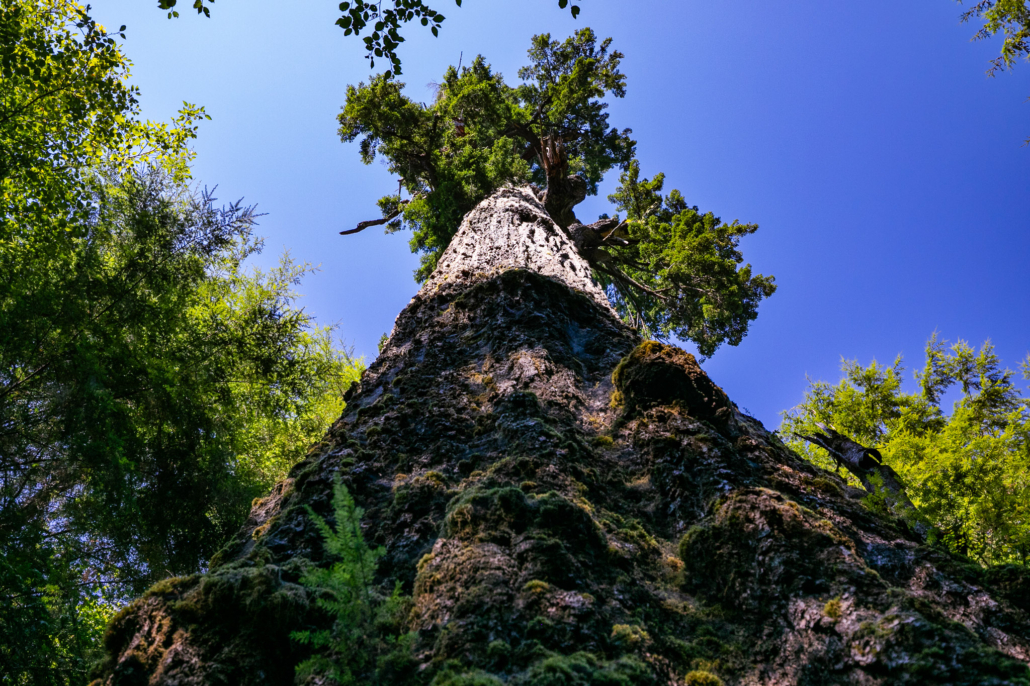
UPDATED: Port Renfrew Big Trees Map
Explore the updated Port Renfrew Big Trees Map with new directions, trails, and routes to iconic giants like Big Lonely Doug, Eden Grove, and more.
https://staging.ancientforestalliance.org/wp-content/uploads/2025/05/13-Red-Creek-Fir.jpg
1365
2048
TJ Watt
https://staging.ancientforestalliance.org/wp-content/uploads/2026/05/Ancient-Forest-Alliance-logo.svg
TJ Watt2026-05-29 15:39:342026-05-29 15:40:49UPDATED: Port Renfrew Big Trees Map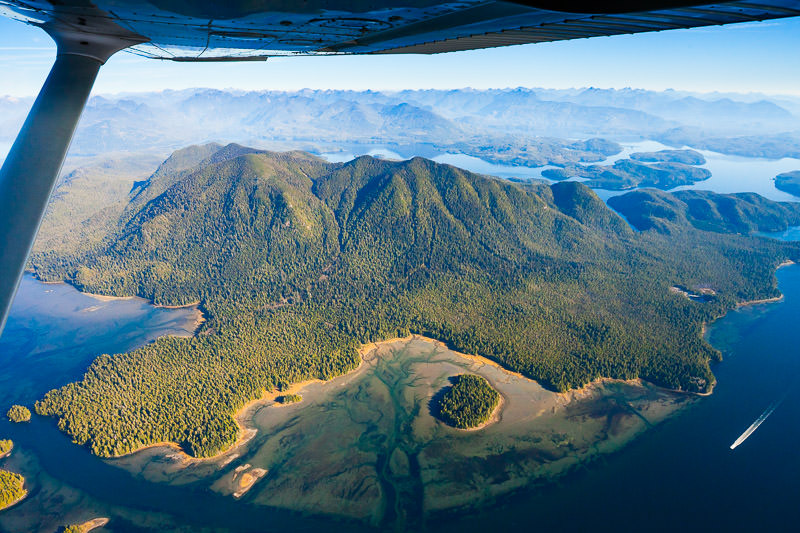
NEW! West Coast Old-Growth Hiking Guide
Explore AFA’s NEW West Coast old-growth hiking guide. From Clayoquot Sound to Port Alberni, there are trails for every skill level!
https://staging.ancientforestalliance.org/wp-content/uploads/2026/05/meares-island-big-tree-trail-tofino-1200px-338.jpg
533
800
TJ Watt
https://staging.ancientforestalliance.org/wp-content/uploads/2026/05/Ancient-Forest-Alliance-logo.svg
TJ Watt2026-05-29 12:06:002026-05-29 15:42:38NEW! West Coast Old-Growth Hiking Guide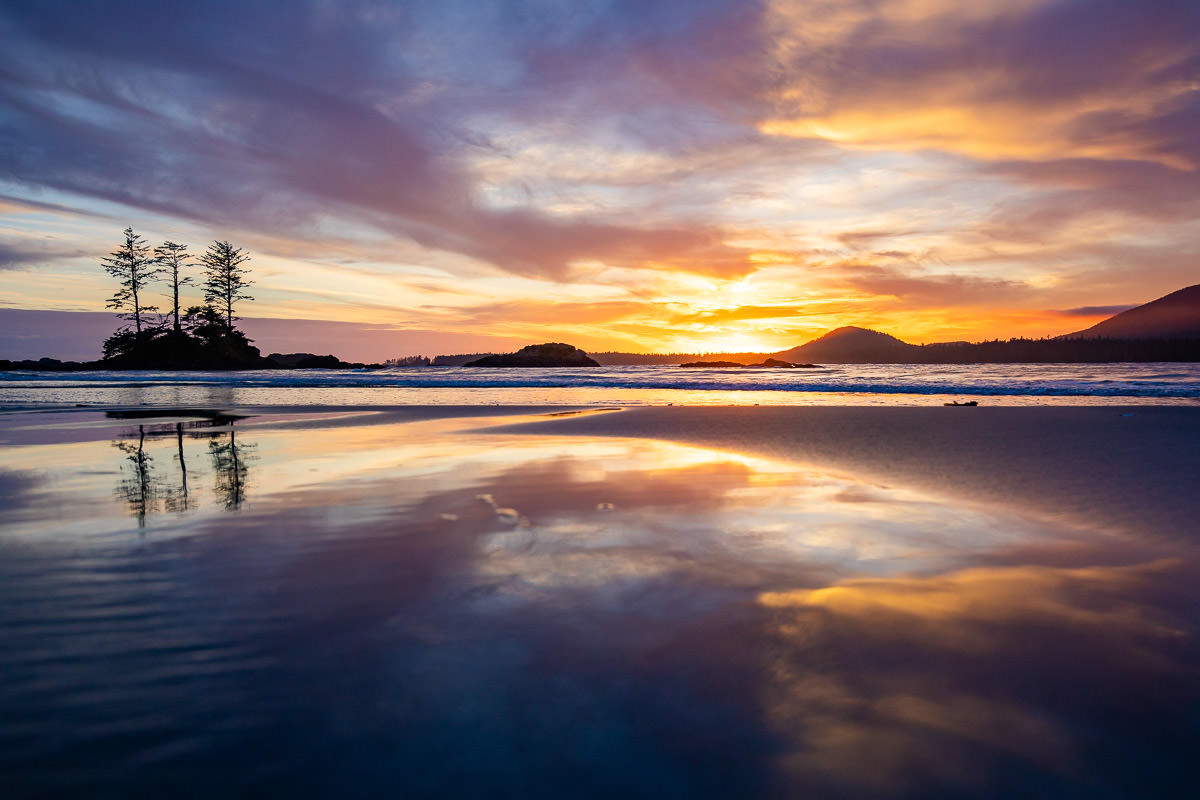
Now Hiring: Contract Graphic Designer!
Ancient Forest Alliance is hiring a contract Graphic Designer to help bring our campaigns to life through print and digital materials.
https://staging.ancientforestalliance.org/wp-content/uploads/2026/05/flores-island-wildside-trail-1200px-430.jpg
800
1200
TJ Watt
https://staging.ancientforestalliance.org/wp-content/uploads/2026/05/Ancient-Forest-Alliance-logo.svg
TJ Watt2026-05-22 12:22:292026-05-22 12:22:29Now Hiring: Contract Graphic Designer!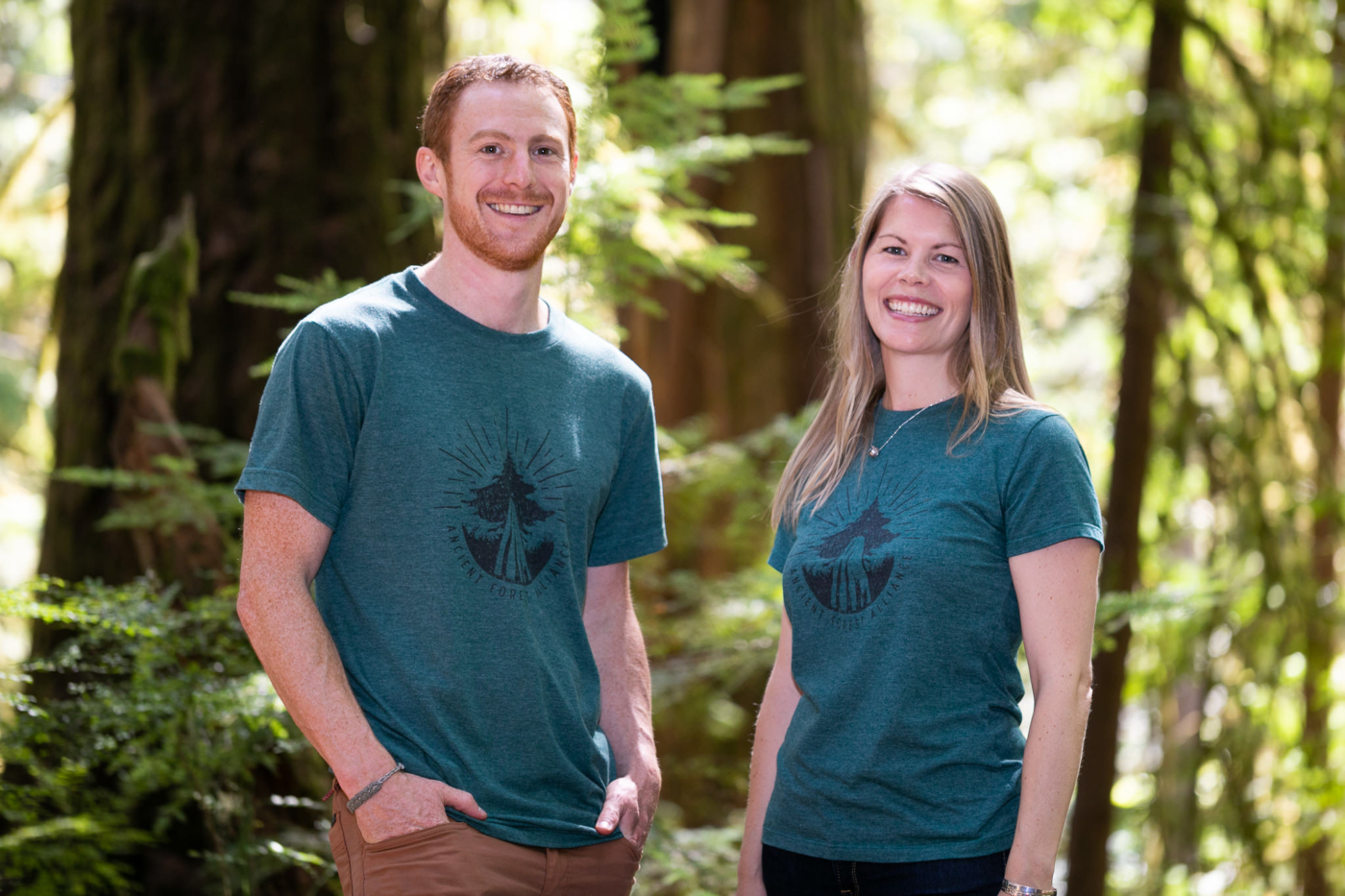
Design AFA’s Next T-Shirt and Help Protect Old-Growth Forests!
Calling all artists! For Earth Month, AFA is launching our first-ever Community T-Shirt Design Contest.
https://staging.ancientforestalliance.org/wp-content/uploads/2026/04/AFA-T-Shirt-Green-Mens-Womens.jpg
1365
2048
TJ Watt
https://staging.ancientforestalliance.org/wp-content/uploads/2026/05/Ancient-Forest-Alliance-logo.svg
TJ Watt2026-05-15 08:13:232026-05-19 09:33:44Design AFA’s Next T-Shirt and Help Protect Old-Growth Forests! Donate
 Send a Message
Mowachaht/Muchalaht awarded $15 million to protect old growth and salmon
/in News CoverageNovember 10, 2023
By Eric Plummer
Ha-Shilth-Sa News
Original article here.
Nootka Sound, BC
A project to protect a significant portion of Mowachaht/Muchalaht territory has been pledged $15 million from the federal government, fueling an initiative to save old growth and salmon populations in Nootka Sound over the next generation.
On Oct. 30 Canada’s Ministry of Environment and Climate Change sent a letter to Eric Angel, project manager for the Mowachaht/Muchalaht First Nation’s Salmon Parks initiative. This confirmed over $15 million in funding for the project, payable up to March 31, 2026.
“I seek the highest level of environmental quality in order to enhance the well-being of Canadians,” wrote Environment Minister Steven Guilbeault. “In this regard, one of my priorities is to advance conservation of biodiversity and sustainable development.”
Other funding has been secured from the Ancient Forest Alliance, the Endangered Ecosystems Alliance, the Indigenous Watershed Initiative, Nature Based Solutions Foundation, Nature United and the Sitka Foundation, as well as other organizations providing expertise at no cost.
The project, which is titled ‘Mowachaht/Muchalaht Salmon Parks Indigenous Protected and Conserved Area – Old Growth Estuary Protection’, is designed to conserve critical parts of the territory by changing the tide of industrial activity in Nootka Sound.
“Salmon parks, fundamentally, is about setting things right again in this wonderful part of the world so that the chiefs are in a position to look after the ha-hahoulthee,” explained Angel during a tour of the Salmon Parks in October.
A major part of setting things right is halting logging in the designated areas. According to the Salmon Parks project application, at the current rate of harvest all old growth forests in Mowachaht/Muchalaht territory will be logged in the next 15 years.
As industrial forestry developed in the region, wild salmon populations in Nootka Sound have declined by 90 per cent, according to the project description, and could become extinct in the next 20 years without serious intervention.
“Old growth ecosystems are salmon ecosystems. They evolved together,” said Angel.
“We’re witnessing another extirpation series, small extinctions of salmon throughout the Pacific northwest,” he added. “There’s no one cause of that, but old growth forests, the destruction of them has been nothing short of catastrophic for salmon populations.”
The federal funding allows the Salmon Parks project to protect 38,868 hectares of old-growth forest, areas in Mowachaht/Muchalaht territory that contain “critical salmon ecosystems”, according to the application. The majority, or almost $12.5 million, of the federal funding is set aside for land acquisition costs, such as the buyouts of tenures held by forestry companies on the Crown land. Currently Western Forest Products and BC Timber Sales hold these tenures, which are legally recognized under provincial law.
A clearcut on Nootka Island. Photo by TJ Watt.
“We have to deal with the existing industrial and commercial interests on the landscape,” explained Angel. “That’s primarily forestry, and they’re going to want to be compensated.”
The Salmon Parks are already recognized under Mowachaht/Muchalaht law, but provincial designation is now necessary for the areas to be protected into the future.
“For Salmon Parks to be considered by the chief forester, or any other agency for that matter, requires some form of legislated protection,” said Roger Dunlop, the project’s technical lead and Mowachaht/Muchalaht’s Lands and Natural Resource manager.
“British Columbia made a huge mistake when they decided to liquidate all the timber harvesting land base, which means every tree in British Columbia that’s accessible,” continued Dunlop. “This is the nation’s alternative to that mistake.”
The federal funding will also go towards professional services necessary for Salmon Parks as well as external contractors and guardians from the Mowachaht/Muchalaht community to monitor and report on the designated areas.
It’s possible that Jamie James could play a leading role in this management. The First Nation’s field logistics coordinator spent his childhood on the shore of Muchalaht Inlet in Ahaminaquus, where his father taught him how to fish.
“It was really about living off the land, understanding what it meant to provide for the family but also for the community,” said James, who is concerned about carrying on the teachings of sustainability from his father, who grew up in Yuquot. “Once you start losing all of this stuff, you can no longer depend on the land to make a livelihood. That’s what scares me a lot.”
Although industrial-scale logging will no longer be permitted in the Salmon Parks, other small-scale activities can continue, particularly hunting, fishing and the cultural harvesting of trees.For James, these traditional practices are part of an interconnected way of living that he hopes the Salmon Parks will foster, a network that includes animals and people who rely on salmon-bearing streams.
“The broader part of the whole thing about the Salmon Parks, to me, is really being able to protect the landscape, the habitat, the resources, the environment – the sustainability for people that depend on all those things,” he said. “It’s the connection of all those things that depend on those resources.”
“As humans, we need to adapt to nature itself, rather than getting nature to adapt to us,” said James.
The old growth forest that Ottawa recently funded for protection is part of 66,595 hectares of critical habitat in Mowachaht/Muchalaht territory that the Salmon Parks project encompasses. The First Nation hopes to have this whole area protected by 2030 – the same year that the federal Liberals and have pledged to have 30 per cent of Canadian waters and land protected.
On Nov. 3 the feds put serious money behind this promise, with the announcement of the Tripartite Framework Agreement on Nature Conservation. The result of negotiations between the federal government, the province and the First Nations Leadership Council, this brings a fund that could reach over $1 billion over the course of the agreement, shouldered equally by Ottawa and the B.C. government.
Although the Government of Canada cannot declare IPCAs in a province, the agreement could lead to such designation in a First Nation’s territory.
“The Framework agreement supports a collaborative approach to landscape-based ecosystem health and biodiversity conservation in B.C.,” wrote Cecelia Parsons, a spokesperson for Environment and Climate Change Canada, in an email to Ha-Shilth-Sa. “The agreement will support indigenous partners establish Indigenous Protected and Conserved Areas.”
Mowachaht/Muchalaht member Jamie James grew up on the short of the Muchalaht Inlet in Ahaminaquus, where his father taught him how to fish. (Eric Plummer)
This story was made possible in part by an award from the Institute for Journalism and Natural Resources and the Gordon and Betty Moore Foundation.
First Nation creating new Salmon Parks to protect fragile ecosystems
/in News CoverageDecember 8, 2023
By Marc Kitteringham
Campbell River Mirror
Original article here.
Over 650 square kilometres of Mowachaht/Muchalaht territory to be protected
Over 650 square kilometres of forest, rivers, old growth and shoreline are in the process of being protected by the Mowachaht/Muchalaht First Nation on western Vancouver Island.
The Mowachaht/Muchalaht First Nation — located in the Tahsis, Nootka Island, and Gold River region — is working to protect the area of their unceded territory with the goal of protecting old-growth forests and salmon habitats. The locations include 311 square kilometres of old-growth forests.
“We’re trying to protect the most important salmon habitat that’s left in the watersheds in the Nation,” said Eric Angel, project manager for the Salmon Parks project. “We figured out sometime ago that if we looked after about 20 per cent of the core salmon watersheds, we we backstop 90 per cent of the salmon productivity that is dependent on the land and the freshwater ecosystem.”
When they’re established, the parks will both be on land and will extend into the ocean to protect the salmon habitat there. Angel said that the old growth forest in the area is “central to the salmon’s habitat and family life cycle.
“We’re going to move out into the into the marine environment and protect estuaries and the important migration routes that salmon have to take into the open ocean. The idea is to really be doing what we can to look after our salmon throughout their life cycle … we want to eventually restore those populations to the kind of abundance that we saw say 50 or 100 years ago.”
Though they are not the first First Nation to undertake this kind of work, the idea is new enough that Angel says they’re still trying to figure out how it will all work. They are in talks with the province about establishing legal protections for the area, and will be protecting it under Nuu-chah-nulth law as well.
“Ideally … there is going to be a joint designation where the province and First Nation will come together,” Angel said. “Then we together we create a management plan for the area and then we start bringing in all the other folks who’ve gotten interests will be talking to the forestry industry into the recreational fishing industry into tourism operators and the local communities Gold River and Campbell River and Tahsis … just making sure that everyone’s on board and there’s a common commitment and understanding of how we go about doing this.”
Something else that’s needed when establishing a new park is funding. Putting land into conservation necessarily means an immediate loss of economic opportunity, however groups like the Nature-Based Solutions Foundation exist to fill “critical gaps that are essential for creating new protected areas.”
“We we set up this new organization to directly work with land-embedded communities — most significantly First Nations — but also at some point ranchers on the Prairies Trappers and Métis communities and Southern Boreal woodlot owners,” said Ken Wu from Nature-Based Solutions Foundation. “These land-embedded communities are vitally important in to establish protected areas on Crown lands and unceded First Nations lands.
“A barrier for a lot of First Nations is that if they’re gonna forego all the resource opportunities in those territories … then there needs to be support for building sustainable alternatives,” he said.
Part of that funding solution also comes from government.
“There’s been some huge announcements this fall from the feds and the province,” said Angel, referring to “The Tripartite management agreement with Canada, BC and their first Nations Leadership Council.
“There’s an old growth nature fund that the feds are putting up the money for but the province is gonna be dispersing that, there’s a conservation financing mechanism the province announced month and a half ago that’s going to help, conservation initiatives, access to kind of long-term sustainable financing.”
One of those initiatives was for projects that help sequester carbon emissions. The Salmon Parks received $15 million from the federal government to do that.
“It’s it’s an amazing area for carbon storage because I’ll go for us sequester more carbon than almost anywhere on planet Earth,” Angel said, adding that getting the funding “was life-changing. I was just in the community last night and presenting to about 60 people and there’s so many young people out there who are so excited about it … it’s for those kids that are gonna be growing up with this. It’s really exciting for them.”
Despite the immediate economic setback of not being able to harvest trees, both Wu and Angel say there is a much greater economic long-term benefit available.
Angel says that there are job opportunities for community members as well.
“We’re setting up a Guardians program,” he said. “Creating employment within the community and giving people opportunities to be participating in this is going to be really important because it’s super critical that this is a holistic vision … it represents not just looking after nature well, but it also means restoring lives for people.
Old-growth Douglas-fir forest in the Burman River valley. Proposed Salmon Park, Mowachaht/Muchalaht territory.
AFA’s Recommendations for the BC Government’s Draft Biodiversity and Ecosystem Health Framework
/in AnnouncementsSubmitted by Ancient Forest Alliance
January 2024
The Ancient Forest Alliance (AFA) commends the BC government for developing a draft Biodiversity and Ecosystem Health Framework (BEHF) that intends to achieve a major paradigm shift to make ecological health central to decision-making in BC. If done with integrity, the Framework could upend the traditional approach in BC, which has sought to minimize the effect of conservation on the available timber supply for logging, leaving the most biodiverse and productive ecosystems open to industrial extraction.
This transformation cannot come soon enough, as many of our richest and most biodiverse ecosystems are in a state of ecological emergency.
The draft Framework already has several key components that must be retained in the final form, including a commitment to establish an Office of Biodiversity and Ecosystem Health within the BC Public Service to oversee, implement, and enforce the Framework in collaboration with First Nations, the incorporation of updated science for the management of specific ecosystems, the acknowledgment of the need for protection of the most threatened ecosystems, and the acknowledgment of the need to maintain the natural range of variation in native ecosystems. Each of these represents key policy commitments that AFA has advocated for and are critical to ensure a true paradigm shift in the management and protection of ecosystems in BC. However, the language around threatened ecosystems and the need to maintain the natural range of variation is currently vague and needs to be strengthened and explicitly linked to the achievement of BC’s 30% by 2030 protection goals through the enshrining of ecosystem-based protection targets that incorporate distinctions in forest productivity.
As the Framework is developed, it must expand and codify its reference to the need to protect threatened ecosystems and maintain ecosystem function across all native ecosystems by:
Expanded Recommendations
1. Ecosystem-Based Protection Targets
“Ecosystem-Based Protection Targets” are an essential tool to ensure the full range of BC’s diverse ecosystems and most threatened areas are safeguarded from further degradation.
Historically, environmental protection in BC (and worldwide) has focused on preserving the landscapes and ecosystems least coveted by industry, which tend to be the less productive and biodiverse areas such as mountains, bogs, and the far north. Meanwhile, the richer, valley-bottom and southern ecosystems that are the most biodiverse are left open for industrial extraction. The BEHF must identify this key issue and correct it by making Ecosystem-Based Protection Targets with forest productivity distinctions — a foundation that would truly put ecological health ahead of industrial profit. Otherwise, protection will continue to skew toward ecosystems with mainly rock, ice, and small trees.
This pattern of skewing protection to certain ecosystems is starkly evident with the current distribution of parks in BC. The areas with the highest level of protection include the treeless ecosystems of alpine tundra, the spruce-willow-birch ecosystem of the far north, and mountain hemlock zones in the heights of the snowy Coast Mountains, which are all areas of comparatively lower biodiversity and biological productivity. The Coastal Western Hemlock zone and the Interior Cedar Hemlock zone, which are home to Canada’s largest and oldest trees, have only about 20% and 10% protection, respectively, with much of the protection in the Coastal Western Hemlock zone being in low-productivity forests with smaller trees — hence the need to establish targets for all site series with forest productivity distinctions. Protection rates are even lower for the Interior and Coastal Douglas-fir ecosystems, which both have only 5% under legislated protection. Of course, all native ecosystems are important, but some are currently woefully under-protected and gravely imperilled. This pattern will continue to play out unless the province commits to representing all ecosystems in its 30% by 2030 protection plan.
In addition to broad ecological categories, the province needs to incorporate forest productivity distinctions into its 2030 protection targets. Forest productivity refers to the overall rate of tree growth in a forest. In “high-productivity” forests, trees will grow faster eventually reaching enormous sizes, whereas in “low-productivity” forests, such as in rocky or boggy areas with nutrient-poor soils, growth is stunted and trees may take centuries to get as large as those in high-productivity sites will get in just a few decades, never achieving monumental size. All of the monumental old-growth forests that are so inspiring to people around the world, such as Cathedral Grove, Avatar Grove, Eden Grove, and the Meares Island Big Tree Trail, are examples of high-productivity, old-growth forests. Productivity is connected to seasonal temperatures but also reflects the richness of the soil, drainage, and bedrock.
Frequently, the highest-productivity forests exist as little pockets or ribbons along valley bottoms, surrounded by lower-productivity forests. Traditionally, logging has high-graded out these high-productivity groves (like someone eating all of the chocolate chips from a trail mix), leaving behind only the lower-productivity forests (the raisins). Without targets that account for productivity distinctions, protection will again be skewed toward low-productivity environments with small trees, while the large trees so coveted by industry continue to fall. Less than 10% of the original productive, old-growth forests of Vancouver Island and the south coast of BC are safeguarded under legislated protection, and across the province, less than 5% of the most productive old-growth forests with the largest trees remain.
Independent research has demonstrated that the most productive, big-tree forests have been reduced to a tiny fraction of their original extent across the range of BC’s forested ecosystems. Big-tree forests are also disproportionately important for biodiversity and wildlife habitat. These forests continue to be aggressively targeted for logging and have been historically underrepresented in protected areas.
Therefore, old-growth protection must prioritize protecting the best of what remains: the most productive old-growth forests in BC — starting with deferrals and followed by permanent legislated protection. The heart of BC’s 30×30 protection goals and the BEHF must be the protection of big-tree forests and other at-risk ecosystems.
2. Guiding the Protected Area Plan and the Application of the Conservation Financing Fund
BC has pledged to protect 30% of its total land area by 2030 — an ambitious conservation goal that would double existing protected areas across the province. To support this goal, BC has signed a nearly $1.1 billion nature agreement with the federal government that includes a $300-million conservation financing fund to support Indigenous conservation. But so far, the province has not announced any formal “protected areas strategy”. Instead, the province has signalled that it will take a passive role in distributing funding and support for protected areas as they are brought forward rather than actively identifying gaps in the protected areas system and using conservation financing to enable Indigenous-led protection of the most threatened ecosystems. The BEHF must be the roadmap that guides the province’s 30×30 commitments within the context of a sorely needed BC Protected Areas Strategy, setting the vision that these vast resources can be harnessed to achieve, and providing legal targets to represent all ecosystems in BC’s protected area expansion. Otherwise, the overall target of protecting 30% by 2030 will likely default to protecting vast areas with mainly rock, ice, and small trees, while the most productive and biodiverse ecosystems are again underrepresented.
3. Enshrine Rigorous Protection Standards
The Framework must identify legislated protected areas as foundational to maintaining ecological health. These areas must not have moveable boundaries and must have the standards and permanency to exclude commercial logging, mining, and oil and gas activities. We are concerned that the province is emphasizing weaker conservation reserves, such as Old-Growth Management Areas (OGMAs), where boundaries can be moved under timber industry lobby efforts, and Wildlife Habitat Areas (WHAs), where logging in some areas can occur.
Genuine legislated protection, such as Provincial Conservancies and various Protected Area designations, that exclude commercial logging, mining, and oil and gas development while protecting First Nations subsistence, co-management authority and rights and title, are essential tools for preserving biodiversity and ecosystem health in the larger and central core areas of highest conservation value.
OGMAs and WHAs will remain vital parts of the conservation reserve system to pick up the pieces of remaining old-growth and vital habitat in managed landscapes, but they are no substitute for landscape-level protected areas. Loopholes must be closed so that these conservation reserves actually permanently safeguard the ecosystems they ostensibly protect.
We are also concerned that the province may develop a new legislated protected area designation that will have weak minimum standards that still allow for commercial logging. Any new protected area designations must include minimum standards that forbid commercial logging (as opposed to the cutting of individual trees by First Nations for cultural purposes, such as monumental redcedar used for dugout canoes, longhouses, and totem poles), mining or oil and gas development within them.
4. Ensure Accountability
To ensure ecological health and the representative application of the 2030 protection targets, there must be an implementation committee of independent policy experts tasked with developing the protection plan that incorporates First Nations, stakeholders, NGOs, and public engagement to achieve the provincial targets set by specialized science and Traditional Ecological Knowledge committees. The province must prepare a report setting out the provincial strategy and implementation efforts necessary to achieve the targets and table it in the legislature. This report shall be updated and tabled on an annual basis and reviewable at least every three years. These measures are aimed at ensuring clear accountability and responsibility for reaching ecosystem-based targets, which are critical to the successful protection of biodiversity in BC.
In summary, we are recommending that the province: