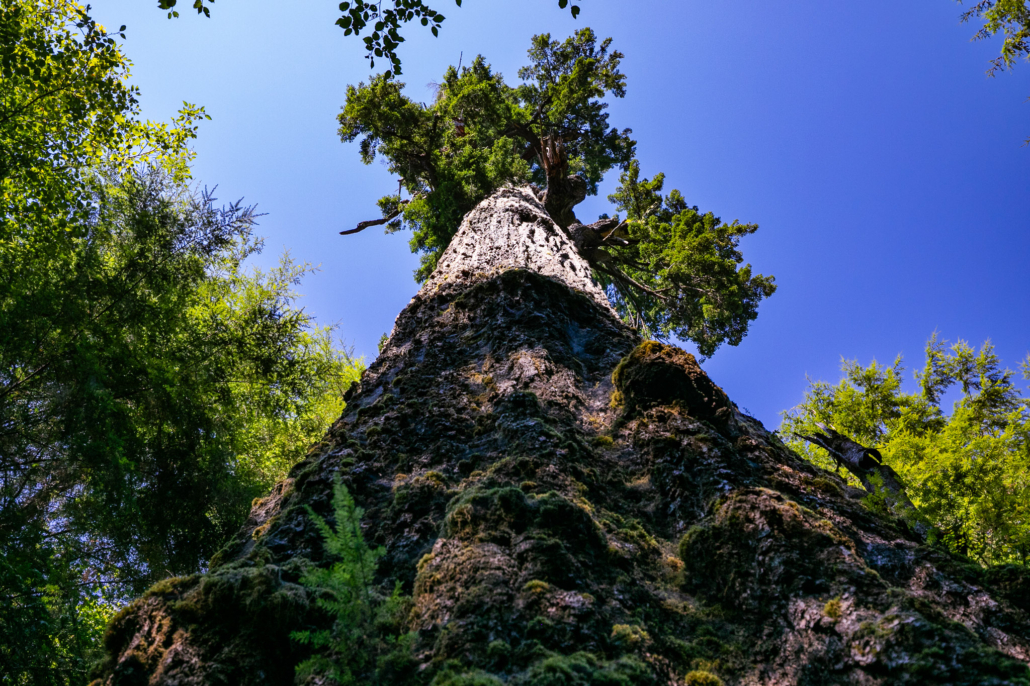
UPDATED: Port Renfrew Big Trees Map
Explore the updated Port Renfrew Big Trees Map with new directions, trails, and routes to iconic giants like Big Lonely Doug, Eden Grove, and more.
https://staging.ancientforestalliance.org/wp-content/uploads/2025/05/13-Red-Creek-Fir.jpg
1365
2048
TJ Watt
https://staging.ancientforestalliance.org/wp-content/uploads/2026/05/Ancient-Forest-Alliance-logo.svg
TJ Watt2026-05-29 15:39:342026-05-29 15:40:49UPDATED: Port Renfrew Big Trees Map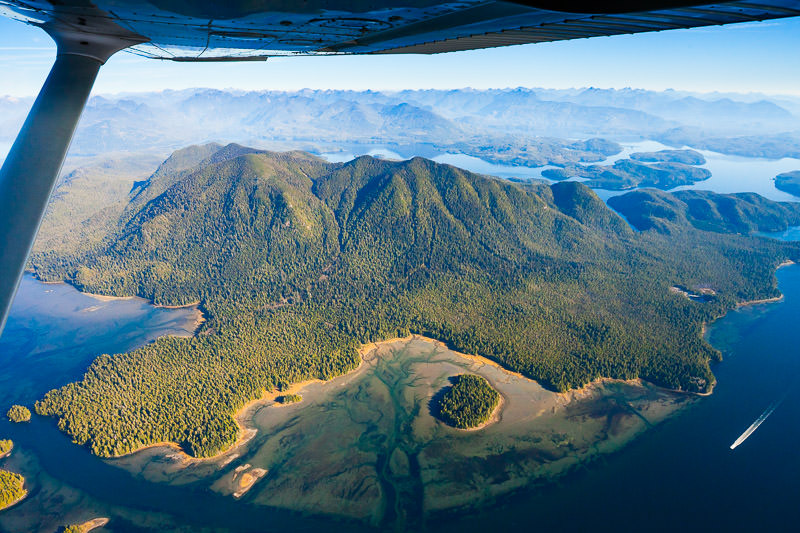
NEW! West Coast Old-Growth Hiking Guide
Explore AFA’s NEW West Coast old-growth hiking guide. From Clayoquot Sound to Port Alberni, there are trails for every skill level!
https://staging.ancientforestalliance.org/wp-content/uploads/2026/05/meares-island-big-tree-trail-tofino-1200px-338.jpg
533
800
TJ Watt
https://staging.ancientforestalliance.org/wp-content/uploads/2026/05/Ancient-Forest-Alliance-logo.svg
TJ Watt2026-05-29 12:06:002026-05-29 15:42:38NEW! West Coast Old-Growth Hiking Guide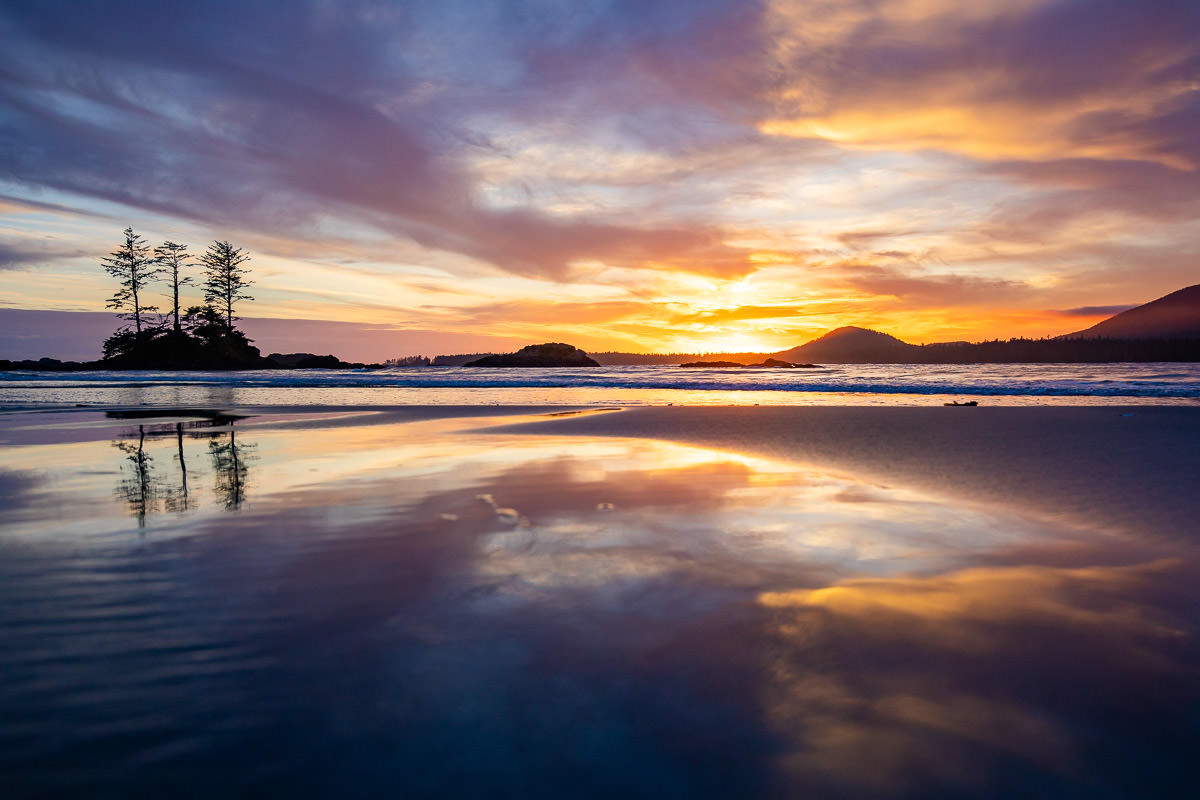
Now Hiring: Contract Graphic Designer!
Ancient Forest Alliance is hiring a contract Graphic Designer to help bring our campaigns to life through print and digital materials.
https://staging.ancientforestalliance.org/wp-content/uploads/2026/05/flores-island-wildside-trail-1200px-430.jpg
800
1200
TJ Watt
https://staging.ancientforestalliance.org/wp-content/uploads/2026/05/Ancient-Forest-Alliance-logo.svg
TJ Watt2026-05-22 12:22:292026-05-22 12:22:29Now Hiring: Contract Graphic Designer!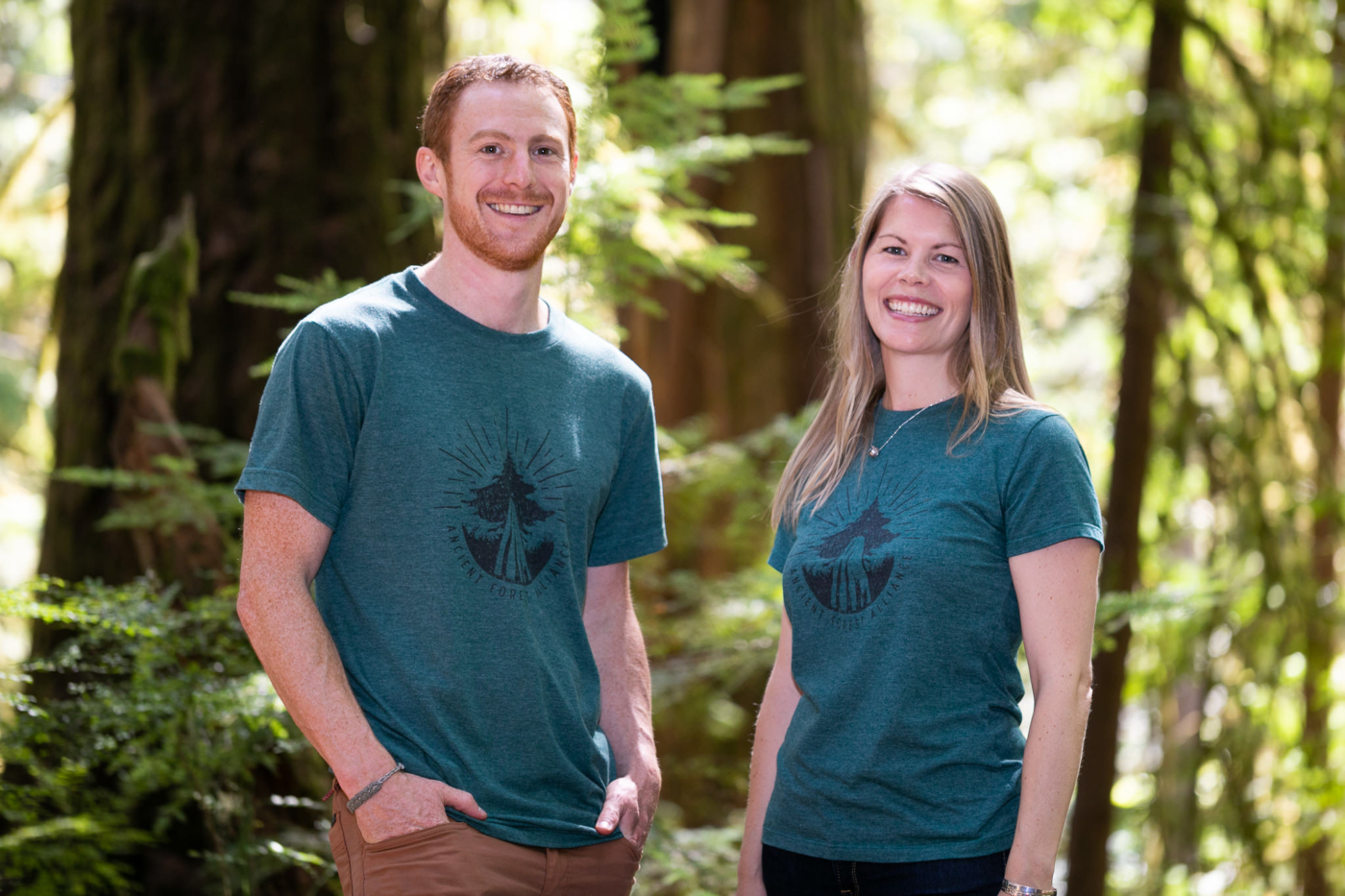
Design AFA’s Next T-Shirt and Help Protect Old-Growth Forests!
Calling all artists! For Earth Month, AFA is launching our first-ever Community T-Shirt Design Contest.
https://staging.ancientforestalliance.org/wp-content/uploads/2026/04/AFA-T-Shirt-Green-Mens-Womens.jpg
1365
2048
TJ Watt
https://staging.ancientforestalliance.org/wp-content/uploads/2026/05/Ancient-Forest-Alliance-logo.svg
TJ Watt2026-05-15 08:13:232026-05-19 09:33:44Design AFA’s Next T-Shirt and Help Protect Old-Growth Forests! Donate
 Send a Message
Ancient Forest Alliance Action Alert – Al Jazeera Avatar Grove
/in AnnouncementsTweet
Please forward far and wide!
March 4, 2011
TOMORROW: Al Jazeera News Network reports on Ancient Forest Alliance’s Campaign to Save British Columbia’s Endangered Old-Growth Forests and the Avatar Grove
The campaign to protect BC’s old-growth forests is about to get an unprecedented level of global exposure! Al Jazeera, one of the largest TV news networks on Earth that reaches 220 million homes in over 100 countries, will feature a news piece tomorrow (Saturday) about the Ancient Forest Alliance’s campaign to protect British Columbia’s endangered old-growth forests and the Avatar Grove on Vancouver Island.
Watch it Saturday, March 5 at about 10 am Pacific Standard Time in British Columbia – barring any delays due to breaking news (eg. Libyan conflict).
Watch through online streaming at: https://english.aljazeera.net/watch_now/
Or watch it on Shaw Cable Channel 513, Rogers Channel 176 or Bell Express Vu on Channel 516
This will definitely be the largest news hit the old-growth campaign has had in many years! The WORLD is starting to take notice again about the plight of BC’s endangered ancient forests!
Also see today’s news articles (and write a comment and a letter to the editor):
Vancouver Sun – Al Jazeera to report from frontlines of BC’s old-growth logging issue
https://www.vancouversun.com/news/Jazeera+report+from+front+lines+growth+logging+issue/4378646/story.html
Ancient Forest Alliance media release:
https://staging.ancientforestalliance.org/al-jazeera-covers-ancient-forest-alliances-campaign-to-save-british-columbias-endangered-old-growth-forests-and-the-avatar-grove/
PLEASE HELP SPREAD the WORD!
We desperately need a government plan to save our endangered old-growth forests, to log second-growth forests sustainably, and to end the export of our raw, unprocessed logs to foreign mills in order to sustain Canadian forestry jobs.
Here are two things you can do right away!
SIGN and CIRCULATE our PETITION (ie. FORWARD to email contacts and SHARE the link on your FACEBOOK profile, and POST on blogs and websites…). Help us reach 10,000 signatures in one week (currently at 8,900):
https://staging.ancientforestalliance.org/ways-to-take-action-for-forests/petition/
WRITE a LETTER – Do letters help? YES!!!!!
Letters are ways for politicians – who are elected or tossed out by voters – to track how popular or unpopular their policies are. Each letter you write represents HUNDREDS of people who feel a similar way but didn’t take time to write!
Please WRITE to BC’s politicians to let them know that you want them to:
– Protect the Avatar Grove near Port Renfrew.
– Commit to a Provincial Old-Growth Strategy to ban and quickly phase-out old-growth logging in regions where they are scarce (egs. Vancouver Island, Lower Mainland, southern Interior, etc.)
– Ensure a transition to sustainable logging of second-growth forests, which now constitute the vast majority of the forest lands in southern BC.
– Ban raw log exports to foreign mills and provide incentives for a value-added second-growth wood manufacturing industry.
Write to:
BC’s new Premier Christy Clark at premier@gov.bc.ca
Forests Minister Pat Bell at pat.bell.mla@leg.bc.ca
NDP leadership candidates:
John Horgan: info@horganforbc.ca
Mike Farnworth: info@mikefarnworth.ca
Adrian Dix: info@adriandixforbc.ca
Nicholas Simons: nicholas@nicholassimons2011.ca
Dana Larsen: info@votedana.ca
ALSO look up and write your own BC MLA, who you can find by entering your postal code in the “MLA look-up tool” here: [Original article no longer available]
*** BE SURE to include your HOME MAILING ADDRESS so they know you are a real person!!
And stay tuned for more calls to action – rallies, slideshows, hikes, and various events…
Some more info:
See a spectacular video clip (and please forward and share) about the Avatar Grove at:
https://www.youtube.com/watch?v=l_uPkAWsvVw
75% of Vancouver Island’s ancient forests have already been logged, including 90% of the largest trees that grow in the valley bottoms, according to satellite photos. See “before” and “after” maps at: https://staging.ancientforestalliance.org/ancient-forests/before-after-old-growth-maps/
Old-growth forests are important for sustaining endangered species, tourism, the climate, clean water, and many First Nations cultures. See SPECTACULAR photos of Canada’s largest trees and stumps at:
https://staging.ancientforestalliance.org/photos-media/
************************
Support the Ancient Forest Alliance!
We are a new organization and GREATLY need YOUR support.
DONATE at: https://staging.ancientforestalliance.org/donations.php
Visit the Ancient Forest Alliance at:
https://staging.ancientforestalliance.org/
Email: info@ancientforestalliance.org
Petition: https://staging.ancientforestalliance.org/ways-to-take-action-for-forests/petition/
Facebook: https://www.facebook.com/ancientforestalliance/
Avatar Grove to be featured on Al Jazeera News Network
/in News CoverageTweet
A Vancouver Island ecological landmark will be featured on Al Jazeera, a major Arabic and English language news network
The Ancient Forest Alliance says Al Jazeera film crews came to the island last week, to get shots of the Avatar Grove, an area of old growth forest near Port Renfrew which has been flagged for logging
Speaking on CFAX 1070 with Dave Dickson Thursday, the Alliance’s spokesperson Ken Wu explains how the network found out about Avatar Grove
“it was their Qatar-based headquarters that noticed there was a torrent of articles coming out in Canada about the Avatar Grove. That was about 2 weeks ago, you might remember there was a flurry of articles when the minister of forests Pat Bell said ‘ok we are going to look into saving this Avatar Grove place possibly, and protecting our biggest trees’ and that, you know triggered a whole series of articles in Canada and they noticed it, so they told their crew to come and check it out and do a story as part of the international news pieces”
Wu says the piece will be aired on the network this weekend.
The Alliance is hoping to save Avatar Grove from logging. They say while some of the trees in the grove have been flagged for logging, no cutting permits have been issued yet by the Ministry of Forests
original article
Al Jazeera to report from front lines of B.C.’s old-growth logging issue
/in News CoverageTweet
B.C.’s old-growth logging issues, which have long been the focus of North American and European media, are about to reach a far broader audience.
A film crew from the Toronto office of Al Jazeera visited southwestern Vancouver Island recently to report on old-growth logging issues for the English version of the Arabic news network.
“This will be the biggest international news hit for the old-growth campaign in a long time,” Ken Wu of the Ancient Forest Alliance said Thursday. “There is a strong international market for environmental issues, particularly one that is very charismatic.”
The Al Jazeera crew recently visited the so-called Avatar Grove, a stand of about 100 old-growth cedars andDouglas firs near Port Renfrew named after Canadian James Cameron’s blockbuster movie. They also visited nearby the San Juan Spruce — largest of its species in Canada
“They were blown away,” Wu said. “International audiences will be stunned to see not just trees with trunks as wide as living rooms … but that the government endorses logging of these endangered stands.”
One particularly gnarly cedar at Avatar Grove measures 11 metres in circumference near the base of its trunk, its distorted look attributed to a non-lethal fungal infection.
Forests minister Pat Bell has asked the province’s chief forester to review existing regulations for protecting trees that, because of their age, have values that make them worth preserving.
The alliance is fighting to save not just the grove, but remaining old-growth stands onVancouver Island and the Lower Mainland region. “This is one of the few jurisdictions where it’s still the norm to cut down centuries-old trees.” said Wu, noting the Al Jazeera report will broadcast on Saturday.
Click here to view the original article