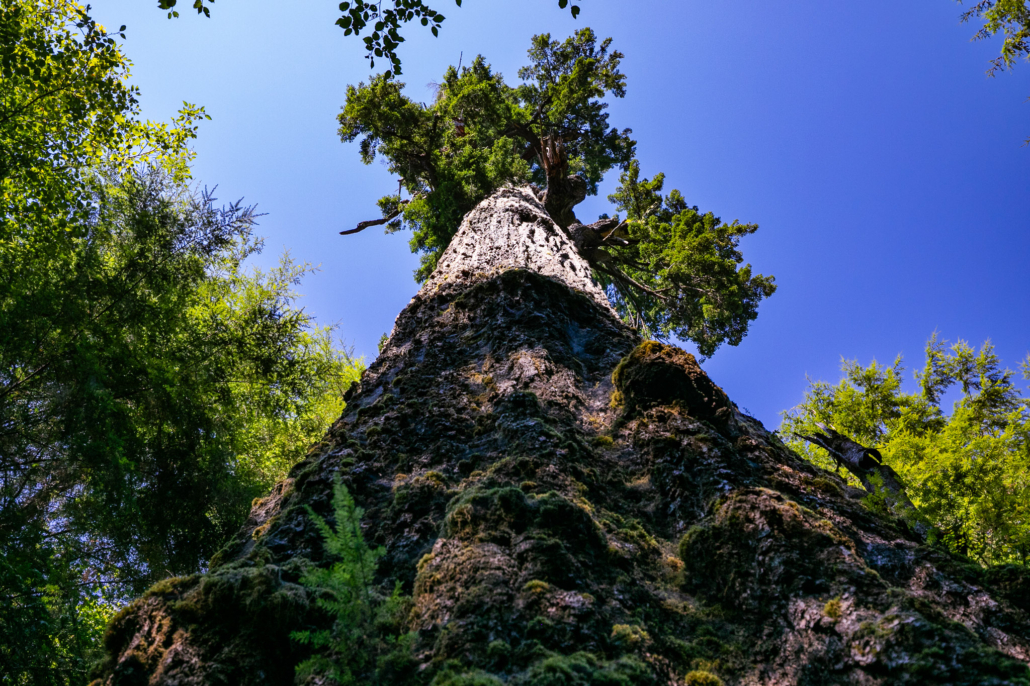
UPDATED: Port Renfrew Big Trees Map
Explore the updated Port Renfrew Big Trees Map with new directions, trails, and routes to iconic giants like Big Lonely Doug, Eden Grove, and more.
https://staging.ancientforestalliance.org/wp-content/uploads/2025/05/13-Red-Creek-Fir.jpg
1365
2048
TJ Watt
https://staging.ancientforestalliance.org/wp-content/uploads/2026/05/Ancient-Forest-Alliance-logo.svg
TJ Watt2026-05-29 15:39:342026-05-29 15:40:49UPDATED: Port Renfrew Big Trees Map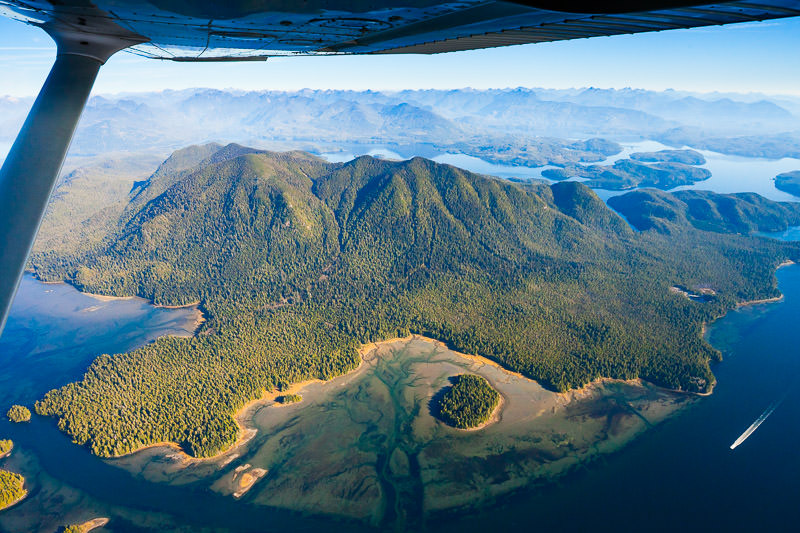
NEW! West Coast Old-Growth Hiking Guide
Explore AFA’s NEW West Coast old-growth hiking guide. From Clayoquot Sound to Port Alberni, there are trails for every skill level!
https://staging.ancientforestalliance.org/wp-content/uploads/2026/05/meares-island-big-tree-trail-tofino-1200px-338.jpg
533
800
TJ Watt
https://staging.ancientforestalliance.org/wp-content/uploads/2026/05/Ancient-Forest-Alliance-logo.svg
TJ Watt2026-05-29 12:06:002026-05-29 15:42:38NEW! West Coast Old-Growth Hiking Guide
Now Hiring: Contract Graphic Designer!
Ancient Forest Alliance is hiring a contract Graphic Designer to help bring our campaigns to life through print and digital materials.
https://staging.ancientforestalliance.org/wp-content/uploads/2026/05/flores-island-wildside-trail-1200px-430.jpg
800
1200
TJ Watt
https://staging.ancientforestalliance.org/wp-content/uploads/2026/05/Ancient-Forest-Alliance-logo.svg
TJ Watt2026-05-22 12:22:292026-05-22 12:22:29Now Hiring: Contract Graphic Designer!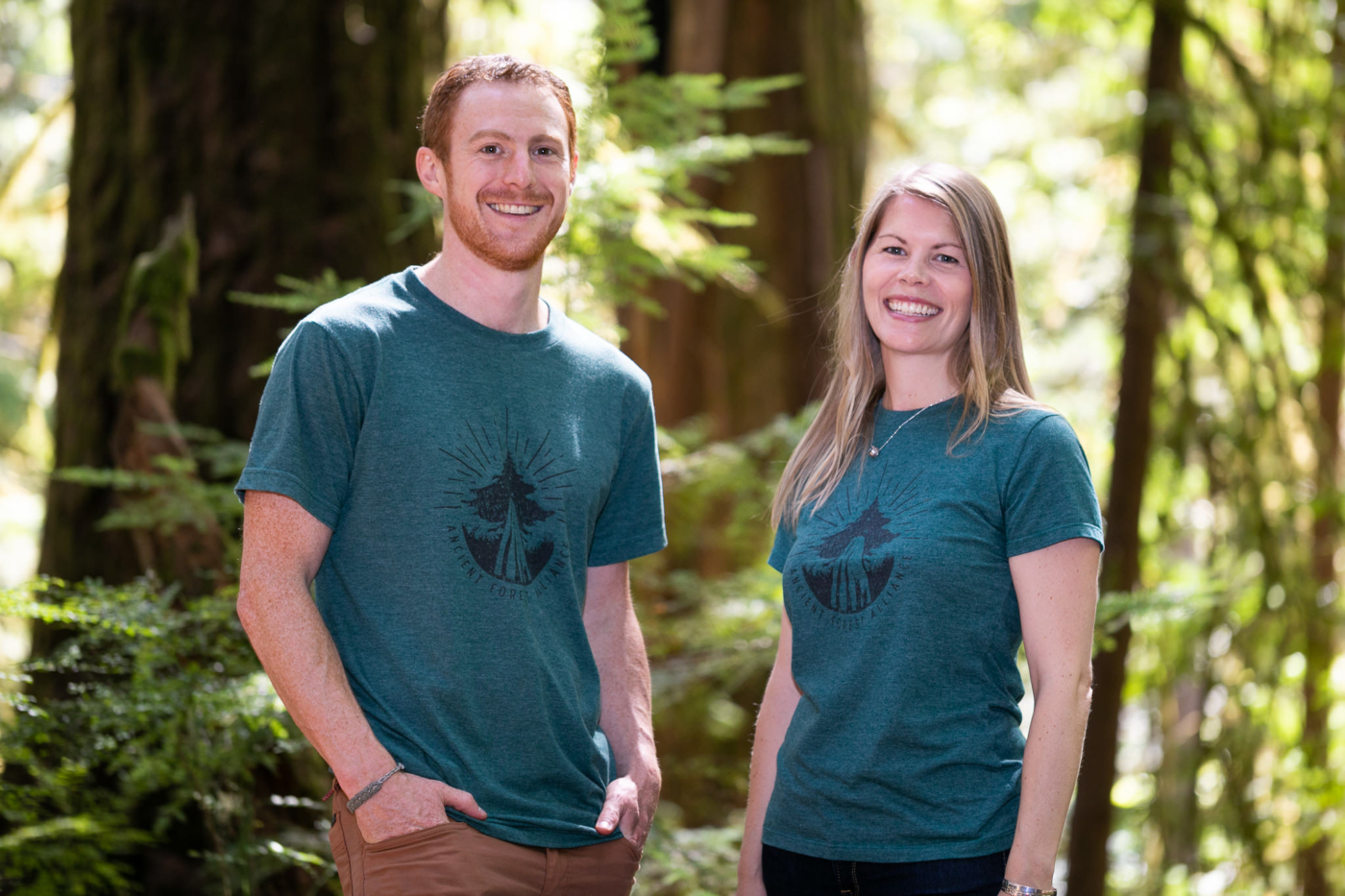
Design AFA’s Next T-Shirt and Help Protect Old-Growth Forests!
Calling all artists! For Earth Month, AFA is launching our first-ever Community T-Shirt Design Contest.
https://staging.ancientforestalliance.org/wp-content/uploads/2026/04/AFA-T-Shirt-Green-Mens-Womens.jpg
1365
2048
TJ Watt
https://staging.ancientforestalliance.org/wp-content/uploads/2026/05/Ancient-Forest-Alliance-logo.svg
TJ Watt2026-05-15 08:13:232026-05-19 09:33:44Design AFA’s Next T-Shirt and Help Protect Old-Growth Forests! Donate
 Send a Message
Secrets of Clayoquot Event – Tuesday, April 5th, 7:30-9:00pm, Ambrosia Event Centre, Victoria, BC.
/in AnnouncementsThe Ancient Forest Alliance is excited to host an important event presented by the Friends of Clayoquot Sound this coming Tuesday, April 5th from 7:30-9:00 PM at the Ambrosia Event Centre, 638 Fisgard Street, Victoria, BC.
Facebook event page: https://www.facebook.com/home.php#!/event.php?eid=175550509158893
Join sea kayakers Dan Lewis and Bonny Glambeck of Tofino for an unforgettable slideshow journey through the natural beauty and splendor of Clayoquot Sound.
Learn about the ecology of the region’s globally significant ancient rainforests, and how industrial activity threatens this UNESCO Biosphere reserve.
The couple are seasoned naturalists and expedition sea kayakers who have paddled most of the BC coast. They will share stories about their many adventures at home in Clayoquot Sound, and show images from some of BC’s leading outdoor photographers.
Don’t miss this entertaining, informative and inspiring evening!
This BC-wide tour brought to you by the Friends of Clayoquot Sound and Mountain Equipment Co-op
Admission by donation $5-$10 https://clayoquot.tumblr.co
Please CONFIRM your attendence, INVITE your family/friends and SHARE this event via Facebook, Twitter, E-Mail, etc!
Facebook event page: https://www.facebook.com/home.php#!/event.php?eid=175550509158893
New INCREDIBLE High-Definition (HD) Video Shot in the Avatar Grove!
/in Announcements, Thank You, VideoTweet
Click here for a direct link to the video
Professional videographer Darryl Augustine recently spent two days gathering high-definition video clips with AFA photographer TJ Watt in the Avatar Grove and Gordon River Valley near Port Renfrew.
Shooting with the Canon 5D MK II, the Canon 7D, and using a pocket dolly to roll smooth shots, Darryl has captured some of the most stunning, Planet Earth-like video of these incredible yet threatened forests. This clip is a rough edit of some of the footage gathered during the trip. (note – a clip of the San Juan Spruce is spliced in with the Avatar Grove footage)
Thanks to Darryl for volunteering his skills to help forward the campaign to protect BC’s endangered old-growth forests! The video footage will prove very useful in the future for a mini-documentary and TV news media handouts.
Port Renfrew aided by donations
/in News CoverageTweet
Once the phrase “Avatar Grove” was coined, the flood gates opened out at Port Renfrew.
Avatar Grove refers to the stand of old growth forest just outside Port Renfrew and features the “Canada’s Gnarliest Tree,” a giant red cedar with a 12-foot wide contorted burl located just five minutes past the end of the paved road.
Perhaps it was because of the popular movie, perhaps it was the incredible tree itself but, in any case, efforts by the Ancient Forest Alliance are paying off and the trees in the grove are one step closer to being protected.
At a fundraiser on March 17 at the Sooke Harbour House, local area business people and interested conservationists came together to raise funds for an information centre in Port Renfrew.
“The Ancient Forest Alliance became an integral part of our community and the chamber of commerce and our campaign to protect these forests,” said Port Renfrew Chamber of Commerce president Rosie Betsworth.
Ken Wu, of the Ancient Forest Alliance, spoke of small towns inCanada Canada
“It’s the real deal, the biggest fir tree on the planet and the gnarliest tree in the country in the Avatar Grove. It is a rallying point for people who want to save the old growth forest,” said Wu.
He said Avatar Grove is still unprotected although the logging company has stated it is not interested in logging in the grove.
“It is a magnificent forest for future generations. The increasing number of people will ramp up the total visitor-ship of the entire region,” said Wu.
Jon Cash was pointed out as the first person to push for increased protection of old growth in Port Renfrew. He said that with an adult population of 75 voters politicians aren’t there for you.
“The Ancient Forest Alliance has given us a voice and the chamber of commerce a voice… it is rebranding the whole town,” said Cash. “We are hugely affected by this campaign.”
He said people came to the area expected to see big trees and this “special place” needs to be treated as such.
Photographer TJ Watt said he has seen a shift in people’s willingness to protect those ancient trees.
“It was not by ranting and raving to save the trees,” he said.
The Ancient Forest Alliance is working to get the government to establish an old-growth management area where trees will be valued and protected.
“If we don’t succeed it will be the ‘Biggest Stump Capital of BC’,” said Watt.
By May 1, the Port Renfrew Chamber of Commerce wants to have its information centre up and running.
Adrianne Carr of the Green Party led the pledge auction which raised $6,100 in cash and in-kind services for the chamber of commerce.