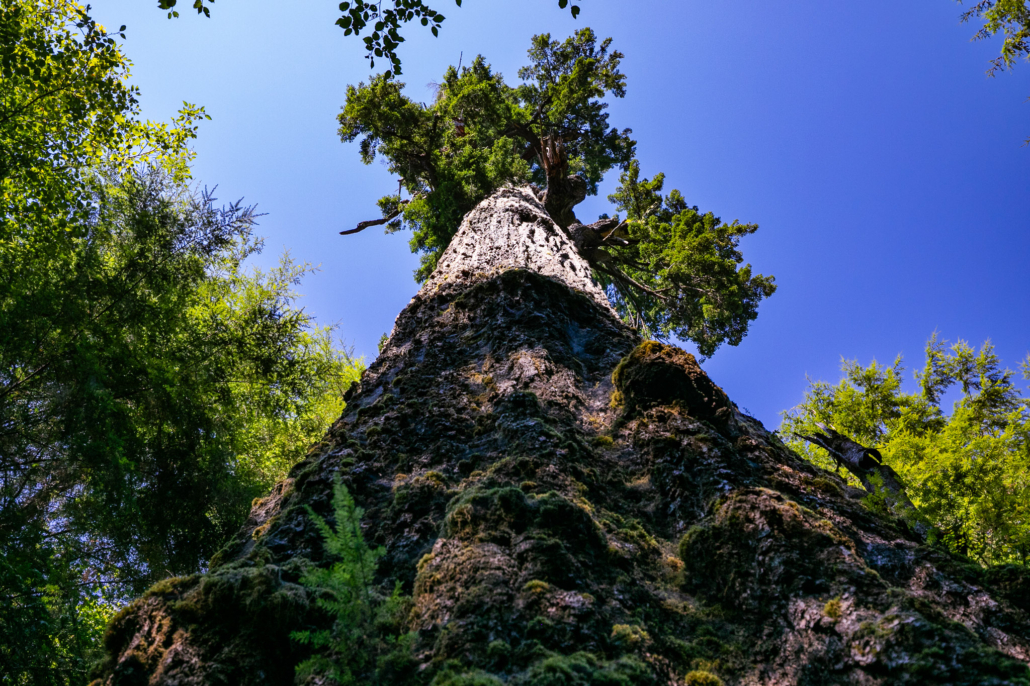
UPDATED: Port Renfrew Big Trees Map
Explore the updated Port Renfrew Big Trees Map with new directions, trails, and routes to iconic giants like Big Lonely Doug, Eden Grove, and more.
https://staging.ancientforestalliance.org/wp-content/uploads/2025/05/13-Red-Creek-Fir.jpg
1365
2048
TJ Watt
https://staging.ancientforestalliance.org/wp-content/uploads/2026/05/Ancient-Forest-Alliance-logo.svg
TJ Watt2026-05-29 15:39:342026-05-29 15:40:49UPDATED: Port Renfrew Big Trees Map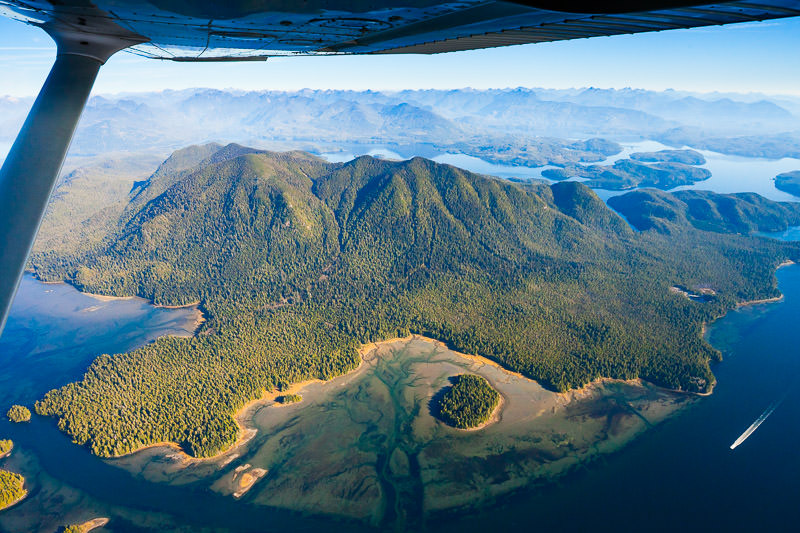
NEW! West Coast Old-Growth Hiking Guide
Explore AFA’s NEW West Coast old-growth hiking guide. From Clayoquot Sound to Port Alberni, there are trails for every skill level!
https://staging.ancientforestalliance.org/wp-content/uploads/2026/05/meares-island-big-tree-trail-tofino-1200px-338.jpg
533
800
TJ Watt
https://staging.ancientforestalliance.org/wp-content/uploads/2026/05/Ancient-Forest-Alliance-logo.svg
TJ Watt2026-05-29 12:06:002026-05-29 15:42:38NEW! West Coast Old-Growth Hiking Guide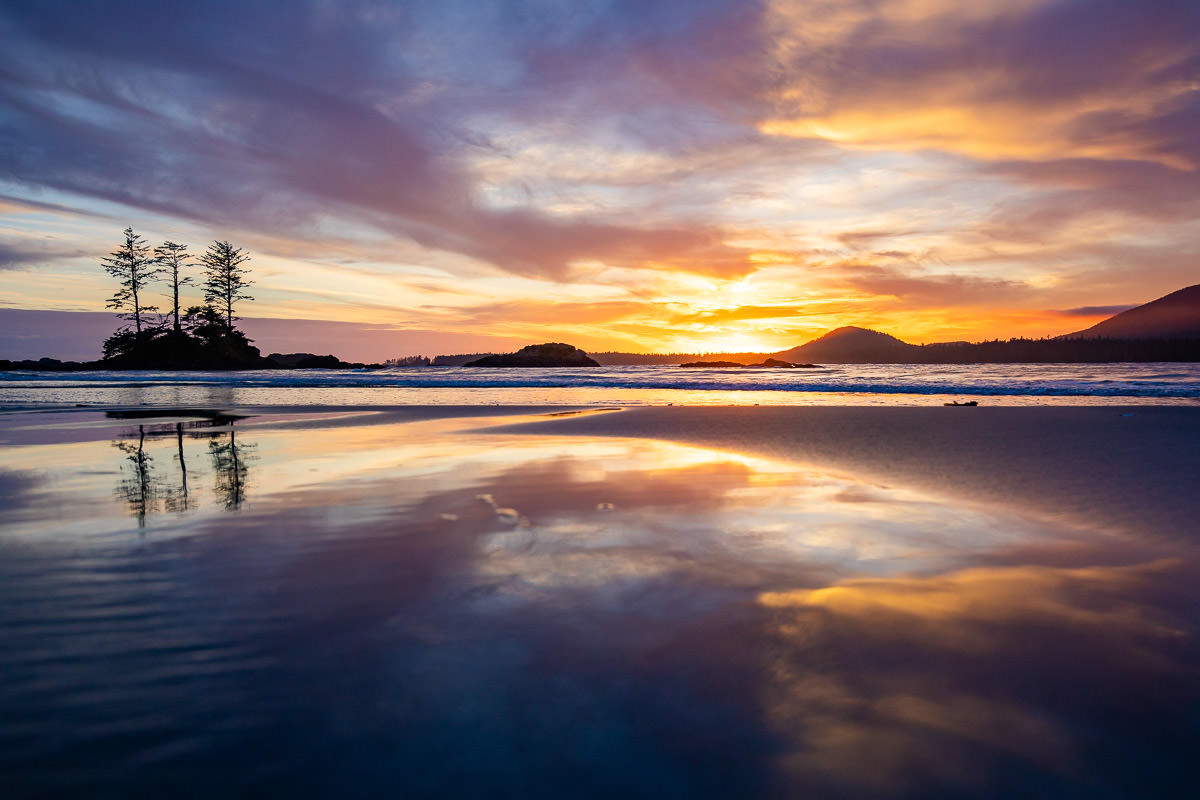
Now Hiring: Contract Graphic Designer!
Ancient Forest Alliance is hiring a contract Graphic Designer to help bring our campaigns to life through print and digital materials.
https://staging.ancientforestalliance.org/wp-content/uploads/2026/05/flores-island-wildside-trail-1200px-430.jpg
800
1200
TJ Watt
https://staging.ancientforestalliance.org/wp-content/uploads/2026/05/Ancient-Forest-Alliance-logo.svg
TJ Watt2026-05-22 12:22:292026-05-22 12:22:29Now Hiring: Contract Graphic Designer!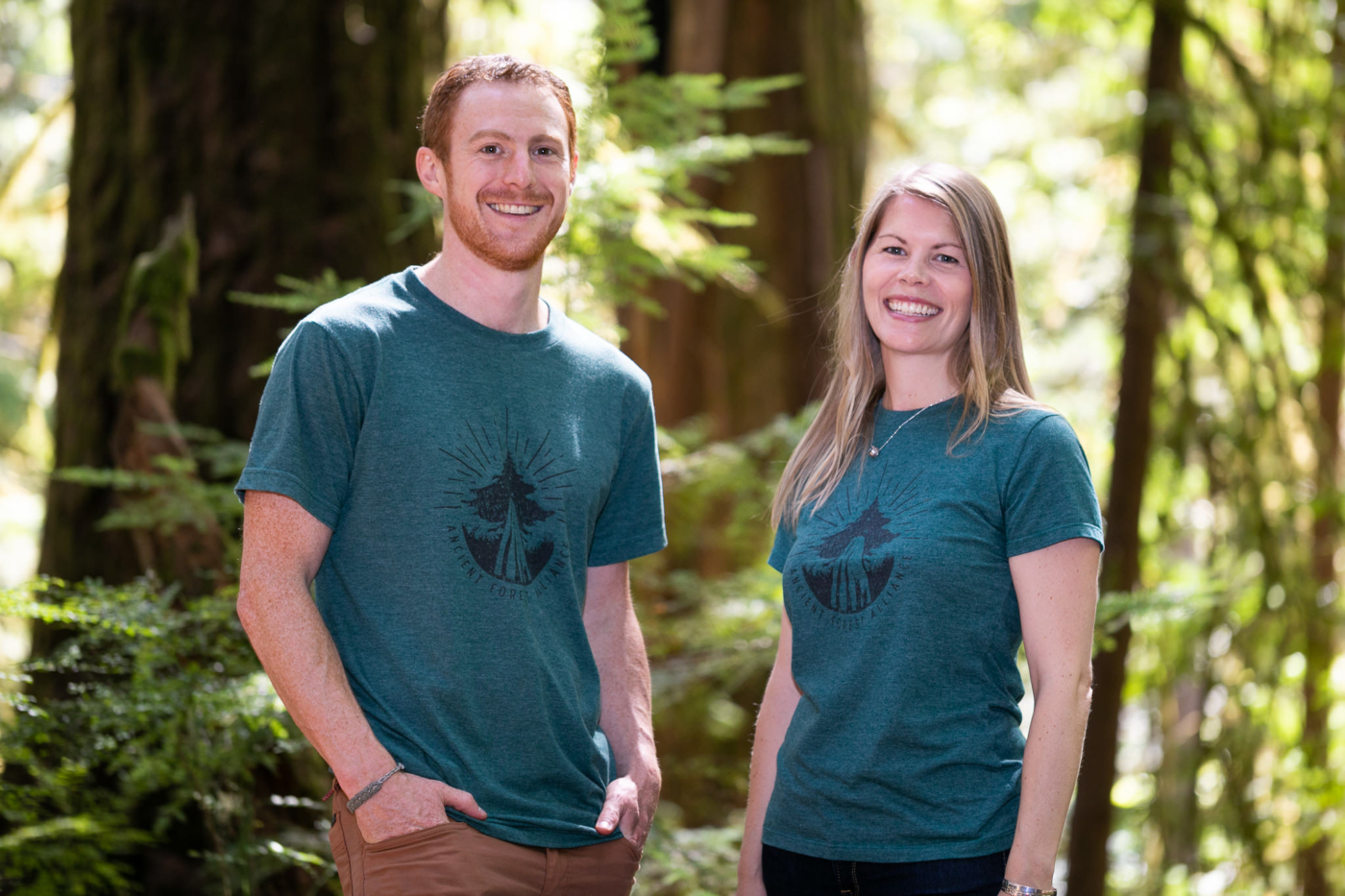
Design AFA’s Next T-Shirt and Help Protect Old-Growth Forests!
Calling all artists! For Earth Month, AFA is launching our first-ever Community T-Shirt Design Contest.
https://staging.ancientforestalliance.org/wp-content/uploads/2026/04/AFA-T-Shirt-Green-Mens-Womens.jpg
1365
2048
TJ Watt
https://staging.ancientforestalliance.org/wp-content/uploads/2026/05/Ancient-Forest-Alliance-logo.svg
TJ Watt2026-05-15 08:13:232026-05-19 09:33:44Design AFA’s Next T-Shirt and Help Protect Old-Growth Forests! Donate
 Send a Message
June 14th – Rally to support Hul’quimi’num people’s fight against takeover of TimberWest
/in Announcements, Take ActionTimberWest is holding their AGM tomorrow at the Sutton Place Hotel in Vancouver, BC starting at 10:00 am. People will start gathering at 9:00 am and the rally will begin at 9:30 am.
TimberWest’s holdings in British Columbia include 113,208 hectares of forest lands within the Hul’qumi’num Territory. The takeover is being undertaken without full consultation of the Indigenous people of that territory, which is a direction violation under Canada’s International Human Rights treaty obligations.” Kat Norris Indigenous Action Movement
“The Hul’qumi’num people continue to assert their fundamental human rights to these lands and resources on Vancouver Island. To protect their rights in their lands and resources involved in this billion dollar transaction, HTG has today filed a request for immediate assistance in the form of precautionary measures (the equivalent of an injunction) from the Inter American Commission on Human Rights (IACHR), the human rights monitoring organ of the Organization of American States, which Canada joined in 1990.” https://www.newswire.ca/en/releases/archive/May2011/12/c4226.html
“In the 1880s Canada seized—without agreement or compensation—over 385,000 hectares of lands and resources owned and occupied by the Hul’qumi’num, on the basis that the Hul’qumi’num as ‘indians’, were inferior and not entitled to the same rights as others.” Lawyers Rights Watch. Gail Davidson, Executive Director
Clear cutting in Hul’qumi’num Treaty Group traditional territory on southeastern Vancouver Island: https://www.youtube.com/watch?v=yEpuciCDCcw&feature=mfu_in_order&list=UL
World’s Largest Douglas-fir Tree – The Red Creek Fir!
/in AnnouncementsTweet
Please sign our petition at https://staging.ancientforestalliance.org/ways-to-take-action-for-forests/petition/
The largest Douglas-fir on Earth is the Red Creek Fir on Vancouver Island. The tree and a small surrounding stand of trees currently receive “soft” protection through an Old-Growth Management Area, but legislated “hard” protection is needed in the form of a conservancy, park, or ecological reserve that also encompasses a much larger buffer area.
More importantly, BC needs to implement a provincial old-growth strategy to end logging of our endangered old-growth forests and to ensure value-added, second-growth forestry instead.
Height: 73.8m (242′), Circumference: 13.3m (43.7′), Diameter: 4.2m (14′)
Direct link to video: https://www.youtube.com/watch?v=XfBWLVj-Xjg
Translation needed in raw-log export debate
/in News CoverageTweet
I’m thinking the public may need some interpretation on this treatise defending raw log exports in the Times Colonist [article not available anymore].
The three authors, all logging industry executives, are speaking logspeak, a language that may be confused with English.
They say: Raw log exports “make some stands of timber economically viable which previously would have been left standing.”
The translation: “Raw log exports allow us to liquidate forests for quick profit without regard for future potential.”
They say: These logs “cannot be processed in the company’s mills.” The translation: “We haven’t invested in our mills to be competitive with international markets, nor do we have any impetus to do so if we can continue to make quick money with no need for investment through raw log exports.”
They say: A log export panel approves raw log exports “based on a surplus test.” The translation: “This doesn’t include private forestry land, which composes the bottom third of Vancouver Island and most of Vancouver Island’s best forests, which can be exported without restriction and composes the bulk of the trees being loaded into freighters every week. But we won’t mention that because it kills the point we were trying to make.”
They say: “In WFP’s case, our exports allow 1.5 million cubic metres to be harvested that would not otherwise be economically viable.” The translation: “BC’s forest industry isn’t in complete cardiac arrest, so be thankful for the little you have left.”
They say: “The company ran 23 per cent more shifts at its Island mills in the first quarter of this year than in 2010.” The translation: “We bottomed out in the first quarter of 2010, and if we can link an unrelated upswing to make our case for raw log exports we will do so.”
They say: “Banning log exports from BC would transfer economic wealth and jobs to these other exporting countries.” The translation: “We will justify our inefficiency because international markets are forcing a downward spiral, which we can use to leverage less oversight of our industry.”
If you feel a bit like the three authors read you a bedtime story, patted you on the head and tucked you in, you’re not alone.
But I’m still a bit lost on the story’s ending, which doesn’t ring true.
Here’s the reason. Every time I hear a logging company representative tell me it’s in the public’s best interest that we liquidate our forests inefficiently, I tend to think they’re confusing the public’s best interest with their own.
For instance, as a shareholder in Crown forests (as all Canadians are), I’d like to see our public forests managed for sustainability, value-added job potential, affordable domestic use and recreational values with profits to support education, health care and other social needs. I suspect those are very far removed from the values reflected by the writers and the shareholders of the companies they represent.
They say: “Certainly the current policy and system can be improved.” The translation (loosely interpreted): “We’d like fewer restrictions on exporting logs.”
What it should mean: “BC’s forests are a valuable public resource that should be managed with public ideals in mind.”
Apologies that my logspeak is a bit rusty, as I don’t think there’s a term in logspeak for “public ideals.”
John Kimantas is the editor of Wavelength magazine and author of The Wild Coast.