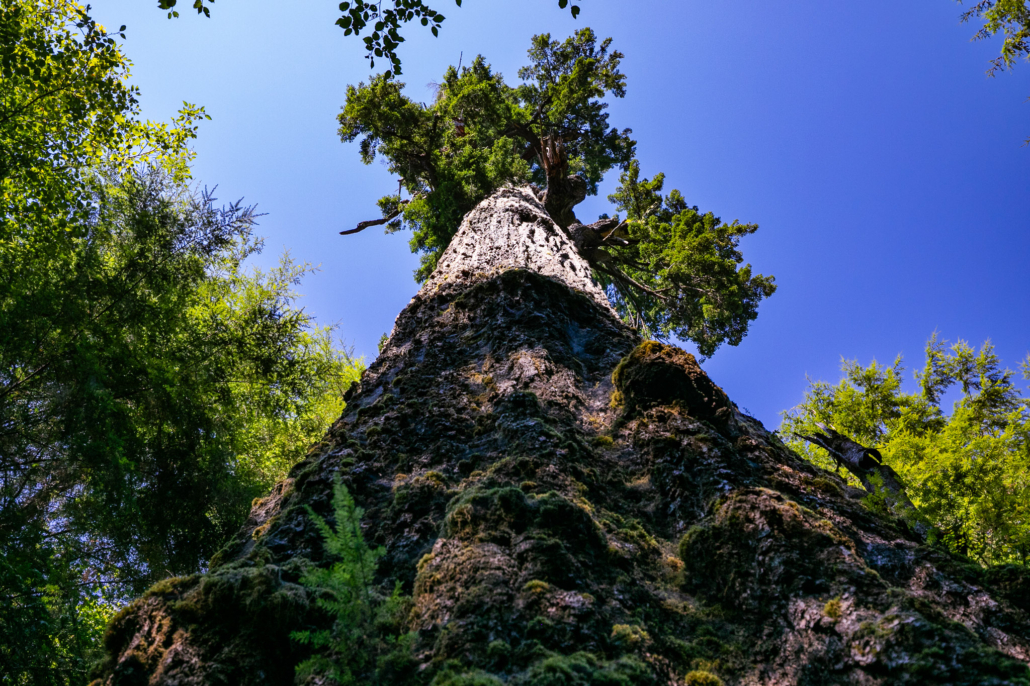
UPDATED: Port Renfrew Big Trees Map
Explore the updated Port Renfrew Big Trees Map with new directions, trails, and routes to iconic giants like Big Lonely Doug, Eden Grove, and more.
https://staging.ancientforestalliance.org/wp-content/uploads/2025/05/13-Red-Creek-Fir.jpg
1365
2048
TJ Watt
https://staging.ancientforestalliance.org/wp-content/uploads/2026/05/Ancient-Forest-Alliance-logo.svg
TJ Watt2026-05-29 15:39:342026-05-29 15:40:49UPDATED: Port Renfrew Big Trees Map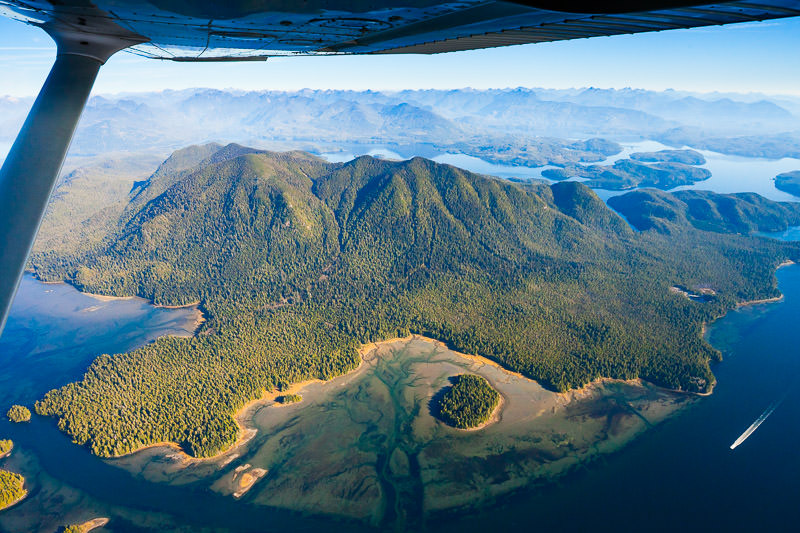
NEW! West Coast Old-Growth Hiking Guide
Explore AFA’s NEW West Coast old-growth hiking guide. From Clayoquot Sound to Port Alberni, there are trails for every skill level!
https://staging.ancientforestalliance.org/wp-content/uploads/2026/05/meares-island-big-tree-trail-tofino-1200px-338.jpg
533
800
TJ Watt
https://staging.ancientforestalliance.org/wp-content/uploads/2026/05/Ancient-Forest-Alliance-logo.svg
TJ Watt2026-05-29 12:06:002026-05-29 15:42:38NEW! West Coast Old-Growth Hiking Guide
Now Hiring: Contract Graphic Designer!
Ancient Forest Alliance is hiring a contract Graphic Designer to help bring our campaigns to life through print and digital materials.
https://staging.ancientforestalliance.org/wp-content/uploads/2026/05/flores-island-wildside-trail-1200px-430.jpg
800
1200
TJ Watt
https://staging.ancientforestalliance.org/wp-content/uploads/2026/05/Ancient-Forest-Alliance-logo.svg
TJ Watt2026-05-22 12:22:292026-05-22 12:22:29Now Hiring: Contract Graphic Designer!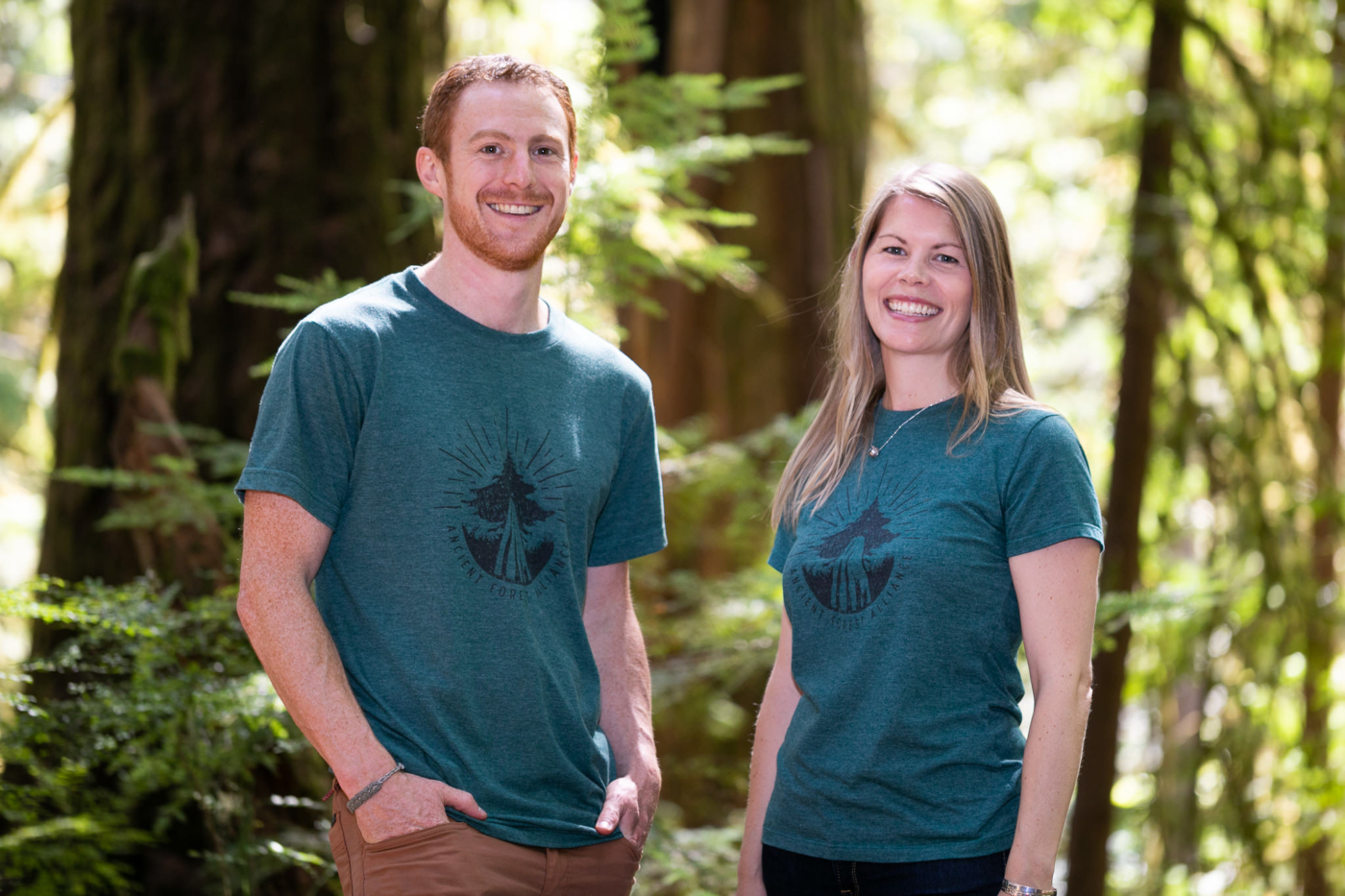
Design AFA’s Next T-Shirt and Help Protect Old-Growth Forests!
Calling all artists! For Earth Month, AFA is launching our first-ever Community T-Shirt Design Contest.
https://staging.ancientforestalliance.org/wp-content/uploads/2026/04/AFA-T-Shirt-Green-Mens-Womens.jpg
1365
2048
TJ Watt
https://staging.ancientforestalliance.org/wp-content/uploads/2026/05/Ancient-Forest-Alliance-logo.svg
TJ Watt2026-05-15 08:13:232026-05-19 09:33:44Design AFA’s Next T-Shirt and Help Protect Old-Growth Forests! Donate
 Send a Message
Conservationists Call for the Protection of Endangered Ecosystems on Department of National Defence Lands
/in News CoverageAncient Forest Alliance worries about potential sell-off of unused DND lands for real estate development and calls for federal government to let Canadian Wildlife Service, Parks Canada, the provinces, regional districts, and First Nations protect unused DND lands.
The potential sell-off of Department of National Defence (DND) lands reported by the Ottawa Citizen and the Canadian media recently is causing concern for conservationists who fear some of Canada’s most endangered ecosystems could be jeopardized by real estate development.
Instead the Ancient Forest Alliance is calling on the federal government to protect the endangered ecosystems and exceptional natural areas on unused DND lands through:
– the Canadian Wildlife Service as new National Wildlife Areas
– Parks Canada as new National Parks
– transferring unused DND lands to the provinces for new Provincial Parks, Provincial Conservancies (in BC), or Ecological Reserves
– to Regional Districts in BC as new Regional Parks
– to First Nations as treaty settlement lands under agreement to become new First Nations protected areas where subsistence, cultural, and spiritual uses will continue
The Department of National Defence controls 800 parcels of federal public lands totalling 2.25 million hectares (about two-thirds the size of Vancouver Island) in Canada for military use, although vast areas are unused and remain in excellent ecological condition. From endangered coastal old-growth forests to prairie grasslands to Carolinian deciduous forests in southern Ontario to large intact boreal forests, Canada’s least disturbed ecosystems are often in the unused portions of the DND’s lands.
“It might be surprising to most Canadians, but in many cases the ecosystems in the best ecological condition in Canada are on DND lands. Much DND land is unused, and in other areas the occasional bullets and bombs still often have lower impacts than the large-scale industrial resource extraction, clearcutting, strip-mining, oil drilling, agriculture, and suburban sprawl that impact other lands in Canada,” stated Ken Wu of the Ancient Forest Alliance. “We’re demanding that the federal government show environmental leadership by protecting the endangered ecosystems and key natural areas on DND lands through new National and Provincial Parks, National Wildlife Areas, and Ecological Reserves rather than selling them off for suburban sprawl.”
In the Capital Regional District around Victoria, the DND controls over 4000 hectares of public lands, which include the very finest old-growth Coastal Douglas Fir forests and Garry oak ecosystems left in Canada in places like at the Rocky Point and Mary Hill DND lands in Metchosin, and at DND lands behind the Juan de Fuca Recreation Centre, adjacent to Fort Rodd National Historic Park, and at Royal Roads University (which leases their lands from the DND) in Colwood.
“40% of the Coastal Douglas Fir ecosystem is now underneath the pavement of Victoria, Nanaimo, and Duncan, or converted to agriculture, and 99% of its old-growth forests are already logged. The finest remnants of the Coastal Douglas Fir ecosystem are here on the DND lands,” stated TJ Watt, Ancient Forest Alliance campaigner and photographer. “It’s a first rate national conservation priority to get them protected. It’s time for everyone to speak up!”
Ottawa Citizen link: https://blogs.ottawacitizen.com/2011/10/26/conservationists-call-for-the-protection-of-endangered-ecosystems-on-department-of-national-defence-lands/
Conservationists call for the Protection of Endangered Ecosystems on Department of National Defence (DND) Lands
/in Media ReleaseAncient Forest Alliance worries about potential sell-off of unused DND lands for real estate development and calls for federal government to let Canadian Wildlife Service, Parks Canada, the provinces, regional districts, and First Nations protect unused DND lands.
The potential sell-off of Department of National Defence (DND) lands reported by the Ottawa Citizen and the Canadian media recently is causing concern for conservationists who fear some of Canada’s most endangered ecosystems could be jeopardized by real estate development.
Instead the Ancient Forest Alliance is calling on the federal government to protect the endangered ecosystems and exceptional natural areas on unused DND lands through:
– the Canadian Wildlife Service as new National Wildlife Areas
– Parks Canada as new National Parks
– transferring unused DND lands to the provinces for new Provincial Parks, Provincial Conservancies (in BC), or Ecological Reserves
– to Regional Districts in BC as new Regional Parks
– to First Nations as treaty settlement lands under agreement to become new First Nations protected areas where subsistence, cultural, and spiritual uses will continue
The Department of National Defence controls 800 parcels of federal public lands totalling 2.25 million hectares (about two-thirds the size of Vancouver Island) in Canada for military use, although vast areas are unused and remain in excellent ecological condition. From endangered coastal old-growth forests to prairie grasslands to Carolinian deciduous forests in southern Ontario to large intact boreal forests, Canada’s least disturbed ecosystems are often in the unused portions of the DND’s lands.
“It might be surprising to most Canadians, but in many cases the ecosystems in the best ecological condition in Canada are on DND lands. Much DND land is unused, and in other areas the occasional bullets and bombs still often have lower impacts than the large-scale industrial resource extraction, clearcutting, strip-mining, oil drilling, agriculture, and suburban sprawl that impact other lands in Canada,” stated Ken Wu of the Ancient Forest Alliance. “We’re demanding that the federal government show environmental leadership by protecting the endangered ecosystems and key natural areas on DND lands through new National and Provincial Parks, National Wildlife Areas, and Ecological Reserves rather than selling them off for suburban sprawl.”
In the Capital Regional District around Victoria, the DND controls over 4000 hectares of public lands, which include the very finest old-growth Coastal Douglas Fir forests and Garry oak ecosystems left in Canada in places like Rocky Point and Mary Hill in Metchosin, and DND lands behind the Juan de Fuca Recreation Centre, adjacent to Fort Rodd National Historic Park, and at Royal Roads University (which leases their lands from the DND) in Colwood.
“40% of the Coastal Douglas Fir ecosystem is now underneath the pavement of Victoria, Nanaimo, and Duncan, or converted to agriculture, and 99% of its old-growth forests are already logged. The finest remnants of the Coastal Douglas Fir ecosystem are here on the DND lands,” stated TJ Watt, Ancient Forest Alliance campaigner and photographer. “It’s a first rate national conservation priority to get them protected. It’s time for everyone to speak up!”
Ancient forests in B.C. – Canadian Geographic Blog
/in News CoverageDirect link to video: https://youtu.be/t5Z8NVbOiGY
On the southwest coast of Vancouver Island, just 15 minutes north of the historic logging town of Port Renfrew, an ancient old-growth forest named Avatar Grove gives visitors a glimpse of how the island’s trees may have looked 1,000 years ago.
Discovered in 2009 by photographer TJ Watt, cofounder of the Victoria-based environmental group the Ancient Forest Alliance, this 40-hectare old-growth forest is home to western red cedars and Douglas fir trees that stretch up to four metres in width.
Vancouver Island has lost 73 percent of its productive old-growth forest to logging, so Watt immediately recognized the significance of stumbling upon the pristine parcel of land.
The AFA has taken thousands of visitors on educational hikes through Avatar Grove to raise awareness about the importance of protecting the islands’ remaining ancient forests.
“To work to save an area, wherever you are in the world, if you experience a place yourself it gives you a greater resolve to protect it,” says Watt. “If you can experience that in real life you have a much greater and deeper appreciation.”
The AFA’s campaigning efforts and partnership with the local Port Renfrew Chamber of Commerce has generated significant media attention and sparked a public conversation about whether the provincial government is doing enough to protect B.C.‘s old-growth forests.
The value of old trees
British Columbia is home to one of the largest coastal temperate rainforests left the world.
Saturated by an average annual precipitation of 3,671 mm — that’s three times more rain than Vancouver gets in a year — trees in Port Renfrew absorb enough water to resist pests and forest fires, enabling them to live and grow for as long as 1,000 years.
Their slow growth produces tighter growth rings and a high quality of wood less susceptible to bending and twisting with age. This makes them attractive targets of the logging industry: Ancient logs can be worth thousands of dollars.
The business of cutting down trees in B.C. has developed a symbiotic venture with tree planting. Since 1987, reforestation laws in B.C. require companies to replant areas that they harvest.
Forty million seedlings have been planted in B.C. since 2005, according to Pat Bell, former Minister of Forests and Range.
But a recent study by Anthony Britneff, who worked for the B.C. Forest Service for 39 years, found that harvested areas are not always replanted adequately, meaning seedlings do not grow productively.
Britneff states that “not satisfactorily restocked,” or NSR, forests are estimated to be larger than they were 25 years ago and cover an area nearly three times the size of Vancouver Island. These NSR statistics help determine the annual allowable cut and can potentially limit the amount of land that can be harvested for lumber.
A 90 percent funding cut to B.C.’s reforestation program in 2002 has made ensuring the accuracy of NSR statistics difficult, leading Britneff to argue that B.C. has an “unprecedented reforestation challenge” on its hands.
The value of old forests
Author Charlotte Gill, who spent 20 years working as a tree planter in Canada, experienced firsthand the challenges of trying to turn a clearcut into a forest.
In her new book, Eating Dirt, she questions whether the intricate relationships between species that have developed over centuries in old-growth forests can be replaced through the efforts of an army of shovels.
“Human hands can replace the trees but not necessarily the forest,” she writes.
Regrowing a forest can take up to 400 years, according to Gill’s research. Yet achieving the soil makeup necessary to sustain such a forest is a “millenial and geologic” process.
“You can’t build a forest floor in a nursery or manufacture topsoil in a mill.”
A “third-hand” forest, she writes, would be more brittle than the one it replaced. The next one would be leaner still. In the logging industry, this is known as falldown.
Gill describes our need for maintaining undisturbed forests as they store precious fresh water, absorb tonnes of carbon and guard against the otherwise inevitability of soil erosion. Keeping old forests intact also does more to mitigate climate change than planting new trees, as more carbon can be stored in the soil of an undisturbed ancient forest.
Provincial protection
Mark Haddock, an attorney with the Environmental Law Centre at the University of Victoria, says B.C. has historically viewed old-growth forests as a resource for lumber extraction, often overlooking the connection between the ecosystems that depend on them.
Species such as Roosevelt elk and northern spotted owls rely on the mix of new, old and decaying trees found in old-growth forests for food and shelter. The logging of B.C.’s pristine forests endangers these species as clear cutting continues.
“I think the conservation biology is pretty sound,” Haddock said. “I think it makes a pretty persuasive case to me as a British Columbian that there’s real merit in protecting old-growth forests. Now that we are aware of these ecological values, how do we act?”
Current provincial protection for old-growth forests is a matter of discretion by the government, Haddock said.
“There are rules that can and do protect old-growth,” Haddock said. “It’s just that the amount of old-growth that is protected is not stated in any mandatory way. It’s a discretionary decision by the government.”
Environmentalists like Watt question how long the logging of old-growth forests can continue as the AFA pushes the provincial government to grant Avatar Grove provincial park status.
“If they don’t have a plan and it’s not considered, what are they going to do in a couple decades when they finish it?” he said.
“It’s not if, it’s when.”
Direct link to Canadian Geographic article: https://www.canadiangeographic.ca/blog/posting.asp?ID=475