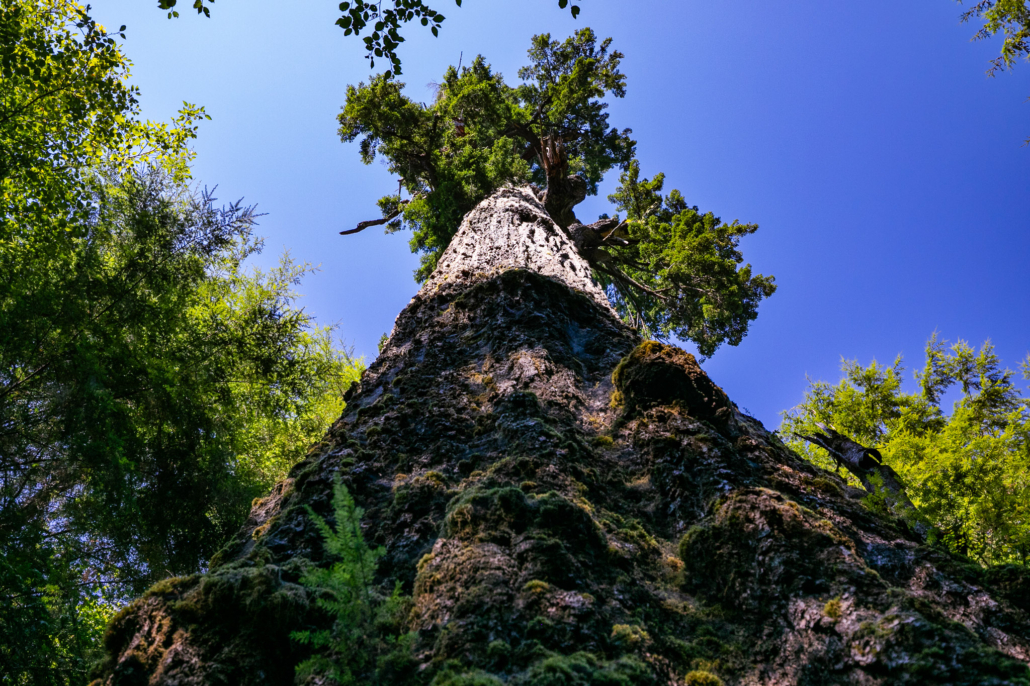
UPDATED: Port Renfrew Big Trees Map
Explore the updated Port Renfrew Big Trees Map with new directions, trails, and routes to iconic giants like Big Lonely Doug, Eden Grove, and more.
https://staging.ancientforestalliance.org/wp-content/uploads/2025/05/13-Red-Creek-Fir.jpg
1365
2048
TJ Watt
https://staging.ancientforestalliance.org/wp-content/uploads/2026/05/Ancient-Forest-Alliance-logo.svg
TJ Watt2026-05-29 15:39:342026-05-29 15:40:49UPDATED: Port Renfrew Big Trees Map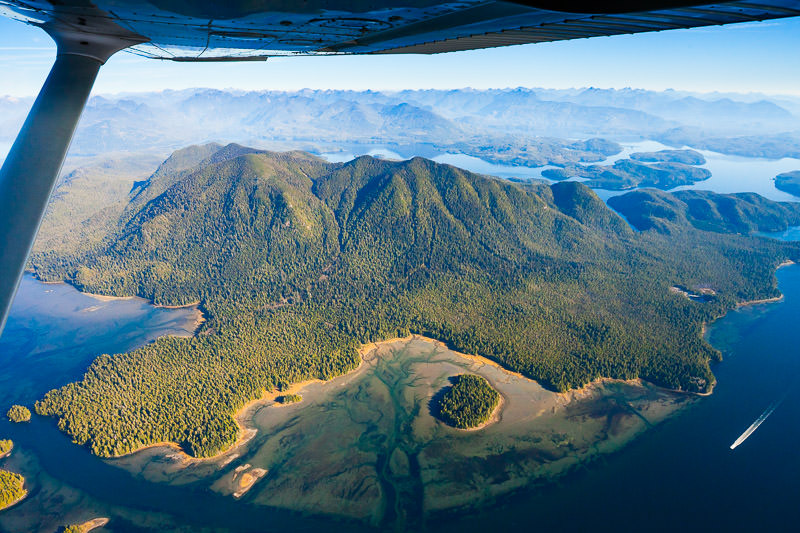
NEW! West Coast Old-Growth Hiking Guide
Explore AFA’s NEW West Coast old-growth hiking guide. From Clayoquot Sound to Port Alberni, there are trails for every skill level!
https://staging.ancientforestalliance.org/wp-content/uploads/2026/05/meares-island-big-tree-trail-tofino-1200px-338.jpg
533
800
TJ Watt
https://staging.ancientforestalliance.org/wp-content/uploads/2026/05/Ancient-Forest-Alliance-logo.svg
TJ Watt2026-05-29 12:06:002026-05-29 15:42:38NEW! West Coast Old-Growth Hiking Guide
Now Hiring: Contract Graphic Designer!
Ancient Forest Alliance is hiring a contract Graphic Designer to help bring our campaigns to life through print and digital materials.
https://staging.ancientforestalliance.org/wp-content/uploads/2026/05/flores-island-wildside-trail-1200px-430.jpg
800
1200
TJ Watt
https://staging.ancientforestalliance.org/wp-content/uploads/2026/05/Ancient-Forest-Alliance-logo.svg
TJ Watt2026-05-22 12:22:292026-05-22 12:22:29Now Hiring: Contract Graphic Designer!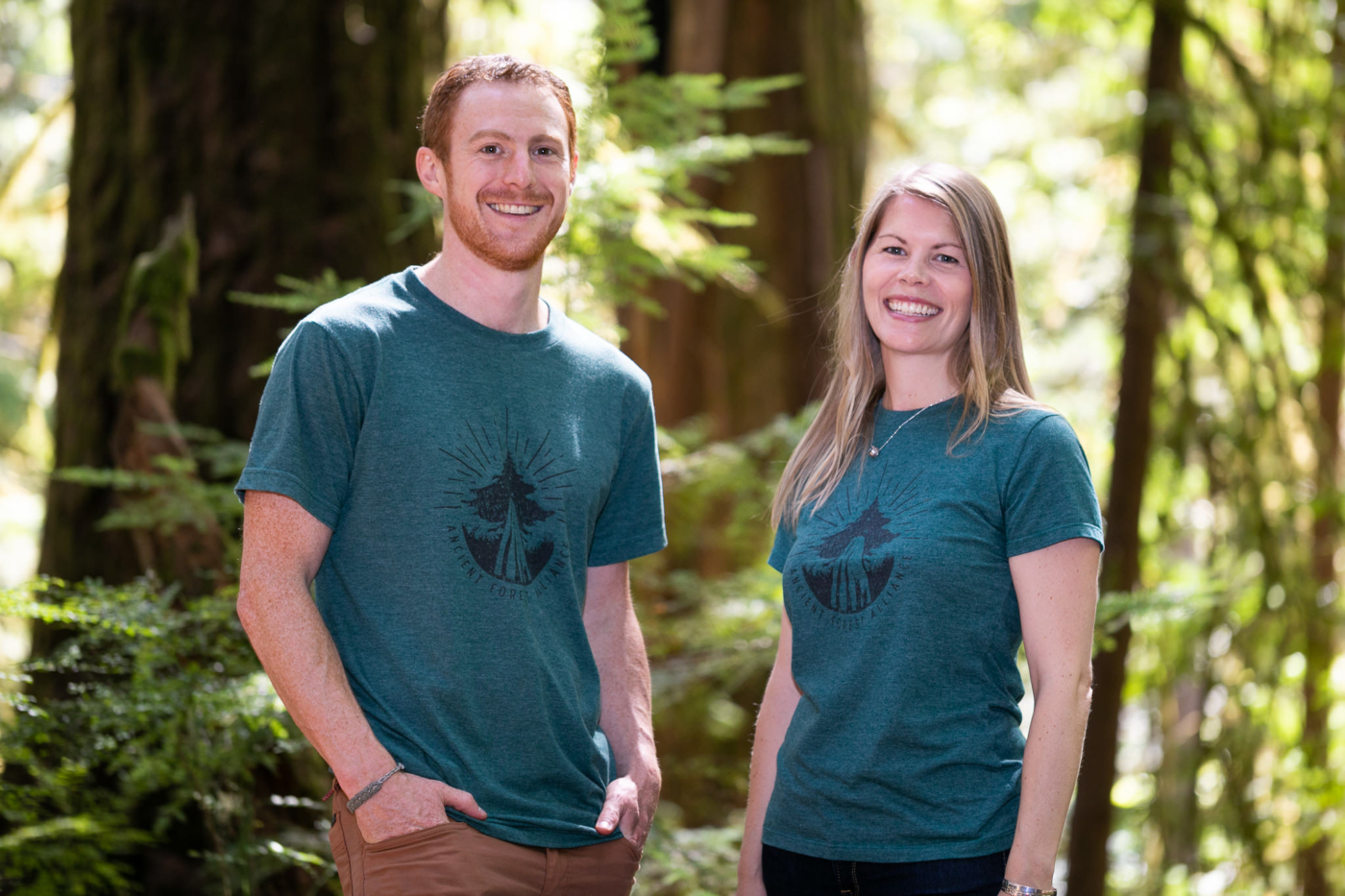
Design AFA’s Next T-Shirt and Help Protect Old-Growth Forests!
Calling all artists! For Earth Month, AFA is launching our first-ever Community T-Shirt Design Contest.
https://staging.ancientforestalliance.org/wp-content/uploads/2026/04/AFA-T-Shirt-Green-Mens-Womens.jpg
1365
2048
TJ Watt
https://staging.ancientforestalliance.org/wp-content/uploads/2026/05/Ancient-Forest-Alliance-logo.svg
TJ Watt2026-05-15 08:13:232026-05-19 09:33:44Design AFA’s Next T-Shirt and Help Protect Old-Growth Forests! Donate
 Send a Message

Salt Spring Island a ‘model’ for Cortes Island advocates to prevent logging of pristine B.C. forests.
/in News CoverageDirect link to video: https://youtu.be/CNryQq75rAE
As deadline looms for Island Timberlands to begin logging on Cortes Island, advocates are hoping for a re-enactment of an earlier success story to protect the area’s pristine forests.
“If Salt Spring Island is a model of what can happen, Island Timberlands needs to sell the land at the appraised value, not at an inflated value of the land that locals want to see protected…to make sure that if there’s logging, it’s in line with community values.”
Ken Wu, co-founder of the Victoria-based Ancient Forest Alliance, said if Cortes Island can generate enough public pressure, it may be able to repeat the events of 2001, when environmental advocates on Salt Spring Island pushed Texada Land Corporation to sell part of their land and save sensitive areas from logging.
Wu said he was “impressed by the tenacity of people on Cortes Island,” who have just submitted a petition with over 6,200 names to Island Timberlands to work towards more sustainable logging on the island.
Direct link to Vancouver Observer article: https://www.vancouverobserver.com/blogs/earthmatters/2012/01/14/salt-spring-island-model-cortes-island-advocates-prevent-logging
Ancient Forest Alliance confirms vital old growth in threatened Cortes Island woods
/in News CoverageDuring a brief visit to Cortes Island Friday, members of B.C.’s Ancient Forest Alliance (AFA) documented a surprising number of rare, old growth Douglas fir trees slated to be logged by Island Timberlands.
Just one day after activists delivered a 6,200-signature petition appealing to the company, concerned Cortes residents received confirmation that the trees were among the most significant remaining old growth stands in British Columbia – a fact that could help gain provincial support to purchase the land from private owners.
•Logging of pristine B.C. island forest to begin in January by Brookfield Asset Management
•Petition against logging pristine B.C. forest draws Margaret Atwood, Mia Farrow and 4700 signatures
•Hand delivered petition urges Island Timberlands to reconsider logging of pristine B.C. forest
“In these parts, at least 99 per cent of the old growth of these firs have been cut,” said AFA Executive Director Ken Wu.
“Normally what you find is individual veterans, but you don’t get a whole stand of it like this,” he said, pointing out several groups of centuries-old trees at the heart of Cortes Island.
“That’s really rare. So to have a whole cluster of these is provincially significant.”
Community activists from Cortes took Wu and AFA tree photographer TJ Watt on a tour through island forests to document remaining old growth stands, which could be affected by impending logging operations. According to Wu, the potential loss of these stands is particularly troubling given the fact that the area’s dry maritime ecosystem is one of the most endangered forest ecosystems in the province.
“It’s like shooting a black rhino,” he said.
Purchasing power
The Ancient Forest Alliance was invited by Cortes residents to visit proposed logging areas, examine and document their ecological value. The organization works to preserve endangered old growth forests across British Columbia, as well as maintaining sustainable forestry jobs in the province. By photographing the biggest, oldest trees on Cortes Island, they can help advocates prove the significance of the stands and make a better case for their protection.
“I think what it means is that we can get off-island support to do a purchase,” said Fred Savage, a Cortes furniture builder who has volunteered countless hours to the cause.
With enough financial support, locals could potentially buy the “high priority” land areas from Island Timberlands. Savage has doubts that they could come up with the funds, as Island Timberlands has indicated they won’t sell for less than twice the appraised market value. But for Wu, this type of success story isn’t unheard of.
“Basically, Island Timberlands needs to agree to sell at the appraised value, not over-inflated values of the lands that the locals want to see protected,” said Wu, noting the possibility of extra support from the government.
“The province has to kick in like they did in Salt Spring Island under pressure,” he said.
Wu is referring to a well-known environmental campaign in the early 2000s, when Salt Spring Island residents protested logging by new landowners Texada Land Corporation. After significant opposition and fundraising efforts from the community, the province stepped in to contribute an additional $13.4 million needed to buy part of the land from the company.
“There’s no way the community’s going to raise $7 million, or whatever the price is,” said Wu.
“But the province – they coughed up over $12 million for Salt Spring.”
The precedent set by Salt Spring Island may offer hope to those on Cortes, but it is unknown whether the same support could be provided in this case. It is also worth noting that Brookfield Asset Management has given over $126,000 in campaign contributions to the BC Liberals since 2006.
An ongoing battle
The residents of Cortes Island have been actively trying to save these trees for decades, but since they’re on private land the owners have no legal obligation to retain them. Old growth trees are also the biggest and provide the most valuable timber, so they are often the most attractive for companies looking to cash in on their investments.
“As trees get older, you get higher quality wood, which is why people want the old growth,” said Wu.
Forest advocates say the older trees on the island could be anywhere from 200 to 500 years old, and logs their size and quality could be sold to markets overseas for over $25,000 each.
The area containing these high-value trees was previously owned by MacMillan Bloedel, a Canadian forestry company bought by Weyerhauser in 1999. Island Timberlands – a subsidiary of the multi-national firm Brookfield Asset Management – bought the land from Weyerhauser in 2005. Locals had arranged a hard-won agreement with former owners to protect sensitive old growth zones, but Island Timberlands is not bound by the same promises.
“It doesn’t have legal status, and Island Timberlands doesn’t know anything about it,” said Savage.
He repeats another islander’s analogy, saying it’s “like throwing Jell-o at the wall. We just keep doing it, and we don’t get anything to stick.”
Read article in the VO: https://www.vancouverobserver.com/sustainability/2012/01/14/ancient-forest-alliance-confirms-vital-old-growth-threatened-cortes-island
Environmental group balances jobs with old-growth protection
/in News CoverageThere was a time in the 1990s when a massive wedge existed between forestry workers and environmentalists. There was the ‘war in the woods’ and various other tension-ridden incidents and protests that led to acrimony and anger on both sides.
In 2010 a new environmentally-conscious organization appeared on the scene and met with a thumbs-up from both sides.
Ken Wu, one of the original founders (along with TJ Watt and others) said, “an organization can’t be based solely on ideals and divorced from how people make a living.”
The group spearheading the organization approached forestry workers, first in the Cowichan Valley, and the derision started to wear away.
“We started to make alliances with forestry workers,” said Wu.
Many of the ties that bind the two sides are the goals of the AFA; protection of the last remaining old-growth forests, and banning export of raw logs to foreign mills.
The problem now is that the B.C. government is opening up Chinese markets, where large scale manufacturing can be set up very, very fast, said Wu.
“It’s just a matter of time until they (the Chinese) start phasing out imports and shift to raw logs,” stated Wu.
He said this is “dangerous” because it is a lose, lose situation for British Columbia forests and forestry workers.
Old-growth forests are on the decline as they are logged now as they were in the past. The forestry companies are slow at re-tooling the machinery to handle second-growth logs and developing value-added wood industries. The alliance believes we should be logging second-growth at a slower rate, a more sustainable rate of cut and be manufacturing wood products in B.C.
There are other items as well on the alliance’s platform and they have instituted an on-line petition in an effort to get the B.C. government to protect old-growth forests and forestry jobs.
The Ancient Forest Alliance is not seeking charitable status because they feel they can be more effective in leveling stronger criticisms and gaining stronger support from politicians and political parties based on their stance.
The AFA would like the government to undertake a provincial old-growth strategy that will inventory old-growth forests in B.C. and protect them where they are scarce. Sustainable logging practices (which might include selective logging) on second-growth forests and an end to raw log exports are also in the alliance’s goals.
As environmentalists the AFA differs in that they realize jobs are important.
“There is a social pressure to make a living and we have to have a plan for economy at the same as environmental protection,” said Wu. “People need a way to work.”
[Sooke News Mirror article no longer available]