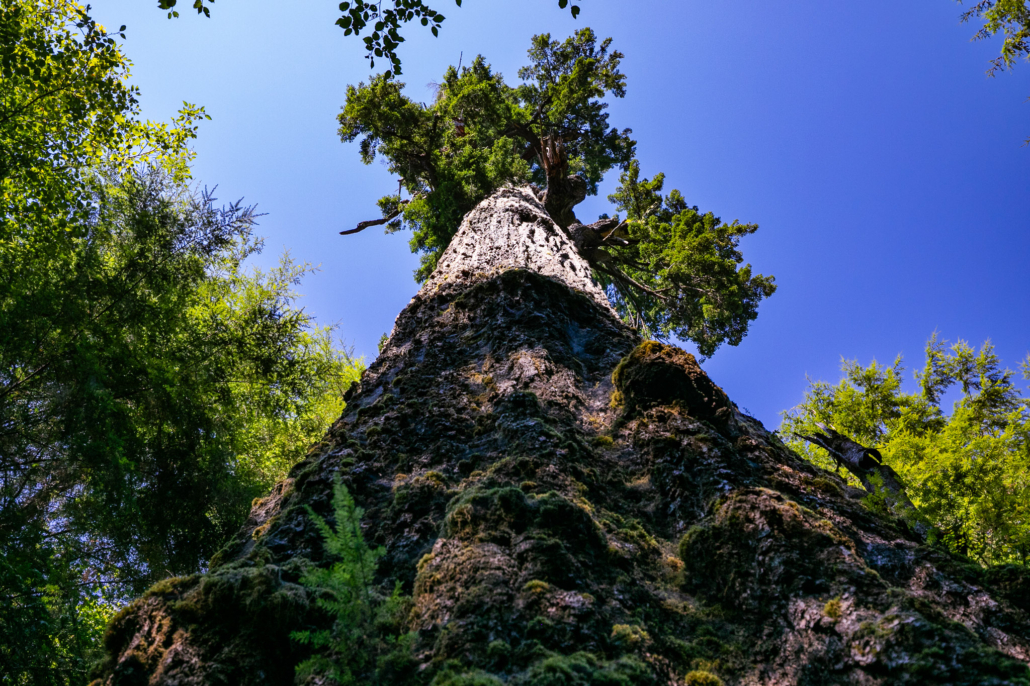
UPDATED: Port Renfrew Big Trees Map
Explore the updated Port Renfrew Big Trees Map with new directions, trails, and routes to iconic giants like Big Lonely Doug, Eden Grove, and more.
https://staging.ancientforestalliance.org/wp-content/uploads/2025/05/13-Red-Creek-Fir.jpg
1365
2048
TJ Watt
https://staging.ancientforestalliance.org/wp-content/uploads/2026/05/Ancient-Forest-Alliance-logo.svg
TJ Watt2026-05-29 15:39:342026-05-29 15:40:49UPDATED: Port Renfrew Big Trees Map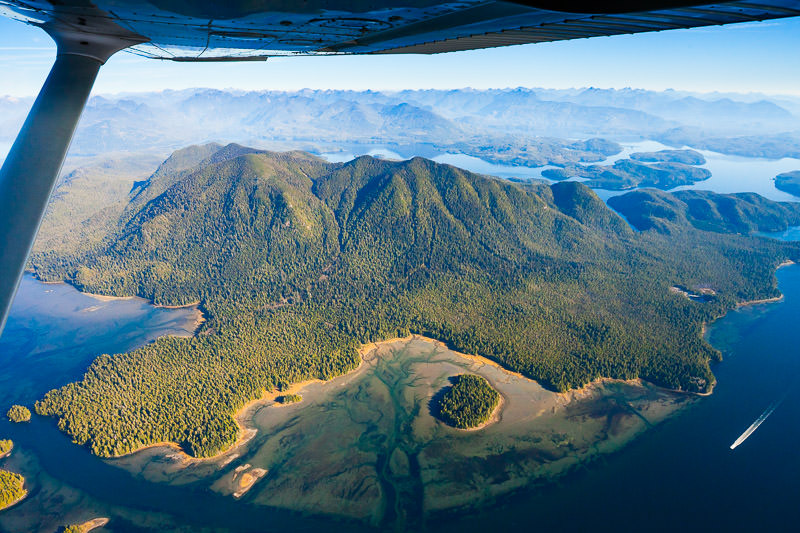
NEW! West Coast Old-Growth Hiking Guide
Explore AFA’s NEW West Coast old-growth hiking guide. From Clayoquot Sound to Port Alberni, there are trails for every skill level!
https://staging.ancientforestalliance.org/wp-content/uploads/2026/05/meares-island-big-tree-trail-tofino-1200px-338.jpg
533
800
TJ Watt
https://staging.ancientforestalliance.org/wp-content/uploads/2026/05/Ancient-Forest-Alliance-logo.svg
TJ Watt2026-05-29 12:06:002026-05-29 15:42:38NEW! West Coast Old-Growth Hiking Guide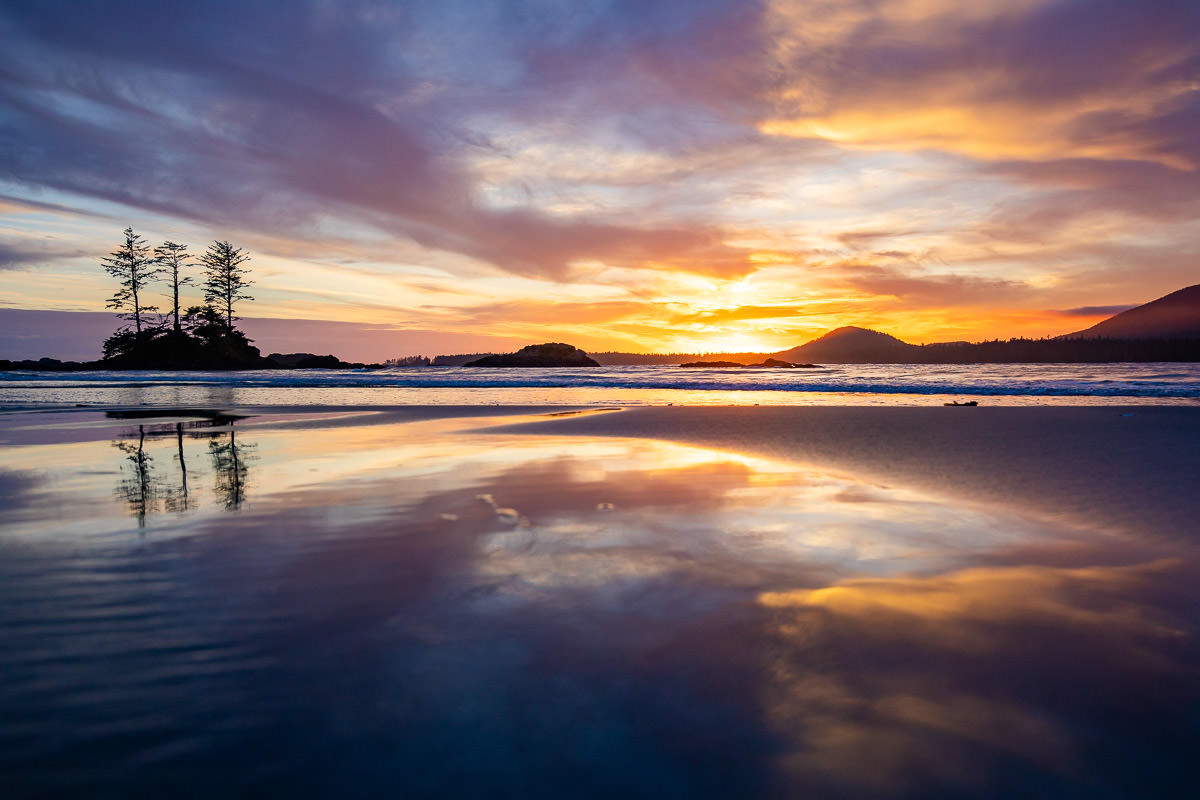
Now Hiring: Contract Graphic Designer!
Ancient Forest Alliance is hiring a contract Graphic Designer to help bring our campaigns to life through print and digital materials.
https://staging.ancientforestalliance.org/wp-content/uploads/2026/05/flores-island-wildside-trail-1200px-430.jpg
800
1200
TJ Watt
https://staging.ancientforestalliance.org/wp-content/uploads/2026/05/Ancient-Forest-Alliance-logo.svg
TJ Watt2026-05-22 12:22:292026-05-22 12:22:29Now Hiring: Contract Graphic Designer!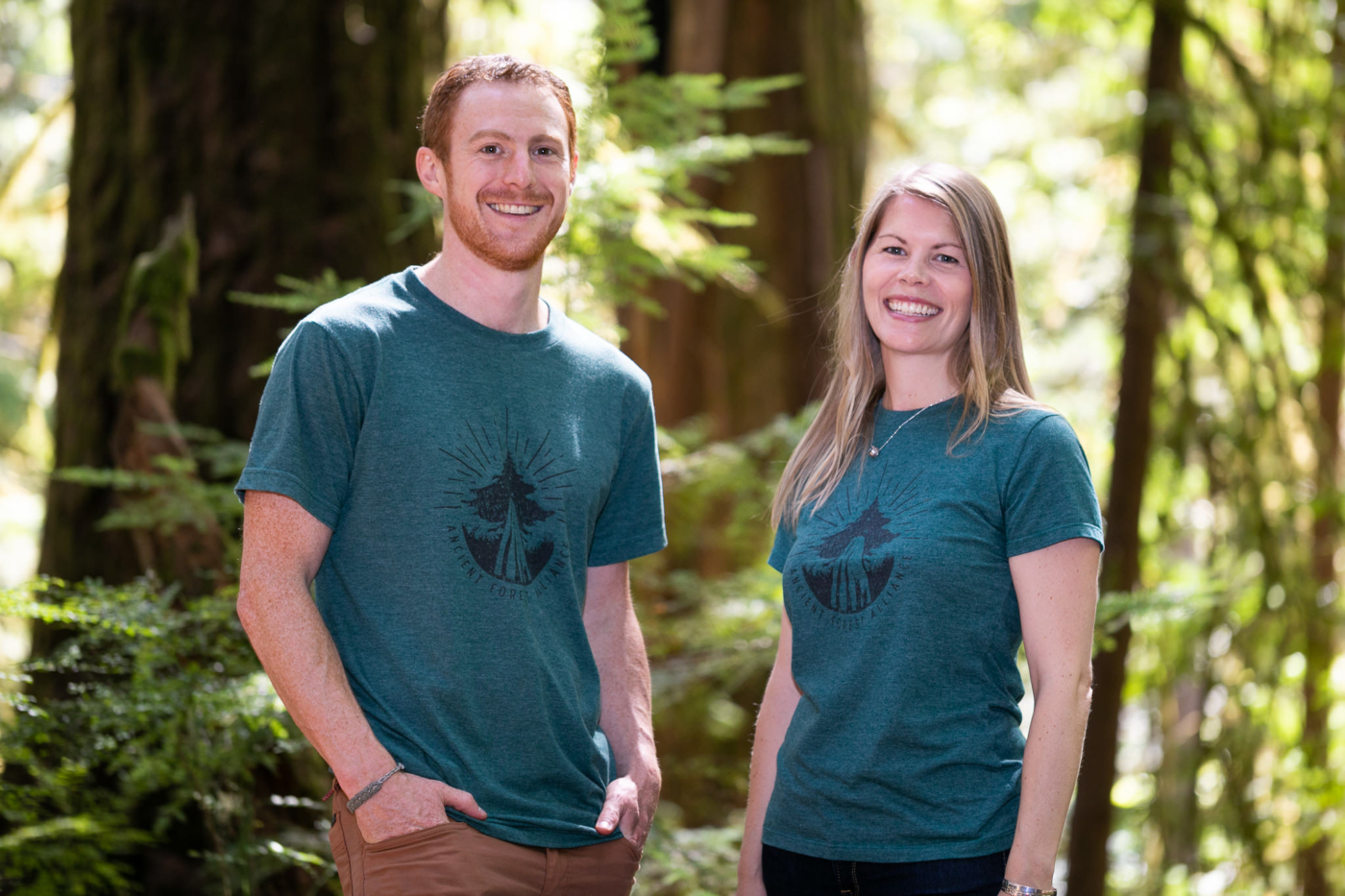
Design AFA’s Next T-Shirt and Help Protect Old-Growth Forests!
Calling all artists! For Earth Month, AFA is launching our first-ever Community T-Shirt Design Contest.
https://staging.ancientforestalliance.org/wp-content/uploads/2026/04/AFA-T-Shirt-Green-Mens-Womens.jpg
1365
2048
TJ Watt
https://staging.ancientforestalliance.org/wp-content/uploads/2026/05/Ancient-Forest-Alliance-logo.svg
TJ Watt2026-05-15 08:13:232026-05-19 09:33:44Design AFA’s Next T-Shirt and Help Protect Old-Growth Forests! Donate
 Send a Message
B.C. earns kudos for protecting Avatar Grove; slammed by auditor general on forestry
/in News CoverageA Vancouver Island environmental organization praised the B.C. government Thursday for protecting a unique old-growth forest known as Avatar Grove, but the auditor general is slamming the province for losing track of the forest resource.
Government management of B.C.’s timber supply is insufficient and has reached the point at the Forests, Lands and Natural Resource Operations Ministry where the province isn’t properly monitoring its programs, said John Doyle’s ministry audit.
Avatar Grove, so named by environmentalists inspired by the Hollywood eco-fable Avatar, has become a tourism attraction due to its fantastically shaped western red cedars, including one tree nicknamed Canada’s Gnarliest Tree for its massive burls.
The Victoria-based Ancient Forests Alliance applauded the government’s decision to protect from logging almost 60-hectares of the old-growth cedar forest near Port Renfrew, located about 110 kilometres south of Victoria on Vancouver Island.
“We commend the B.C. government for protecting this key tract of rare, valley-bottom, old-growth forest because virtually all the valley bottoms on southern Vancouver Island are gone now,” said forests alliance spokesman Ken Wu.
“But at the same time thousands of hectares of old-growth forests are logged every year on Vancouver Island and millions of hectares are endangered across B.C.”
Forests Minister Steve Thomson said the protected area covers just under 60 hectares. B.C. forest company Teal-Jones Group, which held the licence to cut trees in the grove, will be compensated for losing its cutting rights there, Thompson said.
He said the government was convinced to protect the grove after a public consultation process last fall that received 236 comments, only four of them against saving the unique region.
He said businesses in the Port Renfrew area see the grove as a potential tourism draw.
But Doyle’s report found elsewhere in B.C. forests, the government hasn’t been as diligent in protecting the future for forests.
“Industry is legally obligated to reforest the areas it harvests, and it does so,” said Doyle in a statement following the release of his 23-page audit.
“But government, which is responsible for over 90 per cent of British Columbia’s forests, and whose reforestation decisions have a significant impact on our future forests, is not clear about its own commitments.”
Doyle’s audit found the ministry has not clearly defined its timber objectives and, as a result, cannot ensure that its management practices are effective.
The report said existing management practices are insufficient to offset a trend toward future forests having a lower timber supply, and the audit found the ministry is not properly monitoring and reporting its timber results against its timber objectives.
Doyle’s report makes six recommendations, including developing performance measures that can be used to evaluate progress in achieving long-term timber objectives.
The ministry responded with a statement saying it was already meeting Doyle’s recommendations and “will strive to develop a publicly reported performance measure that shows progress in achieving timber objectives.”
Thomson said he’s confident the ministry will have an updated inventory of lands that require reforestation within the next six months.
He said he disagreed with the Doyle’s assessment that the ministry is falling behind on its management of the timber resource.
Doyle’s audit said that of the 95 million hectares of forested land in British Columbia, 22 million hectares are available for harvesting.
Industry is legally obligated to reforest 10 per cent of that land — about 2.2 million hectares — while the government is responsible for the management of the rest.
Thomson said the ministry has identified 733,000 hectares of land that is “non-sufficiently stocked.”
He suggested that amount could change once the ministry completes a review.
“I’m confident we have the resources and the staff available, and the technology available, to do the analytical work that will identify and clarify the lands that need to be restocked,” Thomson said.
Opposition New Democrat forests critic Norm Macdonald said Doyle’s audit is a condemnation of the government’s management of its timber supply over the past 11 years.
“The first place you start is you get the inventory right,” he said.
“Seventy-five per cent of the inventory is decades out of date. They just do not know what’s going on on the land base.”
Read it on Global News: Global BC: https://www.globaltvbc.com/protecting+unique+old-growth+stand+on+vancouver+island+dooms+other+ancient+trees/6442582501/story.html
Call to write letters
/in Take ActionHello friends, there is an urgent need for your voice on numerous endangered ancient forests in BC right now! Please take a moment to assist with each area – if you commit just 30 minutes, you could help each area listed below right now: Avatar Grove, Cortes Island, the Great Bear Rainforest, Flores Island, McLaughlin Ridge, and Mossy Maple Grove:
AVATAR GROVE
GOOD NEWS! The BC government this morning declared the Avatar Grove legally off-limits to logging through a new, 59 hectare Old-Growth Management Area! We’re aiming that eventually the Avatar Grove will be protected through legislation as a park or conservancy, but this keeps out the chainsaws now! The Avatar Grove campaign has been an “old-growth campaign on steroids”. Thousands of people have visited this incredible monumental stand of extremely rare valley-bottom ancient redcedars and Douglas firs near Port Renfrew in a campaign spearheaded by the Ancient Forest Alliance. The Port Renfrew Chamber of Commerce played a pivotal role by joining our call for the area’s protection. Unfortunately the logging company, Teal-Jones will be compensated with 30 hectares of second-growth and 27 hectares of old-growth (57 hectares) in the area – the AFA opposes compensation since the company does not own the land nor the trees, these are public forests. Lets remember too that THOUSANDS of hectares of old-growth forests are logged
EVERY year on Vancouver Island, tens of thousands of hectares are logged across BC, and millions of hectares remain unprotected and endangered in the province – this is a campaign to end logging of ALL endangered forests and to ensure sustainable second-growth forestry in BC.
CORTES ISLAND
Over 1000 hectares of endangered “dry maritime” forests are threatened with logging by Island Timberlands. Determined local residents on this northern Gulf Island have built different teams to undertake petition and letter-writing drives, fundraising, negotiations, mapping, and potentially blockades – which may happen shortly. BC’s Ministry of Environment has responded to our first round of letters calling on them to help protect these lands that it has “no funds available”.
Let’s ramp-up the call by targeting Premier Christy Clark now at premier@gov.bc.ca (include your full name and mailing address so they know you are a real person). Write her a quick letter to let her know it is the province’s responsibility to help purchase the endangered forests, sensitive ecosystems, and rare old-growth groves on Island Timberland’s private lands on Cortes Island. Only 1% of BC’s old-growth coastal Douglas firs remain!
GREAT BEAR RAINFOREST
The central and northern mainland coast of BC is massive, twice the size of Vancouver Island and bigger than many European countries. It is home to numerous First Nations communities and the towns of Prince Rupert, Kitimat, Bella Bella, and Bella Coola. It is also home to hundreds of ancient forest valleys with grizzlies, spirit bears, wolves, cougars, and salmon. BC made headlines six years ago when the province promised to save the largest intact temperate rainforest left on Earth. Today 50% of its forests are off-limits to logging while the rest remains at risk.
FLORES ISLAND
Flores Island in Clayoquot Sound is Heaven on Earth. It is one of the most extensive intact ancient rainforests left in southern BC. Located near Tofino in Nuu-cha-nulth territory, it is home to wolves, cougars, deer, and black bears on the land, and gray whales, humpback whales, orcas, sea lions, and sea otters in its marine waters. Unfortunately it is under threat from logging.
MCLAUGHLIN RIDGE
Near Port Alberni on Vancouver Island, this 400 hectare tract of extremely rare old-growth Douglas firs and hemlocks is considered to be the finest deer wintering range on southern Vancouver Island and is critical habitat for the endangered Queen Charlotte goshawk. Island Timberlands is still intransigent and won’t commit to not logging the ridge.
MOSSY MAPLE GROVE, a.k.a. “Fangorn Forest”
This unique, newly located stand of magnificent, massive mossy maple trees near Cowichan Lake on Vancouver Island is just about the most beautiful forest you could imagine – straight out of a fairy tale!
MOST of ALL please SIGN and FORWARD our online petition to protect BC’s endangered old-growth forests and forestry jobs at: ancientforestalliance.org/ways-to-take-action-for-forests/petition/
************************
Support the Ancient Forest Alliance!
We are a new organization and greatly need your support.
Please DONATE securely online at https://donate.ancientforestalliance.org
Visit the Ancient Forest Alliance online at:
Web: www.ancientforestalliance.org
Email: info@ancientforestalliance.org
Petition: https://staging.ancientforestalliance.org/ways-to-take-action-for-forests/petition/
Facebook: www.facebook.com/ancientforestalliance
Twitter: https://twitter.com/ancient_forest
YouTube: www.youtube.com/user/BCAncientForest
Avatar Grove to be protected by province
/in News CoverageA grove of giant, old-growth trees near Port Renfrew, which has brought thousands of visitors to the area over the last two years, will be protected by the province.
Avatar Grove, a unique stand of centuries-old Douglas firs and red cedars, will be included in an expanded, 59-hectare old-growth management area, Forests Minister Steve Thomson said Thursday.
That means no logging or mining, but is one step short of the legislated protection of park designation.
Surrey-based Teal-Jones Group, which holds logging rights for the area around Avatar Grove, is being compensated with 57 hectares removed from other old-growth management areas.
Much of Avatar Grove, named after the movie, was slated for logging two years ago when the Ancient Forest Alliance started campaigning for its protection.
At that time only 24 per cent of the grove was included in an old-growth management area.
Ken Wu, Ancient Forest Alliance co-founder, applauded the move by the province, but said all old-growth forests on Vancouver Island should be protected.
“We do commend the B.C. government for protecting this tract of extremely rare old-growth valley bottom, as 95 per cent (of that ecosystem) has already been logged on Vancouver Island,” he said.
The Alliance wants to see an end to all old-growth logging on Vancouver Island and a sustainable second-growth forestry industry.
Read more: https://www.vancouversun.com/news/thewest/Avatar+Grove+protected+province/6164261/story.html