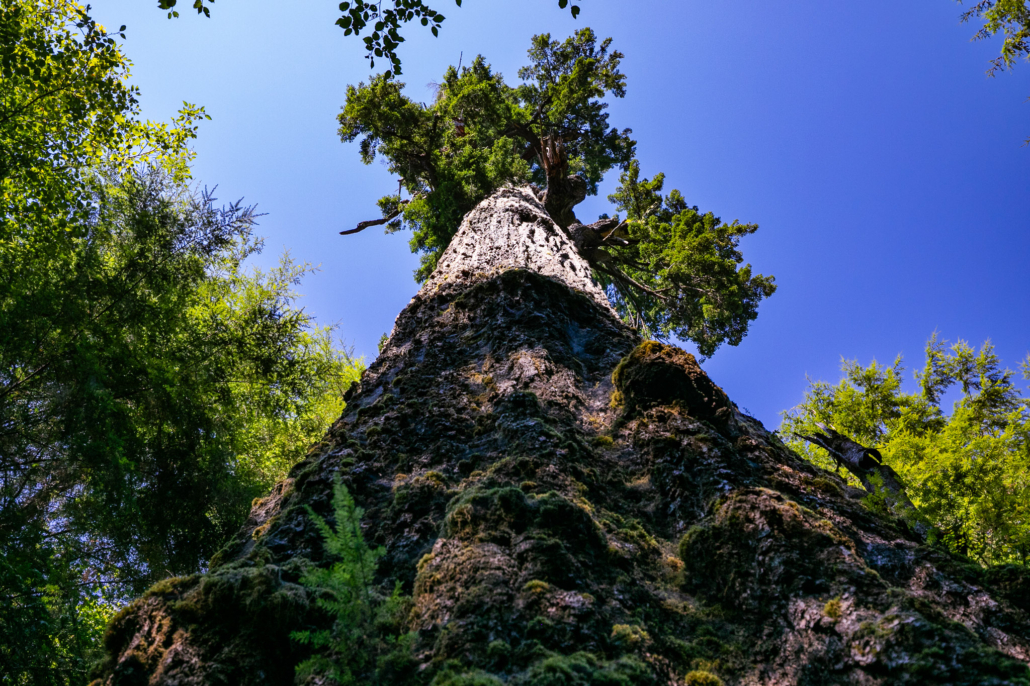
UPDATED: Port Renfrew Big Trees Map
Explore the updated Port Renfrew Big Trees Map with new directions, trails, and routes to iconic giants like Big Lonely Doug, Eden Grove, and more.
https://staging.ancientforestalliance.org/wp-content/uploads/2025/05/13-Red-Creek-Fir.jpg
1365
2048
TJ Watt
https://staging.ancientforestalliance.org/wp-content/uploads/2026/05/Ancient-Forest-Alliance-logo.svg
TJ Watt2026-05-29 15:39:342026-05-29 15:40:49UPDATED: Port Renfrew Big Trees Map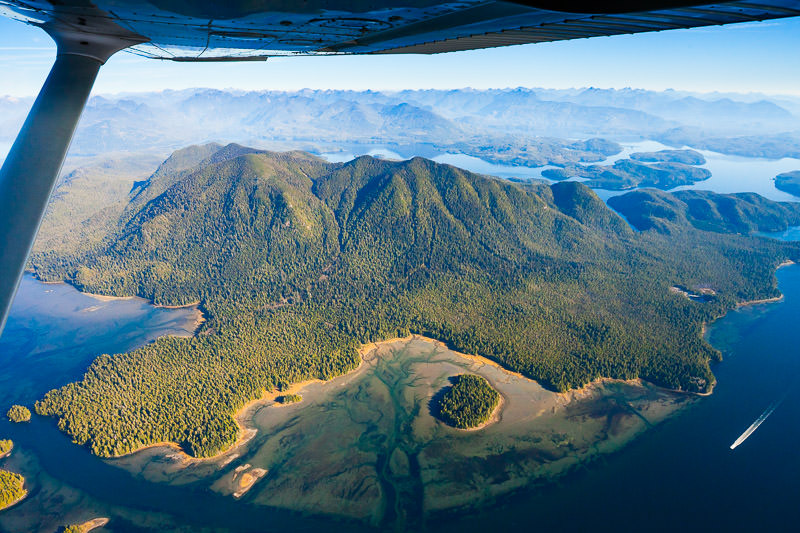
NEW! West Coast Old-Growth Hiking Guide
Explore AFA’s NEW West Coast old-growth hiking guide. From Clayoquot Sound to Port Alberni, there are trails for every skill level!
https://staging.ancientforestalliance.org/wp-content/uploads/2026/05/meares-island-big-tree-trail-tofino-1200px-338.jpg
533
800
TJ Watt
https://staging.ancientforestalliance.org/wp-content/uploads/2026/05/Ancient-Forest-Alliance-logo.svg
TJ Watt2026-05-29 12:06:002026-05-29 15:42:38NEW! West Coast Old-Growth Hiking Guide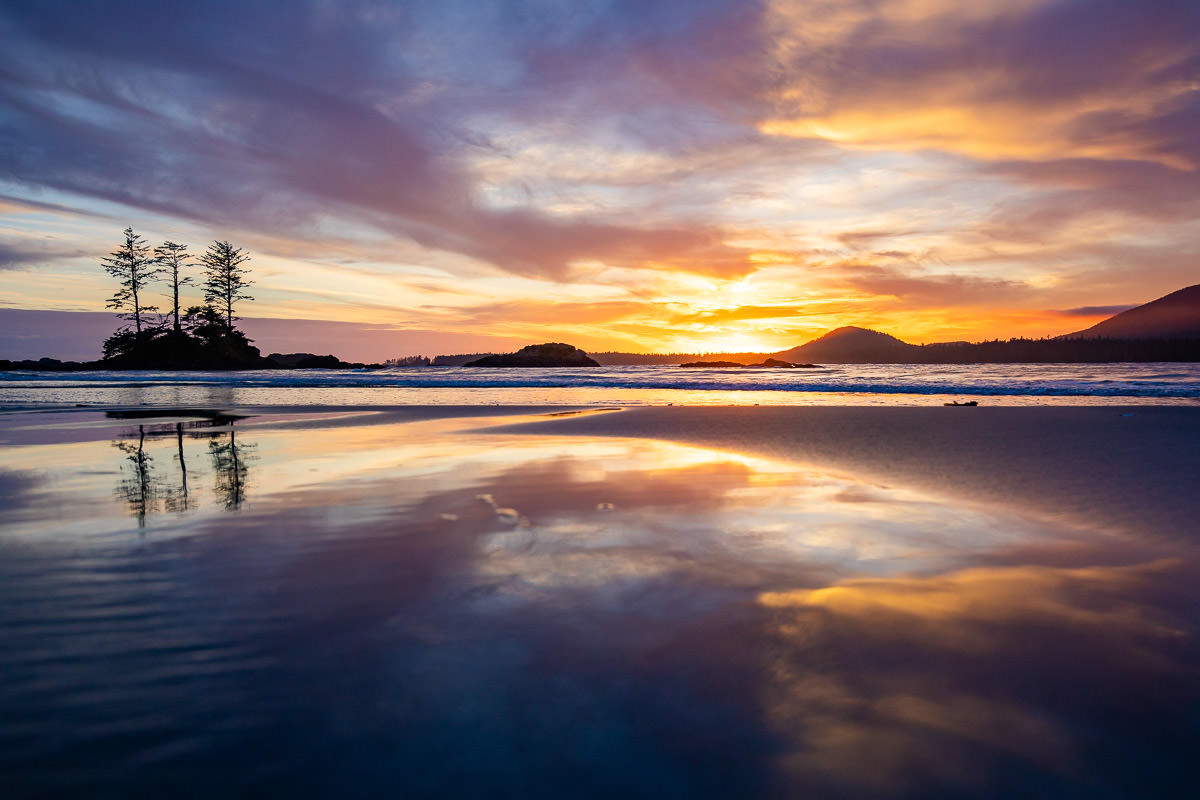
Now Hiring: Contract Graphic Designer!
Ancient Forest Alliance is hiring a contract Graphic Designer to help bring our campaigns to life through print and digital materials.
https://staging.ancientforestalliance.org/wp-content/uploads/2026/05/flores-island-wildside-trail-1200px-430.jpg
800
1200
TJ Watt
https://staging.ancientforestalliance.org/wp-content/uploads/2026/05/Ancient-Forest-Alliance-logo.svg
TJ Watt2026-05-22 12:22:292026-05-22 12:22:29Now Hiring: Contract Graphic Designer!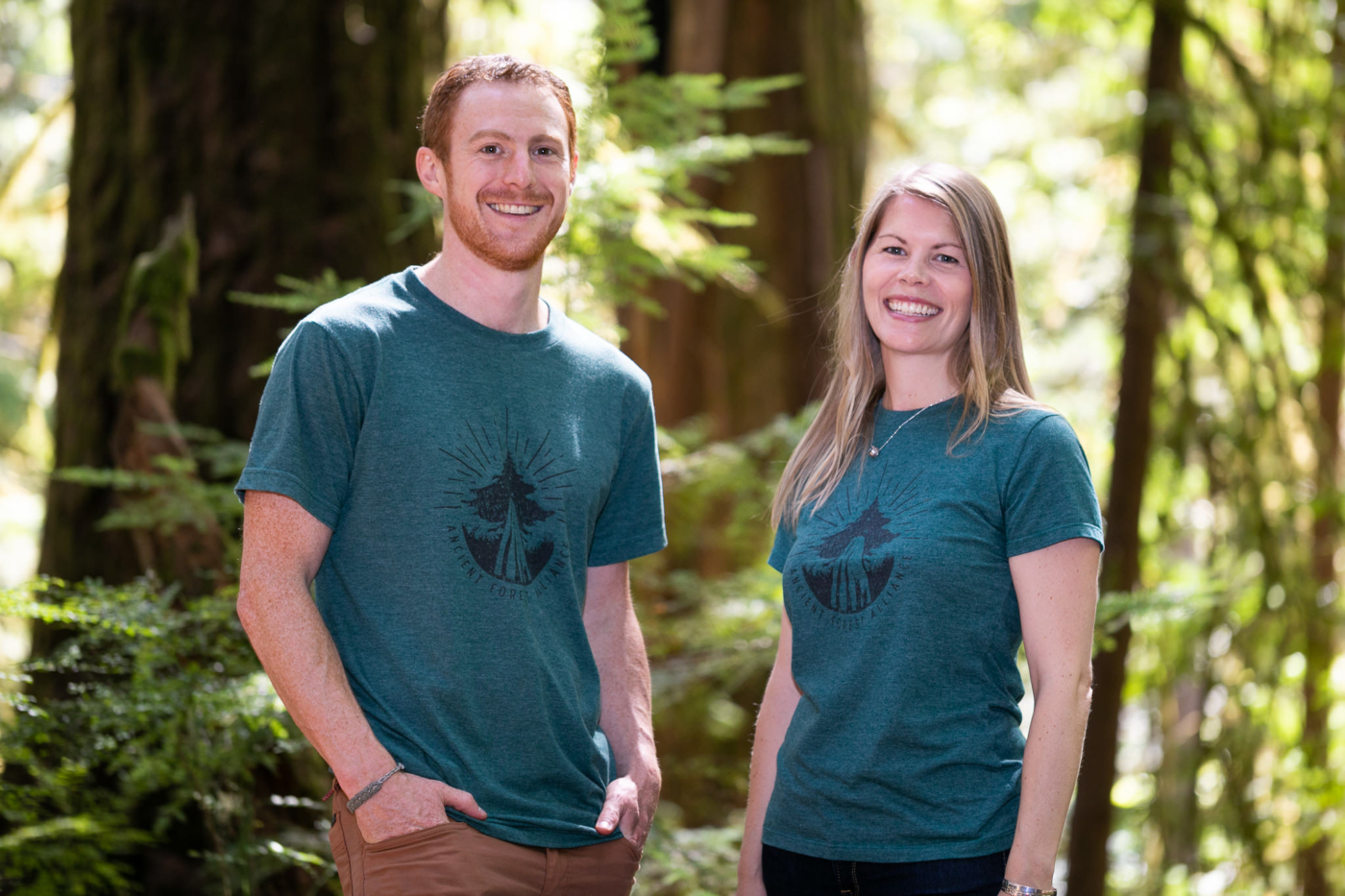
Design AFA’s Next T-Shirt and Help Protect Old-Growth Forests!
Calling all artists! For Earth Month, AFA is launching our first-ever Community T-Shirt Design Contest.
https://staging.ancientforestalliance.org/wp-content/uploads/2026/04/AFA-T-Shirt-Green-Mens-Womens.jpg
1365
2048
TJ Watt
https://staging.ancientforestalliance.org/wp-content/uploads/2026/05/Ancient-Forest-Alliance-logo.svg
TJ Watt2026-05-15 08:13:232026-05-19 09:33:44Design AFA’s Next T-Shirt and Help Protect Old-Growth Forests! Donate
 Send a Message
Saturday: Cortes Youth Champion Bill M211; The Species At Risk Protection Act
/in AnnouncementsYouth from Cortes Island, BC are hosting an educational rally on the legislative grounds in Victoria this coming Saturday, October 13 from 11 am – 4 pm.
Cortes youth are championing Bill M211, the Species At Risk Protection Act that has been proposed by the NDP, achieved first reading and is presently tabled.
Forest lands on Cortes Island threatened by industrial logging prompted the youth to research out what protection, if any, was afforded the numerous species at risk making these forest lands their home.
The youth discovered that BC has no species at risk protection legislation in place; together with Alberta, the only 2 Canadian provinces without legal protection for species at risk.
The youth further learned that polls show 85% of British Columbians are in favour of protection for the 1900 species at risk in BC.
So… they made the decision to champion Bill M211!!!!!!!!!
Over the past 6 months Cortes youth and their friends in Victoria have created original artwork depicting 8 of the species at risk occurring in the forest lands threatened on Cortes Island.
They have had buttons made from this artwork and will be handing these out to the public in downtown Victoria (by donation) in conjunction with their educational rally on the front steps of the legislature.
Their strategy is that buttons travel far on public lapels and disseminate the information widely!!!!!!!
Fairahn Reid and Eira-Shay Barker Hart have taken the lead in this youth initiative, with the support of fellow Cortes students and new friends made while attending school in Victoria. Show them your support on Saturday if you are in Victoria or sign on to the petition to bring in legal protection for species at risk in BC at www.protectbiodiversity.ca/action
Kudos to our youth for speaking out for the protection of species at risk!!
Campaign sprouts up to save Echo Lake old-growth forest
/in News CoverageMetro News online article
Echo Lake, between Mission and Agassiz, has become the focal point behind a new campaign aimed at protecting old-growth forests and eagle roosting areas around the province.
Conservationists with the Ancient Forest Alliance are calling for the provincial government to protect Echo Lake’s forest.
Areas containing some of the lake’s old-growth trees would be excluded from the province’s proposed Old-Growth Management Area.
“This is really an extremely rare gem of lowland ancient rainforest in a sea of second-growth forests, clearcuts and high altitude old-growth patches,” said Ken Wu, executive director of the Ancient Forest Alliance. “To still have an unprotected lowland ancient forest like this left near Vancouver is like finding a Sasquatch. How many jurisdictions on earth still have trees that grow as wide as living rooms and as tall as downtown skyscrapers. What we have here in B.C. is something exceptional.”
The government is currently in the midst of a 60-day public input process into their proposed management plan.
The alliance hopes enough public engagement would help protect the entire old-growth forest at Echo Lake.
Province urged to protect Harrison Eagles
/in News CoverageLink to Vancouver Sun online article
David Hancock says he has personally counted more than 7,000 bald eagles in one day on the Harrison and Chehalis rivers – a world record and almost twice the best tally of Brack-endale Eagles Provincial Park near Squamish.
Today, as the eagles arrive again to feast on the area’s annual salmon runs, Hancock is counting on the B.C. government to do the right thing and increase protection for one of the planet’s great avian spectacles.
“At the moment, we don’t really have any legally defined protection,” said Hancock, a trustee with the American Bald Eagle Foundation and chair of the Surrey-based Hancock Wildlife Foundation.
Ken Wu of the Ancient Forest Alliance is also calling for increased protection of the eagles by putting an end to clearcutting of their prime roosting habitat on Crown forest land.
He said the province has proposed an old-growth management area of about 45 hectares at Echo Lake – critical eagle habitat just west of Harrison River and north of Highway 7 – but has excluded another 25 hectares. “Lowland old-growth of this quality in the Lower Mainland is as rare as a sasquatch now,” he said. “It should be a no-brainer that the whole thing must be included.”
What protection that does exist at Harrison/Chehalis applies mainly to the wetlands and is non-governmental: the Chehalis River Conservancy (192 hectares) is owned by the Nature Trust of B.C. and leased to the federal fisheries department; the Martin Property (7.5 hectares) is owned by the Nature Trust and Ducks Unlimited Canada.
In comparison, the Squamish River Valley has 755-hectare Brackendale Eagles Provincial Park.
Hancock said the Harrison-Chehalis area should be declared a provincial wildlife management area – at a minimum – to protect the eagles from uncontrolled human activities on the Chehalis flats.
“It only takes one person to walk out there when there are 5,000 eagles and they are all gone,” he said. “That makes no sense at all. They need that feeding and resting area.”
Brennan Clarke, spokesman for the Ministry of Forests, Lands and Natural Resource Operations, said that the old-growth management area is “proposed specifically to overlap with the eagle roosting area” and that the ministry is “working on a more comprehensive wildlife plan for this general area. It’s currently in very preliminary stages.”
Hancock agreed that eagles are especially drawn to Echo Lake to roost in a “cirque of big old trees around that lake” and that the entire forest there should be fully protected, since much of the area has been “hammered” by clearcutting.
“It’s the last chunk of old-growth,” he said. “It’s just one of those old traditional social gathering sites. When you get hundreds and hundreds of eagles nesting in a few trees it’s obviously an important part of their being.”
Stephen Ben-Oliel, who owns a 16-hectare property bordering Echo Lake, also supports protection of the area. “They roost here because it’s one of the last places with old-growth trees,” he confirmed.
Brackendale Eagles Provincial Park was created to protect floodplain habitat, including “critical perching, roosting and feeding” areas for bald eagles arriving to forage on spawning salmon, says the BC Parks management plan for the site, noting it recorded a “world record” of 3,769 eagles during a 1994 count.
Hancock said he observed 7,362 eagles at Harrison-Chehalis on Dec. 11, 2010, along a two-kilometre distance.
“These are absolute counts, not estimates,” he noted.” It’s a small area. I stand there with the telescope and walk around in a circle and someone writes them down as I count them. These won’t be disputed.”
Dick Cannings, a noted birder, biologist, and author living in the Okanagan Valley, said that “if the 7,000-plus figure is accurate – and I have no reason to doubt that – the Harrison-Chehalis area can lay some claim to be the Bald Eagle capital of the world.”
Hancock estimated more than 10,000 eagles were present in a larger 10-square-kilometre wintering area.
Kyle Elliott, a bird biologist who has studied the lower Fraser River, said that in December 2010, the average temperature in Juneau, Alaska, was 22 degrees Fahrenheit – five degrees below the average of 27 degrees.
Those colder temperatures along with the collapse of the chum salmon run at Squamish and ” ideal water levels at Chehalis flats” made for the exceptional year for eagles, he said.
Hancock, who is known for putting live video webcams at eagle nesting and feeding sites, added that increased commercial fishing of chum salmon – a species traditionally of little value – in northern waters over the years is another factor in the eagles coming further south to feed, especially on late runs at Harrison-Chehalis.
Even in a non-record year, it is not unusual to see more than 1,000 eagles congregate at Harrison-Chehalis.
The Fraser Valley Bald Eagle Festival takes place Nov. 17-18 on the Harrison River.