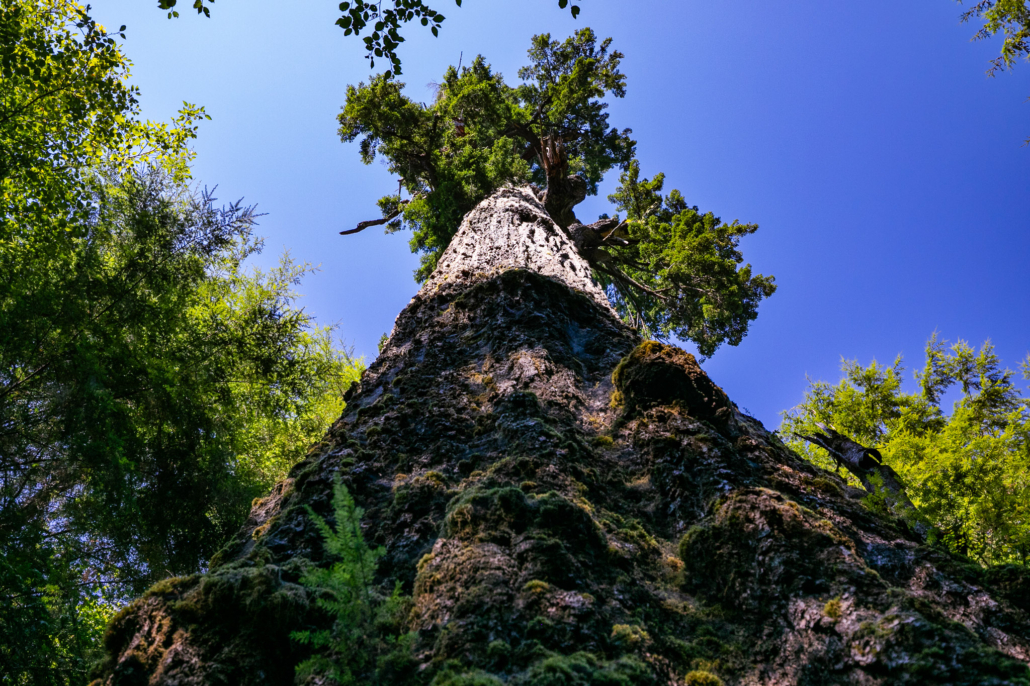
UPDATED: Port Renfrew Big Trees Map
Explore the updated Port Renfrew Big Trees Map with new directions, trails, and routes to iconic giants like Big Lonely Doug, Eden Grove, and more.
https://staging.ancientforestalliance.org/wp-content/uploads/2025/05/13-Red-Creek-Fir.jpg
1365
2048
TJ Watt
https://staging.ancientforestalliance.org/wp-content/uploads/2026/05/Ancient-Forest-Alliance-logo.svg
TJ Watt2026-05-29 15:39:342026-05-29 15:40:49UPDATED: Port Renfrew Big Trees Map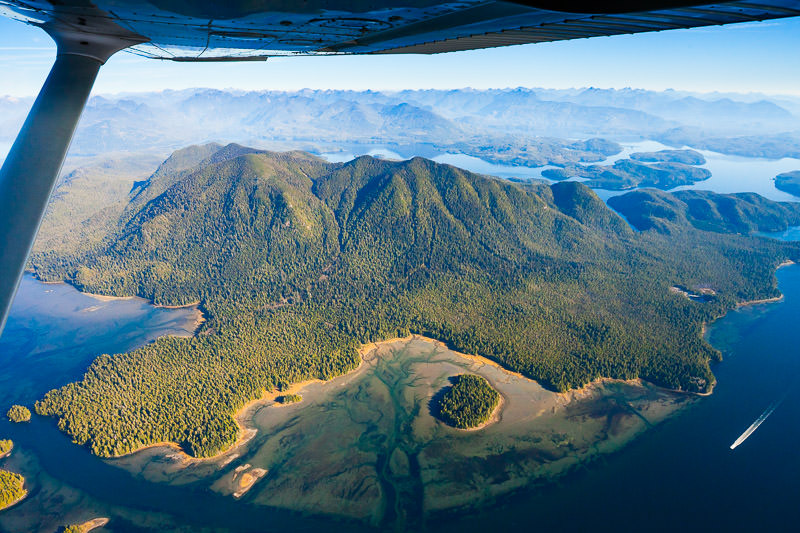
NEW! West Coast Old-Growth Hiking Guide
Explore AFA’s NEW West Coast old-growth hiking guide. From Clayoquot Sound to Port Alberni, there are trails for every skill level!
https://staging.ancientforestalliance.org/wp-content/uploads/2026/05/meares-island-big-tree-trail-tofino-1200px-338.jpg
533
800
TJ Watt
https://staging.ancientforestalliance.org/wp-content/uploads/2026/05/Ancient-Forest-Alliance-logo.svg
TJ Watt2026-05-29 12:06:002026-05-29 15:42:38NEW! West Coast Old-Growth Hiking Guide
Now Hiring: Contract Graphic Designer!
Ancient Forest Alliance is hiring a contract Graphic Designer to help bring our campaigns to life through print and digital materials.
https://staging.ancientforestalliance.org/wp-content/uploads/2026/05/flores-island-wildside-trail-1200px-430.jpg
800
1200
TJ Watt
https://staging.ancientforestalliance.org/wp-content/uploads/2026/05/Ancient-Forest-Alliance-logo.svg
TJ Watt2026-05-22 12:22:292026-05-22 12:22:29Now Hiring: Contract Graphic Designer!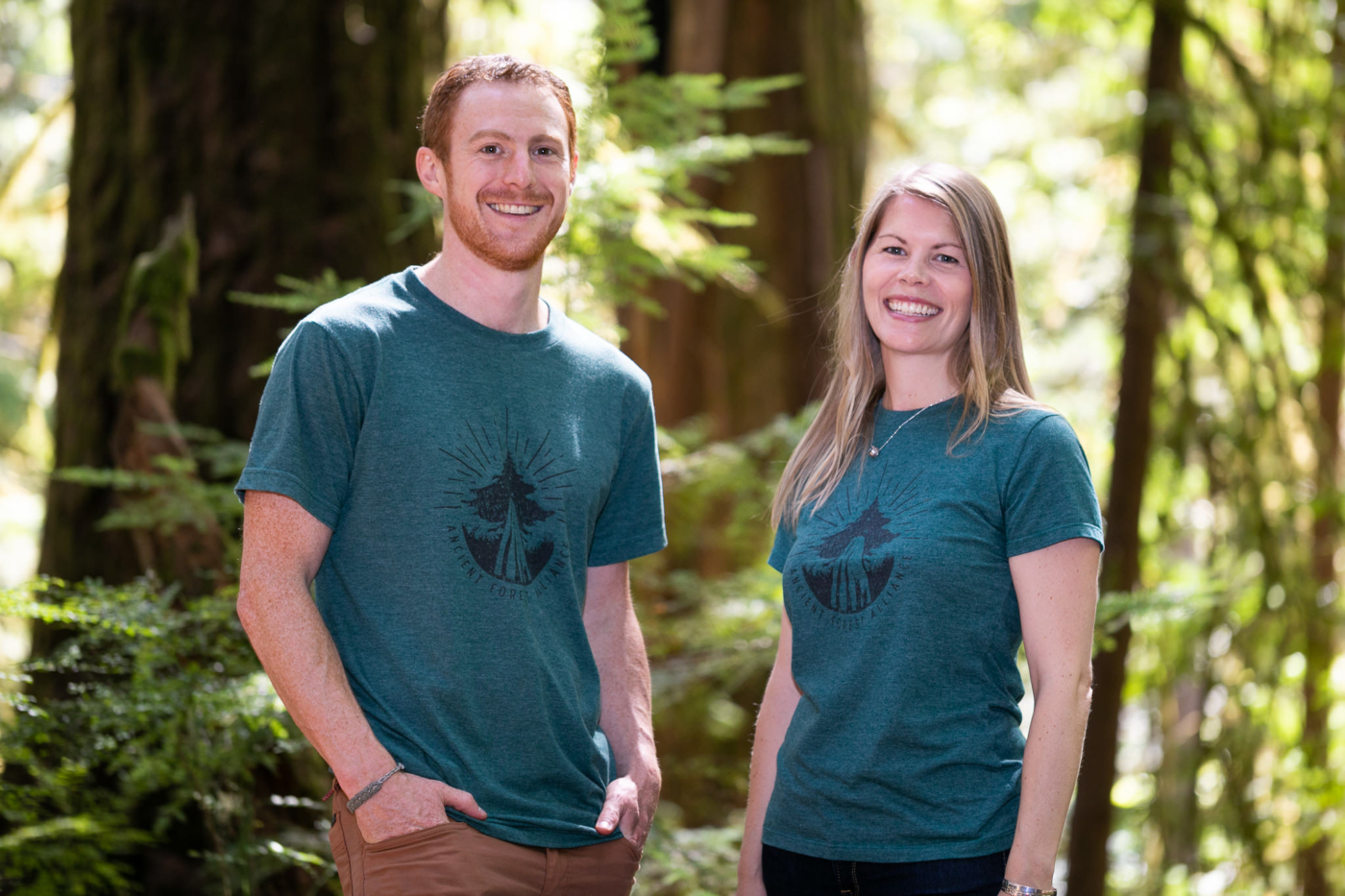
Design AFA’s Next T-Shirt and Help Protect Old-Growth Forests!
Calling all artists! For Earth Month, AFA is launching our first-ever Community T-Shirt Design Contest.
https://staging.ancientforestalliance.org/wp-content/uploads/2026/04/AFA-T-Shirt-Green-Mens-Womens.jpg
1365
2048
TJ Watt
https://staging.ancientforestalliance.org/wp-content/uploads/2026/05/Ancient-Forest-Alliance-logo.svg
TJ Watt2026-05-15 08:13:232026-05-19 09:33:44Design AFA’s Next T-Shirt and Help Protect Old-Growth Forests! Donate
 Send a Message

Province has no plans to cut old-growth stand in Walbran, near Port Alberni
/in News Coverage[Times Colonist online article no longer available]
A stand of massive old-growth red cedars in the Upper Walbran Valley has escaped the axe, and the province is now looking for ways to protect unusually big trees.
Environmental groups were preparing for another round of the war-in-the-woods after logging tape was found this summer near Castle Grove and the “Castle Giant.” The western red cedar has a five-metre diameter and is listed in the BC Big Tree Registry as one of the widest in Canada.
But Teal Jones Group of Surrey, which holds the cutting licence, will not be logging that area, a Forests Ministry spokesman said in an emailed response to questions Thursday.
Teal Jones has not applied for a cutting permit in that location and “advised that they were not interested in harvesting in that area,” says spokesman Brennan Clarke.
Teal Jones could not be reached Thursday.
The province is also looking at options for protecting big trees and will be consulting with stakeholders, Clarke said. “Those discussions will also examine ways of providing legal protection for big trees that have not yet been located.”
The recommendations are expected in the spring, he said.
Ken Wu of the Ancient Forest Alliance, which launched a campaign to save the grove, said he is relieved Teal Jones is not planning to cut.
“Now we need the BC Liberal government to follow up with some legal protection so we don’t have to refight this again,” he said.
It is good news that the government is looking at legal protection for BC’s largest trees and monumental groves, Wu said. “Most importantly, however, we need much more comprehensive ecosystem-level protection for BC’s endangered old-growth forests.”
Carmanah Walbran Provincial Park was established in 1990. The lower half of the Walbran Valley and the Upper Carmanah Valley were added in 1995.
Environmentalists have continued to push for protection of the valley’s remaining 7,500 hectares.
The Upper Walbran watershed, where Castle Grove is located, is considered a special management zone, Clarke said. “Management in that area is focused on sustaining and conserving the area’s unique ecological areas.”
Human shield stalls Cortes logging for third day
/in News Coverage[Campbell River Mirror article no longer available]
A Cortes Island blockade of Island Timberlands went into its third day Thursday as swelling ranks of environmentalists, residents and their children maintained a human shield against the logging company’s crews and equipment.
Zoe Miles, a member of Wildstands, says, “For more than four years, community members have attempted to work with the company to develop an ecosystem-based approach to forestry. As road-building equipment moves in, the community is now left with no choice but to stand in its path to defend these ecologically significant forests.”
On Tuesday Island Timberlands trucks were stopped at a logging road gate at Basil Creek by two protesters lying on the ground. Company personnel filmed the protesters, likely in preparation for an application for a civil injunction, Miles told the Mirror. On Wednesday, a number of children joined the cause waving placards.
Protester Leah Seltzer says the ranks of the blockaders are swelling daily with the arrival of off-islanders and offers of financial and legal support are coming in.
“People are here because they want to make it known that the industrial forestry model doesn’t work for local communities and it doesn’t work for the province. Island Timberlands will destroy ecologically-sensitive ecosystems and leave nothing beneficial in its wake. We will be left with devastated ecosystems, a contaminated water supply and no long-term jobs. All the benefit is going to people who live far away and who aren’t aware of the cost of their profits to our community and our province.”
Island Timberlands’ Director of Human Resources Mark Leitao says access to “our private property” has been blocked and the company is reviewing its options. He will not say whether those options include seeking an injunction.
“As a result of community feedback we have made significant changes to our logging plans,” Leitao says. “We will log outside the tourist season. We’ve reduced the size of the blocks and changed the configuration of the openings. We plan to retain the veteran old growth trees – which are by government definition 250 year old trees – where it is safe and operationally feasible to do so.”
Activist and Cortes Island land-owner Tzeporah Berman says, “The majority of their logging is traditional clear-cut logging with devastating ecological implications that result in either a change of land use or a dramatically weakened and simplified ecosystem. Cortes resident and Greenpeace co-founder Rex Weyler agrees: “There’s no excuse for industrial-scale logging in these times. Forward looking and economically viable alternatives exist that are based on community health and ecosystem health. Residents have sought Island Timberland’s participation in this kind of forestry model but have been met with disregard.”
Miles says the community protesters hope the blockade does not escalate.
Global TV video: Logging protests on Cortes Island
/in News CoverageDirect link to Global TV video.