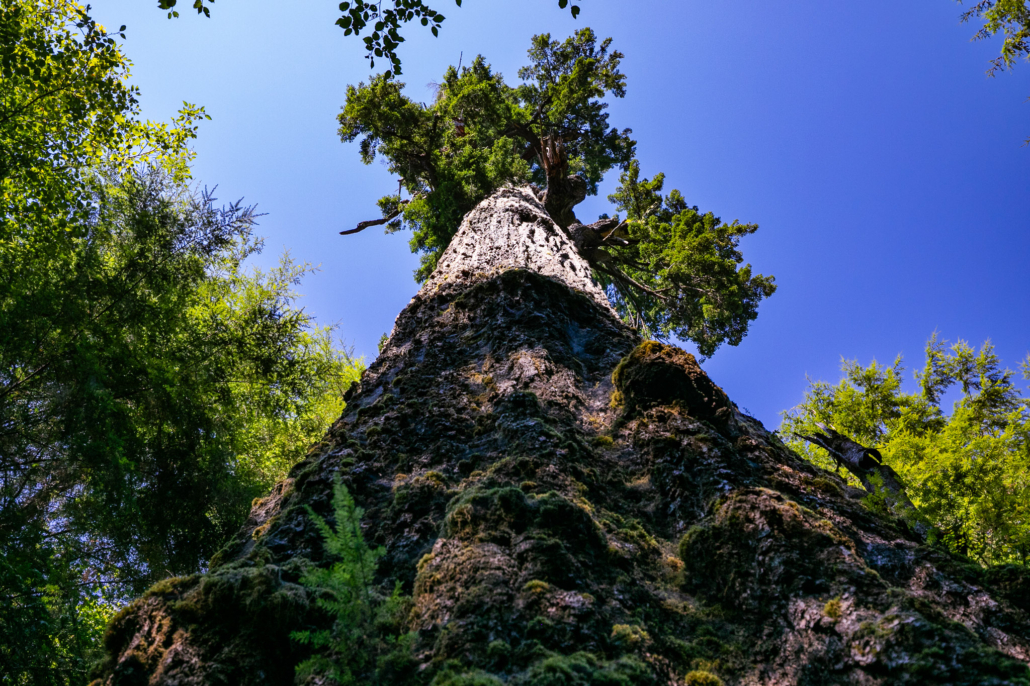
UPDATED: Port Renfrew Big Trees Map
Explore the updated Port Renfrew Big Trees Map with new directions, trails, and routes to iconic giants like Big Lonely Doug, Eden Grove, and more.
https://staging.ancientforestalliance.org/wp-content/uploads/2025/05/13-Red-Creek-Fir.jpg
1365
2048
TJ Watt
https://staging.ancientforestalliance.org/wp-content/uploads/2026/05/Ancient-Forest-Alliance-logo.svg
TJ Watt2026-05-29 15:39:342026-05-29 15:40:49UPDATED: Port Renfrew Big Trees Map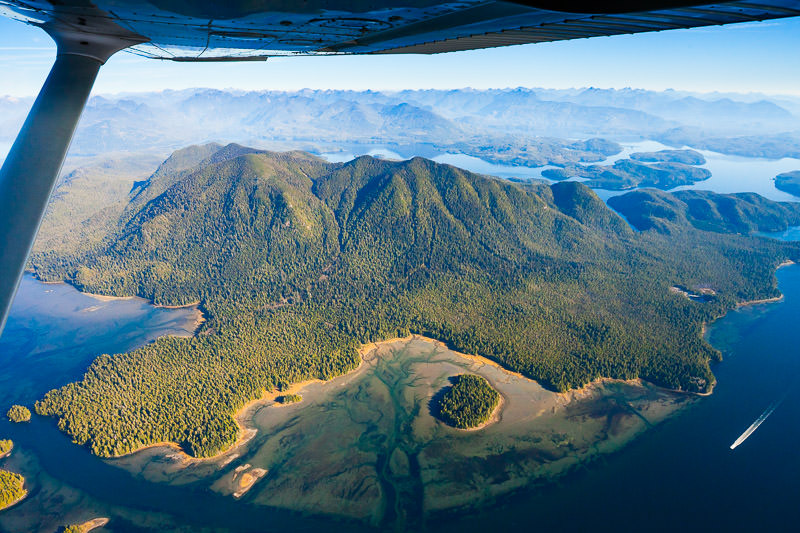
NEW! West Coast Old-Growth Hiking Guide
Explore AFA’s NEW West Coast old-growth hiking guide. From Clayoquot Sound to Port Alberni, there are trails for every skill level!
https://staging.ancientforestalliance.org/wp-content/uploads/2026/05/meares-island-big-tree-trail-tofino-1200px-338.jpg
533
800
TJ Watt
https://staging.ancientforestalliance.org/wp-content/uploads/2026/05/Ancient-Forest-Alliance-logo.svg
TJ Watt2026-05-29 12:06:002026-05-29 15:42:38NEW! West Coast Old-Growth Hiking Guide
Now Hiring: Contract Graphic Designer!
Ancient Forest Alliance is hiring a contract Graphic Designer to help bring our campaigns to life through print and digital materials.
https://staging.ancientforestalliance.org/wp-content/uploads/2026/05/flores-island-wildside-trail-1200px-430.jpg
800
1200
TJ Watt
https://staging.ancientforestalliance.org/wp-content/uploads/2026/05/Ancient-Forest-Alliance-logo.svg
TJ Watt2026-05-22 12:22:292026-05-22 12:22:29Now Hiring: Contract Graphic Designer!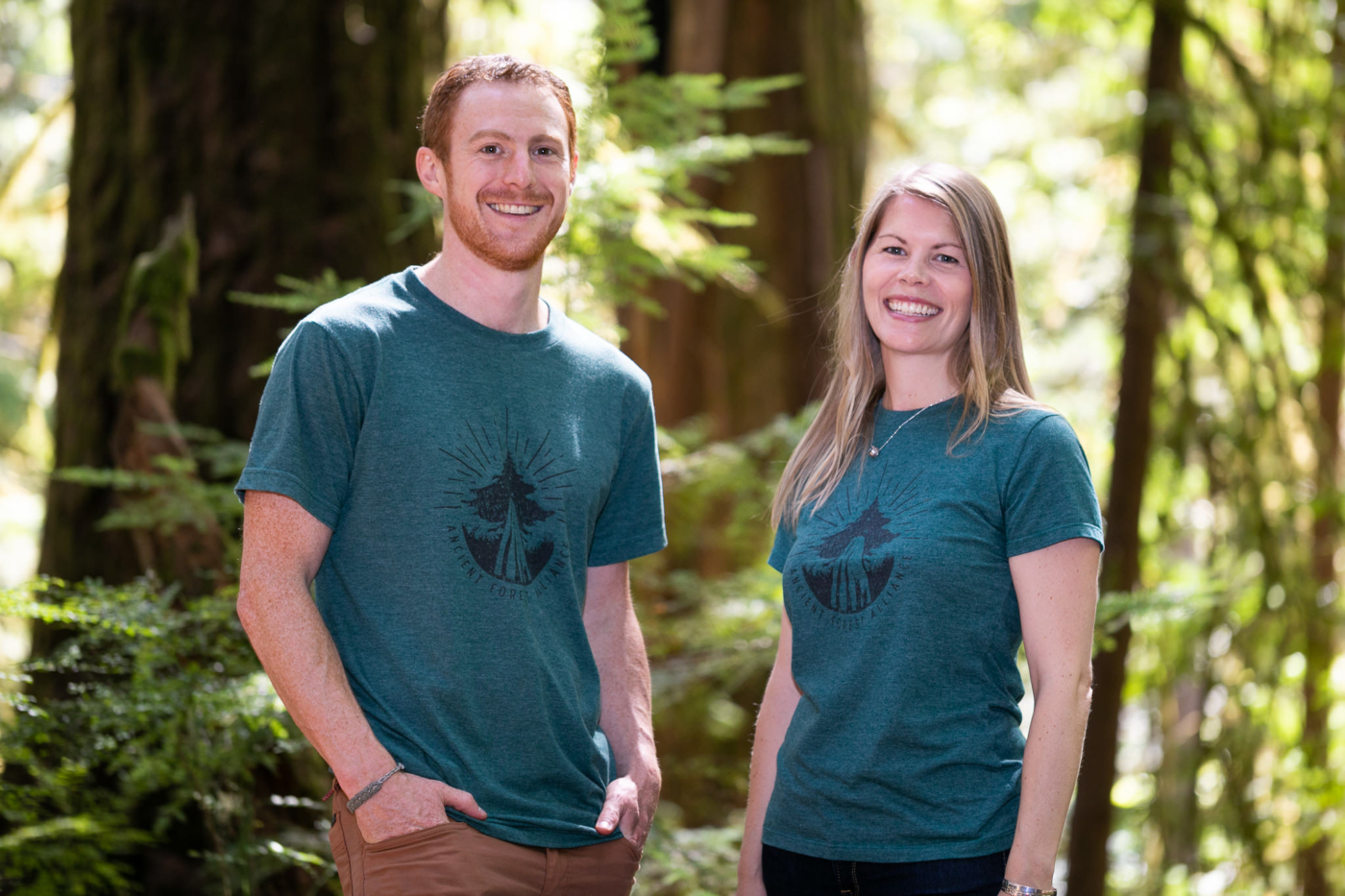
Design AFA’s Next T-Shirt and Help Protect Old-Growth Forests!
Calling all artists! For Earth Month, AFA is launching our first-ever Community T-Shirt Design Contest.
https://staging.ancientforestalliance.org/wp-content/uploads/2026/04/AFA-T-Shirt-Green-Mens-Womens.jpg
1365
2048
TJ Watt
https://staging.ancientforestalliance.org/wp-content/uploads/2026/05/Ancient-Forest-Alliance-logo.svg
TJ Watt2026-05-15 08:13:232026-05-19 09:33:44Design AFA’s Next T-Shirt and Help Protect Old-Growth Forests! Donate
 Send a Message
Media Release: BC’s War in Woods on Cortes Island needs Political Leadership
/in Media ReleaseFor Immediate Release
December 6, 2012
Political Leadership Needed to Resolve Cortes Island’s “War in the Woods” and other Island Timberlands battles
Conservationists renew call for BC Liberals to commit to restoring and expanding a “BC Park Acquisition Fund” to purchase and protect endangered forests on private lands
“While private land trusts are vital for conservation, they simply don’t have the capacity to quickly raise the tens of millions of dollars needed each year to protect most endangered lands before they are logged or developed —only governments have such funds,” stated TJ Watt, Ancient Forest Alliance campaigner and photographer.
See the Ancient Forest Alliance’s petition for a BC Park Acquisition Fund at www.BCParkFund.com [Original article no longer available] and a recent newsletter at https://www.bcparkfund.com/newsletter/June-2012-Parks-Acquisition.pdf [Original article no longer available].
Cortes Island residents rejoice as Island Timberlands temporarily withdraws logging crew
/in News CoverageCortes Island forest activists and residents celebrated today as Island Timberlands (I.T.) withdrew crews and announced that they would not attempt to move forward with operations for at least a week.Tensions on the island had been rising since the residents gathered to stage a logging blockade broke at the end of last week.
“We are feeling pleased that our efforts have kept these forests standing, which is a win for the community,” community organizer Leah Seltzer said.
“But we are also aware that I.T. crews could return to the island as early as next week. We are continuing to organize on the ground, expand the movement and prepare for all possibilities.”
The protests were the latest in an ongoing effort by Cortes Island residents to stop logging on their island, which was originally scheduled to begin in January.
Island Timberlands, which plans to industrial log Cortes Island is owned by Brookfield Asset Management with $110 billion in managed assets and bcIMC with $92 billion in managed assets. Recently, China Investment Corporation, a sovereign wealth fund which manages China’s foreign exchange reserves, has negotiated for a 12.5 per cent stake in Island Timberlands.
Island Timberlands expressed a desire to return to negotiations with Cortes Island residents, and their lawyers will be meeting with legal counsel from Straith Litigation Chambers of West Vancouver, who have been retained by Cortes community stakeholders.
Residents of Cortes Island, BC and supporters from across the province began the blockade in late November, in response to the arrival of contractors.
“This follows years of attempts to get Island Timberlands to join us in an ecosystem-based approach to forestry,” Cortes-raised forest activist Zoë Miles said.
“But we have not been met with willingness on the part of I.T. In fact, their logging plans have consistently failed to meet the wishes of the community.” Islanders’ stated wishes are to conserve provincially designated sensitive ecosystems and old-growth stands, protect wetlands and salmon-bearing streams, and agree to no clear-cut logging.
Many Cortes residents have made it clear that they not categorically opposed to all types of logging: they said they would support it if done in a sustainable manner.
At stake are some of the last 1 per cent of old-growth Coastal Douglas-fir forests, a number of documented threatened species, and provincially designated sensitive ecosystems. Also at stake is a local and provincial economy that could use the long-term forestry jobs, say residents who believe I.T.’s industrial forestry model employs few locals, and only for the short term, while shipping most of their logs raw to Asian markets.
Community members hope that the situation can be resolved in a way that meets local needs. Until then, islanders will be standing in the way of the equipment, and keeping a close eye on any further signs of I.T. activity on the island.
Media Release: Conservationists Relieved as Forest Company Backs Away from Logging Canada’s Finest Old-Growth Cedar Grove, Vancouver Island’s "Castle Grove" in the Upper Walbran Valley
/in Media ReleaseFor Immediate Release
November 30, 2012
Conservationists Relieved as Forest Company Backs Away from Logging Canada’s Finest Old-Growth Cedar Grove, Vancouver Island’s “Castle Grove” in the Upper Walbran Valley
BC government also moving forward with a “legal tool” to potentially protect BC’s largest trees and monumental groves in spring of 2013 – but more comprehensive “ecosystem-level” old-growth protection also needed
See spectacular PHOTOS of the Castle Grove at: https://staging.ancientforestalliance.org/photos.php?gID=21
(NOTE: Media are free to reprint any photos, photo credit to “TJ Watt” if possible.)
Conservationists are breathing a sigh of relief as Canada’s finest stand of old-growth redcedar trees appears to have been spared the axe – for now. The Castle Grove in the Upper Walbran Valley on southern Vancouver Island (west of Lake Cowichan) had been flagged for logging in August by the Teal-Jones Group and subsequently was the focus of an intense environmental campaign by the Ancient Forest Alliance (www.AncientForestAlliance.org). In addition, the Ministry of Forests, Lands, and Natural Resource Operations has recently indicated that they intend to follow through on a 2011 promise to create a “legal tool” to potentially protect the province’s largest trees and monumental groves, which the AFA would like to see used to protect the Castle Grove.
“We’re happy that the logging company has given some breathing room for Canada’s finest old-growth redcedar grove – now we need the BC Liberal government to follow up with some legal protection so we don’t ever have to refight this again,” stated Ken Wu, executive director of the victoria-based Ancient Forest Alliance. “We’re also pleased to hear that the BC government is finally moving forward with the potential legal protection for BC’s largest trees and monumental groves – whether this actually happens, what legal form it takes, where the protections are located, and how extensive the protections are, won’t be known until the spring. Most importantly however, we need much more comprehensive ‘ecosystem-level’ protection for BC’s endangered old-growth forests, which are vital to sustain endangered species, tourism, the climate, clean water, wild salmon, and many First Nations cultures. Sustainable, value-added second-growth forestry is also needed to support BC forestry jobs, as most of our forests in southern BC are second-growth now.”
In several recent emails to the Ancient Forest Alliance, the Ministry of Forests stated that while the forest company, the Teal-Jones Group, is still actively pursuing old-growth logging in other areas in the region, the company has backed down from their logging plans in the Castle Grove. The email stated:
“There is no cutting permit application for the Upper Castle Grove area. Apparently the company did some preliminary work, hence the tape, but has decided not to pursue any harvesting in that area.”
Another email stated:
The Ministry…is currently conducting policy analysis and stakeholder consultation around legal tool(s) that could specifically protect the big trees we are already aware of. The ministry is also exploring the feasibility of a legal mechanism that could protect big trees that have not yet been located …Options are currently being identified and will be thoroughly analyzed…conclusions and recommendations will be brought forward by the spring of 2013. “
For the past several months the Ancient Forest Alliance had been bracing for a major escalation in BC’s “War in the Woods” as survey tape marking the “falling boundary” for logging had been discovered in August in Upper Castle Grove. Subsequently, the organization began a public awareness campaign that included media coverage (see the Vancouver Sun and Times Colonist article), photography and video expeditions, slideshow tours, and a major letter-writing campaign among thousands of environmental supporters.
“Not all old-growth forests are created equal – the Castle Grove tops all remaining ancient cedar forests that we know for its combined qualities of grandeur, geographic size, and intactness. It’s a real life Jurassic Park-type landscape, a global treasure that must absolutely be protected,” stated TJ Watt, campaigner and photographer with the Ancient Forest Alliance. “Of all places, the Castle Grove is THE place where a legal designation to protect our monumental ancient groves would make the most sense. The existing so-called ‘Special Management Zone’ in the Upper Walbran Valley has resulted in the area’s old-growth forests being turned into Swiss cheese, punctured with major clearcuts throughout.”
The Castle Grove is an extensive stand of densely-packed enormous redcedars, including the “Castle Giant”, a 16 foot (5 meter) diameter cedar that is one of the largest trees in Canada. It sits on unprotected Crown (public) lands within Tree Farm License 46 in the Upper Walbran Valley. Unfortunately much of the grove is not protected by any forest reserve designations such as Old-Growth Management Areas, Ungulate Winter Ranges or Wildlife Habitat Areas. The Walbran Valley has been the focus of protests against old-growth logging for years, and early protests in 1991 there played an important role in the build-up towards the massive Clayoquot Sound protests near Tofino on Vancouver Island in 1993. Most of western Vancouver Island, including the Walbran Valley, is in unceded Nuu-cha-nulth First Nations territory.
See a beautiful photogallery of the Walbran Valley at: https://staging.ancientforestalliance.org/photos.php?gID=7
In February, 2011, former Minister of Forests Pat Bell promised that the BC Liberal government would implement a new legal tool to protect the largest trees and associated groves after a Forest Practices Board report that investigated the logging of an exceptionally grand stand of ancient redcedars near Port Renfrew showed a deficiency in protection levels for productive stands over 400 years in age. The BC government has indicated that they may be looking at using existing legal tools, namely provincial Recreation Sites and Old-Growth Management Areas, to fulfill this function.
See the BC government’s announcement in February, 2011, about creating a new legal tool to protect BC’s largest trees and groves:
Vancouver Sun and Times Colonist: “B.C. looking for new ways to protect ancient trees” (Feb.16, 2011)
“We don’t care if the BC Liberal government uses new or old tools to protect our endangered ancient groves like the Castle Grove. The main thing is they need to actually designate such areas for protection, otherwise it was simply an empty promise for PR purposes at the time,” stated Ken Wu. “Most importantly, the BC Liberal government needs to implement a much more comprehensive Provincial Old-Growth Strategy to protect old-growth ecosystems on a much larger scale across BC.”
The BC government’s PR-spin inflates the amount of remaining old-growth forests by including hundreds of thousands of hectares of marginal, low productivity forests growing in bogs and at high elevations with smaller, stunted trees, lumped in with the productive old-growth forests (where most logging takes place). “It’s like including your Monopoly money with your real money and then claiming to be a millionaire, so why curtail spending?” stated Ken Wu.
These low productivity forests are extensively protected and are disproportionately represented in parks and regulatory-protections compared to the productive, big-treed forests. The government’s statistics also fail to reveal the context of the remaining old-growth forests, that is, how much of these forests once remained across Vancouver Island, including on the vast corporate-owned private lands on eastern Vancouver Island that until recent years were managed as public lands (until the Tree Farm Licenses were removed, thus deregulating the lands) and where about 95% of the old-growth forests have been logged.
On Vancouver Island, satellite photos show that about 75% of the original, productive old-growth forests have already been logged, including 90% of the valley-bottom ancient forests where the largest trees grow and most biodiversity resides. Only about 10% of Vancouver Island’s original, productive old-growth forests are protected in parks and Old-Growth Management Areas (OGMA’s). Of 2.3 million hectares of original, productive old-growth forests on Vancouver Island, about 1.7 million hectares have now been logged. Of the remaining 600,000 hectares of productive old-growth forests, just over 200,000 hectares are protected in parks and regulatory protections like OGMA’s.
See maps and stats at: https://staging.ancientforestalliance.org/ancient-forests/before-after-old-growth-maps/
The Ancient Forest Alliance is calling on the BC Liberal government and the NDP Opposition to commit to implementing a BC Old-Growth Strategy that will protect old-growth forests wherever they are scarce (such as on Vancouver Island, in the Lower Mainland, in the BC Interior, etc.). The AFA is also calling for the sustainable logging of second-growth forests, which constitute most of the forests in southern BC, and to ensure a guaranteed log supply for BC mills and value-added wood manufacturers by ending the export of raw logs to foreign mills.