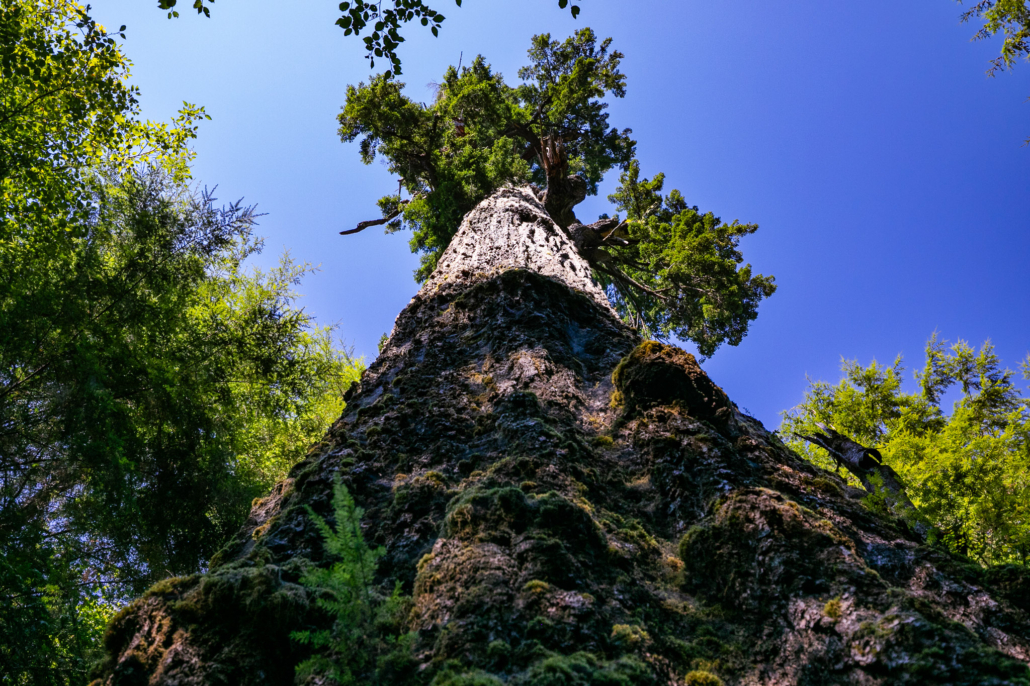
UPDATED: Port Renfrew Big Trees Map
Explore the updated Port Renfrew Big Trees Map with new directions, trails, and routes to iconic giants like Big Lonely Doug, Eden Grove, and more.
https://staging.ancientforestalliance.org/wp-content/uploads/2025/05/13-Red-Creek-Fir.jpg
1365
2048
TJ Watt
https://staging.ancientforestalliance.org/wp-content/uploads/2026/05/Ancient-Forest-Alliance-logo.svg
TJ Watt2026-05-29 15:39:342026-05-29 15:40:49UPDATED: Port Renfrew Big Trees Map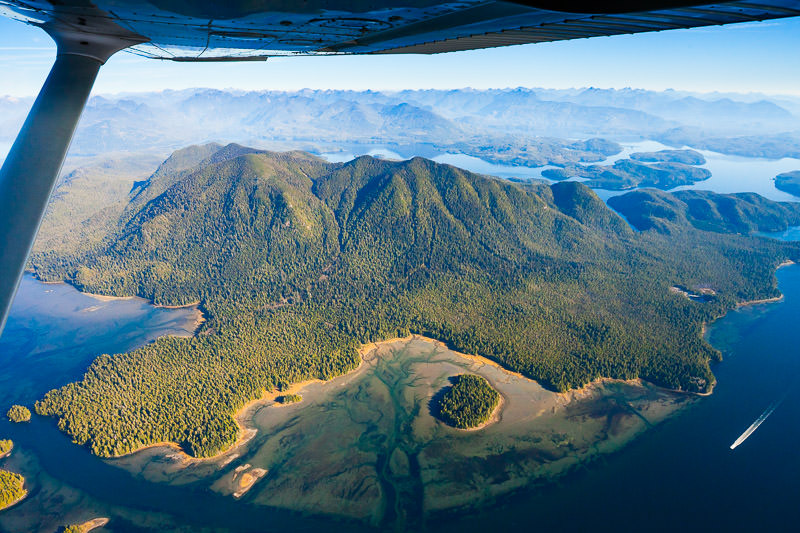
NEW! West Coast Old-Growth Hiking Guide
Explore AFA’s NEW West Coast old-growth hiking guide. From Clayoquot Sound to Port Alberni, there are trails for every skill level!
https://staging.ancientforestalliance.org/wp-content/uploads/2026/05/meares-island-big-tree-trail-tofino-1200px-338.jpg
533
800
TJ Watt
https://staging.ancientforestalliance.org/wp-content/uploads/2026/05/Ancient-Forest-Alliance-logo.svg
TJ Watt2026-05-29 12:06:002026-05-29 15:42:38NEW! West Coast Old-Growth Hiking Guide
Now Hiring: Contract Graphic Designer!
Ancient Forest Alliance is hiring a contract Graphic Designer to help bring our campaigns to life through print and digital materials.
https://staging.ancientforestalliance.org/wp-content/uploads/2026/05/flores-island-wildside-trail-1200px-430.jpg
800
1200
TJ Watt
https://staging.ancientforestalliance.org/wp-content/uploads/2026/05/Ancient-Forest-Alliance-logo.svg
TJ Watt2026-05-22 12:22:292026-05-22 12:22:29Now Hiring: Contract Graphic Designer!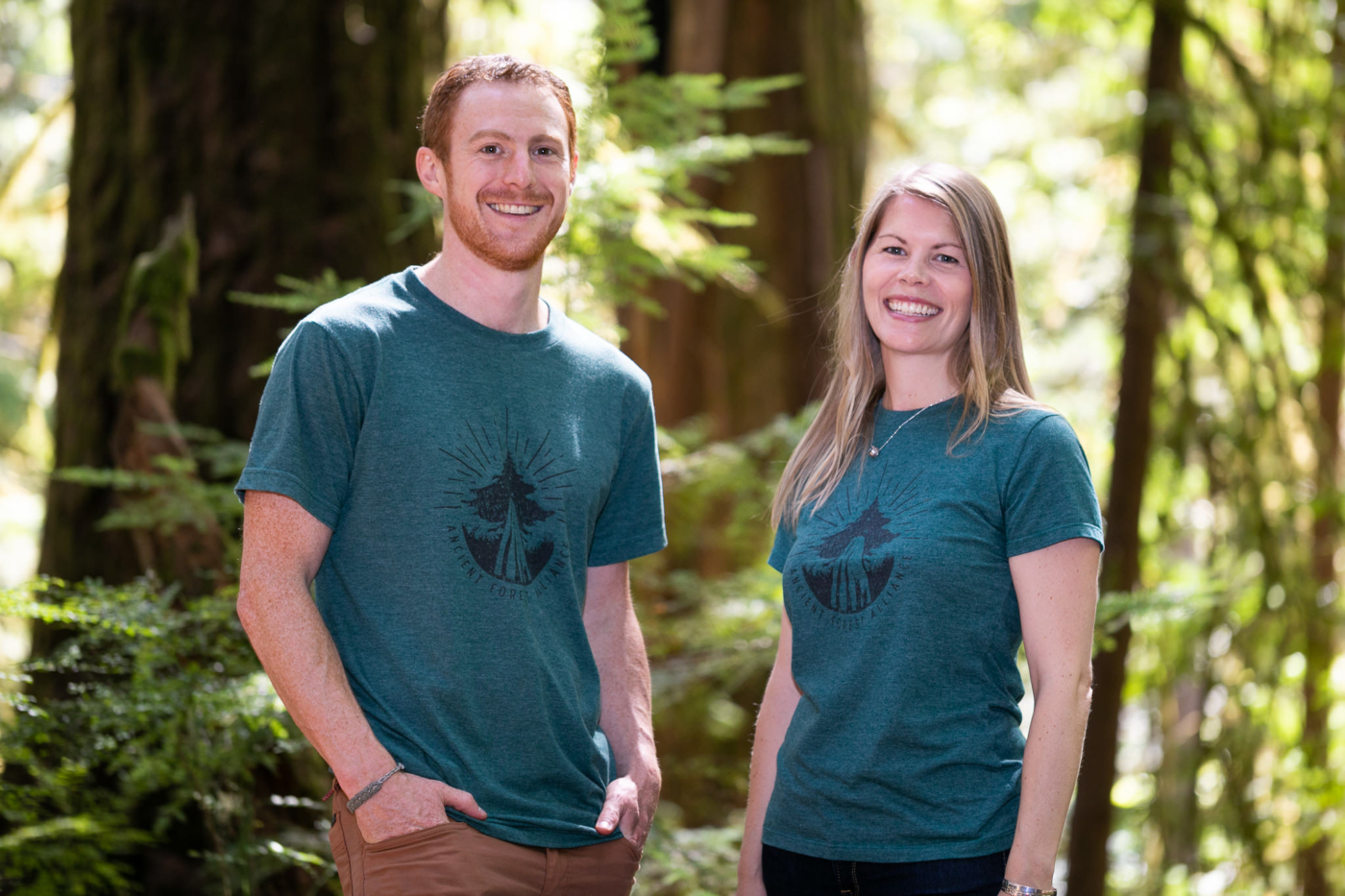
Design AFA’s Next T-Shirt and Help Protect Old-Growth Forests!
Calling all artists! For Earth Month, AFA is launching our first-ever Community T-Shirt Design Contest.
https://staging.ancientforestalliance.org/wp-content/uploads/2026/04/AFA-T-Shirt-Green-Mens-Womens.jpg
1365
2048
TJ Watt
https://staging.ancientforestalliance.org/wp-content/uploads/2026/05/Ancient-Forest-Alliance-logo.svg
TJ Watt2026-05-15 08:13:232026-05-19 09:33:44Design AFA’s Next T-Shirt and Help Protect Old-Growth Forests! Donate
 Send a Message

NEW! Ancient Forests of BC Calendars for Sale!
/in AnnouncementsWe’re proud to present the Ancient Forest Alliance’s premier calendar! It highlights some of the special places on British Columbia’s coast that we’ve explored as we work towards securing provincial legislation to save our endangered old-growth forests and forestry jobs.
The calendar features beautiful photos of many incredible places including Echo Lake, the Cameron Valley Firebreak, San Juan Valley, Cortes Island, Avatar Grove, Mossy Maple Grove, Cathedral Grove Canyon, Upper Walbran Valley, Flores Island, the Gordon River Valley, and more! It’s also printed on 100% post-consumer recyled paper with vegetable based inks.
You can order one today for $20 through our new online store, by phoning 250-896-4007, or, if you’re in Victoria, you can come by our temporary office cubicle in the Habitat Acquisition Trust office and Nature Conservancy of Canada building between 12-6 pm, Mon.-Sat., until December 23 at 827 Broughton St. (between Blanshard and Quadra St.)
Tiny Cortes Island girds for battle with China’s huge CIC wealth fund
/in News CoverageResidents of an idyllic island off the west coast of Canada are facing off against corporate opponents set to include a Chinese sovereign wealth behemoth, the US$480 billion China Investment Corporation (CIC).
Environmental activists and Cortes Island residents last week blockaded land owned by the Island Timberlands (IT) company, in a bid to prevent logging. They object to the environmental impact of felling on the island and fear that jobs and economic benefits will be sent to China.
Cortes Island activist Zoe Miles said that a reported deal for CIC to buy a 12.5 per cent stake in IT was a “huge part of the issue”. She also said that because IT was exporting raw logs to China, not finished products, the bulk of the economic benefits were being exported, too.
With a population of about 1,000, the British Columbia (BC) island is known for its natural beauty and thriving arts community.
“We aren’t anti-logging. We’re opposed to Island Timberlands’ model of industrial-scale logging,” said Miles, who was raised on the island, 160 kilometres north of Vancouver.
“The jobs after the cutting of the trees aren’t staying in BC,” she said. “Our concerns are both ecological and economic. We want to preserve the ecosystem and jobs for locals.”
She said the activists wanted IT to produce a logging plan “that meets the community’s desires”. That included preserving old-growth forest, setting logging back from waterways and not clear-cutting.
Some activists, including Ken Wu from the Ancient Forest Alliance, want the provincial government to protect parts of Cortes by purchasing it.
“You ultimately have to buy the private land that you want protected,” said Wu, whose group wants to re-establish a BC parks acquisition fund. “The government isn’t going to expropriate it.”
The Wall Street Journal reported last month that CIC was negotiating with Brookfield Asset Management to buy one-eighth of IT. Brookfield, with US$150 billion in assets under management, is a general partner and “significant majority shareholder” in IT said Brookfield senior vice-president for communications, Andrew Willis.
Willis said he could not comment on the reported US$100 million CIC deal. He said other investors in IT currently include Canadian provincial retirement funds. CIC did not respond to a request for comment.
The blockade last week resulted in IT withdrawing work crews sent to carve out logging roads. IT, the second-largest private landholder in BC, owns about 1,000 hectares on Cortes.
Mark Leitao, director of human resources at IT, said the firm was considering its next move, but still intended to log its land. “At the moment we are taking a rest and exploring our options … but our plan is to harvest those two blocks, safely,” he said.
IT workers were blocked last week by protesters lying in front of vehicles. Some protesters brought placard-waving children to the site.
Leitao said that the land in question was not virgin forest, having been through “at least one rotation” of logging, perhaps as long as 100 years ago. He said the firm was committed to saving “veteran” trees older than 250 years old.
He said that the land would not face clear-cut logging, in which most or all trees are razed.
“We are managing this tree by tree,” Leitao said. “We believe we have done right.”
Although the goal was to replant, he said that some of the felled land could be sold for property development.
Miles, the activist, said that singling out old trees to be saved was not good enough. “We’d draw a distinction between saving individual old growth trees and saving the old growth forest as a whole,” she said.
Link to original online article.
Cortes Island residents seek compromise with loggers
/in News CoverageCortes Island residents who blockaded roads for a week in a fight to modify logging plans say they are hopeful talks with Island Timberlands can lead to a compromise.
But Mark Leitao, a spokesman for the company, said Thursday no commitment has been made to meet with the islanders, who are organized under the banner, Wildstands Alliance. The group lifted its blockade Wednesday, after logging crews withdrew from the island. But Mr. Leitao said the crews will be back.
“We’re resolute that we’re going to harvest and continue to manage our properties on Cortes over the long term,” he said. “At this point we’re sitting back and assessing our options.”
Mr. Leitao said the company has considered an injunction against the blockaders, if necessary, but isn’t in a rush.
“We’ll be on Cortes for the long term, and so a week here and there is not going to really affect the overall long-term scheme of things,” he said. “First and foremost we want to make sure that when we go to harvest, that we can do that safely.”
Island residents blocked roads to protest company plans to log privately owned forest lands on Cortes Island, which is in the Strait of Georgia, east of Campbell River. About 1,000 people live on the bucolic island, which is home to Hollyhock Farm Ltd., a well-known retreat that features workshops on writing, dance and yoga among other things.
Leah Seltzer, of the Wildstands Alliance, said the group took down the blockade with the expectation that a meeting with the company would follow.
“We hope that will happen in the near future,” she said, adding that island residents are not asking for an end to logging, just that plans be changed to ensure sensitive areas are protected. “We are definitely a community that is made up of people that includes loggers. We are interested in some logging … but it has to be selective logging.… We want their forests to be managed in a way that maintains ecological integrity.”
Ms. Seltzer said she is concerned the lack of dialogue between residents and Island Timberlands will worsen if a reported deal goes through in which China Investment Corp. is proposing to purchase timber assets from Brookfield Asset Management Inc. The Toronto-based company owns Island Timberlands, which is headquartered in Nanaimo, on Vancouver Island.
“It is hard enough to communicate with them now. Imagine if their offices were in China,” she said.
Ron Croda, a long-time resident, said a bitter battle was fought over the forest lands on Cortes Island in 1991, when MacMillan Bloedel Ltd. sought to log the area. “We put it off for 20 years,” he said. “That was a measure of some success.”
Mr. Croda said the battle divided the community then, and may do so again, because the issues are the same: The company has the legal right to log its forest lands, but many in the community want to protect the natural beauty of the island. “This is an example of corporate exploitation where the law is entirely on their side – but it’s leading to an environmental tragedy,” he said.
Ken Wu, a director of the Ancient Forest Alliance, called on the provincial government to end the dispute before it grows into a bigger confrontation. “Without the government taking action this will escalate into a war in the woods,” he said. “The BC Liberal government needs to show some leadership. They should not keep their heads down on the Cortes Island issue.”
Mr. Wu urged the government to set aside $40-million a year for park land acquisition.
Read more: https://www.theglobeandmail.com/news/british-columbia/cortes-island-residents-seek-compromise-with-loggers/article6071710/