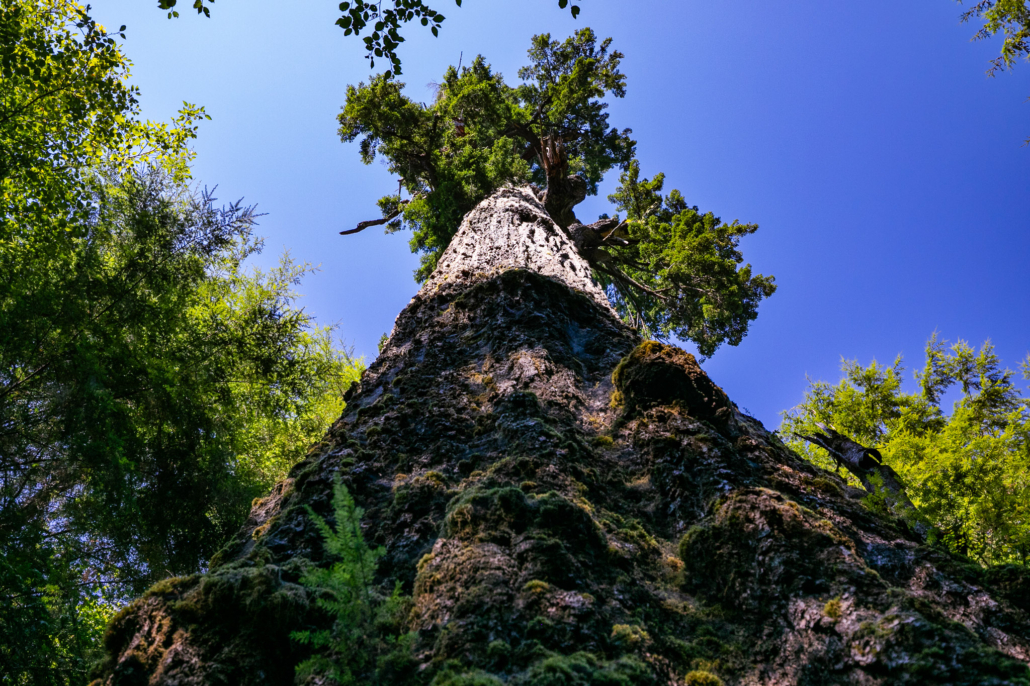
UPDATED: Port Renfrew Big Trees Map
Explore the updated Port Renfrew Big Trees Map with new directions, trails, and routes to iconic giants like Big Lonely Doug, Eden Grove, and more.
https://staging.ancientforestalliance.org/wp-content/uploads/2025/05/13-Red-Creek-Fir.jpg
1365
2048
TJ Watt
https://staging.ancientforestalliance.org/wp-content/uploads/2026/05/Ancient-Forest-Alliance-logo.svg
TJ Watt2026-05-29 15:39:342026-05-29 15:40:49UPDATED: Port Renfrew Big Trees Map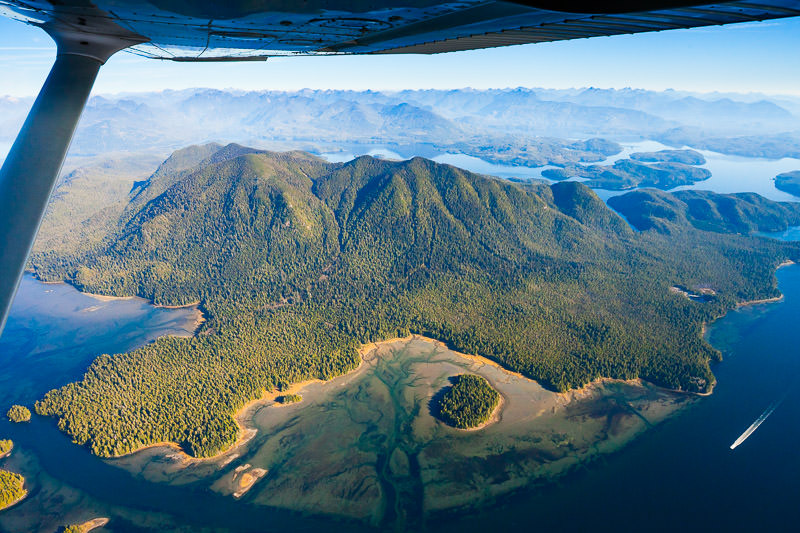
NEW! West Coast Old-Growth Hiking Guide
Explore AFA’s NEW West Coast old-growth hiking guide. From Clayoquot Sound to Port Alberni, there are trails for every skill level!
https://staging.ancientforestalliance.org/wp-content/uploads/2026/05/meares-island-big-tree-trail-tofino-1200px-338.jpg
533
800
TJ Watt
https://staging.ancientforestalliance.org/wp-content/uploads/2026/05/Ancient-Forest-Alliance-logo.svg
TJ Watt2026-05-29 12:06:002026-05-29 15:42:38NEW! West Coast Old-Growth Hiking Guide
Now Hiring: Contract Graphic Designer!
Ancient Forest Alliance is hiring a contract Graphic Designer to help bring our campaigns to life through print and digital materials.
https://staging.ancientforestalliance.org/wp-content/uploads/2026/05/flores-island-wildside-trail-1200px-430.jpg
800
1200
TJ Watt
https://staging.ancientforestalliance.org/wp-content/uploads/2026/05/Ancient-Forest-Alliance-logo.svg
TJ Watt2026-05-22 12:22:292026-05-22 12:22:29Now Hiring: Contract Graphic Designer!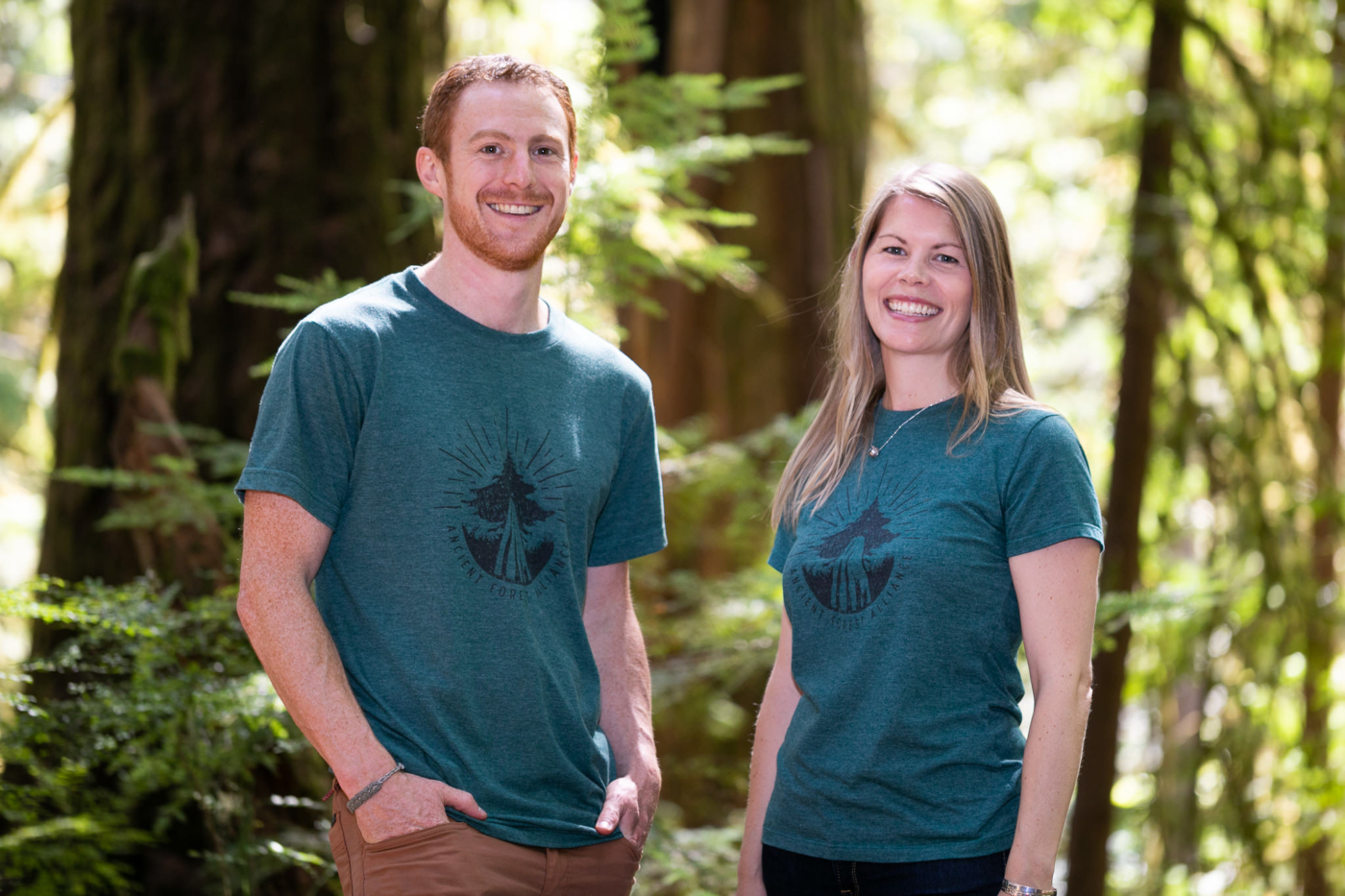
Design AFA’s Next T-Shirt and Help Protect Old-Growth Forests!
Calling all artists! For Earth Month, AFA is launching our first-ever Community T-Shirt Design Contest.
https://staging.ancientforestalliance.org/wp-content/uploads/2026/04/AFA-T-Shirt-Green-Mens-Womens.jpg
1365
2048
TJ Watt
https://staging.ancientforestalliance.org/wp-content/uploads/2026/05/Ancient-Forest-Alliance-logo.svg
TJ Watt2026-05-15 08:13:232026-05-19 09:33:44Design AFA’s Next T-Shirt and Help Protect Old-Growth Forests! Donate
 Send a Message

OUR VIEW: Provincial oversight missing in Cortes logging dispute
/in News CoverageThe current impasse over logging on private land on Cortes Island is unique by B.C. standards. In a province where wars in the woods have often been bitterly waged, the Cortes standoff stands apart.
Cortes environmentalists and Island Timberlands have been debating the company’s logging plans for about four years without coming to serious blows. The islanders are not trying to ban logging altogether, they are asking for Timberlands to adopt an ecosystem-based, selective logging harvesting plan that spares old growth.
And, Timberlands, which is owned by Wall Street giant Brookfield Asset Management, has exercised a measure of restraint and has not immediately sought an injunction to gain access to the property.
As encouraging as this is, there is something glaringly absent in the debate – provincial government stewardship. There can be no lasting resolution of the Cortes Island conflict unless it can be demonstrated that logging on the company’s private land is subject to diligent regulatory oversight. Private land logging companies claim they are subject to more than 30 provincial acts and regulations.
But, the environmentalists counter-claim that the industry uses a model of professional reliance which means that there is no real government oversight and private land foresters ultimately get to decide what constitutes compliance.
Further complicating the Cortes Island impasse are global investment forces over which Cortes has no control. China Investment Corp.(CIC), the state-owned investment arm of the People’s Republic of China, is interested in purchasing a significant percentage of Island Timberlands. CIC is an investment powerhouse with approximately $200 billion of China’s foreign exchange reserves to play with.
The notion that the fate of old growth stands on tiny Cortes Island will be debated and determined in part by faceless Communist Party plutocrats in Beijing is kind of scary. The scenario is made more scary by the fact that our provincial government seems to have abandoned all caring for commercial logging on private land.
Read article: https://www.campbellrivermirror.com/opinion/183084691.html
Global TV News – Echo Lake & Bald Eagles
/in News CoverageDirect link to YouTube clip: www.youtube.com/watch?v=mJcMg48bT10
Please SIGN our PETITION at: ancientforestalliance.org/ways-to-take-action-for-forests/petition/
Echo Lake is a spectacular, unprotected, lowland ancient forest near Agassiz, BC on the east side of the Lower Fraser Valley. It is in the unceded territory of the Sts’ailes First Nations band (formerly the Chehalis Indian Band). The area is home to perhaps the largest concentration of bald eagles on Earth, where thousands of eagles come each fall to eat spawning salmon in the Harrison and Chehalis Rivers and hundreds roost in the old-growth trees at night around Echo Lake. It is also home to bears, cougars, deer, mountain goats, and osprey, and was historically populated by the critically endangered northern spotted owl.
The vigilance of local landowners on the east side of Echo Lake, whose private lands restrict access to the old-growth forests on the Crown lands on the west side of the lake, have held-off industrial logging of the lake’s old-growth forests for decades. Local conservationists are interested in increased protections for eagles in the Harrison/Chehalis area and the protection of the Echo Lake Ancient Forest where the eagles roost at night.
China Investment Corporation Eyes BC Forests, Spells FIPA Danger
/in News CoverageThe China Investment Corporation (ICI), one of the world’s largest sovereign wealth funds, is set to become a powerful landowner in British Columbia if a $100 million deal with Island Timberlands, the second-largest owner of private forests in the province, goes through. The Ancient Forest Alliance (AFA) is concerned that closure of the deal, especially in light of Canada’s pending ratification of the Foreign Investment Protection and Promotion Agreement (FIPA), could have negative consequences for protection of BC’s treasured old-growth forests, forestry jobs, and the rights of First Nations, according to an AFA press release.