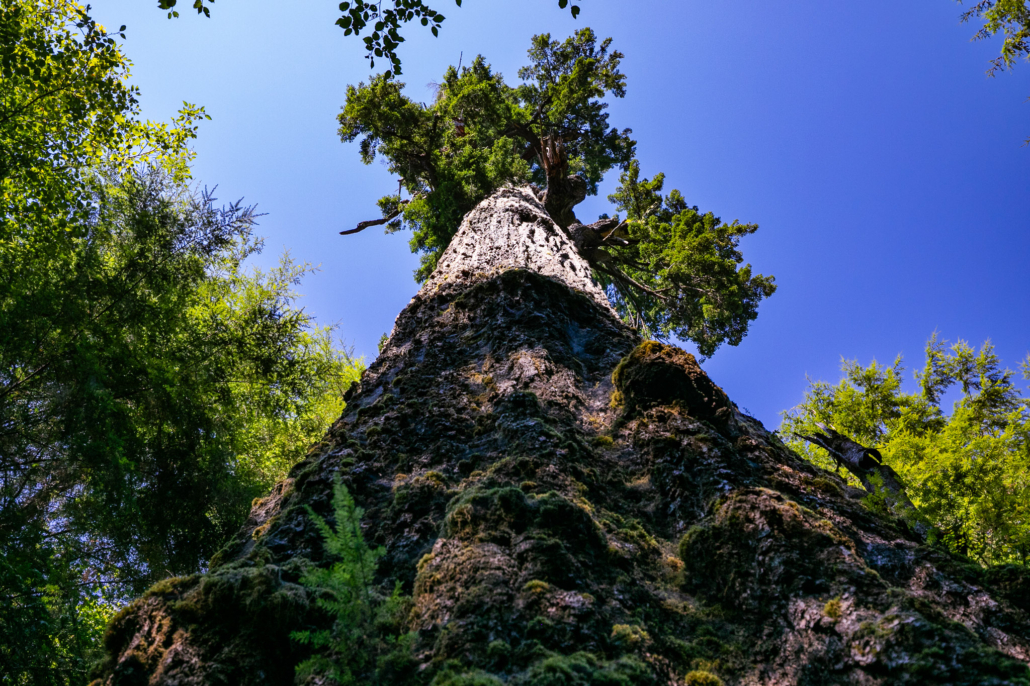
UPDATED: Port Renfrew Big Trees Map
Explore the updated Port Renfrew Big Trees Map with new directions, trails, and routes to iconic giants like Big Lonely Doug, Eden Grove, and more.
https://staging.ancientforestalliance.org/wp-content/uploads/2025/05/13-Red-Creek-Fir.jpg
1365
2048
TJ Watt
https://staging.ancientforestalliance.org/wp-content/uploads/2026/05/Ancient-Forest-Alliance-logo.svg
TJ Watt2026-05-29 15:39:342026-05-29 15:40:49UPDATED: Port Renfrew Big Trees Map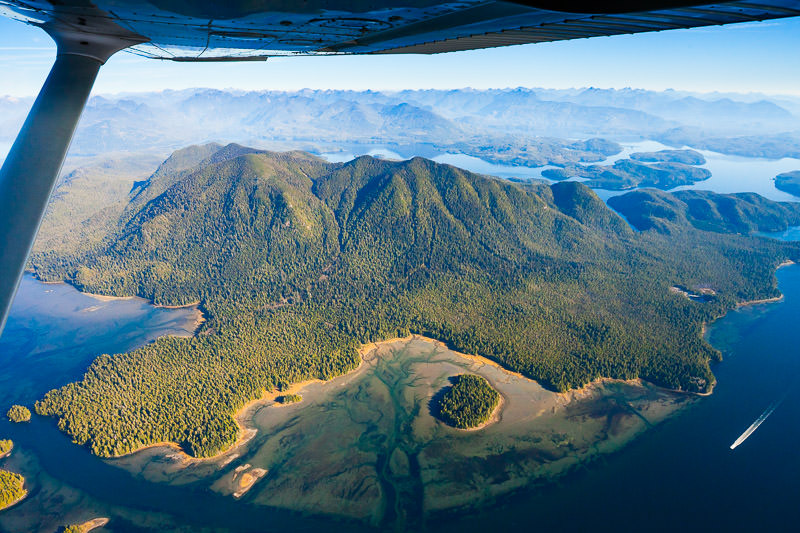
NEW! West Coast Old-Growth Hiking Guide
Explore AFA’s NEW West Coast old-growth hiking guide. From Clayoquot Sound to Port Alberni, there are trails for every skill level!
https://staging.ancientforestalliance.org/wp-content/uploads/2026/05/meares-island-big-tree-trail-tofino-1200px-338.jpg
533
800
TJ Watt
https://staging.ancientforestalliance.org/wp-content/uploads/2026/05/Ancient-Forest-Alliance-logo.svg
TJ Watt2026-05-29 12:06:002026-05-29 15:42:38NEW! West Coast Old-Growth Hiking Guide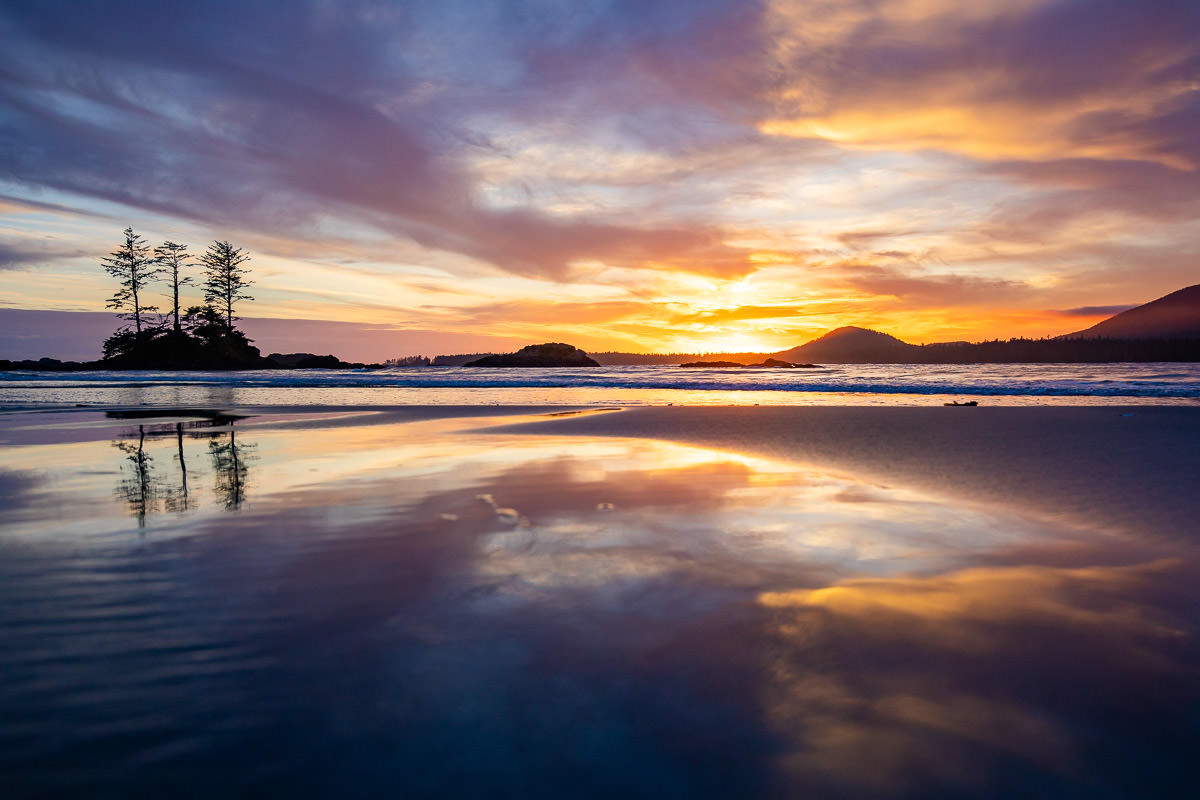
Now Hiring: Contract Graphic Designer!
Ancient Forest Alliance is hiring a contract Graphic Designer to help bring our campaigns to life through print and digital materials.
https://staging.ancientforestalliance.org/wp-content/uploads/2026/05/flores-island-wildside-trail-1200px-430.jpg
800
1200
TJ Watt
https://staging.ancientforestalliance.org/wp-content/uploads/2026/05/Ancient-Forest-Alliance-logo.svg
TJ Watt2026-05-22 12:22:292026-05-22 12:22:29Now Hiring: Contract Graphic Designer!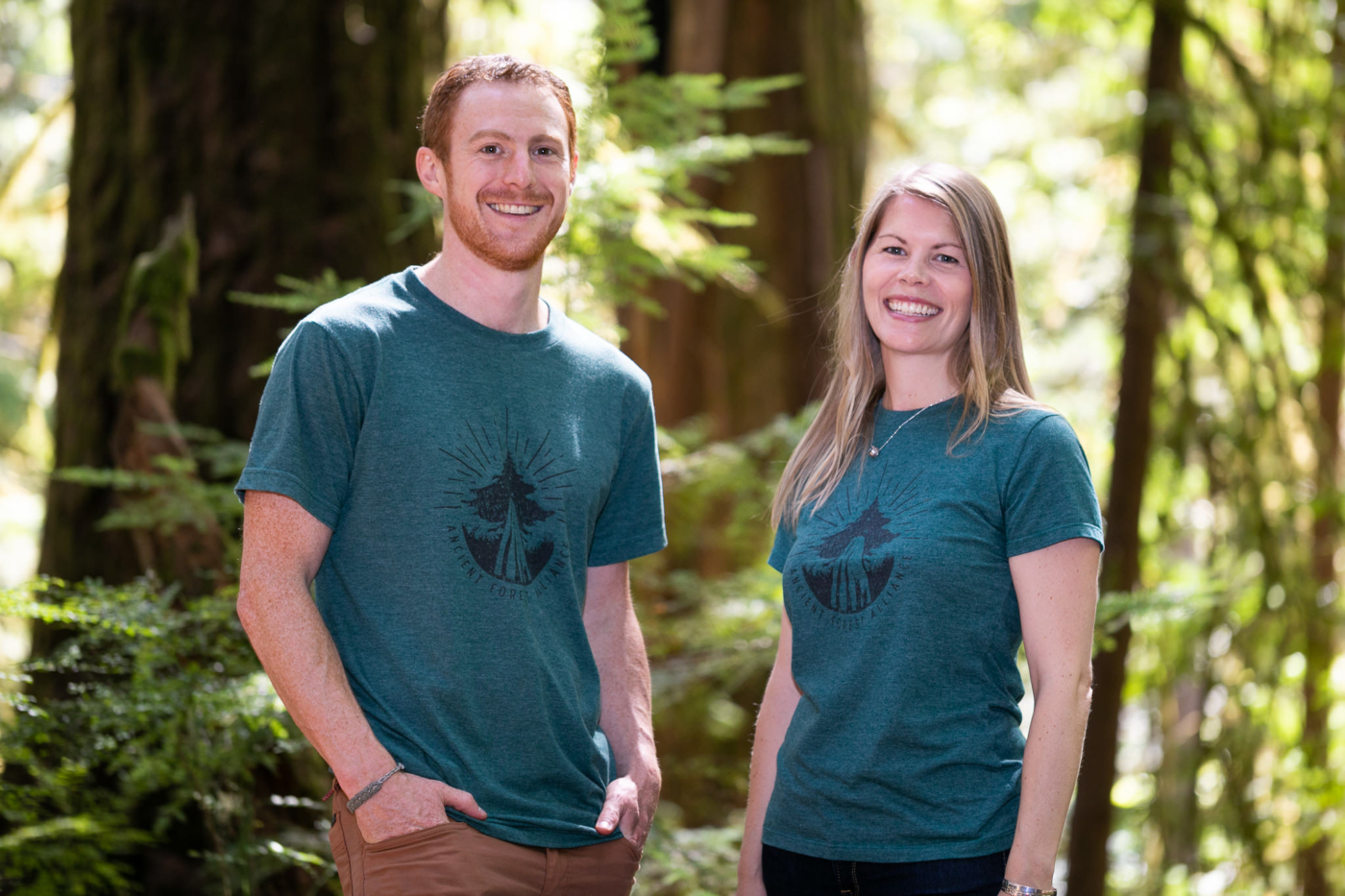
Design AFA’s Next T-Shirt and Help Protect Old-Growth Forests!
Calling all artists! For Earth Month, AFA is launching our first-ever Community T-Shirt Design Contest.
https://staging.ancientforestalliance.org/wp-content/uploads/2026/04/AFA-T-Shirt-Green-Mens-Womens.jpg
1365
2048
TJ Watt
https://staging.ancientforestalliance.org/wp-content/uploads/2026/05/Ancient-Forest-Alliance-logo.svg
TJ Watt2026-05-15 08:13:232026-05-19 09:33:44Design AFA’s Next T-Shirt and Help Protect Old-Growth Forests! Donate
 Send a Message
Logging B.C. old-growth forests accelerates climate change: Sierra Club report
/in News CoverageTake note that in contrast to the PR remarks of the logging companies in this article, only about 10% of the carbon is stored in long-lasting wood products after logging. The other 90% is released much more quickly through short-lived products that end up as waste in a few years.
VICTORIA — One year of logging old-growth forests in southwestern B.C. blows away a year of carbon-emissions reductions made through climate-change fighting initiatives such as the carbon tax, says a Sierra Club report released Wednesday.
The B.C. government continues to look for ways to feed more timber to struggling sawmills through proposed Forest Act changes, but the government is failing to consider the massive role intact old-growth forests play in fighting climate change, says the report, Carbon at Risk: B.C.’s Unprotected Old-growth Rainforest.
The report says logging old-growth forests on southern Vancouver Island and the Lower Mainland in 2011 — 5,700 hectares — released three million tonnes of carbon into the atmosphere, about the same amount saved through green initiatives.
It suggests old-growth forests be considered non-renewable resources and be protected from logging because it takes hundreds of years for the forests to return to their previous status as massive carbon sinks.
FORESTS STORE CARBON
Scientists cited by environmentalists say that huge, old-growth trees store massive amounts of carbon. Once they are cut down, all that carbon is released, while the resulting clear cuts store only minimal amounts.
Experts estimate it could take 300 to 500 years for the forest to return to the same carbon-storage potential.
However, a coastal forestry industry spokesman believes the report’s findings are flawed, noting scientists also agree second growth forests store carbon and new growth actually grabs hold of more carbon than old-growth forests — which are essentially, tired, old and no longer expanding.
Rick Jeffery, Coast Forest Products Association president said the Sierra Club is only interested in halting logging.
The six-page report doesn’t go that far but does make it plain that preserving old-growth forests through reductions in logging helps to store carbon.
“Avoided logging of old-growth rainforest is one of the most immediately effective actions to reduce emissions,” says the report.
“From a carbon perspective, converting old-growth rainforest to second growth is like giving away a safe, hefty bank account with a decent interest rate in exchange for a start-up bank account with almost zero money and the promise of spectacular growth based on unreliable forecasts.”
VANCOUVER IS. FORESTS UNPROTECTED
The report says about 1.5 million hectares of old-growth forest in the Vancouver Island South Coast area are unprotected, and within that area, about 600,000 hectares could be harvested.
Those forests store the equivalent of more than 800 million tonnes of carbon dioxide, more than 13 times B.C.’s annual carbon emissions.
The B.C. government’s climate-change legislation sets greenhouse-gas emissions reduction targets of 33 per cent by 2020, compared to 2007 levels. The government said it managed to reduce emissions by 4.5 per cent between 2007 and 2010.
Carbon emissions from forests are not counted as part of B.C.’s greenhouse-gas reduction targets.
Jeffery rejected the report’s findings and its calls for more protection of southern old-growth rainforests due to their carbon storage capacities.
‘THEY DON’T WANT US TO LOG’
He said the Sierra Club is using exaggerated data to support long-standing calls to stop logging in old-growth forests.
“They don’t want us to log,” said Jeffery. “That is the raison d’etre of the environmental groups. For them to tell you anything else is an outright lie.”
Jeffery said he agreed that forests store carbon but disagrees that, once old-growth trees are cut, they release massive amounts of carbon dioxide into the atmosphere.
Products from trees, such as houses and furniture, end up storing carbon, and scientific research indicates that second-growth forests also act as carbon-storage sources.
“They’re basically telling you that once you cut that old-growth tree, that carbon all gets released into the environment,” said Jeffery.
“It goes to other uses. It gets recycled. It goes into buildings and it gets stored.”
Sierra Club spokesman Jens Wieting said forest policy debates are focused on increasing timber supplies for forest companies while ignoring the ever-increasing carbon emissions attributed to increased logging of old-growth forests.
“The emissions from B.C.’s forests today are higher than our official emissions from fossil fuels, primarily burning fossil fuels, and nobody’s talking about it,” said Wieting.
“There’s forest policy in place and discussions about making changes to the Forest Act without addressing carbon.”
FORESTS MINISTER PROMISES ‘OLD-GROWTH PROTECTION’
Forests Minister Steve Thomson said B.C. is a world leader when it comes to protecting old-growth forests and introducing environmental policies. He did not directly address carbon emissions and their relation to logging in old-growth forests.
“There’s always concerns around old-growth areas,” Thomson said. “That’s why we need to make sure we have the old-growth protection in place.”
The Liberals introduced amendments last week to the Forest Act that propose to convert volume-based tree farm licences to ones that are area-based.
Independent MLA Bob Simpson said he intends to mount a challenge to the amendments on the grounds that the move from volume to area licences is simply a proposal designed to appease U.S.-based forest company Hampton Affiliates, which called for a guaranteed timber supply following last year’s explosion that destroyed its Burns Lake mill and killed two workers.
Simpson said the amendments will hurt other area mills because they will reduce their timber supply.
He said the government would be better served amending the Forest Act to offer better ways of protecting and measuring the remaining old-growth forests.
“B.C. does have a problem where they need a forest strategy that addresses the issue that our forests are a massive source of carbon and we kind of hide that,” Simpson said.
Read more: https://www.theprovince.com/technology/Logging+growth+forests+accelerates+climate+change+Sierra+Club+report/8023344/story.html
Feb. 28th Presentation at SFU: The Ancient Forest Alliance’s Pre-Election Campaign with Ken Wu
/in AnnouncementsThis Thursday, Feb. 28, 2013: The Ancient Forest Alliance’s Pre-Election Campaign – Presentation with Ken Wu
BLUSS Rm 9655
Simon Fraser University, Burnaby Mountain
5:30pm-6:30pm
Tasty snacks!
Hear about the Ancient Forest Alliance’s campaign to ensure that the fate of BC’s ancient forests and forestry jobs are central election issues in the next several months leading up to the May 14, 2013 provincial election. Learn about the ecology and politics of BC’s old-growth forests, see TJ Watt’s spectacular photos of the Upper Walbran Valley, Fangorn Forest, Echo Lake Ancient Forest, Christy Clark Grove, Cortes Island, Stillwater Bluffs, Day Road Forest, McLaughlin Ridge, and other endangered ancient forests. Hear about the momentus March 16th rally with thousands of people and how you can help!
BC Government Protects about half of Echo Lake’s Old-Growth Forests
/in Media ReleaseFor Immediate Release
February 23, 2013
BC Government Protects about half of Echo Lake’s Old-Growth Forests
Earth’s largest night roosting site for bald eagles east of Vancouver needs additional protection
The BC government has protected about half or more of old-growth forests around Echo Lake, an extremely rare, lowland old-growth forest between Mission and Agassiz in the Fraser Valley east of Vancouver. The Ministry of Forests made the announcement last week, where about 55 hectares of old-growth forests have been included in an Old-Growth Management Area (OGMA) on Crown lands primarily on the south side of Echo Lake. About 40 hectares or so of old-growth and mature forests remain outside of the OGMA on the north and west side of the lake within a Woodlot Licence where the ancient trees can be logged.
See the Ministry of Forests, Lands, and Natural Resource Operations’ media release at: https://www2.news.gov.bc.ca/news_releases_2009-2013/2013FOR0014-000251.htm
See spectacular images of Echo Lake Ancient Forests at: https://staging.ancientforestalliance.org/photos-media/echo-lake/
See a Youtube Clip at: https://youtu.be/HPstV14oZ6s
Echo Lake is the largest night-roosting site for bald eagles on Earth, where as many as 700 bald eagles roost in the ancient Douglas fir and cedar trees around the lake at night during the fall salmon runs. Along the nearby Chehalis and Harrison Rivers, as many as 10,000 bald eagles come to eat the spawning salmon on some years, making the area home to the largest bald eagle/ raptor concentration on Earth. The BC government also announced that they are looking at the possibility of establishing a Wildlife Management Area in the Chehalis-Harrison Rivers region for the eagles, which the Ancient Forest Alliance supports.
The area is in the traditional, unceded territory of the Sts’ailes First Nations band (formerly the Chehalis Indian Band – see www.stsailes.com ), who run the Sasquatch EcoLodge and whose members run eagle-watching tours nearby.
“We’re pleased about the designation of the south side of the Echo Lake as an Old-Growth Management Area that prohibits logging. However, most of the north and some of the west side of Echo Lake, with enormous old-growth cedars and Douglas firs that are as rare as Sasquatch these days, remain unprotected and must be included in the OGMA,” stated Ken Wu, Ancient Forest Alliance campaign director.
“The BC government needs to work with the local Woodlot Licensee, First Nations, the adjacent private land owners like myself, and conservationists to ensure the area’s legal protection. This could entail shifting the Woodlot Licence boundaries into a second-growth forest with an equivalent timber value and then expanding the Old-Growth Management Area to encompass all of the forests around Echo Lake,” stated Stephen Ben-Oliel, a private landowner on the eastern shore of Echo Lake.
The Ancient Forest Alliance is also calling for a larger provincial plan to protect the remaining endangered old-growth forests across BC while ensuring sustainable second-growth forestry jobs. Some of the key policies the organization is calling for include:
In the Lower Mainland, about 80% or more of the original, productive old-growth forests have already been logged, including well over 90% of the valley bottom ancient forests where the largest trees grow and most biodiversity is found.
“How many jurisdictions on Earth still have trees that grow as wide as living rooms and as tall as downtown skyscrapers? What we have here is something exceptional on the planet, our ancient forests make British Columbia truly special – while we still have them,” stated TJ Watt, Ancient Forest Alliance campaigner. “More than ever we need the BC Liberal government and NDP opposition to have the wisdom to move ahead with a plan that protects our endangered old-growth forests, ensures the sustainable logging of second-growth forests, and ends the export of raw logs to foreign mills”.