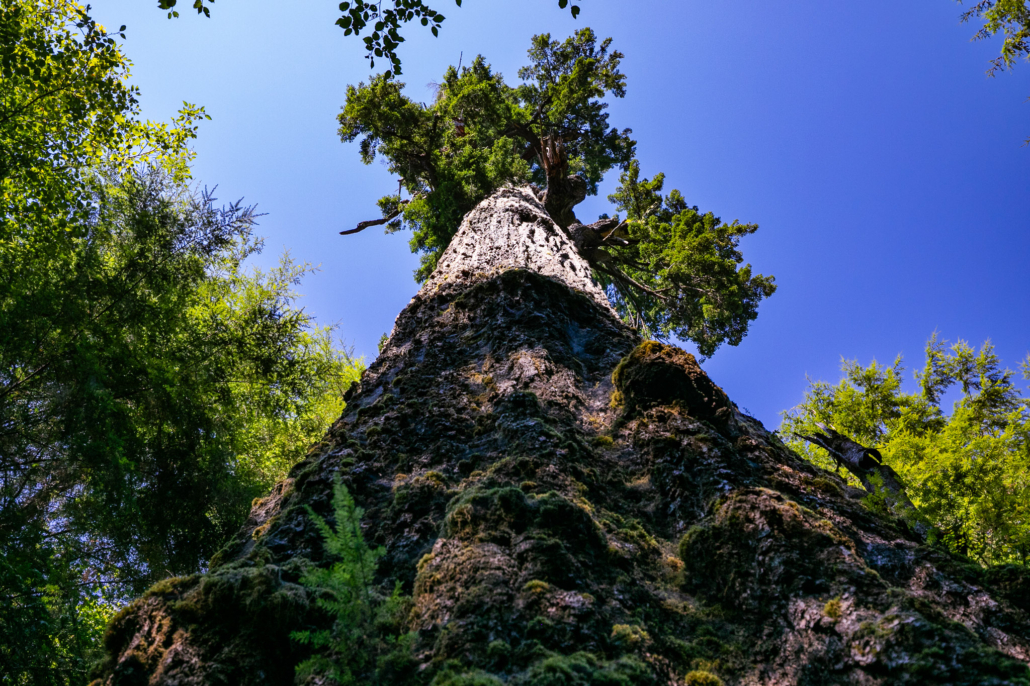
UPDATED: Port Renfrew Big Trees Map
Explore the updated Port Renfrew Big Trees Map with new directions, trails, and routes to iconic giants like Big Lonely Doug, Eden Grove, and more.
https://staging.ancientforestalliance.org/wp-content/uploads/2025/05/13-Red-Creek-Fir.jpg
1365
2048
TJ Watt
https://staging.ancientforestalliance.org/wp-content/uploads/2026/05/Ancient-Forest-Alliance-logo.svg
TJ Watt2026-05-29 15:39:342026-05-29 15:40:49UPDATED: Port Renfrew Big Trees Map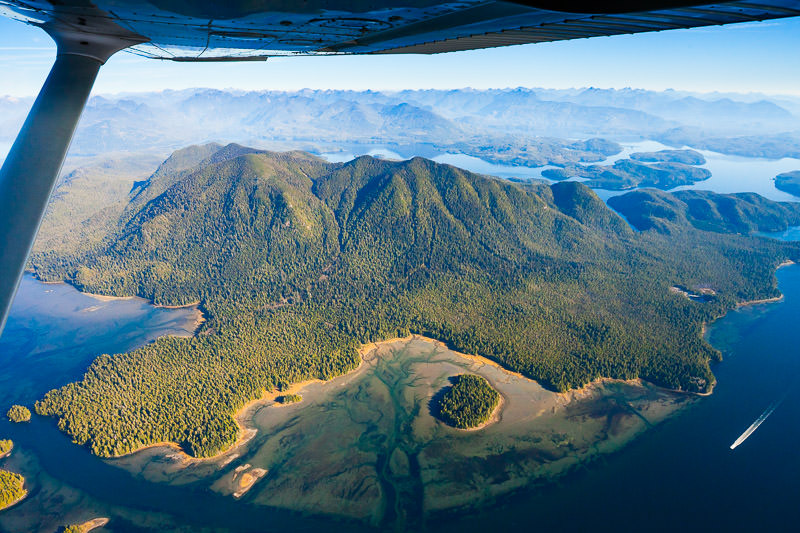
NEW! West Coast Old-Growth Hiking Guide
Explore AFA’s NEW West Coast old-growth hiking guide. From Clayoquot Sound to Port Alberni, there are trails for every skill level!
https://staging.ancientforestalliance.org/wp-content/uploads/2026/05/meares-island-big-tree-trail-tofino-1200px-338.jpg
533
800
TJ Watt
https://staging.ancientforestalliance.org/wp-content/uploads/2026/05/Ancient-Forest-Alliance-logo.svg
TJ Watt2026-05-29 12:06:002026-05-29 15:42:38NEW! West Coast Old-Growth Hiking Guide
Now Hiring: Contract Graphic Designer!
Ancient Forest Alliance is hiring a contract Graphic Designer to help bring our campaigns to life through print and digital materials.
https://staging.ancientforestalliance.org/wp-content/uploads/2026/05/flores-island-wildside-trail-1200px-430.jpg
800
1200
TJ Watt
https://staging.ancientforestalliance.org/wp-content/uploads/2026/05/Ancient-Forest-Alliance-logo.svg
TJ Watt2026-05-22 12:22:292026-05-22 12:22:29Now Hiring: Contract Graphic Designer!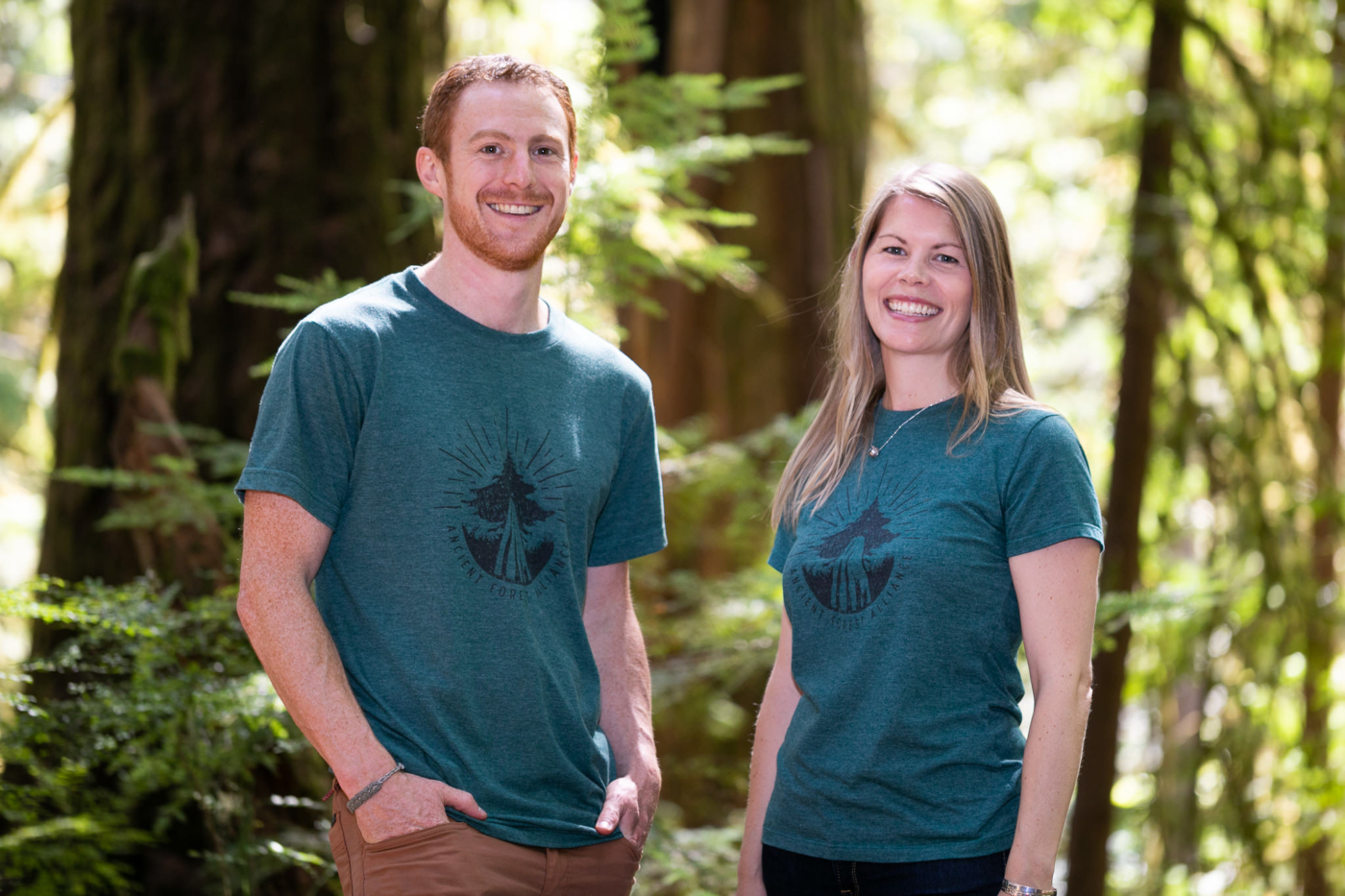
Design AFA’s Next T-Shirt and Help Protect Old-Growth Forests!
Calling all artists! For Earth Month, AFA is launching our first-ever Community T-Shirt Design Contest.
https://staging.ancientforestalliance.org/wp-content/uploads/2026/04/AFA-T-Shirt-Green-Mens-Womens.jpg
1365
2048
TJ Watt
https://staging.ancientforestalliance.org/wp-content/uploads/2026/05/Ancient-Forest-Alliance-logo.svg
TJ Watt2026-05-15 08:13:232026-05-19 09:33:44Design AFA’s Next T-Shirt and Help Protect Old-Growth Forests! Donate
 Send a Message
Environmentalists Sigh with Relief as BC Liberals Back Down from “Forest Giveaway Bill” to expand Tree Farm Licences (TFL’s) on Public Lands
/in AnnouncementsEnvironmentalists are rejoicing today after the BC Liberal government backed down from its plans to pass enabling legislation to give greater property rights for major logging companies in British Columbia by expanding Tree Farm Licences (TFL’s). Earlier today Forests Minister committed to delete Section 24, the so-called “Forest Giveaway Bill”, from Bill 8, an omnibus bill of miscellaneous statute amendments, after facing huge pressure from concerned citizens through a campaign spearheaded by Independent MLA Bob Simpson and BC environmental organizations. The deletion will occur tomorrow during the committee stage of Bill 8. See MLA Bob Simpson’s media release at: https://www.bobsimpsonmla.ca/independent-mla-calls-for-public-inquiry-into-forest-policy/
“This is good news! The BC Liberals wanted to give a ‘parting gift’ to the major logging companies before they leave office, but in this politically sensitive pre-election period that’s not going to happen now – thanks to thousands of people who spoke up and the great work of Independent MLA Bob Simpson. Simpson was the ‘central clearing house’ for the campaign, providing the main insights for concerned citizens on the government’s proposal, and acting as a battering ram against the proposal from within the legislature. He has clearly demonstrated the power that one determined, independent thinker and politician can be,” stated Ken Wu, executive director of the Ancient Forest Alliance. “Time and time again, British Columbians have spoken up en masse to keep public lands in public hands every time a large scale forest privatization scheme like this has reared its ugly head through successive governments.”
The BC Liberals received thousands of emails in recent weeks, including over 3200 messages from Ancient Forest Alliance supporters through its website www.BCForestMovement.com, protesting the proposal since the government introduced Bill 8 on February 20. In addition, over 1200 people have already pre-confirmed their attendance for this Saturday’s rally for sustainable forestry (12:00 noon, Legislative buildings) being planned by the Ancient Forest Alliance in Victoria, which was originally going to include a focus against the “Forest Giveaway Bill” – but now no longer has to.
The TFL expansion bill would have gone through its second reading today, and would have empowered the Minister of Forests to allow major forest companies to convert their “volume-based” logging rights (ie. in cubic metres) into “area-based” licences or Tree Farm Licences in defined areas tens or hundreds of thousands of hectares in size.
Opponents of the plan argued that increasing private property rights for major logging companies on Crown lands would make it harder to protect forests for wildlife, recreation and scenery; make First Nations treaty settlement more difficult, lengthy and expensive; entrench the overcutting already occurring at the expense of the long term viability of local communities; and diminish the land base available for community forestry and other tenures.
“The Forest Giveaway Bill would have taken us backwards. Now we need to move forward, as the status quo is still highly unsustainable for jobs and the environment. We need to get commitments from both the BC Liberal government and the NDP opposition for strong legislation to protect our endangered old-growth forests, ensure sustainable, value-added second-growth forestry, and to end the export of raw logs to foreign mills,” stated Wu.
Background Info
A Tree Farm Licence (TFL) is a defined geographic area that is tens or hundreds of thousands of hectares in size that confers exclusive logging rights to one logging company on Crown (public) lands. TFL’s currently constitute a minor fraction of BC’s land base, perhaps about 10% of the geographic area and about 20% of the cut. Most of the province’s forests are found in Timber Supply Areas (TSA’s) where no specific geographic area is granted to companies for exclusive logging rights – instead they are given a volume of wood (in cubic meters) through a Forest Licence (FL) that they are allowed to cut within each massive TSA each year in cutblocks planned by the Forest Service.
See the Ancient Forest Alliance’s original media release on the BC Liberal government’s TFL expansion proposal at: See the AFA’s original media release at: https://staging.ancientforestalliance.org/media-release-pine-beetle-used-as-trojan-horse-to-increase-privatization-of-bcs-forests-through-ministerial-fiat-instead-of-democratic-legislative-vote/
The Ancient Forest Alliance is calling on BC’s politicians to commit to:
– A provincial Old-Growth Strategy that will protect the province’s endangered old-growth forests.
– Ensure the sustainable logging of second-growth forests, which now constitute most of BC’s productive forest lands.
– End the export of raw logs to foreign mills.
– Support the retooling of coastal old-growth mills and the development of value-added wood processing facilities to handle second-growth logs.
BC’s old-growth forests are vital to support endangered species, tourism, the climate, clean water, wild salmon, and many First Nations cultures. On Vancouver Island, satellite photos show that about 75% of the original, productive old-growth forests have already been logged, including 90% of the valley-bottom ancient forests where the largest trees grow and most biodiversity resides. Only about 10% of Vancouver Island’s original, productive old-growth forests are protected in parks and Old-Growth Management Areas (OGMA’s). See: https://staging.ancientforestalliance.org/ancient-forests/before-after-old-growth-maps/
So far the BC Liberal government has been defending continued, large-scale old-growth logging and raw log exports in the province, often citing highly misleading statistics to convey the false message that old-growth forests are not endangered.
The NDP opposition has so far stayed silent on a previous commitment by leader Adrian Dix in 2011 during his leadership bid that he would, “Develop a long term strategy for old growth forests in the Province, including protection of specific areas that are facing immediate logging plans” if elected. See:
[Original article no longer available]
See spectacular old-growth forest photos at: https://staging.ancientforestalliance.org/photos-media/
and videos at: https://staging.ancientforestalliance.org/photos-media/videos/
Planned Old-Growth Logging by World Famous Cathedral Grove Highlights Need for New Provincial Forest Policies
/in AnnouncementsPort Alberni – Conservationists are calling for much stronger, comprehensive old-growth protection policies in BC after having discovered a major logging threat to Canada’s most famous old-growth forest, Cathedral Grove in MacMillan Provincial Park on Vancouver Island. Conservationists came across survey tape marked “Falling Boundary” and “Road Location” in an old-growth Douglas fir and hemlock forest only 300 meters from the park boundary last week. See photos and a map (based on some GPS points) at: https://www.ancientforestalliance.org/photos.php?gID=24
“Cathedral Grove is BC’s iconic old-growth forest that people around the world know – it’s like the redwoods of Canada. The fact that a company can just log the mountainside above Canada’s most famous old-growth forest underscores the BC government’s deep failure to take action to protect our ancient forest heritage,” stated TJ Watt, campaigner and photographer with the Ancient Forest Alliance. “More than ever we need the BC Liberals and NDP to commit to comprehensive new legislation to protect our old-growth forests on Crown lands, and to create a fund to save endangered ecosystems on private lands.”
The lands are privately owned by Island Timberlands but until recently were regulated to the stronger standards found on public lands. However, in 2004, the BC Liberal government removed 88,000 hectares of Island Timberlands’ private forest lands from their Tree Farm Licences, thereby exempting the area from the intended old-growth, scenic, and wildlife habitat protections, and removing the existing restrictions on raw log exports and real estate development on those lands.
“The BC government removed the environmental protections on these lands a few years ago and exempted the area from other planned protections, putting these lands in jeopardy. Now they need to clean up this mess by protecting these lands, either by purchasing them or re-regulating them,” stated Jane Morden, coordinator of the Port Alberni Watershed-Forest Alliance.
“Cathedral Grove is the mascot of old-growth forests in Canada. If we can’t ensure its ecological integrity because of the BC government’s inaction – or complicity – it really gives a black eye to BC’s environmental reputation in the international community,” stated Annette Tanner, chair of the Mid-Island Wilderness Committee, who has led the fight for the ecological integrity of Cathedral Grove for over a decade.
The Ancient Forest Alliance is calling on the BC Liberals and NDP to commit to a provincial plan to protect the province’s old-growth forests, to ensure sustainable second-growth forestry, and to end the export of raw, unprocessed logs to foreign mills. For private lands, the organization is calling for a provincial “park acquisition fund” of $40 million/year to purchase endangered ecosystems on private land for protection, similar to the park acquisition funds of various regional districts, like the Capital Regional District around Victoria.
The Ancient Forest Alliance is planning a major “Pre-Election Rally for Ancient Forests and BC Forestry Jobs” this Saturday, March 16 at 12 noon at the Legislative Buildings. Already over 900 people have pre-confirmed their attendance for the rally on their website and almost 400 people via Facebook. See www.BCForestMovement.com
So far the BC Liberal government has been defending continued, large-scale old-growth logging and raw log exports in the province, often citing highly misleading statistics to convey the false message that old-growth forests are not endangered. They’ve also introduced a bill in the legislature, Bill 8, that would empower the Minister of Forests to give logging companies exclusive logging rights over massive areas of Crown forest lands by converting their “volume-based” logging rights (ie. in cubic metres) into “area-based” licences or Tree Farm Licences. Increasing private property rights for major timber companies on Crown lands is a central bone of contention for the province’s conservation organizations – and a massive fight is underway. See: https://www.ancientforestalliance.org/news-item.php?ID=564
The NDP opposition has so far stayed silent on a previous commitment by leader Adrian Dix in 2011 during his leadership bid that he would, “Develop a long term strategy for old growth forests in the Province, including protection of specific areas that are facing immediate logging plans” if elected.
See: https://conservationvoters.ca/past-endorsements/leadership-race-2011/ndp-candidates/adrian-dix
BC’s old-growth forests are vital to support endangered species, tourism, the climate, clean water, wild salmon, and many First Nations cultures. On Vancouver Island, satellite photos show that about 75% of the original, productive old-growth forests have already been logged, including 90% of the valley-bottom ancient forests where the largest trees grow and most biodiversity resides. Only about 10% of Vancouver Island’s original, productive old-growth forests are protected in parks and Old-Growth Management Areas (OGMA’s).
See: https://www.ancientforestalliance.org/old-growth-maps.php
URGENT: STOP the BC Liberal Government’s Proposed Forest Giveaway THIS WEEK!
/in Take ActionRecently, the BC Liberal government introduced a bill that, if passed into law, could be used to massively expand private property-like rights for major logging companies on BC’s public forest lands and on unceded First Nations lands. The proposed law, included within a larger omnibus bill, Bill 8, would empower BC’s Forest Minister to readily create new Tree Farm Licences (TFL’s) that give exclusive logging rights over large expanses of Crown lands to major companies who currently have “volume-based” logging rights (ie. in cubic metres of wood). This undemocratic, anti-environmental proposal could increase the claims to compensation – to be paid for by BC’s taxpayers – by major logging companies in light of future conservation designations and First Nations treaty settlements.
MLA Bob Simpson: Claim vs. Fact [Original article no longer available]
Privatizing our public forests (Bob Simpson, Independent MLA) [Original article no longer available]