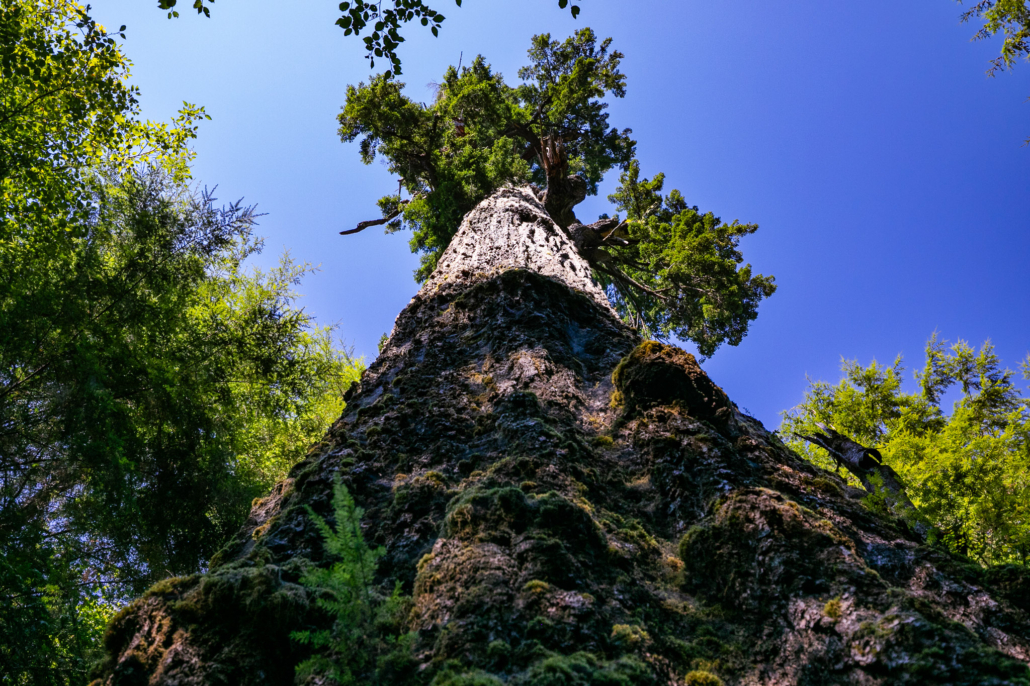
UPDATED: Port Renfrew Big Trees Map
Explore the updated Port Renfrew Big Trees Map with new directions, trails, and routes to iconic giants like Big Lonely Doug, Eden Grove, and more.
https://staging.ancientforestalliance.org/wp-content/uploads/2025/05/13-Red-Creek-Fir.jpg
1365
2048
TJ Watt
https://staging.ancientforestalliance.org/wp-content/uploads/2026/05/Ancient-Forest-Alliance-logo.svg
TJ Watt2026-05-29 15:39:342026-05-29 15:40:49UPDATED: Port Renfrew Big Trees Map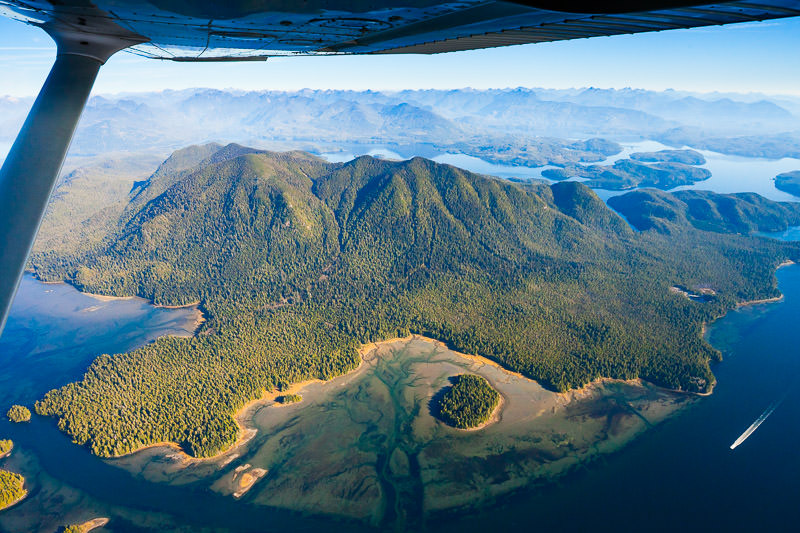
NEW! West Coast Old-Growth Hiking Guide
Explore AFA’s NEW West Coast old-growth hiking guide. From Clayoquot Sound to Port Alberni, there are trails for every skill level!
https://staging.ancientforestalliance.org/wp-content/uploads/2026/05/meares-island-big-tree-trail-tofino-1200px-338.jpg
533
800
TJ Watt
https://staging.ancientforestalliance.org/wp-content/uploads/2026/05/Ancient-Forest-Alliance-logo.svg
TJ Watt2026-05-29 12:06:002026-05-29 15:42:38NEW! West Coast Old-Growth Hiking Guide
Now Hiring: Contract Graphic Designer!
Ancient Forest Alliance is hiring a contract Graphic Designer to help bring our campaigns to life through print and digital materials.
https://staging.ancientforestalliance.org/wp-content/uploads/2026/05/flores-island-wildside-trail-1200px-430.jpg
800
1200
TJ Watt
https://staging.ancientforestalliance.org/wp-content/uploads/2026/05/Ancient-Forest-Alliance-logo.svg
TJ Watt2026-05-22 12:22:292026-05-22 12:22:29Now Hiring: Contract Graphic Designer!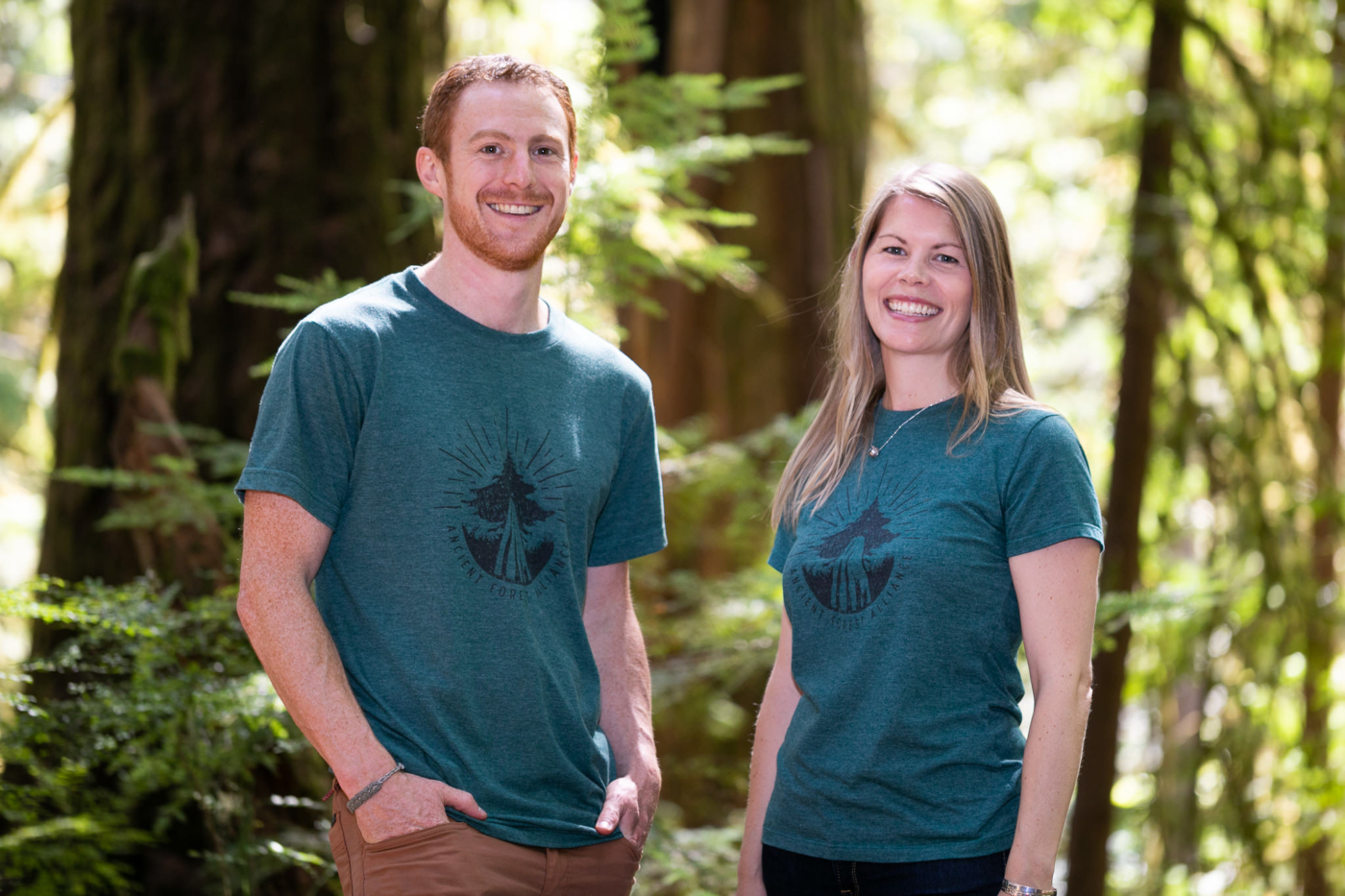
Design AFA’s Next T-Shirt and Help Protect Old-Growth Forests!
Calling all artists! For Earth Month, AFA is launching our first-ever Community T-Shirt Design Contest.
https://staging.ancientforestalliance.org/wp-content/uploads/2026/04/AFA-T-Shirt-Green-Mens-Womens.jpg
1365
2048
TJ Watt
https://staging.ancientforestalliance.org/wp-content/uploads/2026/05/Ancient-Forest-Alliance-logo.svg
TJ Watt2026-05-15 08:13:232026-05-19 09:33:44Design AFA’s Next T-Shirt and Help Protect Old-Growth Forests! Donate
 Send a Message
MLA recognized for work to protect forests
/in News CoverageAlberni-Pacific Rim NDP MLA Scott Fraser received a Forest Sustainability Award from conservationists and forestry workers in a small ceremony on Monday.
The award was given to him to recognize his years of exceptional public service as an elected Member of the Legislative Assembly in British Columbia to protect endangered old-growth forests, to counter the deregulation of forest lands on Vancouver Island and to restrict the export of B.C. raw logs to foreign mills.
The award was presented by Ken Wu and TJ Watt of the Ancient Forest Alliance, a non-profit environmental group working to protect old-growth forests and ensure sustainable second-growth forestry. The award is jointly sponsored by the Youbou TimberLess Society, former employees of the now-defunct Youbou sawmill who continue to advocate sustainable forest policies.
“I'm grateful to receive this wonderful recognition for my work. Our old-growth forests are a vitally important part of this province's identity, and a sustainable forest industry will benefit everyone,” Fraser said. “I will champion endangered old-growth protection and sustainable forestry leading up to the election and subsequent to the election whether as part of a new government or in the opposition.”
The brief ceremony took place in Cathedral Grove, Canada's most famous old-growth forest that is currently under threat with a planned cutblock by Island Timberlands on the above mountainside on Mount Horne. Joining the award ceremony to show their support for Fraser's good work were Arnold Bercov, representing the Pulp, Paper and Woodworkers of Canada – President of Local 8, Jane Morden and Mike Stini, from the Port Alberni Watershed-Forest Alliance, and Annette Tanner, of the Mid-Island Chapter of the Wilderness Committee.
“Scott Fraser has been an exceptional MLA for his energy and outspokenness to protect endangered old-growth forests and forestry jobs,” said Ken Wu, Ancient Forest Alliance executive director. “He's one of the rare politicians who has a real connection to B.C.'s majestic old-growth forests – a politician who actually hikes and gets muddy in these special places.”
He said it is clear that his advocacy has not been lip service or simply a means to score political points.
“But because Fraser has a genuine passion – you can feel it when he's talking – for our old-growth forests and for a sustainable forest industry that could support future generations of forest workers in this province,” Wu added. “It's important to give credit where credit is due, and Fraser certainly deserves credit for making forest sustainability central to his role as an elected public servant in his time.”
Ken James, president of the Youbou TimberLess Society said this past decade has been an atrocity for B.C.'s forestry workers.
“Over 70 mills have closed and 30,000 forestry jobs have been lost,” he said. “Fraser has repeatedly gone to bat against the deregulation of B.C.'s forest industry and the massive export of raw logs that is killing current and future manufacturing jobs in this province.”
He added that the province needs MLAs like Fraser in government to champion a forest industry that will sustain both ecosystems and human communities.
Read More: https://www2.canada.com/albernivalleytimes/news/story.html?id=10a47823-3f27-4c36-ab91-bdf4a8d55066
Group angry over old-growth clearcut in Walbran Valley
/in News CoverageAs Torrance Coste stood beside giant stumps in a clearcut in the Upper Walbran Valley, he wondered why anyone would cut down 900-year-old trees.
“Unlogged stands and 900-year-old trees are incomparable in terms of their value in sequestering carbon,” said Coste, a campaigner with the Wilderness Committee.
“Given what we know about climate change, liquidating the last few stands of old growth for very short-term profit is extremely irresponsible.”
Coste drove into the Walbran Valley this month with a student movie crew that wanted to film giant trees.
The story they have taken back to New York will not reflect positively on B.C.’s logging practices, he said.
“I just stopped dead in my tracks. The forest was now a field of stumps. It was the worst sort of clearcut you will see anywhere.”
The area is about one kilometre from Castle Grove, which contains the “Castle Giant” — a western red cedar with a five-metre diameter, considered one of the widest trees in Canada.
The area has also been ground zero for forest protests on Vancouver Island.
Protests in 1991 resulted in the lower half of the Walbran Valley and the Upper Carmanah Valley being added to Carmanah Walbran Provincial Park in 1995.
In 2003, more protests erupted, resulting in the arrest of environmentalist Betty Krawczyk, who was 74 at the time.
Last year, after another skirmish over logging plans near Castle Grove, the company backed off and the province promised to look for new ways to protect ancient stands of trees.
“We need an old-growth logging ban right off the bat,” Coste said.
The recent logging, which took place on Crown land, was conducted by the Teal Jones Group of Surrey in late November. The company had all necessary permits and plans in place, said Forests Ministry spokesman Brennan Clarke in an emailed response to questions.
The cuts took place within a special management zone that includes 2,600 hectares along the east side of the Walbran protected area, he said. Clearcuts are limited to a maximum of five hectares and cutblocks that are selectively logged cannot be larger than 40 hectares.
“The government is still actively working on new ways to protect ancient or giant trees,” Clarke wrote. “On Vancouver Island, 46 per cent of the forest on Crown land is old growth. Of the 862,125 hectares of old-growth forest, it is estimated that over 520,000 hectares will never be harvested.”
No one from Teal Jones was available to comment on the logging because of spring break holidays.
Rob Fleming, the B.C. NDP’s environment critic, said the clearcut beside the road leading into Castle Grove shows the need to strengthen old-growth management areas.
“I think we need to look at gaps in the current laws and designated protected areas and look at why 900-year-old trees and stands are not protected,” he said.
The problems were underlined recently by auditor general John Doyle, who said B.C. is not doing enough to protect the province’s biodiversity, Fleming said.
“A patchwork doesn’t protect biodiversity,” he said.
“On Crown land there should be better opportunities to have old growth preserved. We just don’t see any proactive old-growth or conservation strategies in B.C.”
Read more: https://www.timescolonist.com/news/local/group-angry-over-old-growth-clearcut-in-walbran-valley-1.96796
Wiggle your trunk at the Tree Huggers Ball
/in News CoverageNote from the Ancient Forest Alliance: A huge THANK YOU to Nathaniel Glickman and members of the UVic AncientForest Committee for organizing a totally fun and successful fundraising night with a first rate line-up of local musicians (Moonshine Gang Victoria Chapter, (as the) Crow Flies, Redwood Green, Co-Captain, and DJ Rough Child) on Saturday’s 3rd Annual “Tree Huggers Ball”! The event raised a total of $4800 for our young organization that depends on grassroots support to stay afloat! Big thanks as well to Amanda Cook for donating nearly $400 in proceeds from sales of her “Stand up for the Coast” t-shirts! See you again next FALL!!
Martlet article below:
Being part of positive environmental change can be a rewarding experience, but also exhausting. For those who find themselves worn out from all the petition-signing or phone-calling, the third annual Tree Huggers Ball is being held at Felicita’s on Saturday, March 23, by the UVic Ancient Forest Committee and promises to put the fun back in fundraiser.
“The goal is about fun — we have great music from local artists, and everyone can come and have a good time,” says TJ Watt, co-founder of the Ancient Forest Alliance (AFA). “In the world of activism, it’s easy to be bombarded with bad news, so it’s important to put time aside for friends and dancing.” The Tree Huggers Ball will include local bands such as Redwood Green, Rough Child, Co-Captain, (as the) Crow Flies and The Moonshine Gang.
The UVic Ancient Forest Committee puts on the event as a fundraiser for the AFA. The AFA is a non-profit organization that works to protect B.C.’s endangered old-growth forests, ensure sustainable second-growth forestry (forests that have been planted in clear-cut areas) and end the export of raw logs.
“We’re pushing the B.C. Liberal government and the NDP opposition to create a new provincial old-growth policy that would protect endangered old-growth forests in B.C.,” says Watt. Watt, who grew up in Victoria, is the forest campaigner and photographer with the AFA, which just celebrated its three-year anniversary this month. Watt spends much of his time exploring valleys on Vancouver Island and documenting the state of the forests, using photos and videos to capture the oldest trees — as well as the oldest stumps. Watt won the Martlet’s inaugural photo feature contest this year with his photo of a man standing on an enormous stump in the midst of a clearcut. “We’re losing the old-growth forest ecosystems and endangered species,” he says. “They are hugely important for clean air, clean water and the climate.”
The AFA began humbly. “The Ancient Forest Alliance started out with a Gmail account,” says Watt. But the organization developed quickly as support grew for its first project: protecting Avatar Grove, a 59-hectare stand of giant old-growth Douglas fir and Western redcedar just outside Port Renfrew. One of the giant cedars in Avatar Grove has been dubbed “Canada’s gnarliest tree” due to a 12-foot-wide burl growing on its trunk. The AFA worked with the local business community and Chamber of Commerce in Port Renfrew while campaigning to raise awareness, which led to the grove’s protection in early 2012. “It was the hottest campaign for a specific old-growth forest in the past decade,” states Watt, “and our first major victory.”
Other recent achievements includes staving off logging in the Walbran Valley’s Castle Grove, protecting approximately half of the world’s largest night roosting site for bald eagles around Echo Lake on the Lower Mainland and helping stop the B.C. government’s recent plan to expand Tree Farm Licenses (TFLs) in the province through Bill 8. To do this, the AFA led media campaigns and encouraged its supporters to write letters and call representatives. “We have over 20 000 supporters,” says Watt. “That includes many students, but also small business owners and even forestry workers. We have speakers from the pulp, paper and woodworkers union and have support from various First Nations. We work to include as wide a demographic as possible and bring about change by running solutions-based campaigns.”
Despite widespread support, the AFA still faces challenges in convincing the government that old-growth forests are indeed endangered and shouldn’t be cut down. “The public is largely supportive, but the B.C. Liberal government maintains that old-growth forests are somehow not endangered, even after 150 years of logging,” says Watt.
In an effort to protect endangered private lands, the AFA is calling for the creation of a B.C. park acquisition fund that sees $40 million set aside each year with which to purchase endangered old-growth forests or areas of high recreational value.
Last year, the Tree Huggers Ball raised upwards of $3 000 with the aid of an anonymous donor who matched all other donations. Watt hopes for another successful event this year.
“We run AFA on a shoestring budget,” he says. “So an event like this really goes a long way for us, and we’re very grateful for the support.”
The funds go toward endeavours such as exploring old-growth areas, creating new maps and reports and delivering information throughout the province with slideshow tours.
Although there is no official dress code, Watt encourages people to be creative and have fun with the tree theme of the event. “We encourage people to dress up like the forest. Wear your green or wear your tree stuff. Wear branches. Be forest friendly!”
Direct link to online article: https://martlet.ca/wiggle-your-trunk-at-the-tree-huggers-ball/