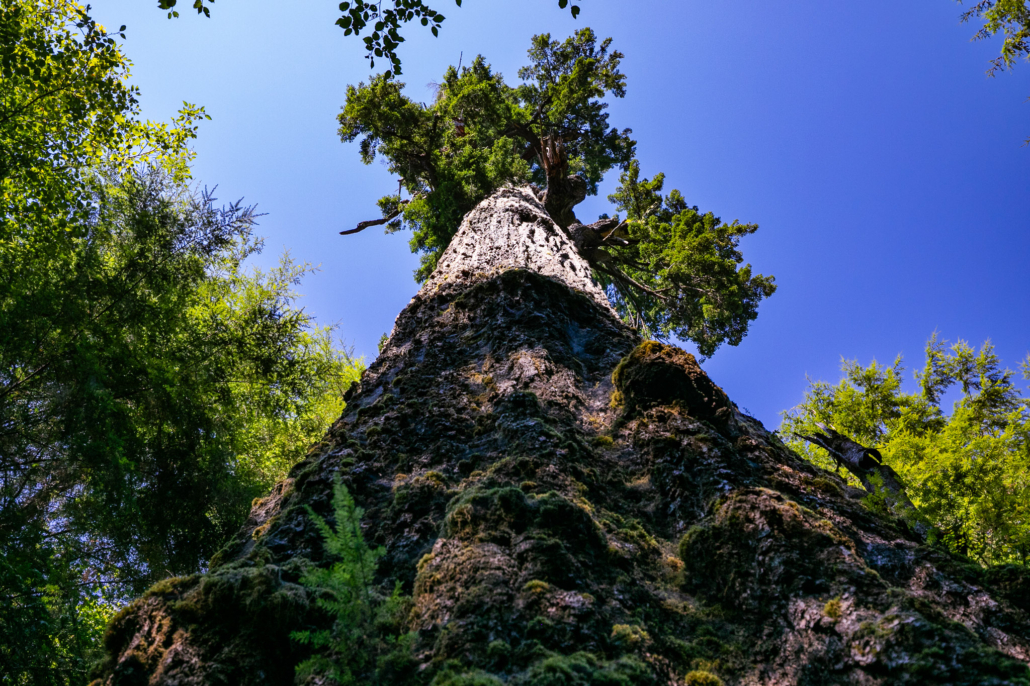
UPDATED: Port Renfrew Big Trees Map
Explore the updated Port Renfrew Big Trees Map with new directions, trails, and routes to iconic giants like Big Lonely Doug, Eden Grove, and more.
https://staging.ancientforestalliance.org/wp-content/uploads/2025/05/13-Red-Creek-Fir.jpg
1365
2048
TJ Watt
https://staging.ancientforestalliance.org/wp-content/uploads/2026/05/Ancient-Forest-Alliance-logo.svg
TJ Watt2026-05-29 15:39:342026-05-29 15:40:49UPDATED: Port Renfrew Big Trees Map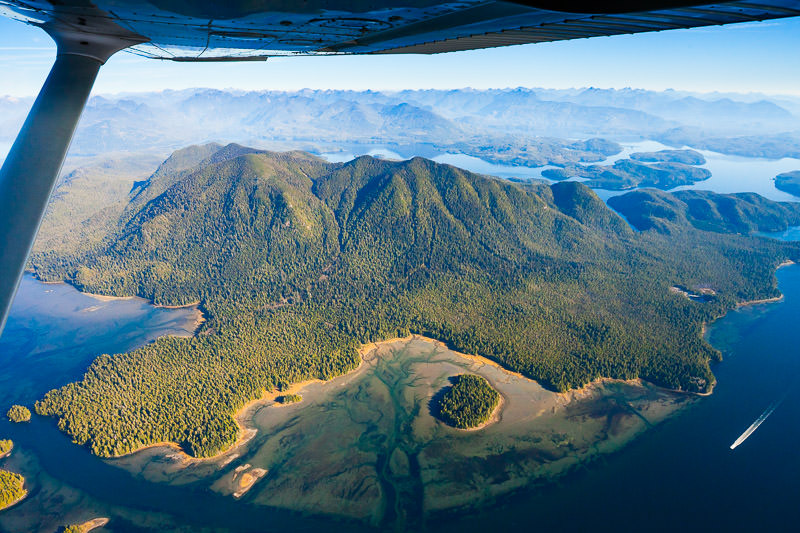
NEW! West Coast Old-Growth Hiking Guide
Explore AFA’s NEW West Coast old-growth hiking guide. From Clayoquot Sound to Port Alberni, there are trails for every skill level!
https://staging.ancientforestalliance.org/wp-content/uploads/2026/05/meares-island-big-tree-trail-tofino-1200px-338.jpg
533
800
TJ Watt
https://staging.ancientforestalliance.org/wp-content/uploads/2026/05/Ancient-Forest-Alliance-logo.svg
TJ Watt2026-05-29 12:06:002026-05-29 15:42:38NEW! West Coast Old-Growth Hiking Guide
Now Hiring: Contract Graphic Designer!
Ancient Forest Alliance is hiring a contract Graphic Designer to help bring our campaigns to life through print and digital materials.
https://staging.ancientforestalliance.org/wp-content/uploads/2026/05/flores-island-wildside-trail-1200px-430.jpg
800
1200
TJ Watt
https://staging.ancientforestalliance.org/wp-content/uploads/2026/05/Ancient-Forest-Alliance-logo.svg
TJ Watt2026-05-22 12:22:292026-05-22 12:22:29Now Hiring: Contract Graphic Designer!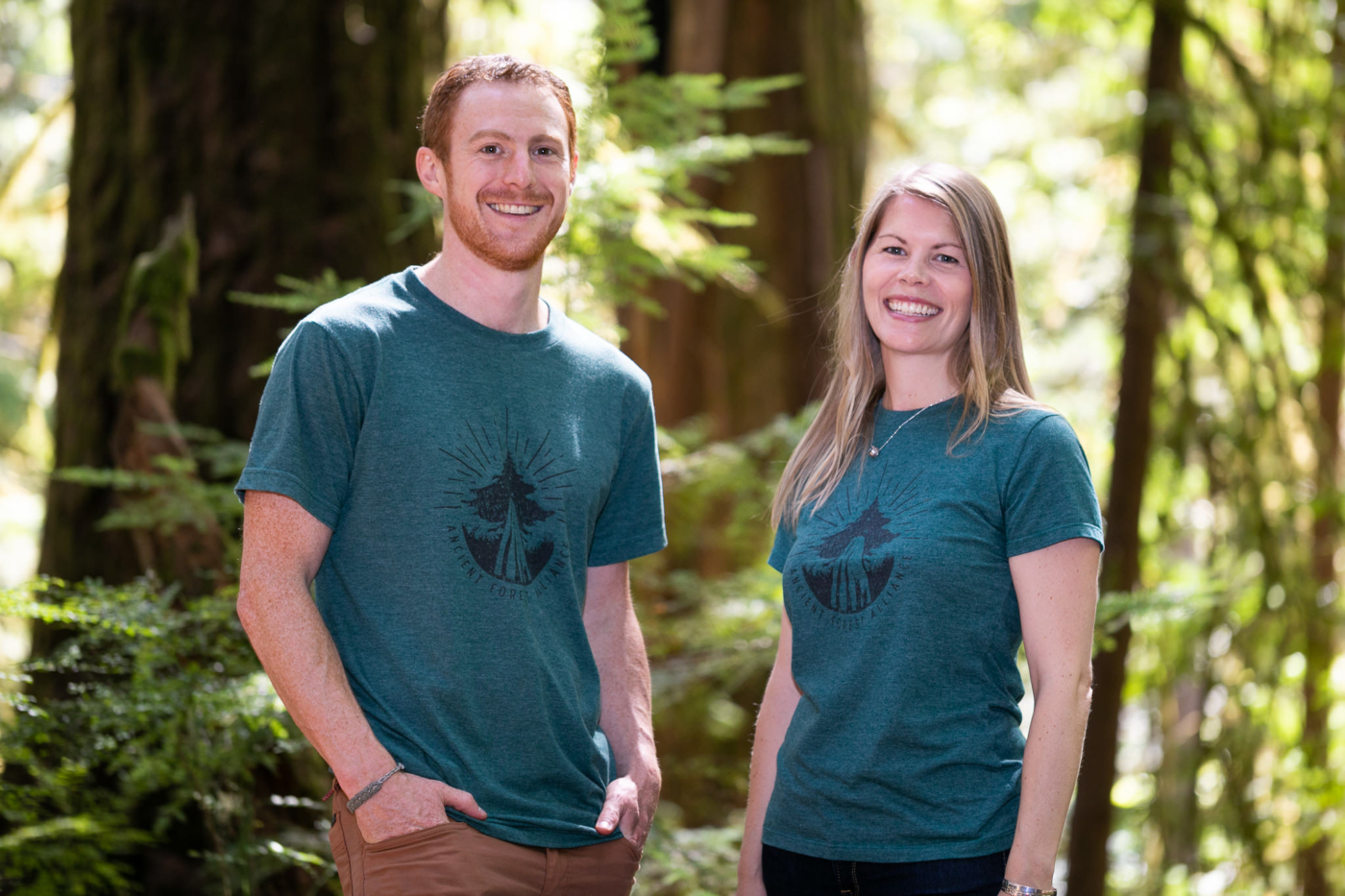
Design AFA’s Next T-Shirt and Help Protect Old-Growth Forests!
Calling all artists! For Earth Month, AFA is launching our first-ever Community T-Shirt Design Contest.
https://staging.ancientforestalliance.org/wp-content/uploads/2026/04/AFA-T-Shirt-Green-Mens-Womens.jpg
1365
2048
TJ Watt
https://staging.ancientforestalliance.org/wp-content/uploads/2026/05/Ancient-Forest-Alliance-logo.svg
TJ Watt2026-05-15 08:13:232026-05-19 09:33:44Design AFA’s Next T-Shirt and Help Protect Old-Growth Forests! Donate
 Send a Message
The naked tree-hugger makes her way to Port Renfrew
/in News Coverage*See her website at www.treegirl.org
The rain barely let up in Port Renfrew Friday morning, but that didn’t stop Julianne Skai Arbor from stripping off her clothes and closely embracing the mossy trunk of the massive San Juan spruce.
“It’s my first time on Vancouver Island and there was a downpour, but it’s still beautiful,” said Arbor, the ultimate tree hugger, as she warmed up after the photo shoot.
Arbor, a 43-year-old California college professor who teaches environmental conservation, travels around the world photographing herself naked with old or endangered trees. She is lending her support to the Ancient Forest Alliance’s efforts to push the B.C. government into coming up with a strategy to protect big trees and remaining patches of old-growth forest.
“The most fragile ecosystems that are still intact should be put aside,” said Arbor, who posts photos of her tree travels on her treegirl.org website and is writing a book about her love of big trees. “It’s amazing for me to see the forests on this Island and I wonder how the people who live here can watch the cutting of the forest. There is only so much you can do before it’s gone.”
The peaceful feeling of being surrounded by nature’s lifeforce in an old forest is very different from feelings generated by a clearcut or tree farm, she said.
Ancient Forest Alliance campaigner and founder TJ Watt, who photographed Arbor with the San Juan spruce, said the photos are a new way of highlighting the grandeur of B.C.’s old-growth forests so they can be protected. “When people see these images, they strike a chord.”
Jon Cash, owner of Soule Creek Lodge and vice-president of Port Renfrew Chamber of Commerce, is hoping the photos promote tourism.
“When you see these pictures, it’s hard to know where to focus. She’s a beautiful woman and it’s a beautiful tree,” he said.
Big trees and especially Avatar Grove — a patch of majestic old-growth discovered by the Ancient Forest Alliance and given provincial protection when it started drawing thousands of visitors — have become a major economic driver in the Port Renfrew area, Cash said. They’re one of three top draws to the area, along with Botanical Beach and fishing.
“At the Information Centre in Sooke, one of the top three questions is: ‘Where is Avatar Grove?’ ” he said. “The big trees have drawn hundreds of thousands of dollars of business.”
The San Juan spruce, which stands in a forest recreation site beside the San Juan River, is the largest spruce tree in Canada at 62 metres tall, with a crown that spreads over 23 metres. It does not have any official protection.
Meanwhile, Arbor, who is a certified arborist, is planning to come back to Port Renfrew in the summer to pose with other big trees.
“My goal is to capture a moment of intimacy in these wild places.”
Link to Times Colonist article: www.timescolonist.com/news/the-naked-tree-hugger-makes-her-way-to-port-renfrew-1.105165
Comment: Caribou plan little help to endangered herds
/in News CoverageThe outlook for most of B.C.’s 15 remaining mountain caribou herds is bleak.
In the south especially, it ranges from looming extinction to permanent life support in the form of periodic reintroductions, calving-assistance programs and, above all, predator culls without end.
It’s time the B.C. government faced the fact that its Mountain Caribou Recovery Implementation Plan, announced in 2007, is doing little to improve the situation for these animals and in some areas has made matters worse.
On paper the Mountain Caribou Plan looks good, promising to rebuild the population from 1,700 to 2,500 animals by 2027. This will be achieved, it claims, through a three-pronged approach comprising: first, 2.2 million hectares of mostly high-elevation forests set aside as winter habitat; second, intense predator control targeted at wolves and cougars; and third, management of mechanized backcountry winter recreation.
Actually, one of the recovery teams argued for inclusion of a fourth prong, what they called “matrix habitat.”
As originally defined, matrix habitat is low to mid-elevation forest not necessarily occupied by mountain caribou but capable, when logged, of supporting moose and deer and hence their predators in substantial numbers. Wolf and cougar populations bolstered by clearcuts in matrix habitat often spread out into neighbouring protected areas, and became predators on the resident caribou.
What the recovery team was urging was a commitment by government to refrain from creating ever more clearcuts in matrix habitat. Unfortunately, this did not happen.
Most of the set-asides are at high elevations where, granted, they provide critical winter habitat. The few places where set-asides extend to valley elevations are rarely more than small thumbs of old-growth forest protruding into landscapes already heavily logged. For the rest, the government’s plan has entrusted the mountain caribou’s future to a costly, ethically questionable regime of predator control.
The very idea that a workable recovery strategy could be founded on a war against predator populations largely of its own creation seems incredible. It is like hoping to raise chickens without building a chicken coop. You can blast away at predators as long as you like, but the problem never disappears. Sooner or later you lose your chickens.
Mountain caribou, of course, aren’t chickens. They’re a nationally and internationally threatened ungulate species, arguably the most iconic animal in the mountain region of Canada and, besides, an animal essentially endemic to B.C. They deserve better.
No doubt the architects of the caribou plan really believed that a combination of high-elevation set-asides and stringent predator control could return the mountain caribou to its former numbers. Unfortunately, they were wrong. In 2007 there were 1,900 mountain caribou in the world. Today, only about 1,500 remain.
What should be done? If you ask Steve Thompson, the minister responsible for caribou recovery, he will likely tell you the situation is dire and calls for “extreme measures.” Pressed further, he will go on to talk about his government’s commitment to transplant programs, birthing pens and still more predator carnage. What he almost certainly will not tell you is that actions of this kind amount to little more than life support, a rearranging of deck chairs as the great ship of Canada’s mountain icon goes down.
B.C.’s mountain caribou plan claims to be committed to adaptive management, which means learning from mistakes and doing better. The time has come for the government to bolster the plan by establishing new set-asides in lowland matrix habitat. This is what its own recovery team called for in the days before the planning process went political, and certainly it is the only action that can possibly begin to turn the situation around.
As to where these set-asides should be situated, that will take some thinking. One approach would be to place them in the two or three regions that according to best science are most likely to support mountain caribou in the long term. In order of viability these are the Hart Ranges, Wells Gray Park and, running a distant third, the Selkirk Mountains.
Trevor Goward is a lichenologist and naturalist who makes his home in the Clearwater Valley near Wells Gray Provincial Park.
Read More:https:// https://www.timescolonist.com/opinion/op-ed/comment-caribou-plan-little-help-to-endangered-herds-1.95843
UNBC Study Recommends Northern BC’s “Ancient Forest” be named a World Heritage Site
/in News CoverageNew research led by the University of Northern British Columbia is recommending that the area surrounding the “Ancient Forest Trail,” about 130 kilometers east of Prince George, be named a World Heritage Site by the United Nations Educational, Scientific and Cultural Organization (UNESCO). Citing the fact that these cedars have been reduced to less than four percent of the more than 130 thousand square hectare bioclimatic zone east of Prince George, the research indicates that these stands of ancient red cedars and surrounding biodiversity are “globally significant” and require the protection and status afforded other rich areas of scientific and cultural value deemed World Heritage Sites.
The comprehensive study, published in the BC Journal of Ecosystems and Management, went through extensive peer review, including by forest industry professionals. The article also points out the benefits such classification would bring, such as diversification of the regional economy by building upon a regional tourist attraction, which has already developed at the area.
“Having this published in a leading forestry journal sends a strong message of support, and should provide critical guidance to the provincial government,” says the article’s lead author, UNBC Ecosystem Science and Management Professor Darwyn Coxson. “There is much precedence to point to of ancient coastal rainforests being named World Heritage Sites, such as Haida Gwaii in BC, and Olympic National Park in Washington State, but in many scientific and cultural respects, the Ancient Forest is of even more value due to its extremely rare location so far north and so far inland.”
The Ancient Forest, accessible by trail from Highway 16, is a rainforest featuring massive western red cedars, some estimated to be over 1000 years old and home to an internationally significant diversity of lichen and fungi. The area, known for generations to First Nations and other local communities, was flagged for harvesting in 2006. UNBC students and researchers played a role in ensuring the public was notified of the cultural and scientific value of the area and the Forest was later declared off-limits to logging. Since then, multiple UNBC researchers and classes have visited the Ancient Forest Trail site to study the region’s biological systems, and their value for recreation, biodiversity, and economics.
“Many people in BC still do not realize the social and cultural value of this forest,” says Dr. Coxson, who co-wrote the study with UNBC Environmental Planning professor David Connell, and Trevor Goward of the University of British Columbia. “Becoming a Provincial Park and then a World Heritage Site will ensure the long-term protection of the ancient cedar stands, which to date, have been cared for by local community groups.”
To be named a UNESCO World Heritage Site, the site must first be named a provincial park. The Government of Canada must then recommend the site to UNESCO. The report recommends the BC Government extend the boundary of nearby Slim Creek Provincial Park to include the area surrounding the Ancient Forest Trail.
“UNESCO states that, for a site to be considered for World Heritage status, the area must ‘represent significant on-going ecological and biological processes in the evolution and development of terrestrial, fresh water, coastal and marine ecosystems and communities of plants and animals,’” says Dr. Coxson. “We suggest that the immense cultural and biological values represented by this area meet these criteria.”
Read More: https://unbc.ca/releases/7909/ancient-forest