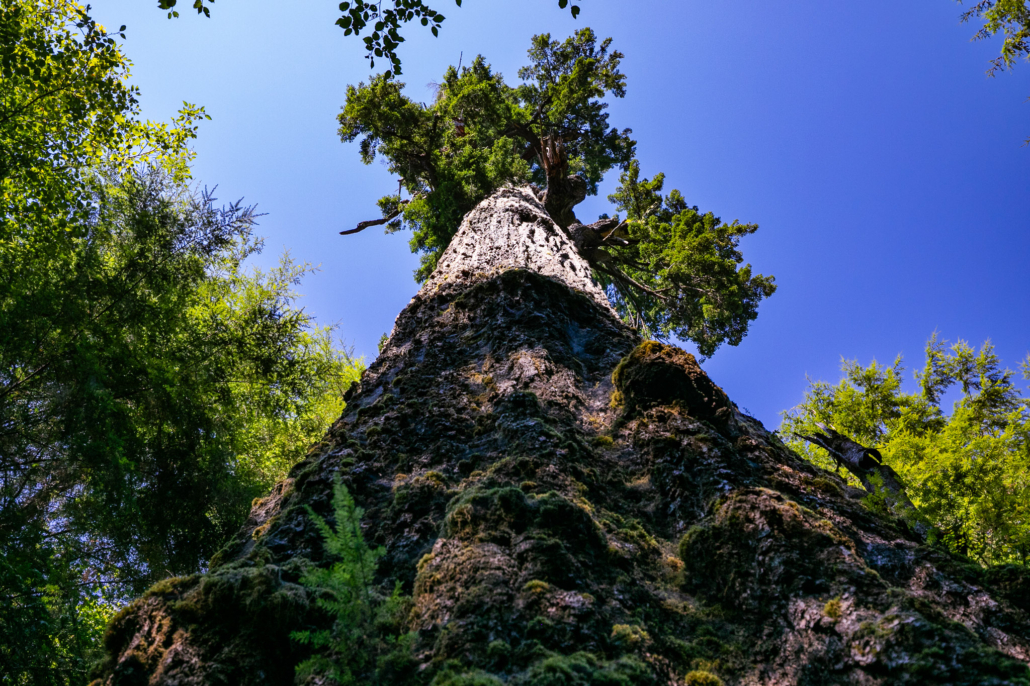
UPDATED: Port Renfrew Big Trees Map
Explore the updated Port Renfrew Big Trees Map with new directions, trails, and routes to iconic giants like Big Lonely Doug, Eden Grove, and more.
https://staging.ancientforestalliance.org/wp-content/uploads/2025/05/13-Red-Creek-Fir.jpg
1365
2048
TJ Watt
https://staging.ancientforestalliance.org/wp-content/uploads/2026/05/Ancient-Forest-Alliance-logo.svg
TJ Watt2026-05-29 15:39:342026-05-29 15:40:49UPDATED: Port Renfrew Big Trees Map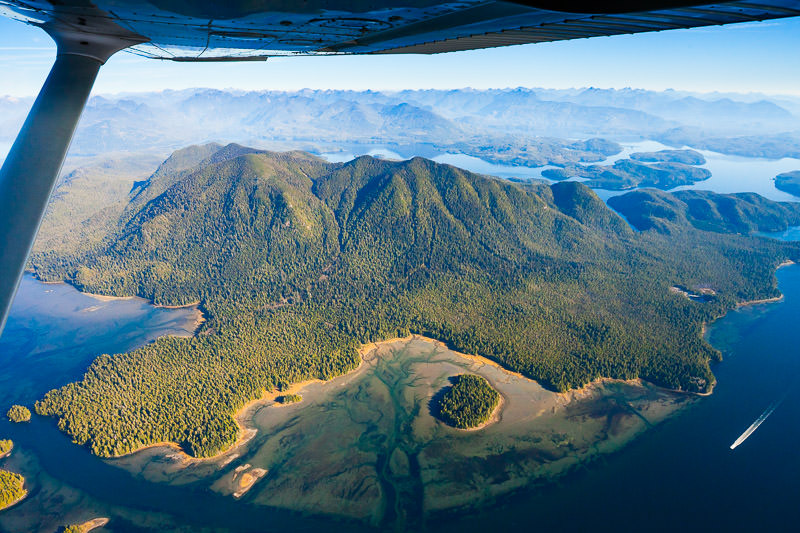
NEW! West Coast Old-Growth Hiking Guide
Explore AFA’s NEW West Coast old-growth hiking guide. From Clayoquot Sound to Port Alberni, there are trails for every skill level!
https://staging.ancientforestalliance.org/wp-content/uploads/2026/05/meares-island-big-tree-trail-tofino-1200px-338.jpg
533
800
TJ Watt
https://staging.ancientforestalliance.org/wp-content/uploads/2026/05/Ancient-Forest-Alliance-logo.svg
TJ Watt2026-05-29 12:06:002026-05-29 15:42:38NEW! West Coast Old-Growth Hiking Guide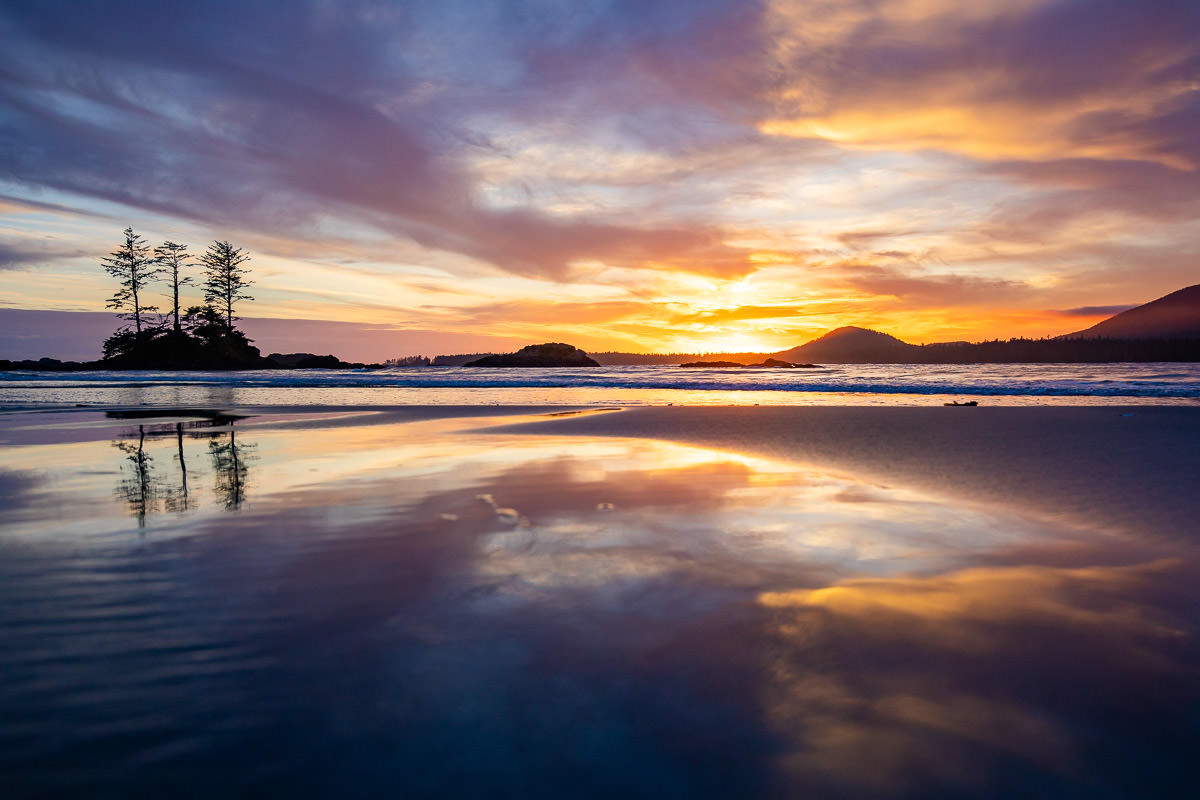
Now Hiring: Contract Graphic Designer!
Ancient Forest Alliance is hiring a contract Graphic Designer to help bring our campaigns to life through print and digital materials.
https://staging.ancientforestalliance.org/wp-content/uploads/2026/05/flores-island-wildside-trail-1200px-430.jpg
800
1200
TJ Watt
https://staging.ancientforestalliance.org/wp-content/uploads/2026/05/Ancient-Forest-Alliance-logo.svg
TJ Watt2026-05-22 12:22:292026-05-22 12:22:29Now Hiring: Contract Graphic Designer!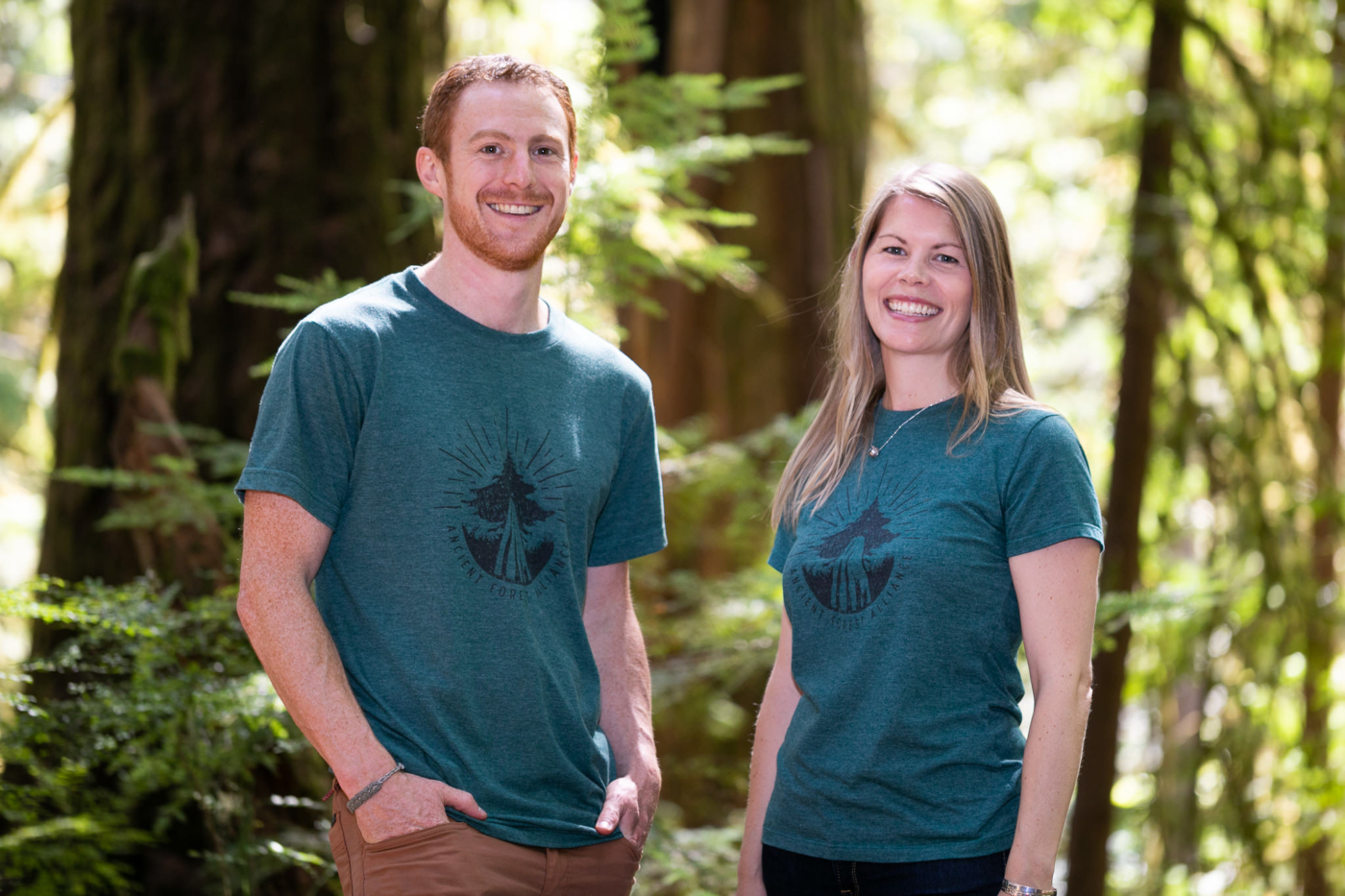
Design AFA’s Next T-Shirt and Help Protect Old-Growth Forests!
Calling all artists! For Earth Month, AFA is launching our first-ever Community T-Shirt Design Contest.
https://staging.ancientforestalliance.org/wp-content/uploads/2026/04/AFA-T-Shirt-Green-Mens-Womens.jpg
1365
2048
TJ Watt
https://staging.ancientforestalliance.org/wp-content/uploads/2026/05/Ancient-Forest-Alliance-logo.svg
TJ Watt2026-05-15 08:13:232026-05-19 09:33:44Design AFA’s Next T-Shirt and Help Protect Old-Growth Forests! Donate
 Send a Message
Comment: 1993’s Clayoquot Summer was a game-changer
/in News CoverageTwenty years ago today, about 30 residents of Tofino were driving up and down the highway by Long Beach, communicating via handheld radios, tracking a helicopter carrying B.C.’s premier of the day and select media.
A local guy listening in on emergency, aviation and boat communications was transmitting the play-by-play, while the helicopter sought a quiet landing spot where the premier could make a “contained” statement about the fate of Clayoquot Sound’s forests.
Nothing that followed, however, in what was to become the Clayoquot Summer of 1993, could be construed as “contained.”
The Clayoquot land-use decision of April 13, 1993, sparked a mass protest that put Clayoquot Sound’s ancient temperate rainforests on the international map. Over a period of six months, the region became an icon for an environmental awakening.
Clayoquot symbolized all that was wrong with industrial logging and was a touchstone for people’s hope for change. It shook the province, inspired people to action and hatched a marketplace-oriented strategy that has been utilized in environmental campaigns from the farthest corner of Vancouver Island to the Great Bear Rainforest to Indonesia, the Amazon and beyond.
The conflict, in fact, began in the previous decade with a group of volunteers from the Friends of Clayoquot Sound and First Nations leaders who rose to protect their traditional territories. Reaction to the 1993 Clayoquot decision transformed the local conflict into a movement with reverberations to this day.
Clayoquot Summer ’93 was triggered because the decision left two-thirds of the region, including many intact rainforest valleys, open to industrial logging. Public outrage about this decision funnelled into the largest act of non-violent civil disobedience in Canadian history, culminating in the arrest of 856 of the 12,000-plus protesters, who were tried in mass trials and jailed.
By October 1993, when the protests wrapped up, it had spilled into years known as the “War in the Woods.” Environmental groups targeted corporate customers of B.C. wood and paper products around the world, causing the province grief and the industry millions in lumber and paper sales.
In response to the non-violent but highly energized uprising, the political ground in B.C. shifted. Clayoquot marked a renaissance in First Nations land-rights discussions, and environmental groups became powerful intermediaries, both in the wood-supply chain and in the political discourse. Importantly, the public became defiant over what they saw to be legal but wrong — the destruction of the environment — and began to stir.
Out of the controversy, the First Nations in Clayoquot Sound, who hadn’t been consulted on the land-use plan, were chosen to be first in the province’s new treaty process, and a groundbreaking pre-treaty agreement was signed.
By August, then-premier Mike Harcourt established the Clayoquot Sound Scientific Panel for Sustainable Forest Practices. The outcry against wanton clearcut logging broke through barriers, sparking the province to initiate B.C.’s first forest-practices code. The logging industry circled its wagons in an attempt to defend its tarnished reputation in the marketplace, but change was apace.
The fight for Clayoquot was a polarizing issue. Wedges were driven between communities as we grappled with the biggest issues of our day with nowhere but the public forum to play them out. And yet, we all crept, agonizingly, toward breakthroughs that British Columbians can be proud of.
What happened in Clayoquot Sound, beginning in April 1993, has had a major influence on global environmental movements, the Great Bear Rainforest campaign and even the oilsands and pipeline campaigns of today — as well as on conservation of Clayoquot’s forests.
It has been 20 years. Just over half of Clayoquot’s rainforests are now off-limits to logging. But many of the region’s intact rainforest valleys are still unprotected, and the region’s First Nations communities still struggle economically.
As the anniversaries of the Clayoquot Sound land-use decision and subsequent uprising of the Summer of ’93 are marked, we see new opportunities for conservation and human well-being growing again in Clayoquot Sound. A lasting solution may soon be at hand that honours the movements for environmental and social justice begun those 20 years ago, in the magnificent, inspiring place that is Clayoquot Sound.
There are many more stories to tell about those times. There are more in the making there now.
Valerie Langer is with ForestEthics Solutions. Eduardo Sousa is with Greenpeace. Maryjka Mychajlowycz is a member of Friends of Clayoquot Sound. Torrance Coste is a campaigner for the Wilderness Committee.
Ancient Forest Alliance calls for science-based forest plan
/in News Coverage*Note: The Green Party has adopted the key recommendations of the Environmental Law Clinic’s proposed Old-Growth Protection Act. It appears that the NDP support the scientific assessment component of the proposal, however they have not yet committed to the calls for protection and fully ending old-growth logging in endangered regions.
______________
Up-to-date science and legislation without massive loopholes is needed to protect B.C.’s remaining old-growth forests, says the University of Victoria’s Environmental Law Clinic.
The proposed Old-Growth Protection Act was produced by the clinic at the request of the Ancient Forest Alliance. The group’s executive director, Ken Wu, hopes it will spur the government to action.
“It’s time for a new, science-based plan,” he said.
An industry transition to second-growth trees is inevitable as the last unprotected old-growth stands are logged, Wu said.
“We simply want the B.C. government to ensure the transition is completed sooner, while these ancient forests still stand.”
The proposal, which is similar to a plan released Friday by the Green Party of B.C., is based on immediately stopping old-growth logging in critically endangered forests and phasing out old-growth logging where there’s a high risk to biodiversity and the ecosystem.
Major elements of the plan include appointing a science panel to carry out inventories and forest risk assessments, establishing different harvest rates for old-growth and second-growth, and legally designating old-growth reserves so there are consistent, enforceable rules.
Calvin Sandborn, the clinic’s legal director, said the plan is practical, science-based and politically doable.
“We wanted something that would fix the flaws in the current system, and the flaws are numerous,” he said.
Protection now offered by old-growth management areas is limited, Sandborn said.
Boundaries are adjusted to move protected areas away from valuable old-growth stands, logging is conducted under the guise of protecting forest health, small, stunted old-growth trees are protected, rather than big stands, and areas protected under forest rules can still be harvested by the oil and gas industry, Sandborn said.
If science and current mapping were used to establish which areas should be protected, much of the political heat would disappear, especially as protecting ancient trees produces more jobs over the long term than cutting them down, he said.
“These trees are our equivalent of the ancient cathedrals of Europe,” he said.
Forests Minister Steve Thomson could not be reached Friday.
NDP environment critic Rob Fleming said the proposed legislation “speaks to the urgency of the issue.”
“The idea of a science panel to assess the inventory of old growth on the Island is a good one, and I think it’s supportable,” he said. “It echoes an earlier call from the Forest Practices Board.”
The Green party is also calling for more science-based assessments and a provincial inventory of remaining old-growth forests.
“Given the scarcity of remaining productive old growth in much of our province, it is clear that we need to head in a new science-based direction to manage our forests,” said Green leader Jane Sterk.
The party also wants to see incentives for companies to retool mills so they can handle second-growth trees, and emergency protection for endangered ecosystems, such as the eastern Vancouver Island coastal Douglas fir zone.
CTV – Environmental Law Centre Proposes BC Old-Growth Act
/in News CoverageCTV News – The Environmental Law Centre of the University of Victoria is proposing a science-based Old Growth Protection Act for British Columbia with timelines to immediately protect critically endangered old-growth forests and to quickly phase out old growth logging in highly endangered forests. Direct Link to video: https://youtu.be/wb09Z0-4rmE
See the full press release and report here: www.ancientforestalliance.org/news-item.php?ID=624