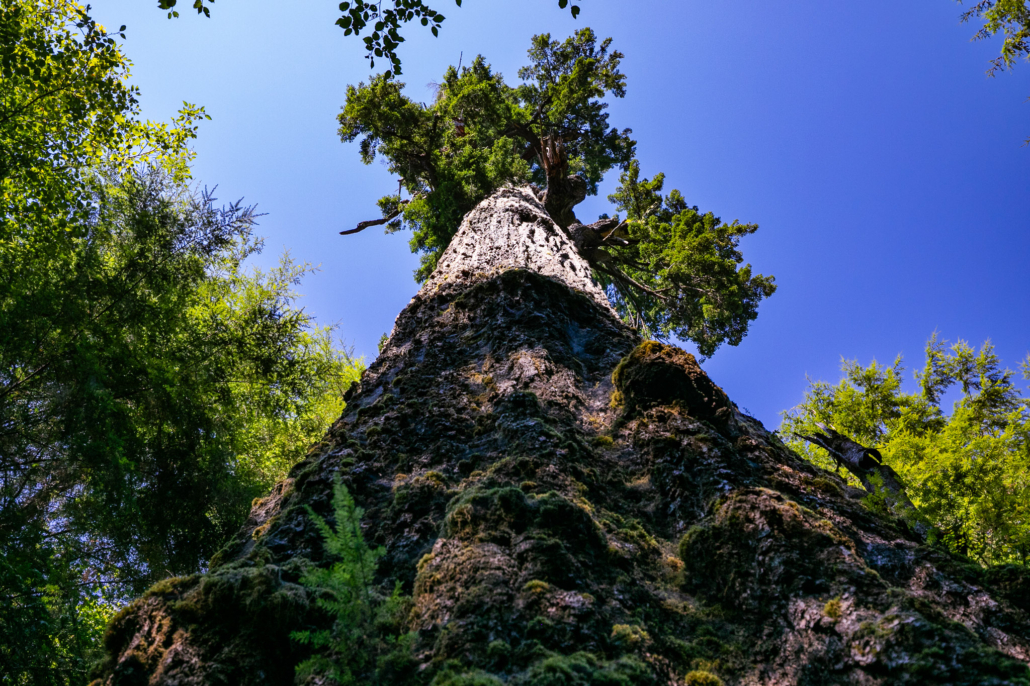
UPDATED: Port Renfrew Big Trees Map
Explore the updated Port Renfrew Big Trees Map with new directions, trails, and routes to iconic giants like Big Lonely Doug, Eden Grove, and more.
https://staging.ancientforestalliance.org/wp-content/uploads/2025/05/13-Red-Creek-Fir.jpg
1365
2048
TJ Watt
https://staging.ancientforestalliance.org/wp-content/uploads/2026/05/Ancient-Forest-Alliance-logo.svg
TJ Watt2026-05-29 15:39:342026-05-29 15:40:49UPDATED: Port Renfrew Big Trees Map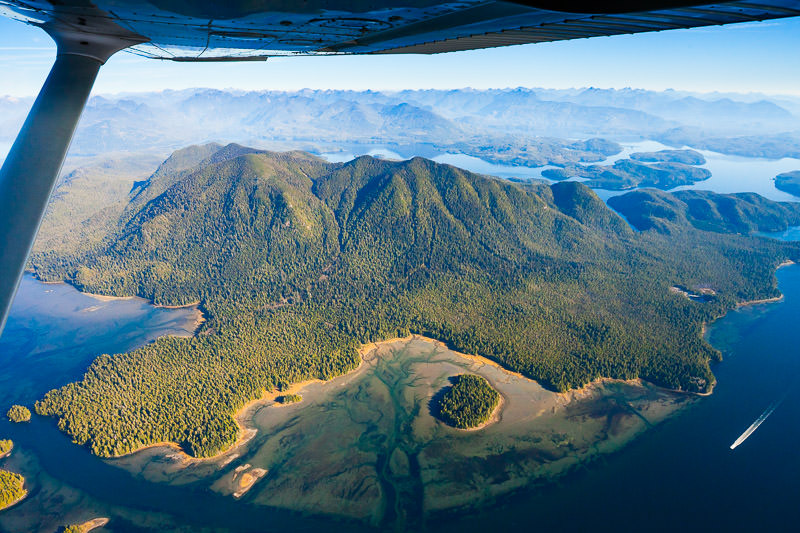
NEW! West Coast Old-Growth Hiking Guide
Explore AFA’s NEW West Coast old-growth hiking guide. From Clayoquot Sound to Port Alberni, there are trails for every skill level!
https://staging.ancientforestalliance.org/wp-content/uploads/2026/05/meares-island-big-tree-trail-tofino-1200px-338.jpg
533
800
TJ Watt
https://staging.ancientforestalliance.org/wp-content/uploads/2026/05/Ancient-Forest-Alliance-logo.svg
TJ Watt2026-05-29 12:06:002026-05-29 15:42:38NEW! West Coast Old-Growth Hiking Guide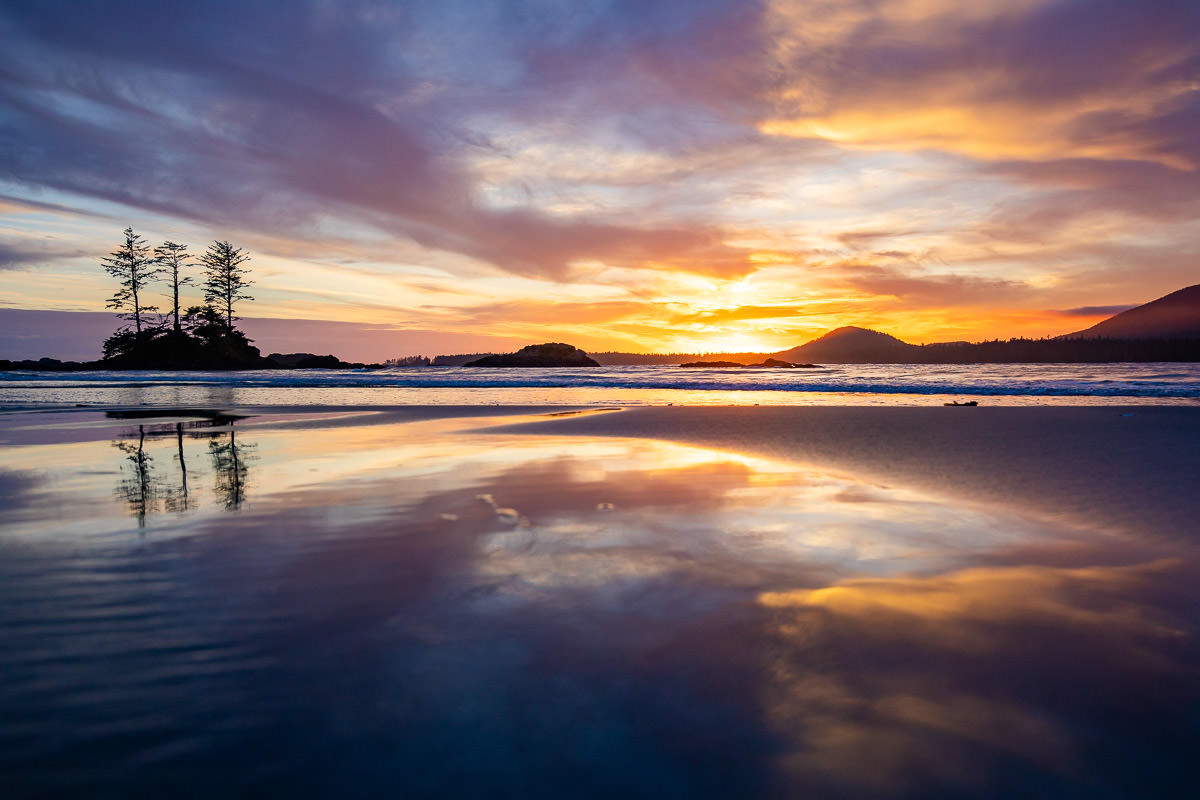
Now Hiring: Contract Graphic Designer!
Ancient Forest Alliance is hiring a contract Graphic Designer to help bring our campaigns to life through print and digital materials.
https://staging.ancientforestalliance.org/wp-content/uploads/2026/05/flores-island-wildside-trail-1200px-430.jpg
800
1200
TJ Watt
https://staging.ancientforestalliance.org/wp-content/uploads/2026/05/Ancient-Forest-Alliance-logo.svg
TJ Watt2026-05-22 12:22:292026-05-22 12:22:29Now Hiring: Contract Graphic Designer!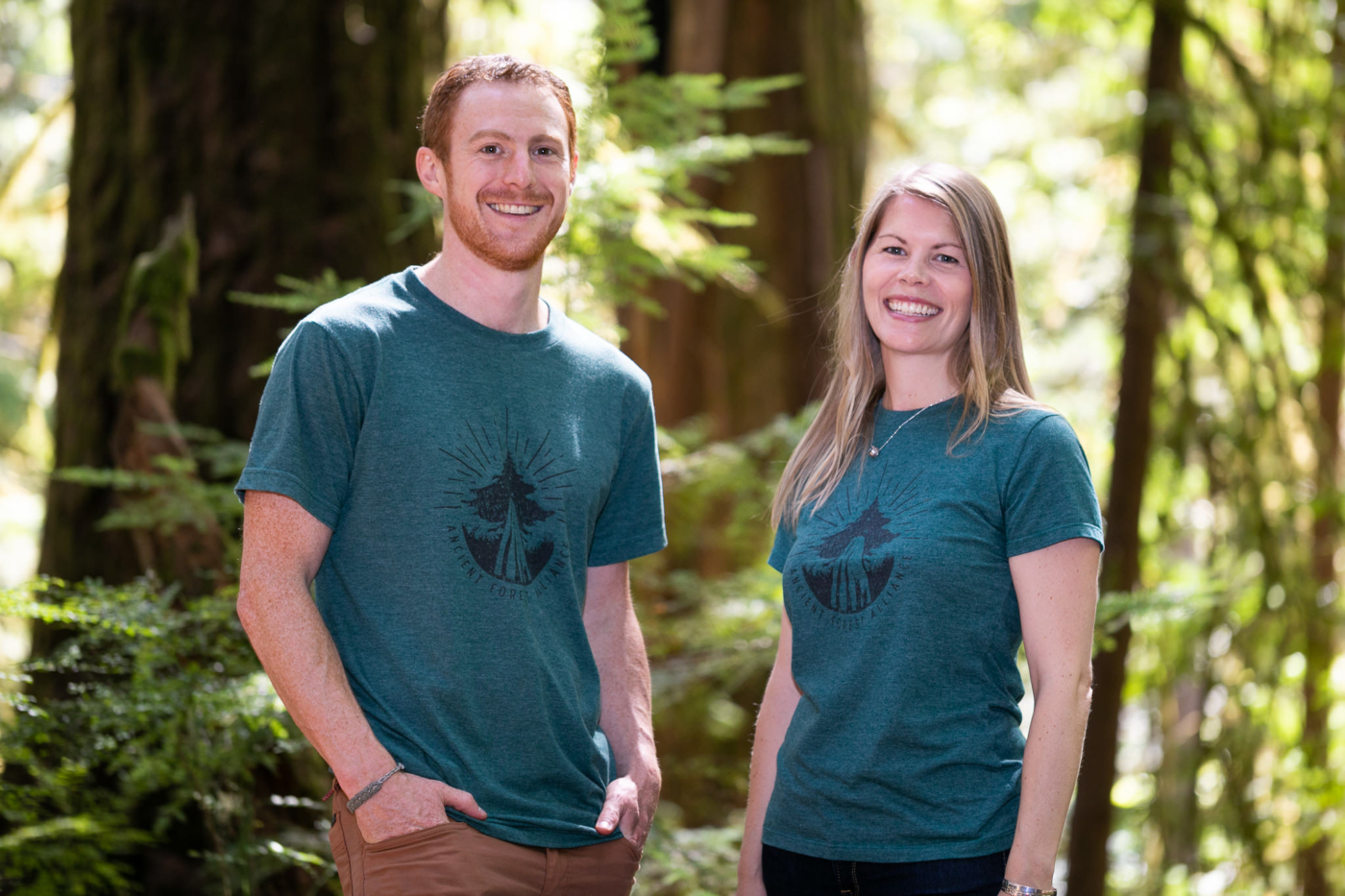
Design AFA’s Next T-Shirt and Help Protect Old-Growth Forests!
Calling all artists! For Earth Month, AFA is launching our first-ever Community T-Shirt Design Contest.
https://staging.ancientforestalliance.org/wp-content/uploads/2026/04/AFA-T-Shirt-Green-Mens-Womens.jpg
1365
2048
TJ Watt
https://staging.ancientforestalliance.org/wp-content/uploads/2026/05/Ancient-Forest-Alliance-logo.svg
TJ Watt2026-05-15 08:13:232026-05-19 09:33:44Design AFA’s Next T-Shirt and Help Protect Old-Growth Forests! Donate
 Send a Message
New Maps Highlight BC’s “Crisis in the Woods” due to Old-Growth Logging
/in Media ReleaseMay 10, 2013
New Maps Highlight BC's “Crisis in the Woods” due to Old-Growth Logging
New maps of BC’s southern coast highlight the ecological crisis in BC’s forests due to old-growth logging. The most conservative figures from the preliminary analysis of Vancouver Island and the southwest mainland reveal that at least 74% of the original, productive old-growth forests have been logged, including at least 91% of the biggest, best old-growth stands (ie. the“classic” high productivity valley-bottom old-growth forests with the largest monumental trees that are most heavily visited by tourists and featured in photos).
See the new maps and statistics at: www.ancientforestalliance.org/old-growth-maps.php
“These new maps clearly show the ecological crisis in BC’s forests due a century of overcutting BC’s biggest, best old-growth stands, particularly at the lower elevations. The high-grade depletion of our ecologically richest ancient forests – which continues on a large scale today – has resulted in the increasing collapse of ecosystems and rural communities,” stated Vicky Husband, the noted Victoria-based conservationist who helped pioneer the development of the first old-growth forest cover maps of Vancouver Island in the early 1990’s. “In the '90's we were still fighting for intact watersheds, whole valleys – those are all gone, except in Clayoquot Sound. Today, almost all of our ancient forests are tattered and fragmented, and we need the BC government to have the wisdom to implement a science-based old-growth protection plan immediately to save what remains. In addition, they must ensure a sustainable, value-added second-growth forest industry.”
The new maps are based on 2012 BC Ministry of Forests inventory data (site productivity, stand height and volume, elevation, terrain) for the Crown lands and 2011 satellite photos and logging data for the private lands. The figures are derived from a preliminary data analysis based on the most conservative calculations (ie. erring on the lower side of what percentages of productive old-growth forests have been logged), with a more comprehensive analysis to be released in the near future.
“As a result of the high-grade depletion of the biggest trees, the forest industry has been left with diminishing returns as the trees get smaller, lower in value, and more expensive to reach. Most remaining old-growth forests in the province are on low productivity sites at high elevations, on rocky mountainsides, and in bogs of little to no commercial timber value,” stated Ken Wu, Ancient Forest Alliance executive director. “The BC government for the past decade has been spinning a tale that all is well in the woods and that ‘old-growth forests are not disappearing’ by their promotion of totally misleading statistics. They fail to provide context on how much productive old-growth once stood across the entire land base, and always include vast tracts of stunted, non-commercial ‘bonsai’ forests in bogs and at high altitudes in their statistics. It’s like combining your Monopoly money with your real money and then claiming to be a millionaire, so why curtail spending?”
• See a photogallery of Low Productivity Old-Growth Forests (much of the remaining old-growth forests) at: www.ancientforestalliance.org/photos.php?gID=22
Other key findings of the preliminary analysis include:
• Of the 5.5 million hectares of old-growth forests originally on BC’s southern coast, 2.2 million hectares (40%) were “low productivity” old-growth forests (generally smaller, stunted trees growing in bogs, in the subalpine zone, or on steep rocky slopes – most of which have little to no commercial timber value), while 3.3 million hectares (60%) were medium to high productivity old-growth forests (large trees targeted by logging). NOTE: Medium to high productivity forests are referred to here as simply “productive”.
• Of 3.3 million hectares of productive old-growth forests on BC’s southern coast, only 860,000 hectares (26%) currently remain.
• Only 260,000 hectares (8% of the original) of productive old-growth forests are protected in parks and Old-Growth Management Areas (OGMA’s).
• Of 360,000 hectares of the high productivity, valley-bottom stands (ie. the biggest, best stands with the richest biodiversity – the “classic” iconic old-growth forests of coastal BC) that once existed, only 31,000 hectares (9%) remain.
• Only 11,700 hectares (3% of the original) of the high productivity, valley bottom old-growth forests are protected in parks and Old-Growth Management Areas.
MORE BACKGROUND INFO
Ancient forests are vital to sustain endangered species, tourism, the climate, clean water, wild salmon, and many First Nations cultures.
The evidence of collapsing ecosystems due to massive old-growth logging is revealed through the dramatic decline of old-growth dependent species across the province, like spotted owls, marbled murrelets, and mountain caribou.
BC’s spotted owl population was once estimated to consist of 1000 breeding adults, or likely several thousand individuals – today less than a dozen individuals are believed to exist in BC’s wilds. Marbled murrelets, a seabird that nests in old-growth trees, are considered to have undergone a “substantial to moderate decline” by BC’s Conservation Data Center. Mountain caribou populations, found in BC’s interior, have declined by 40% since the 1990’s, from 2500 individuals in 1995 to 1500 individuals today.
The BC government more than tripled the amount of unprocessed, raw logs leaving the province to foreign mills during their reign of power, according to recent figures provided by BC’s Ministry of Forests, Lands, and Natural Resource Operations (Min. of FLNRO) to the Ancient Forest Alliance (AFA).
From 2002 to 2012, over 47 million cubic meters of raw logs were exported from BC to foreign mills in China, the USA, Japan, Korea, and other nations. This contrasts to about 14.8 million cubic meters from 1991 to 2001 under the previous government. Over the past two years alone, in 2011 and 2012, record levels of raw logs were exported from BC, 13.2 million cubic meters in total.
At its core, the massive export of raw logs has been driven by a combination of the BC government’s deregulation of the forest industry and by the industry’s unsustainable depletion of the biggest best old-growth trees at the lower elevations.
The overcutting of the prime stands of old-growth redcedars, Douglas-firs and Sitka spruce in the lowlands that historically built the wealth of the forest industry – and for which coastal sawmills were originally built to process – has resulted in diminishing returns as the trees get smaller, lower in value, different in species, and harder to reach high up the mountainsides and in the valley headwaters. Today, more than 90 per cent of the most productive old-growth forests in the valley bottoms on B.C.’s southern coast are gone.
Coastal mills generally haven’t been retooled to handle the changing profile of the forest with smaller trees as the lowland ancient forests have been depleted. Today hemlock and Amabilis fir stands (“hem-bal” in industry jargon) constitute most of the remaining old-growth stands, and Douglas-fir, cedar, and hemlock constitute most of the maturing second-growth stands. At a critical juncture in 2003 the BC Liberal government removed the local milling requirements (through the Forestry Revitalization Act), thus allowing tenured logging companies to shut down their mills instead of being forced to retool them to handle the changing forest profile. This allowed the companies to then export the unprocessed logs to foreign countries.
In a report for the B.C. Ministry of Forests (Ready for Change, 2001), Dr. Peter Pearse described the history of high-grade overcutting in BC`s coastal forests: “The general pattern was to take the nearest, most accessible, and most valuable timber first, gradually expand up coastal valleys and mountainsides into more remote and lower quality timber, less valuable, and costlier to harvest. Today, loggers are approaching the end of the merchantable old-growth in many areas … Caught in the vise of rising costs and declining harvest value, the primary sector of the industry no longer earns an adequate return …”
B.C.’s coastal forest industry, once Canada’s mightiest, is now a remnant of its past. Over the past decade, more than 70 B.C. mills have closed and over 30,000 forestry jobs lost. As old-growth stands are depleted and harvesting shifts to the second-growth, B.C.’s forestry jobs are being exported as raw logs to foreign mills due to a failure to retool old-growth mills to handle the smaller second-growth logs and invest in related manufacturing facilities.
In his 2001 report, Pearse also stated: “Over the next decade, the second-growth component of timber harvest can be expected to increase sharply, to around 10 million cubic metres … To efficiently manufacture the second-growth component of the harvest, 11 to 14 large mills will be needed.” Today, more than a decade later, there is only one large and a handful of smaller second-growth mills on the coast.
While old-growth forests are being liquidated, second-growth stands are also currently being overcut at a rapid pace mainly for raw log exports, thus limiting future options in general for a sustainable forest industry.
See spectacular photos of our old-growth forests at: https://staging.ancientforestalliance.org/photos-media/ (NOTE: Media are free to reprint any photos, credit to “TJ Watt” if possible. Let us know if you need higher res shots too)
See a recent ancient forest campaign video at: www.youtube.com/watch?v=z6YTizBF-jE
Authorized by the Ancient Forest Alliance, registered sponsor under the Election Act.
Ancient Forest Alliance, Victoria Main PO, PO Box 8459, Victoria, BC, V8W 3S1 Canada
Union joins environmentalists in call for stricter controls on raw log exports
/in News CoverageThe volume of raw logs exported from B.C. more than tripled between 2002 and 2012, prompting forestry workers to join with the Ancient Forest Alliance to push for more stringent log-export restrictions.
During the last decade, 30,000 forest workers lost their jobs and more than 70 mills shut down, said Arnold Bercov, Pulp, Paper and Woodworkers of Canada forestry officer.
“The B.C. Liberals have decimated the province’s forestry workforce through massive raw-log exports, industry deregulation and unsustainable jobs,” he said. “We lost both our forests and our jobs. It’s nuts.”
However, Forests Minister Steve Thomson said it was necessary to increase raw-log exports to protect jobs during an economic downturn.
“The increased value available from the export of logs helped keep harvest rates up and that kept people employed and kept coastal communities going,” Thomson said.
“I think we would all agree that we would rather add value here and have those logs manufactured here, but we recognize that, in the economics of the coastal industry, we need exports to keep the level of harvest up. That services mills and keeps additional jobs going.”
Overall exports for the province are about 10 per cent of the total harvest, which makes it important in the economics of the coastal industry, Thomson said.
The union and the Ancient Forest Alliance, a conservation group, want policy changes to protect remaining stands of old growth and to push the industry into retooling coastal mills to process second growth.
Over the last decade, more than 47 million cubic metres of raw logs were exported from Crown and private lands.
The province issues permits for exports from Crown land when logs are declared surplus to the needs of local mills, but the federal government is responsible for export permits from private land.
The figures show that the equivalent of almost three million loaded logging trucks of raw logs were exported from B.C. between 2002 and 2012, said Ken Wu, executive director of the Ancient Forest Alliance.
In 2002, according to provincial government figures, 1.5 million cubic metres of logs were exported from Crown lands and 2.3 million cubic metres from private lands.
Last year, four million cubic metres were exported from Crown lands and 2.4 million from private lands.
The lowest years for exports from Crown lands were 2007, with 900,000 cubic metres, and 2008, with one million cubic metres going to China, Japan, South Korea and the U.S.
Wu also blames the province for much of the increase in exports from private lands, since, in 2004 and 2007, Island Timberlands and Western Forest Products were allowed to remove huge swaths of land from tree farm licences.
If that hadn’t happened, jurisdiction would have remained with the province.
Modern mills in the interior of the province are designed to handle smaller trees, but on the coast, most mills have not retooled to process second growth.
That can largely be explained by the government removing local milling requirements in 2003, Wu said. Prior to the change, companies were required to mill logs at specified local mills, but after 2003, many simply shipped them to Vancouver or overseas.
“That allowed tenured logging companies to shut down their mills instead of being forced to retool them to handle the changing forest profile,” he said.
Thomson said that if the Liberals are re-elected, they will work to make the industry as competitive as possible through low tax rates and regulatory costs.
“We have put in over $900 million in investment in the industry, despite the downturn. I would expect, as the market improves, to see investment in the mills,” he said.
Changes in January to the log-export system saw government fees reduced for companies cutting low and mid-grade logs in an effort to increase harvesting while curtailing exports.
The NDP has pledged to limit log exports and reinstate a jobs-protection commissioner.
Read More:https://www.timescolonist.com/union-joins-environmentalists-in-call-for-stricter-controls-on-raw-log-exports-1.174157
Thank you to LUSH Handmade Cosmetics for their Charity Pot support!
/in AnnouncementsThe Ancient Forest Alliance would like to thank LUSH Handmade Cosmetics for the contribution made through their “Charity Pot” grant program. This great support helps us push forward our major provincial campaign to protect endangered old-growth forests and ensure sustainable second-growth forestry in BC. The Charity Pot program works to fund a diversity of grassroots organizations including ones such as Sea Shepherd.
You can visit LUSH online at www.lush.ca and learn more about the Charity Pot at: https://bit.ly/18D7tIx