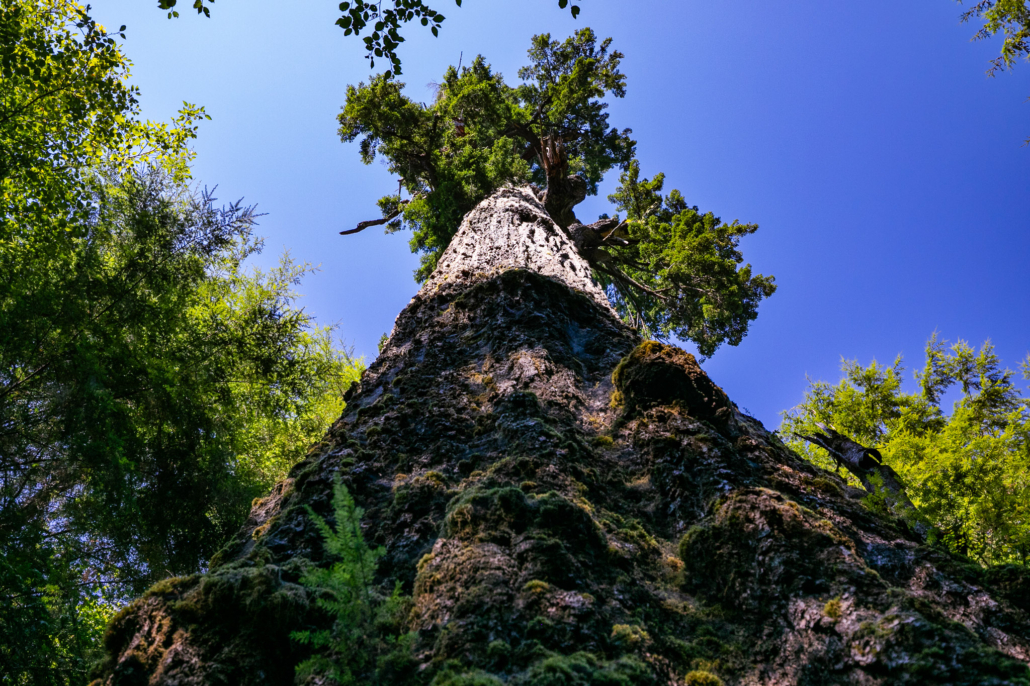
UPDATED: Port Renfrew Big Trees Map
Explore the updated Port Renfrew Big Trees Map with new directions, trails, and routes to iconic giants like Big Lonely Doug, Eden Grove, and more.
https://staging.ancientforestalliance.org/wp-content/uploads/2025/05/13-Red-Creek-Fir.jpg
1365
2048
TJ Watt
https://staging.ancientforestalliance.org/wp-content/uploads/2026/05/Ancient-Forest-Alliance-logo.svg
TJ Watt2026-05-29 15:39:342026-05-29 15:40:49UPDATED: Port Renfrew Big Trees Map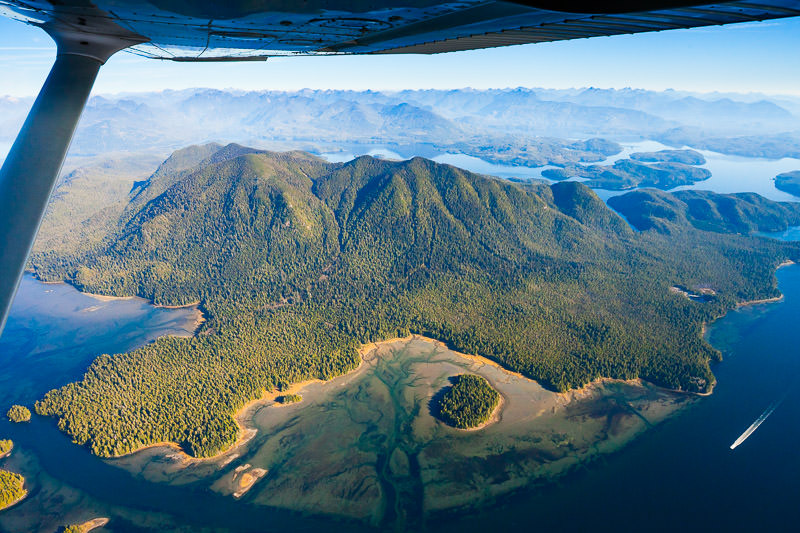
NEW! West Coast Old-Growth Hiking Guide
Explore AFA’s NEW West Coast old-growth hiking guide. From Clayoquot Sound to Port Alberni, there are trails for every skill level!
https://staging.ancientforestalliance.org/wp-content/uploads/2026/05/meares-island-big-tree-trail-tofino-1200px-338.jpg
533
800
TJ Watt
https://staging.ancientforestalliance.org/wp-content/uploads/2026/05/Ancient-Forest-Alliance-logo.svg
TJ Watt2026-05-29 12:06:002026-05-29 15:42:38NEW! West Coast Old-Growth Hiking Guide
Now Hiring: Contract Graphic Designer!
Ancient Forest Alliance is hiring a contract Graphic Designer to help bring our campaigns to life through print and digital materials.
https://staging.ancientforestalliance.org/wp-content/uploads/2026/05/flores-island-wildside-trail-1200px-430.jpg
800
1200
TJ Watt
https://staging.ancientforestalliance.org/wp-content/uploads/2026/05/Ancient-Forest-Alliance-logo.svg
TJ Watt2026-05-22 12:22:292026-05-22 12:22:29Now Hiring: Contract Graphic Designer!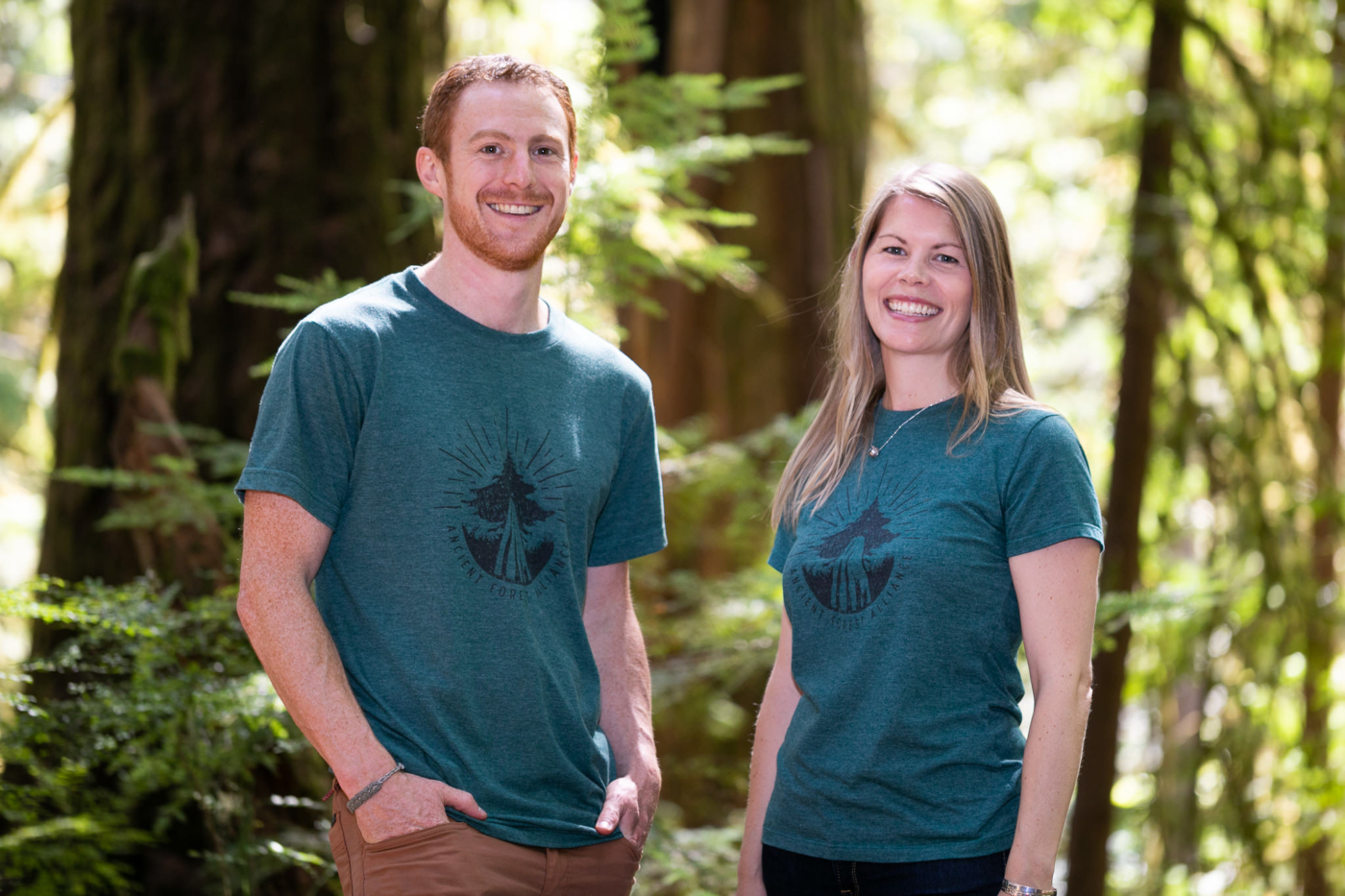
Design AFA’s Next T-Shirt and Help Protect Old-Growth Forests!
Calling all artists! For Earth Month, AFA is launching our first-ever Community T-Shirt Design Contest.
https://staging.ancientforestalliance.org/wp-content/uploads/2026/04/AFA-T-Shirt-Green-Mens-Womens.jpg
1365
2048
TJ Watt
https://staging.ancientforestalliance.org/wp-content/uploads/2026/05/Ancient-Forest-Alliance-logo.svg
TJ Watt2026-05-15 08:13:232026-05-19 09:33:44Design AFA’s Next T-Shirt and Help Protect Old-Growth Forests! Donate
 Send a Message
Avatar Grove now more accessible
/in News CoverageFive volunteers with the Ancient Forest Alliance at the first viewing platform they built by Canada’s Gnarliest Tree in the Upper Grove of Avatar Grover in Port Renfrew. There is still more work to be done there but they’re off to a good start.
[Sooke News article no longer available]
Comment: A new path for B.C.’s last great ancient stands
/in News CoverageNew maps of the remaining old-growth forests on Vancouver Island and the southwest mainland highlight the large-scale ecological crisis underway in B.C.’s woods.
In the 1990s, conservationists fought for whole valleys. Those are now gone, except in Clayoquot Sound. Today, almost all of our ancient forests are tattered and fragmented.
At least 74 per cent of the original, productive old-growth forests on our southern coast have been logged, underscoring the need for a science-based provincial plan to protect our remaining old-growth forests and for a sustainable, value-added, second-growth forest industry.
Most significantly, at least 91 per cent of the biggest, best “high productivity” old-growth forests in the valley bottoms have been logged. These are the classic monumental stands rich in biodiversity that most people visit and picture in their minds, places like Cathedral Grove, the Carmanah, Walbran, Goldstream and Avatar Grove.
A century of unsustainable high-grade logging has depleted these lowland ancient forests, resulting in diminishing returns as the trees get smaller, lesser in value and more expensive to reach.
The ecological footprint from logging millions of hectares of B.C.’s grandest ancient forests — an area bigger than many European nations — is at least on par with any pipeline or fossil-fuel megaproject.
Scientific studies show that our coastal old-growth forests store two times or more carbon per hectare than the ensuing second-growth tree plantations. Only a tiny fraction of the carbon gets stored in long-lasting wood products. The vast majority ends up decomposing as wood waste in clearcuts, landfills and sewage. It would take 200 years or more for the second-growth to re-sequester all of the released carbon, which won’t happen with our 70-year rotations.
A recent B.C. Sierra Club report showed that just one year’s worth of old-growth logging in southwest B.C. in 2011 released more carbon than the province’s entire “official” greenhouse-gas reductions over three years, from 2007 to 2010.
The dramatic decline of old-growth species reveals our collapsing ecosystems. An estimated 1,000 breeding adult spotted owls once inhabited B.C.’s wilds. Today, fewer than a dozen individuals survive. Marbled murrelets have declined substantially over much of the coast, while in B.C.’s interior, mountain caribou have declined by 40 per cent since 1995.
Across B.C., thousands of salmon- and trout-bearing streams have been decimated by siltation and logging debris.
B.C.’s diverse First Nations cultures are being impoverished, not only by the destruction of salmon streams, but by the disappearance of monumental cedars that many once carved into canoes and totem poles.
The massive export of raw logs has been driven by a combination of the government’s deregulation agenda and by the unsustainable depletion of the prime old-growth red cedar, Douglas fir and Sitka spruce stands in the lowlands that coastal sawmills were originally built to process.
At a critical juncture in 2003, the B.C. government removed the local milling requirement for companies with logging rights so that they didn’t have to retool their mills to process the changing forest profile — the smaller old-growth hemlocks and Amabilis firs higher up, and the maturing second-growth trees in the previously cut lowlands.
Without any government regulations or incentives to retool or add value to second-growth logs, this resulted in three million logging-truck loads of raw logs going to foreign mills in China, the U.S. and elsewhere over the last decade. More than 70 B.C. mills closed and 30,000 forestry jobs were lost. B.C.’s coastal forest industry, once Canada’s mightiest, is now a remnant of its past.
Most of our remaining old-growth forests are “low-productivity” marginal stands of smaller trees with little to no timber value, growing at high elevations, on steep, rocky mountainsides and in bogs. The B.C. government has been spinning a tale that “old-growth forests are not disappearing” with their statistics that fail to mention how much productive old-growth forests once stood, and that include vast tracts of stunted, low-productivity forests to overinflate how much remains. It’s like combining your Monopoly money with your real money and then claiming to be a millionaire, so why curtail spending?
The history of unsustainable resource extraction around the world is filled with examples where the biggest and best stocks have been depleted, one after another, causing the collapse of ecosystems and the loss of thousands of jobs along the way. B.C.’s politicians must not allow this familiar pattern to continue in B.C.’s forests under their watch — or through their active support.
A major change in the status quo of unsustainable forestry is vital. Politicians who fail to understand this fundamental concept don’t deserve power. Those who do will finally bring an end to B.C.’s War in the Woods.
Ken Wu is the executive director of the Ancient Forest Alliance.
Maps show impact of overcutting old-growth forests, conservation groups say
/in News CoverageNew maps of B.C.’s forests put together by conservation groups using provincial government data show 74 per cent of productive old-growth forests has been logged and much of the remaining old growth is made up of small, stunted trees.
On the valley bottoms, where the largest old-growth trees grow, 91 per cent has been logged, leaving only nine per cent of the classic old forest with iconic trees, the maps show.
Victoria conservationist Vicky Husband said it’s an ecological crisis due to a century of overcutting the biggest and best trees.
“[It] has resulted in the increasing collapse of ecosystems and rural communities,” Husband said.
Even 20 years ago, there were intact watersheds and whole valleys to save, but now they are all gone, except in Clayoquot Sound, Husband said.
With ancient forests mostly tattered and fragmented, she said, B.C. needs a government that would “have the wisdom” to implement a science-based old-growth protection plan immediately to save what remains. They also need to ensure a sustainable value-added second-growth forest industry, she added.
The maps are based on last year’s inventory data from the Forests Ministry.
The analysis is based on conservative calculations, said Ken Wu of the Ancient Forest Alliance. “The actual amount of logging is probably much higher,” he said.
The depletion of larger trees has left the industry in a financial crunch as the trees get smaller, since they’re worth less but more expensive to reach, Wu said.
The government counters that large swaths of old-growth are protected in park and old-growth management areas.
On Vancouver Island, 46 per cent of the forest on Crown land is old-growth, says a ministry statement: “Of the 862,125 hectares of old-growth forest, it is estimated that over 520,000 hectares will never be harvested.”
But Wu said those figures do not present the real picture. “The B.C. government, for the past decade, has been spinning a tale that all is well in the woods and that old-growth forests are not disappearing, by their promotion of totally misleading statistics,” Wu said.
Much of the old-growth included in the government’s estimates are “bonsai” forests in bogs or at high altitudes, where the stunted trees have little commercial value, he said.
“It’s like combining your Monopoly money with your real money and then claiming to be a millionaire, so why curtail spending?”
Read More: https://www.timescolonist.com/maps-show-impact-of-overcutting-old-growth-forests-conservation-groups-say-1.177503