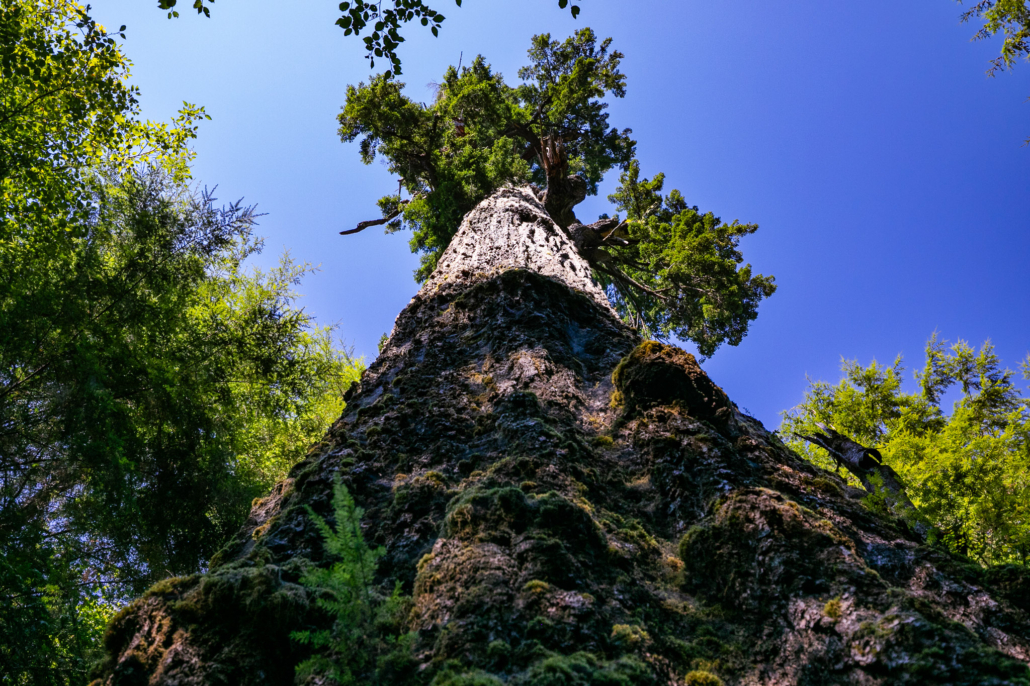
UPDATED: Port Renfrew Big Trees Map
Explore the updated Port Renfrew Big Trees Map with new directions, trails, and routes to iconic giants like Big Lonely Doug, Eden Grove, and more.
https://staging.ancientforestalliance.org/wp-content/uploads/2025/05/13-Red-Creek-Fir.jpg
1365
2048
TJ Watt
https://staging.ancientforestalliance.org/wp-content/uploads/2026/05/Ancient-Forest-Alliance-logo.svg
TJ Watt2026-05-29 15:39:342026-05-29 15:40:49UPDATED: Port Renfrew Big Trees Map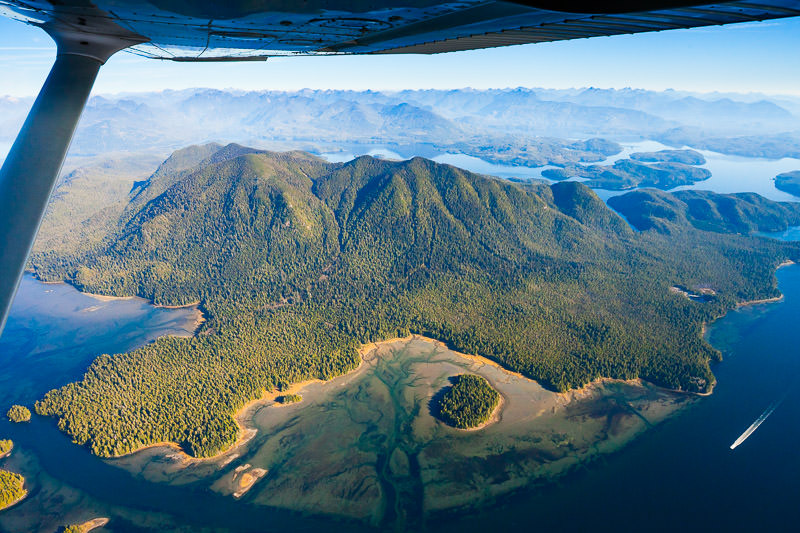
NEW! West Coast Old-Growth Hiking Guide
Explore AFA’s NEW West Coast old-growth hiking guide. From Clayoquot Sound to Port Alberni, there are trails for every skill level!
https://staging.ancientforestalliance.org/wp-content/uploads/2026/05/meares-island-big-tree-trail-tofino-1200px-338.jpg
533
800
TJ Watt
https://staging.ancientforestalliance.org/wp-content/uploads/2026/05/Ancient-Forest-Alliance-logo.svg
TJ Watt2026-05-29 12:06:002026-05-29 15:42:38NEW! West Coast Old-Growth Hiking Guide
Now Hiring: Contract Graphic Designer!
Ancient Forest Alliance is hiring a contract Graphic Designer to help bring our campaigns to life through print and digital materials.
https://staging.ancientforestalliance.org/wp-content/uploads/2026/05/flores-island-wildside-trail-1200px-430.jpg
800
1200
TJ Watt
https://staging.ancientforestalliance.org/wp-content/uploads/2026/05/Ancient-Forest-Alliance-logo.svg
TJ Watt2026-05-22 12:22:292026-05-22 12:22:29Now Hiring: Contract Graphic Designer!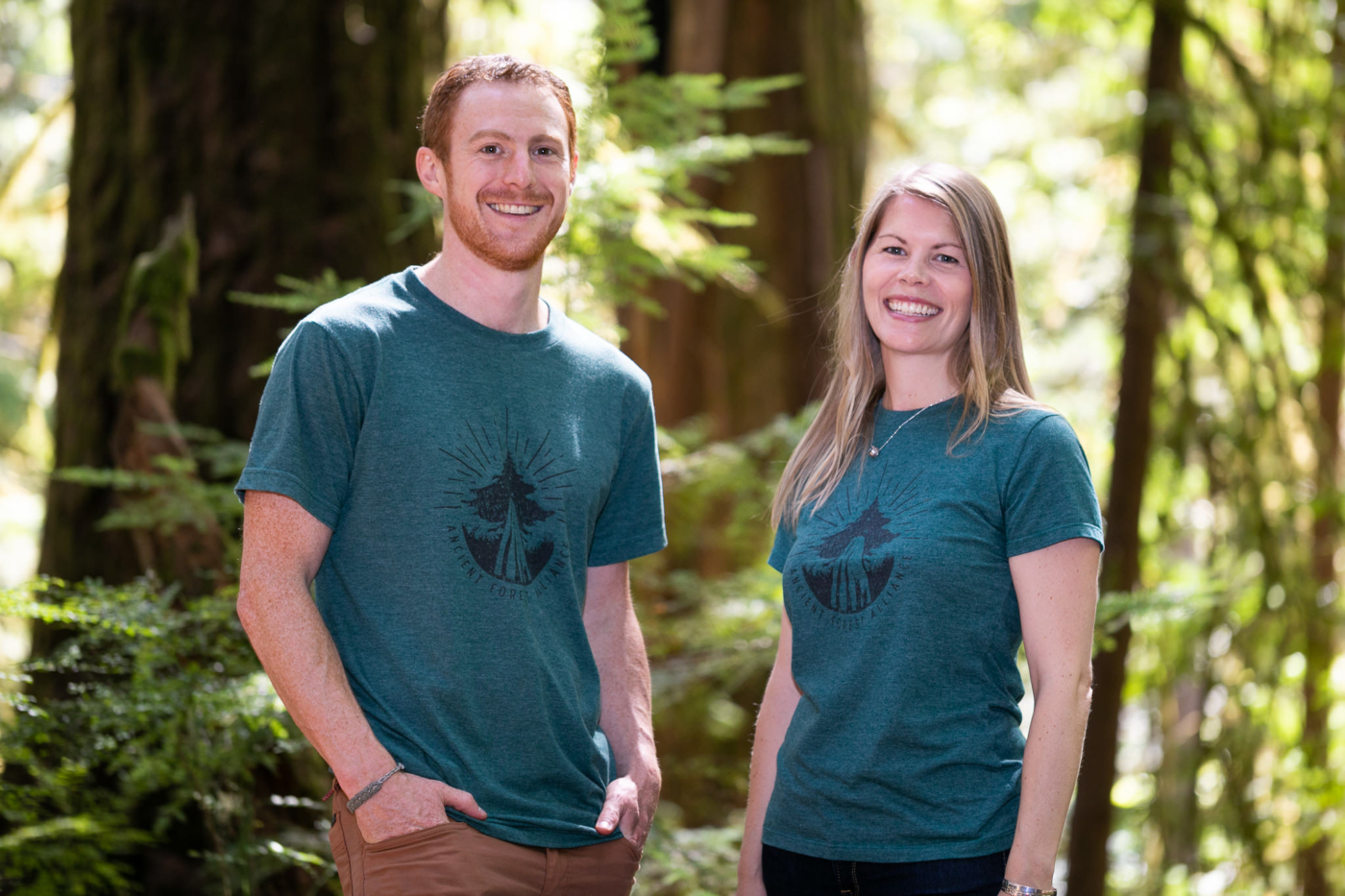
Design AFA’s Next T-Shirt and Help Protect Old-Growth Forests!
Calling all artists! For Earth Month, AFA is launching our first-ever Community T-Shirt Design Contest.
https://staging.ancientforestalliance.org/wp-content/uploads/2026/04/AFA-T-Shirt-Green-Mens-Womens.jpg
1365
2048
TJ Watt
https://staging.ancientforestalliance.org/wp-content/uploads/2026/05/Ancient-Forest-Alliance-logo.svg
TJ Watt2026-05-15 08:13:232026-05-19 09:33:44Design AFA’s Next T-Shirt and Help Protect Old-Growth Forests! Donate
 Send a Message
Activists decry planned logging of old-growth forest on Vancouver Island
/in News CoverageA Vancouver Island company is preparing to log a chunk of old-growth forest near Port Alberni that was once protected as winter range for deer, according to conservation groups.
Island Timberlands, based in Nanaimo, recently began building a road into the area and is moving “full-throttle” to log the site, says the Victoria-based Ancient Forest Alliance.
The contested area, covering about 20 hectares, is about a one-hour drive from Port Alberni in an area some conservationists refer to as Juniper Ridge.
“It’s not a big deal except when you’re talking about the last of that type of area,” Jane Morden, a spokeswoman for Watershed Forest Alliance, said Monday. The two groups are working together on conservation issues.
The area contains Douglas Fir, lichen-covered outcrops and juniper shrubs growing on thin soils that would take centuries to recover after logging. It is part of a group of sites that had previously been protected as a winter feeding range for species including deer and elk, Ms. Morden said.
Representatives from Island Timberlands did not immediately respond to requests for comment. Headquartered in Nanaimo, the privately held company controls about 254,000 hectares of forest lands, making it one of the major players in the industry on Vancouver Island.
The area now in question is part of a bigger patchwork of lands – about 2,400 hectares – that were protected as wildlife range until the province removed a total of 74,000 hectares from Tree Farm Licence 44 in 2004, Ms. Morden said.
A TFL is one way the B.C. government grants forestry operators rights to harvest timber on Crown land. Removing land from a TFL makes it subject to less onerous regulations and can free it up for sale or development.
A follow-up deal between the government and the former licence holder was supposed to extend protection for the 2,400 hectares that had been previously set aside but that agreement did not come about, Ms. Morden said. Since 2004, about 1,500 of the 2,400 protected hectares have been logged.
Conservation groups now want the government to buy or protect the 2,400 hectares, which are among lands now operated by Island Timberlands.
“The government removed the environmental protections on these lands – now they need to protect them,” Ms. Morden said.
In an e-mail, a spokeswoman for the Ministry of Forests said the province has “no plans to buy these private lands.”
Wildlife management plans are part of certification standards implemented by Island Timberlands, the spokeswoman said, adding that there are about 10,000 hectares designated as winter feeding ranges on public forest land on southern Vancouver Island.
Watershed Forest Alliance and other conservation groups have proposed a $40-million-a-year, 10-year Parks Acquisition Fund, saying such a fund is needed to buy old-growth forests and other lands that are at risk of logging or development.
Read more: https://www.theglobeandmail.com/news/british-columbia/activists-decry-planned-logging-of-old-growth-forest-on-vancouver-island/article13083813/
Island Timberlands to log contentious old-growth forests on Vancouver Island
/in News CoverageIsland Timberlands is moving to log some of their most contentious old-growth forest lands near Port Alberni, including “Juniper Ridge”, a formerly protected Ungulate Winter Range, and Labour Day Lake, the headwaters of Cathedral Grove’s Cameron River.
Juniper Ridge is an increasingly rare tract of old-growth forest filled with endangered old-growth Douglas-fir trees, sensitive ecosystems of brittle reindeer lichens growing on open rocky outcrops, and an abundance of juniper shrubs. The roughly 20-hectare area is a one hour drive from the town of Port Alberni and is located between Ash and Turnbull Lakes.
“The old-growth forest and lichen-covered rocky outcrops on Juniper Ridge are endangered and sensitive ecosystems largely growing on extremely thin soils. It would take many centuries for the old-growth forest to fully recover here after logging. Unfortunately, with the trend of harvesting smaller sized trees with shorter logging rotations, these old growth Douglas- fir ecosystems will never have the chance to return,” Watershed-Forest Alliance coordinator Jane Morden said in a news release.
“This forest is heavily used by wintering deer, and was intended to be preserved for this purpose. This area is also a popular recreation destination for locals and tourists going hiking, fishing and boating.”
The Watershed-Forest Alliance, with support from Alberni-Pacific Rim MLA Scott Fraser, has reportedly met with and have asked Island Timberlands to stay out of all previously designated Ungulate Winter Range and Wildlife Habitat Areas.
The land was largely deregulated in 2004 due to its removal from Tree Farm Licence (TFL) 44. A subsequent agreement between the former licencee and the BC government was supposed to have resulted in the continued protection of these lands, but has not been pursued. Instead the company has chosen to simply log these high conservation value forests. Of the original 2400 hectares of designated lands, only about 900 hectares remain unlogged which amounts to just over 1 per cent of the total 74,000 hectares removed from TFL 44.
Recent logging that began in early June also threatens the old-growth subalpine forests at Labour Day Lake, but a popular recreation destination not far from Port Alberni.
The Ancient Forest Alliance has called on the provincial government to establish a BC Park Acquisition Fund of at least $40 million per year, raising $400 million over 10 years, to purchase old-growth forests and other endangered ecosystems on private lands across the province, such as Juniper Ridge and Labour Day Lake.
The fund would be similar to the park acquisition funds of various regional districts in BC which are augmented by the fundraising efforts of private citizens and land trusts.
Island Timberlands also plans or has been logging numerous other contentious forests, including:
Read more: https://www.vancouverobserver.com/news/island-timberlands-log-contentious-old-growth-forests-vancouver-island
Island Timberlands Moves to Log Contentious Old-Growth Forests and Deer Winter Range Intended for Protection on Vancouver Island
/in Media ReleaseIsland Timberlands is moving full throttle to log some of their most contentious old-growth forest lands near Port Alberni, including “Juniper Ridge”, an ungulate winter range formerly intended for protection, and Labour Day Lake, the headwaters of Cathedral Grove’s Cameron River.
See beautiful photos of the highly scenic Juniper Ridge here: https://staging.ancientforestalliance.org/photos-media/juniper-ridge/
Earlier this week, Island Timberlands began road construction into an ungulate winter range formerly intended for protection for black-tailed deer in an old-growth forest near Port Alberni on Vancouver Island, an area referred to by conservationists as “Juniper Ridge”. Juniper Ridge is an increasingly rare tract of old-growth forest filled with highly endangered old-growth Douglas-fir trees, sensitive ecosystems of brittle reindeer lichens growing on open rocky outcrops, and an abundance of juniper shrubs. The area, roughly 20 hectares in size, is a one hour drive from the town of Port Alberni and is located between Ash and Turnbull Lakes. This is a popular recreational area where many Alberni locals and tourists fish, camp, canoe, and hike.
“The old-growth forest and lichen-covered rocky outcrops on Juniper Ridge are endangered and sensitive ecosystems largely growing on extremely thin soils. It would take many centuries for the old-growth forest to fully recover here after logging. Unfortunately, with the trend of harvesting smaller sized trees with shorter logging rotations, these old growth Douglas- fir ecosystems will never have the chance to return,” stated Jane Morden, coordinator of the Watershed-Forest Alliance based in Port Alberni. “This forest is heavily used by wintering deer, and was intended to be preserved for this purpose. This area is also a popular recreation destination for locals and tourists going hiking, fishing and boating.”
The Watershed-Forest Alliance, with support from Alberni-Pacific Rim MLA Scott Fraser, have met with and have asked Island Timberlands to stay out of all previously planned Ungulate Winter Range and Wildlife Habitat Areas. The land was largely deregulated in 2004 due to its removal from Tree Farm Licence (TFL) 44 and planned protections were never implemented. A subsequent agreement between the former licencee and the BC government was supposed to have resulted in the protection of these lands, but has not been pursued. Instead the company has chosen to simply log these high conservation value forests. Of the original 2400 hectares of lands intended for protection, only about 900 hectares remain unlogged which amounts to just over 1% of the total 74,000 hectares removed from TFL 44.
“The BC government never implemented the planned environmental protections on these lands a few years ago, putting them in jeopardy. Now they need to do the right thing and properly protect these lands, either by purchasing them or re-regulating them and putting in place the intended protections,” stated Jane Morden, coordinator of the Watershed-Forest Alliance.
Recent logging that began in early June also threatens the old-growth subalpine forests at Labour Day Lake, not an intended Ungulate Winter Range, but a popular recreation destination not far from Port Alberni. The lake is surrounded by ancient yellow cedars and mountain hemlocks and is the headwaters of the Cameron River which flows into the famed Cathedral Grove.
The Ancient Forest Alliance is calling on the provincial government to establish a BC Park Acquisition Fund of at least $40 million per year, raising $400 million over 10 years, to purchase old-growth forests and other endangered ecosystems on private lands across the province, such as Juniper Ridge and Labour Day Lake. The fund would be similar to the park acquisition funds of various regional districts in BC which are augmented by the fundraising efforts of private citizens and land trusts.
“Island Timberlands needs to put the brakes on their plans to log any more of their forests that were formerly protected or planned for protection and other contentious old-growth forests, otherwise they’ll face increasing international markets pressure. Meanwhile Christy Clark’s BC Liberal government must step forward to protect these lands. Part of what’s needed is a BC Park Acquisition Fund, similar to those of many regional districts, to purchase endangered ecosystems on private lands for protection,” stated TJ Watt, Ancient Forest Alliance campaigner.
Island Timberlands also plans or has been logging numerous other contentious forests, including:
The Ancient Forest Alliance and local conservationists are calling for the protection of old-growth forests, sustainable logging in second-growth forests, and an end to the export of raw logs to foreign mills in order to ensure a guaranteed log supply for BC mills.
BACKGROUNDER:
In 2004 the BC Liberal government removed 88,000 hectares of Weyerhaeuser’s forest lands, now owned by Island Timberlands, from their Tree Farm Licences (TFL’s), thus removing many environmental protections and exempting the area from many other intended protections. This includes designated protections such as Riparian Management Reserves, the prohibition against conversion of forest lands to real estate developments, and provincial restrictions on raw log exports on those lands; and planned protections such as Old-Growth Management Areas, Wildlife Habitat Areas, Visual Quality Objectives, as well as Ungulate Winter Ranges (UWR’s) at Juniper Ridge, McLaughlin Ridge, Cameron Valley Firebreak, forests by Father and Son Lake, and south Mt. Horne by Cathedral Grove.
The original logging rights on public (Crown) lands on Vancouver Island were granted to logging companies for free earlier last century on condition that the companies allowed their adjacent private forest lands to be placed into regulatory designations known as Tree Farm Licences (TFL’s), in order to control the rate of cut, ensure their logs went to local mills, and to ensure environmental standards on those private lands.
In recent times the companies (Weyerhaeuser in 2004 and Western Forest Products in 2007) greatly benefitted from the removal of their private lands from their TFL’s as it allowed them to log previously protected forests, to export raw logs, and to sell-off forest lands to developers – but meanwhile were still allowed to retain their Crown land logging rights (despite no longer upholding the conditions of the original agreement on their private lands).
This failure to uphold the original agreement is considered by many to be a breach of the public interest. Weyerhaeuser has since moved off the coast, with the company’s former private lands now owned by Island Timberlands and its Crown land logging rights held by Western Forest Products.